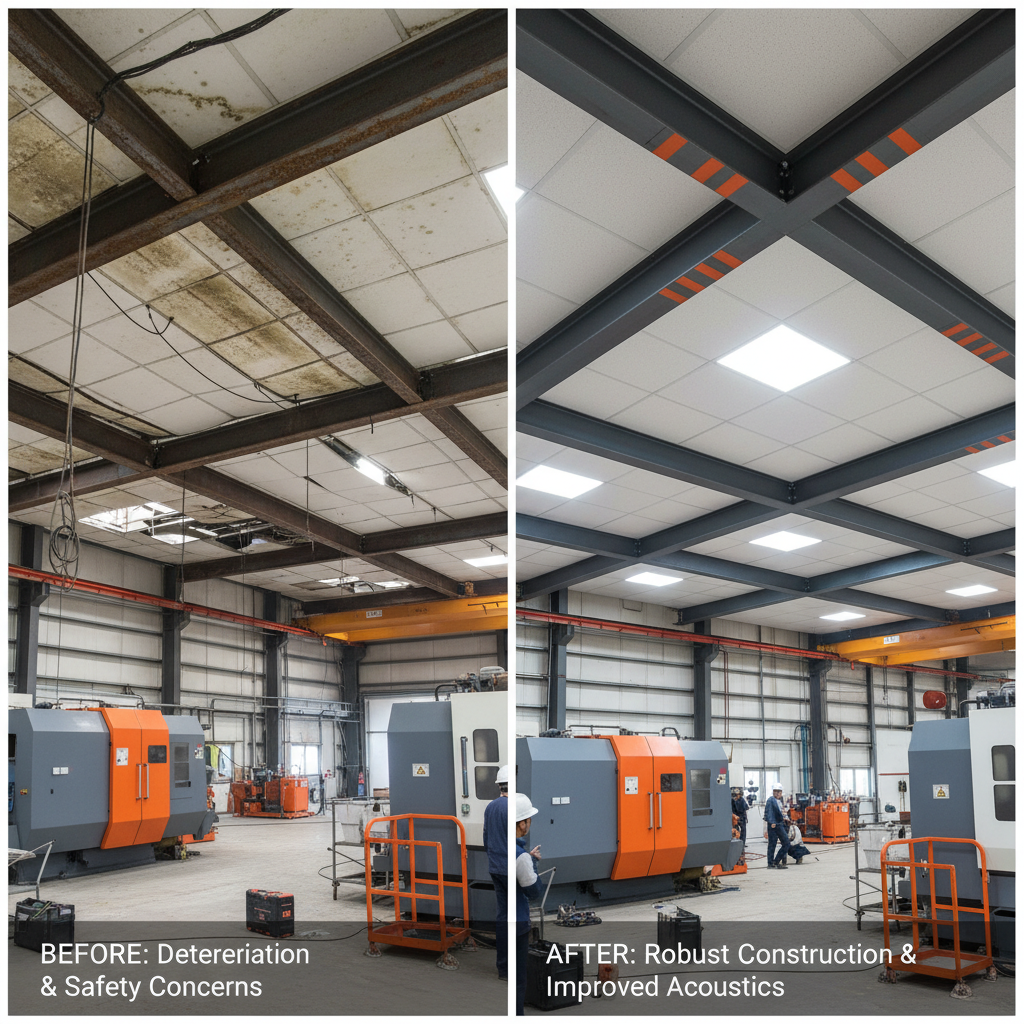
Mineral board ceilings have become an increasingly vital component of modern construction and interior design globally. Their affordability, aesthetic versatility, and crucial fire-resistant properties make them a preferred choice in a wide range of applications, from commercial offices and educational institutions to healthcare facilities and residential buildings. Understanding the intricacies of mineral board ceiling systems is essential for architects, contractors, and building owners alike, ensuring optimal performance, longevity, and safety.
The global demand for sustainable and cost-effective building materials is driving the growth of the mineral board ceiling market. The industry is responding with innovations in design, manufacturing processes, and material composition to meet increasingly stringent environmental standards and evolving aesthetic preferences. This growth is particularly pronounced in emerging economies where rapid urbanization and infrastructure development are underway.
Mineral board ceilings offer a compelling solution to challenges in building acoustics, thermal regulation, and visual comfort. By carefully selecting the appropriate board type and installation method, professionals can create interior spaces that are both functional and aesthetically pleasing, contributing to improved occupant well-being and productivity.
Introduction to Mineral Board Ceilings
Mineral board ceilings represent a significant advancement in interior construction materials. Offering a balanced combination of aesthetic appeal, functional performance, and cost-effectiveness, they are finding increased application across diverse sectors. Their inherent properties, such as sound absorption and fire resistance, contribute to safer and more comfortable interior environments.
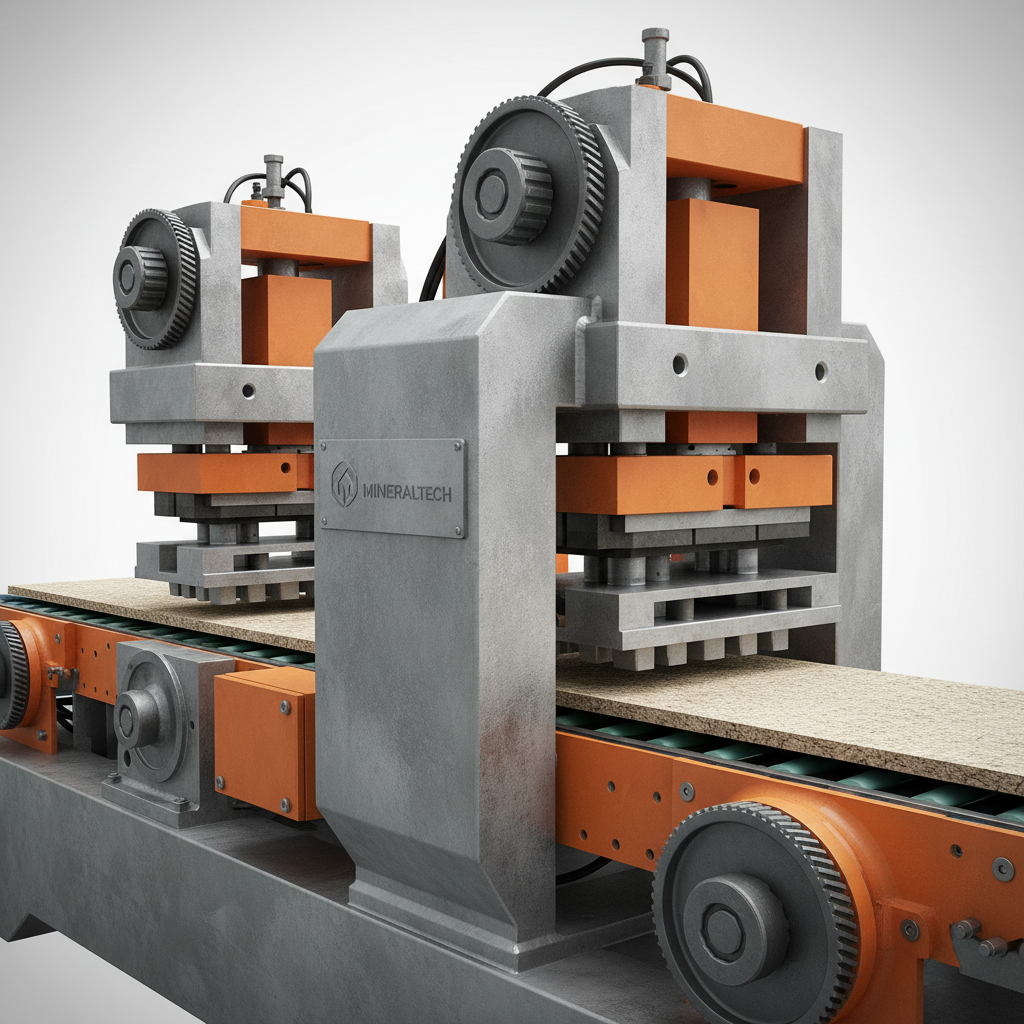
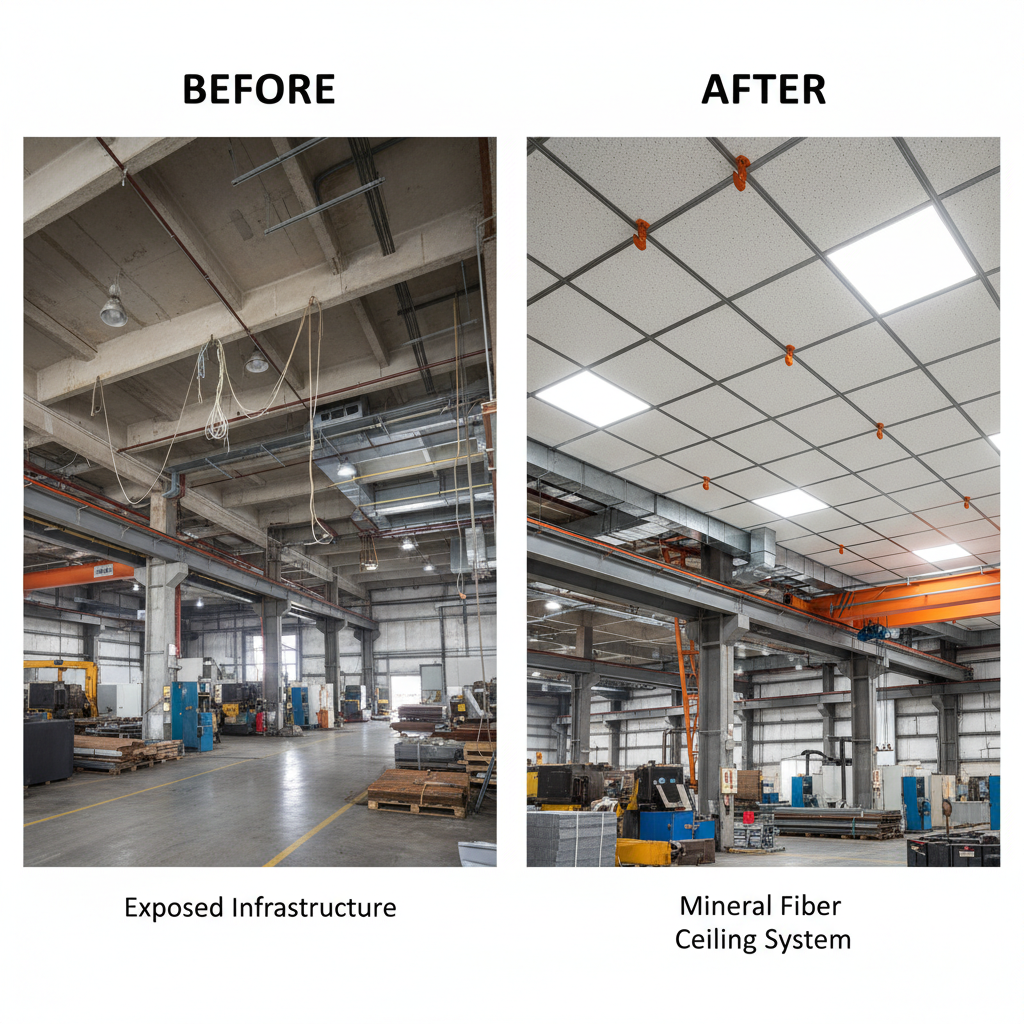
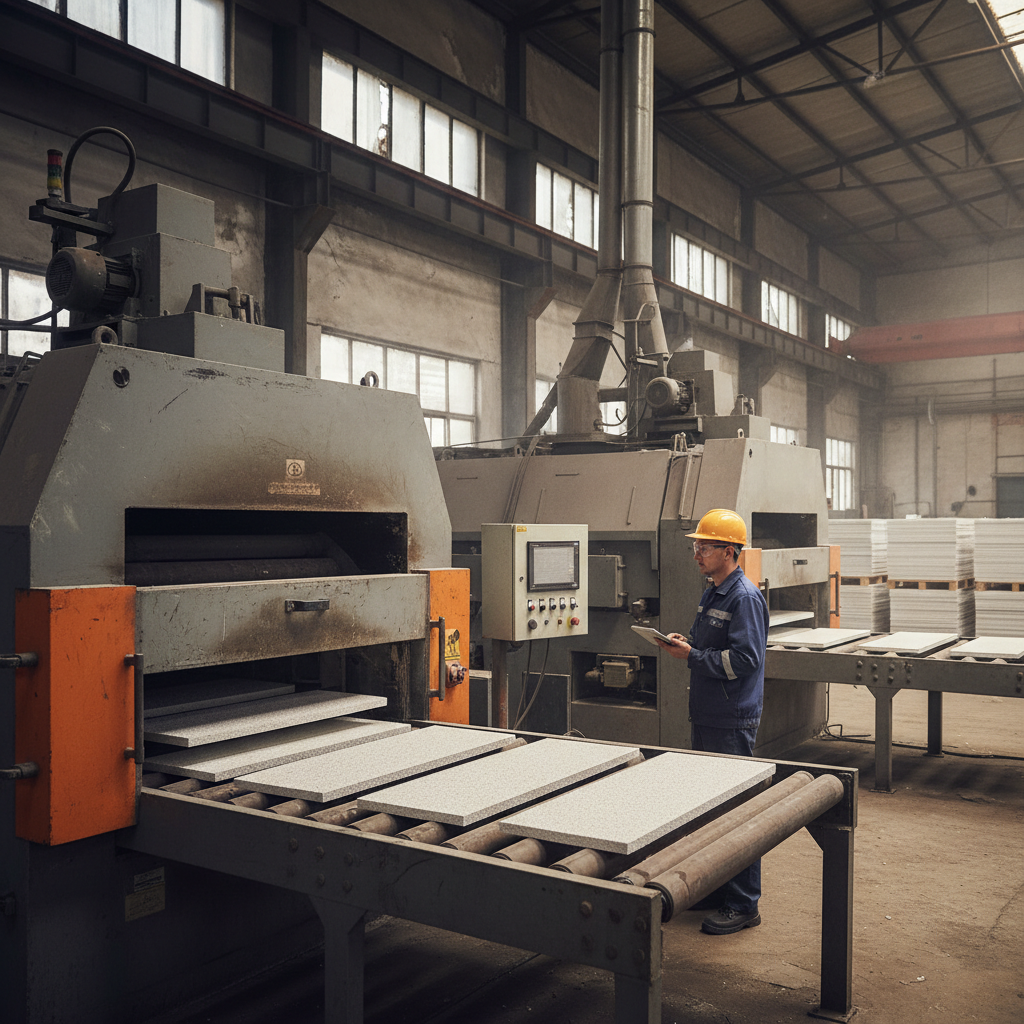
The manufacturing process of mineral board ceilings typically involves compressing mineral wool with a binding agent, resulting in a robust and dimensionally stable panel. These panels are readily customizable in terms of size, shape, and surface finish, catering to a wide spectrum of design requirements. They are frequently used in suspended ceiling systems, concealing building services and creating a clean, finished look.
Defining Mineral Board Ceilings
A mineral board ceiling is a secondary ceiling system suspended below the structural ceiling of a building. It's constructed from panels primarily composed of mineral wool – a material made from molten rock or slag spun into fibers. These fibers are then bound together with various additives to create durable and lightweight boards. Mineral board ceilings are distinct from gypsum board ceilings in their composition and performance characteristics.
The connection to modern industry stems from the demand for interiors that are not only visually appealing but also meet stringent safety standards, particularly regarding fire protection and acoustic control. In humanitarian contexts, they can provide quickly installed, safe, and comfortable environments in temporary shelters or emergency facilities.
Mineral board ceilings address the need for cost-effective solutions that deliver substantial improvements in indoor environmental quality. They help mitigate noise pollution, enhance thermal performance, and create a more pleasant and productive workspace, all contributing to the well-being of building occupants.
Core Components and Characteristics
The core components of a mineral board ceiling include the mineral wool fibers (typically glass wool, rock wool, or slag wool), a binding agent (such as starch or resin), and a facing material (often a painted or laminated surface). The density and composition of these components significantly influence the board’s performance characteristics, such as sound absorption and fire resistance.
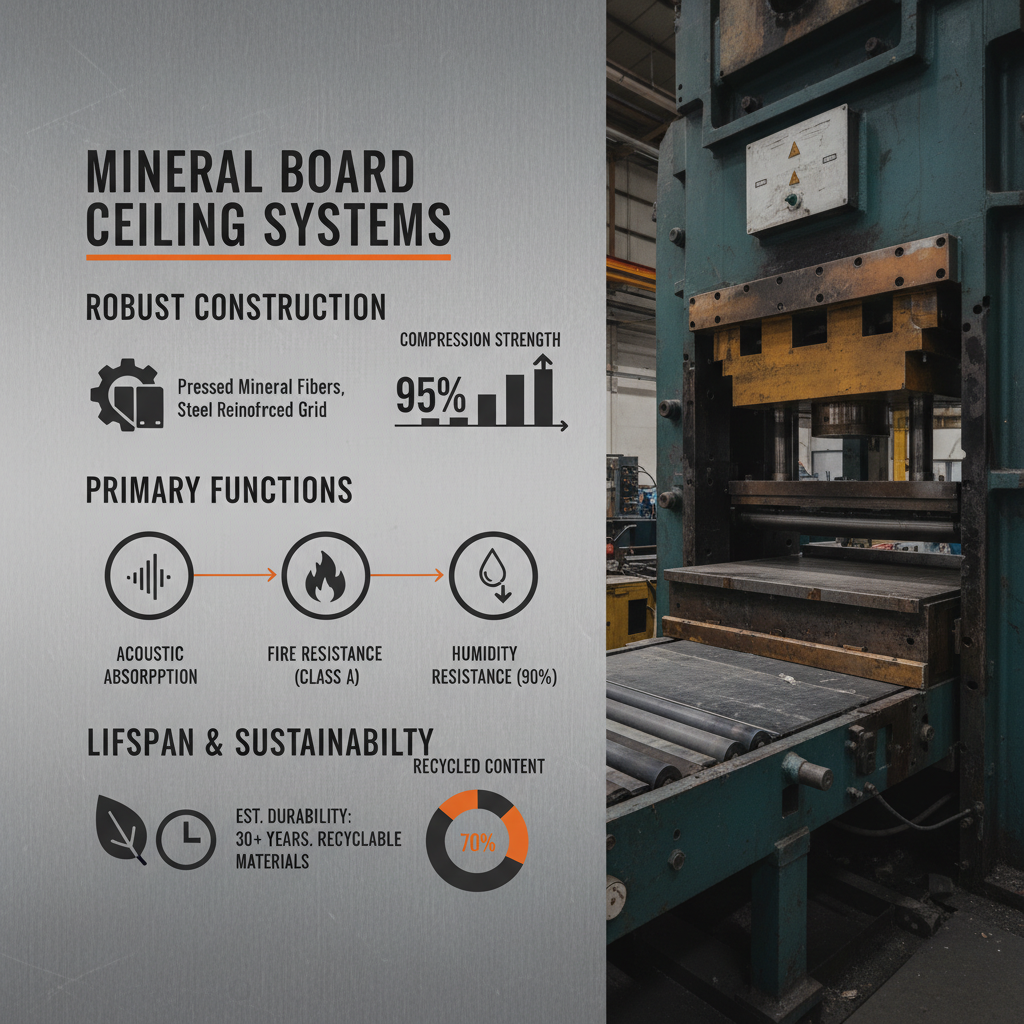
Key characteristics include excellent sound absorption coefficients, contributing to quieter interior spaces. They also possess high fire resistance ratings, providing crucial passive fire protection. Furthermore, mineral board ceilings exhibit good thermal insulation properties, reducing energy consumption for heating and cooling. They are also relatively lightweight, simplifying installation and minimizing structural load.
The surface finishes available for mineral board ceilings are diverse, ranging from smooth, paintable surfaces to textured patterns and decorative laminates. This versatility allows architects and designers to achieve a wide range of aesthetic effects, seamlessly integrating the ceiling system into the overall interior design scheme.
Key Performance Indicators of Mineral Board Ceilings
Several key performance indicators (KPIs) define the effectiveness of mineral board ceilings. These include the Noise Reduction Coefficient (NRC), measuring the ability to absorb sound; the Ceiling Attenuation Class (CAC), assessing sound isolation performance; and the fire resistance rating, determined through standardized testing.
Furthermore, the Light Reflectance Value (LRV) indicates the amount of visible light reflected by the ceiling surface, impacting interior brightness and energy efficiency. Humidity resistance and dimensional stability are also critical KPIs, ensuring long-term performance and preventing sagging or warping.
Mineral Board Ceiling Performance Comparison
Global Applications and Industries Served
Mineral board ceilings find extensive application in commercial buildings, including offices, retail spaces, and shopping malls, where acoustic comfort and aesthetic appeal are paramount. They are also widely used in educational institutions, such as schools and universities, to create conducive learning environments.
Healthcare facilities, including hospitals and clinics, benefit significantly from the hygienic properties and sound-absorbing capabilities of mineral board ceilings. In post-disaster relief operations, they can be deployed rapidly to provide safe and comfortable temporary shelters.
Advantages and Long-Term Value Proposition
The advantages of mineral board ceiling systems are numerous. Cost-effectiveness is a significant factor, offering a compelling value proposition compared to other ceiling materials. Their inherent fire resistance contributes to building safety and potentially lowers insurance premiums.
Sustainability is another key benefit, as mineral wool is often manufactured from recycled materials. Long-term reliability ensures minimal maintenance requirements and a long service life, reducing life-cycle costs. Furthermore, improved acoustics and thermal performance contribute to occupant well-being and energy efficiency.
Beyond the tangible benefits, mineral board ceilings promote a sense of calm and productivity within interior spaces. They provide a visually clean and professional aesthetic, enhancing the overall impression of a building. Choosing these ceilings demonstrates a commitment to both quality and occupant comfort.
Future Trends and Innovations in Mineral Board Ceiling Technology
Several emerging trends are shaping the future of mineral board ceiling technology. The development of bio-based mineral wool alternatives promises enhanced sustainability. Advancements in digital printing techniques enable customized designs and intricate patterns.
Integration with smart building systems, such as lighting and HVAC control, is also gaining traction. Furthermore, research into self-cleaning and anti-microbial coatings aims to improve hygiene and reduce maintenance requirements. These innovations are driven by a growing demand for more sustainable, efficient, and aesthetically versatile ceiling solutions.
The increasing adoption of Building Information Modeling (BIM) is streamlining the design and installation process, improving coordination and reducing errors. Automation in manufacturing is driving down costs and increasing production efficiency, making mineral board ceilings even more accessible.
A Comprehensive Analysis of Mineral Board Ceiling Challenges and Solutions
| Challenge |
Impact on Mineral Board Ceiling Performance |
Proposed Solution |
Implementation Cost (1-10) |
| Moisture Sensitivity |
Reduced structural integrity, mold growth |
Application of hydrophobic coatings, improved ventilation |
4 |
| Sagging or Deformation |
Aesthetic concerns, potential for collapse |
Increased board density, robust suspension systems |
6 |
| Acoustic Performance Limitations |
Insufficient noise reduction in high-traffic areas |
Utilizing thicker boards, adding acoustic insulation layers |
5 |
| Difficulties in Customization |
Limited design flexibility for unique spaces |
Employing digital printing and advanced fabrication techniques |
7 |
| Installation Challenges |
Time-consuming process, potential for errors |
Pre-fabricated modules, simplified suspension systems |
3 |
| Environmental Impact of Production |
Energy consumption, waste generation |
Utilizing recycled materials, optimizing manufacturing processes |
8 |
FAQS
Mineral board ceilings excel in fire safety due to their non-combustible mineral wool composition. They effectively resist the spread of flames and smoke, offering crucial passive fire protection. They are often classified with high fire resistance ratings, meeting or exceeding building code requirements, providing valuable time for evacuation and fire suppression efforts. This makes them a preferred choice in buildings where fire safety is a critical concern.
Generally, higher density mineral board ceilings offer better sound absorption properties. The denser the material, the more effectively it can trap and dissipate sound waves, reducing noise levels within a space. However, there is a point of diminishing returns, and extremely high densities can sometimes compromise other performance characteristics. Choosing the appropriate density depends on the specific acoustic requirements of the application.
Mineral board ceilings can be quite environmentally friendly, particularly those made with a high percentage of recycled content. Mineral wool itself is often manufactured from recycled industrial waste materials. They are also recyclable at the end of their lifespan, reducing landfill waste. Their contribution to energy efficiency through thermal insulation further enhances their environmental profile.
Mineral board ceilings are relatively straightforward to install, especially compared to some other ceiling systems. The typical installation process involves suspending a grid system from the structural ceiling and then inserting the mineral board panels into the grid. Essential tools include a laser level, measuring tape, utility knife, T-square, safety glasses, and appropriate fasteners. Professional installation is recommended for optimal results.
With proper installation and maintenance, a mineral board ceiling can have a lifespan of 20-30 years or even longer. The actual lifespan depends on factors such as the environmental conditions, the quality of the materials, and the level of maintenance performed. Regular cleaning and occasional replacement of damaged panels can help extend the lifespan of the system.
Yes, many mineral board ceilings can be painted to achieve a desired aesthetic. However, it’s crucial to use a paint specifically designed for porous surfaces like mineral board. Latex-based paints are generally recommended, and it’s advisable to apply a primer first to ensure proper adhesion and a uniform finish. Avoid using paints with strong solvents or high VOC content, as they can damage the board.
Conclusion
In conclusion, mineral board ceilings represent a sophisticated and versatile solution for modern interior environments. Their combination of acoustic performance, fire resistance, aesthetic flexibility, and cost-effectiveness makes them a compelling choice for a wide range of applications. Understanding the core components, performance characteristics, and emerging trends in this field is crucial for architects, contractors, and building owners seeking to create safe, comfortable, and sustainable spaces.
Looking ahead, continued innovation in materials and manufacturing processes will further enhance the benefits of mineral board ceilings. Adopting a holistic approach that considers the entire lifecycle of the product – from sourcing and production to installation and disposal – will be essential for maximizing their sustainability and minimizing their environmental impact. Visit our website at www.xingyuanceilings.com to learn more.