Look, honestly, everyone’s talking about lightweight construction these days. Prefabricated everything. Faster, cheaper, less mess. But you spend enough time on sites, like I do, and you see what actually happens. It’s not always sunshine and roses. We’re seeing a huge push for mineral fibre board ceilings, specifically. Seems like everyone wants them. Less weight, fire resistant… the usual spiel. But it's not as simple as swapping out gypsum.
I’ve been doing this for twenty years, and I’ve learned one thing: details matter. Like, really matter. You think you’ve got a good design, a good material, and then boom – something unexpected happens. And with these mineral fibre boards, there are a few places where things can go south fast if you’re not careful. Especially with the suspension systems. I encountered a mess at a factory in Jiangsu Province last time, the whole thing sagged after a week. Turns out the supports weren’t rated for the weight, even though the spec sheet said they were.
The boards themselves… they’re not like working with wood, that’s for sure. They feel… sort of dusty. Not like sawdust, more like chalk. And they have this faint, almost chemical smell when you cut them. You definitely need a good dust mask and proper ventilation. It’s not harmful, but it’s unpleasant. We use a lot of boards from Xingyuanceilings, they're pretty consistent. The texture isn’t too bad, cuts cleanly with a utility knife, but you need a sharp blade. Don’t even think about trying to screw directly into the board; it’ll crumble. You have to use the right fasteners.
The Current Trends in Mineral Fibre Board Ceilings
Have you noticed how much emphasis is being put on acoustic performance? Everyone wants quiet offices, quiet schools. That’s driving a lot of the demand for these boards. They’re naturally good at absorbing sound, which is a huge plus.
But it’s not just acoustics. Fire resistance is still king, especially in commercial buildings. These mineral fibre boards consistently pass the stringent fire safety tests, and that's a big selling point. Then you have the sustainability angle. People are looking for eco-friendly materials, and these boards often contain recycled content. It’s a good story to tell, even if the actual recycled content isn’t always as high as people think.
Common Design Pitfalls to Avoid
Seriously, the suspension systems. That’s where most problems start. People underestimate the weight, or they use the wrong type of hangers. I’ve seen ceilings collapse because someone thought they could save a few bucks on the hardware. It's… not pretty. And don't even get me started on integrating lighting and HVAC. You have to plan everything out meticulously. The cutouts need to be precise, and you need to reinforce the board around the openings.
Another thing: moisture. These boards aren’t waterproof. If you're using them in a humid environment, you need to take precautions. A vapor barrier is essential. I saw a job in a coastal city where they skipped the vapor barrier, and the whole ceiling started to sag within a year.
Strangely, people also underestimate the importance of proper installation. It sounds obvious, but you’d be surprised. The boards need to be aligned correctly, and the joints need to be filled properly. Otherwise, you’ll end up with a ceiling that looks… well, cheap. And trust me, no one wants a cheap-looking ceiling.
Material Breakdown: What These Boards are Made Of
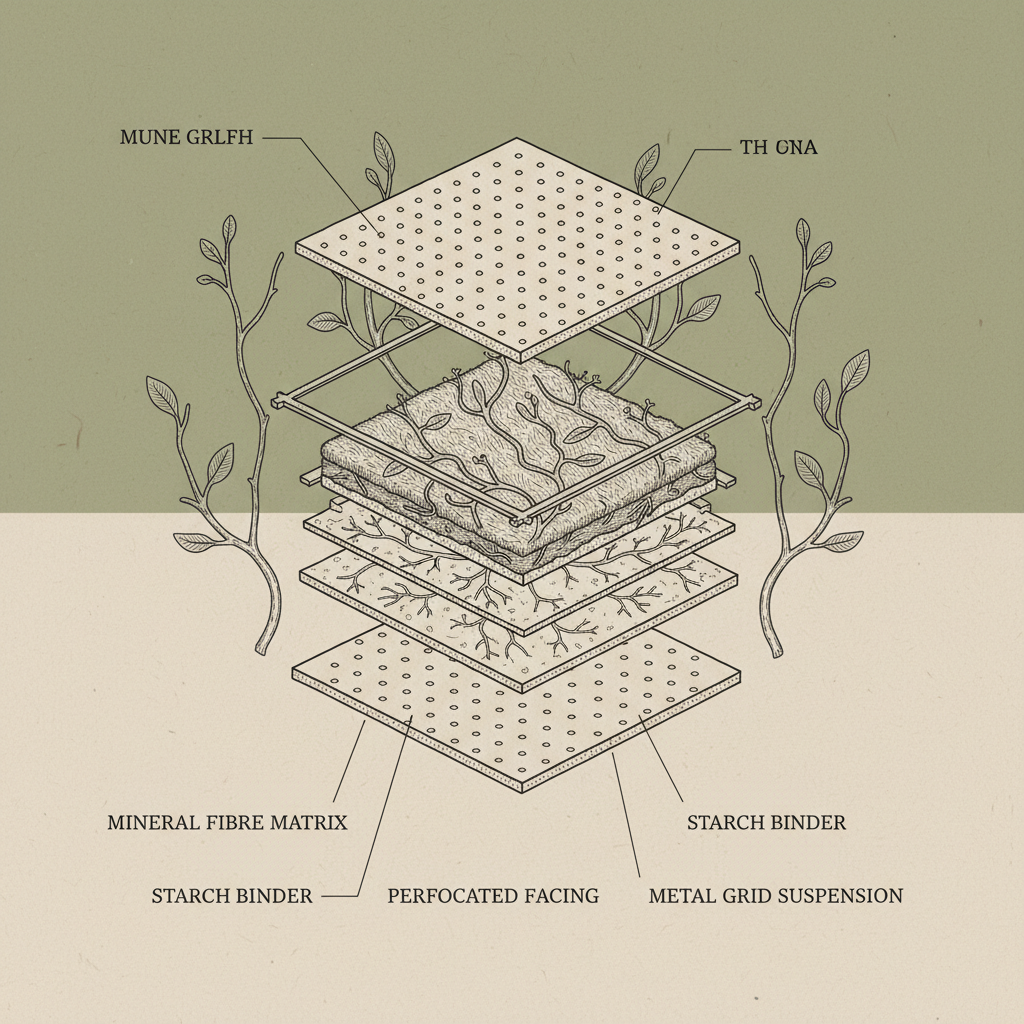
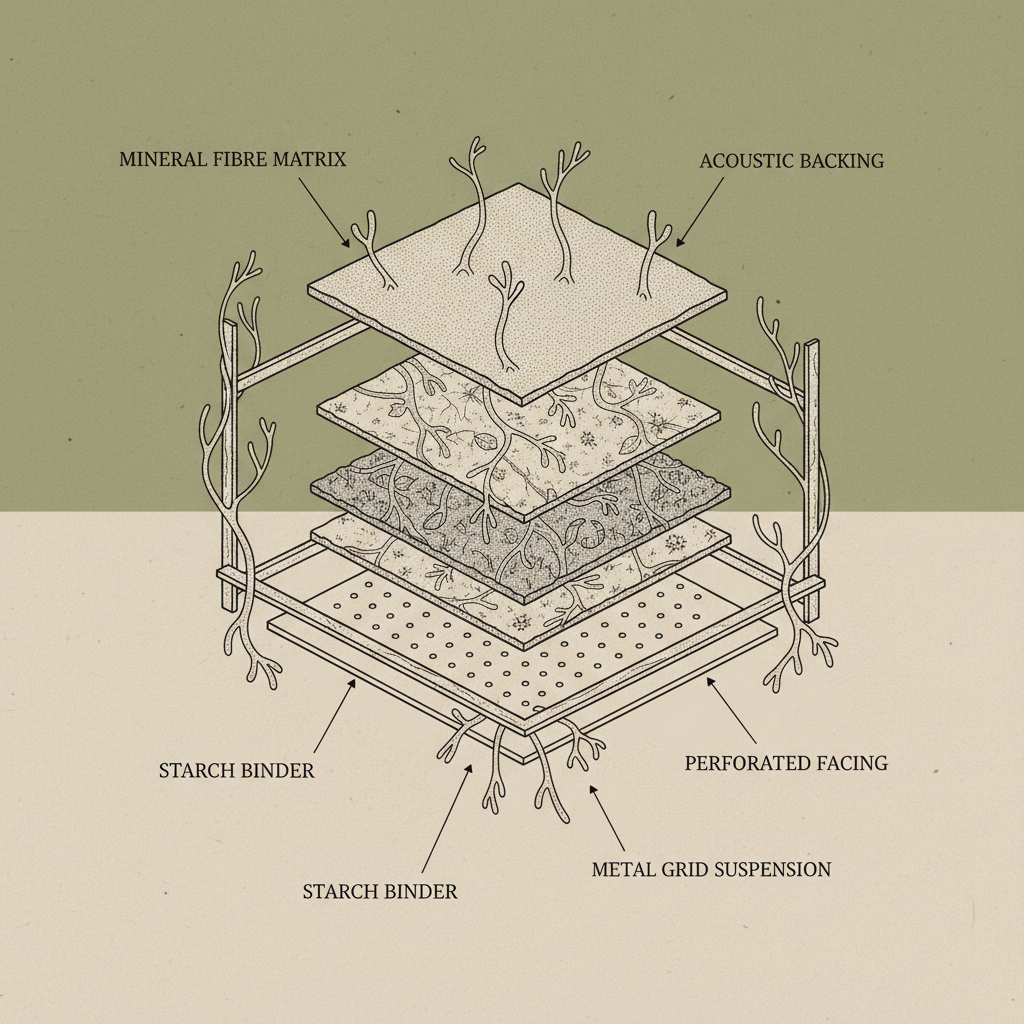
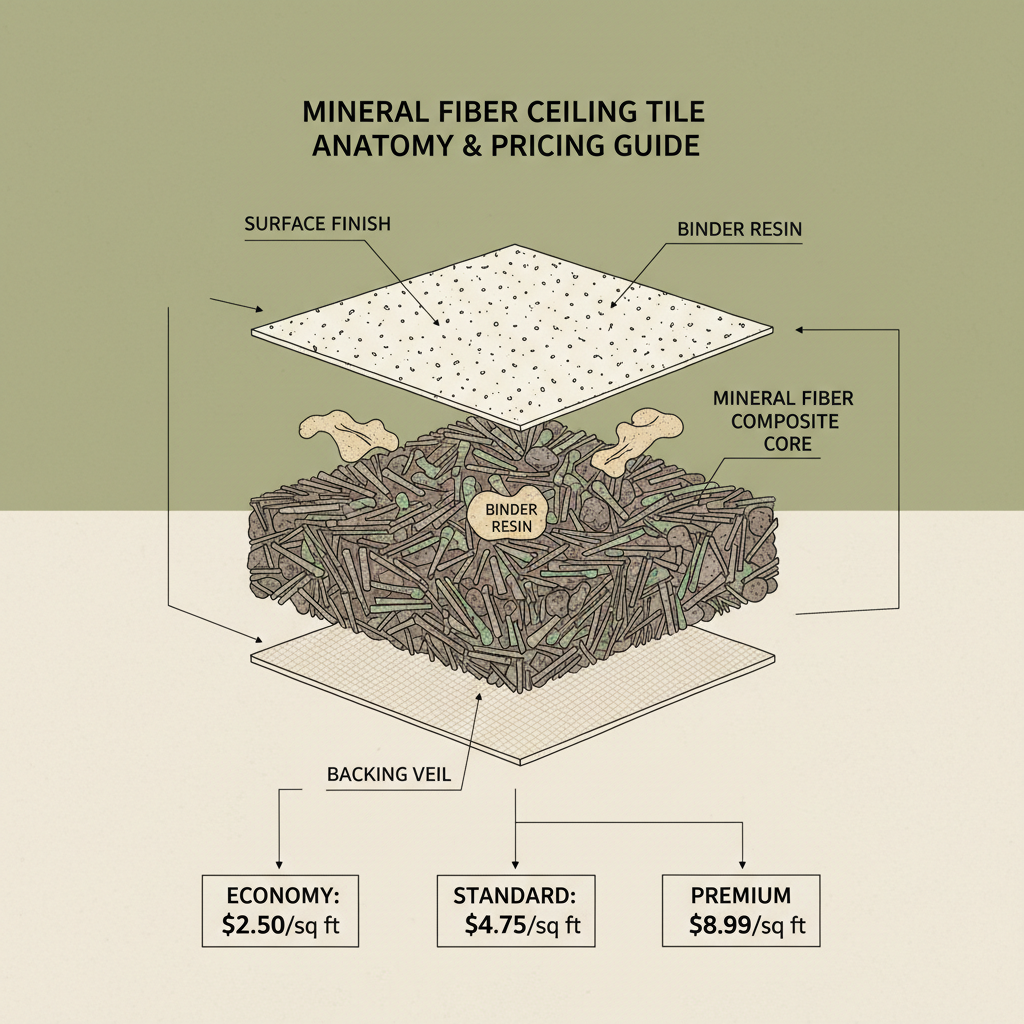
Okay, so what are these things made of? It’s mostly mineral wool – that's slag wool, rock wool, or glass wool, depending on the manufacturer. They bind it all together with starch, cellulose, and some other proprietary chemicals. Each manufacturer has their own recipe, of course, and that's why you get different textures and densities.
The quality of the mineral wool makes a big difference. Cheaper boards often use lower-quality wool, which is more brittle and doesn’t hold up as well. You can tell by feel. Good quality wool feels… firmer, more substantial. The cheaper stuff feels kind of fluffy and easily crumbles. It's subtle, but you get used to it.
The binders are important too. They affect the board’s strength, its fire resistance, and its ability to absorb sound. Some binders also release VOCs, which can be a concern in certain applications. You have to check the spec sheets and make sure you’re using a board that meets your requirements.
Real-World Testing Procedures
Forget the lab tests, honestly. Those are useful for baseline standards, but they don't tell you how the board will perform in the real world. We do our own testing on-site. We load the suspension system with weight, simulating the load it will experience in actual use. We check for deflection, and we look for any signs of stress or cracking.
We also do a "moisture test." We spray water on the board and see how it holds up. Not a flood, just a good soaking. You want to see the water bead up and roll off, not soak in. And we do a simple impact test. We drop a weight on the board and see if it cracks or breaks. It’s not scientific, but it gives you a good indication of its durability.
Mineral Fibre Board Ceiling Performance Metrics
How Users Actually Utilize Mineral Fibre Board Ceilings
What people say they want and what they actually do are often two different things. A lot of architects specify these boards for their aesthetic appeal – the clean, minimalist look. But honestly, the guys installing them are usually just trying to get the job done as quickly as possible. They don’t care about aesthetics; they care about ease of installation.
And strangely, I’ve seen some contractors use these boards as temporary patching material! Like, a hole in the wall? Slap a piece of mineral fibre board over it. It’s not ideal, obviously, but it’s quick and easy. I’m not endorsing that, mind you. Just saying it happens.
The Pros and Cons: A Balanced Perspective
Okay, let’s be real. These boards are great for sound absorption and fire resistance, and they’re relatively lightweight. That's a win. They're also pretty affordable, compared to some other ceiling materials. But they're not durable. They scratch easily, and they can crumble if you’re not careful.
And the dust! Don’t even get me started on the dust. It gets everywhere. You need to clean up constantly. Plus, they don’t handle moisture well, as we talked about earlier. So, you have to be careful about where you use them. It’s a trade-off. You get good performance in some areas, but you sacrifice durability and moisture resistance. Anyway, I think it's a decent material, for the right application.
Customization Options & Practical Applications
You can get these boards in a variety of sizes and thicknesses. That's the main customization. You can also get them with different edge profiles – square edge, beveled edge, tegular edge. It depends on the suspension system you're using. Some manufacturers will even do custom perforations for lighting or acoustics.
Last month, that small boss in Shenzhen who makes smart home devices insisted on changing the interface to after we'd already fabricated all the ceiling panels with USB-A cutouts. A nightmare. Cost him a fortune to re-do everything. Lesson learned: get your specifications right before you start.
They're ideal for offices, schools, hospitals – anywhere you need good acoustics and fire resistance. But I've also seen them used in retail stores, restaurants, and even residential buildings. Versatile stuff, really. It all comes down to knowing the limitations and using the right materials for the job.
A Quick Comparison of Mineral Fibre Board Ceiling Options
| Board Type |
Sound Absorption (NRC) |
Fire Rating (ASTM E84) |
Estimated Cost/sq ft |
| Standard Mineral Fibre |
0.70 |
Flame Spread: 10, Smoke Developed: 10 |
$0.80 - $1.20 |
| High Density Mineral Fibre |
0.75 |
Flame Spread: 5, Smoke Developed: 5 |
$1.00 - $1.50 |
| Bio-Based Mineral Fibre |
0.80 |
Flame Spread: 15, Smoke Developed: 15 |
$1.30 - $1.80 |
| Perforated Mineral Fibre |
0.65 |
Flame Spread: 10, Smoke Developed: 10 |
$1.10 - $1.60 |
| Moisture Resistant Mineral Fibre |
0.72 |
Flame Spread: 20, Smoke Developed: 20 |
$1.40 - $2.00 |
| Colored Mineral Fibre |
0.68 |
Flame Spread: 15, Smoke Developed: 15 |
$1.50 - $2.20 |
FAQS
Honestly, there’s no way to avoid the mess completely. But a sharp utility knife, a good dust mask, and working outdoors or in a well-ventilated area will help. Score the board several times along the cut line before trying to snap it. And vacuum up the dust immediately. A wet-dry vac is your friend here. It’s dusty stuff, and you don’t want to breathe it in.
Yes, they can, but you need to use the right type of paint. A latex paint specifically designed for porous surfaces is best. Primer is essential. And don’t expect to get a perfectly smooth finish. The board is textured, so the paint will follow those contours. You’ll likely need two or three coats to get good coverage.
Usually, a sagging ceiling indicates a problem with the suspension system. The wires might be stretched or the hangers might be overloaded. You’ll need to reinforce the suspension system and replace any damaged components. If the board itself is damaged, you’ll need to replace that too. It’s often a bigger job than it looks, so it’s best to call a professional.
That’s a tough one. It depends on a lot of factors, like humidity, temperature, and how well it’s maintained. But generally, you can expect a lifespan of 10-20 years. With proper care and maintenance, it could last longer. But eventually, it will start to sag, crack, or discolor.
Some mineral fibre boards contain formaldehyde, which is a VOC. Look for boards that are certified to meet low-VOC standards. And make sure the installation area is well-ventilated during and after installation. The smell shouldn’t linger for long, but it’s still a good idea to be cautious.
Mineral fibre is denser and generally has better sound absorption. Fiberglass is lighter and often cheaper. Fiberglass is also more prone to sagging over time. Mineral fibre holds up better in humid environments, but neither are waterproof. It really comes down to your specific needs and budget.
Conclusion
So, mineral fibre board ceilings. They’re not perfect. They have their drawbacks. They’re dusty, they’re not super durable, and they require careful installation. But they offer a good balance of performance, cost, and aesthetics. They’re a solid choice for a lot of applications, especially where sound absorption and fire resistance are important.
Ultimately, whether this thing works or not, the worker will know the moment he tightens the screw. You can spend all day talking about specs and standards, but at the end of the day, it's the guy on the ground who makes it happen. And if he’s shaking his head and muttering under his breath, you’ve probably got a problem.