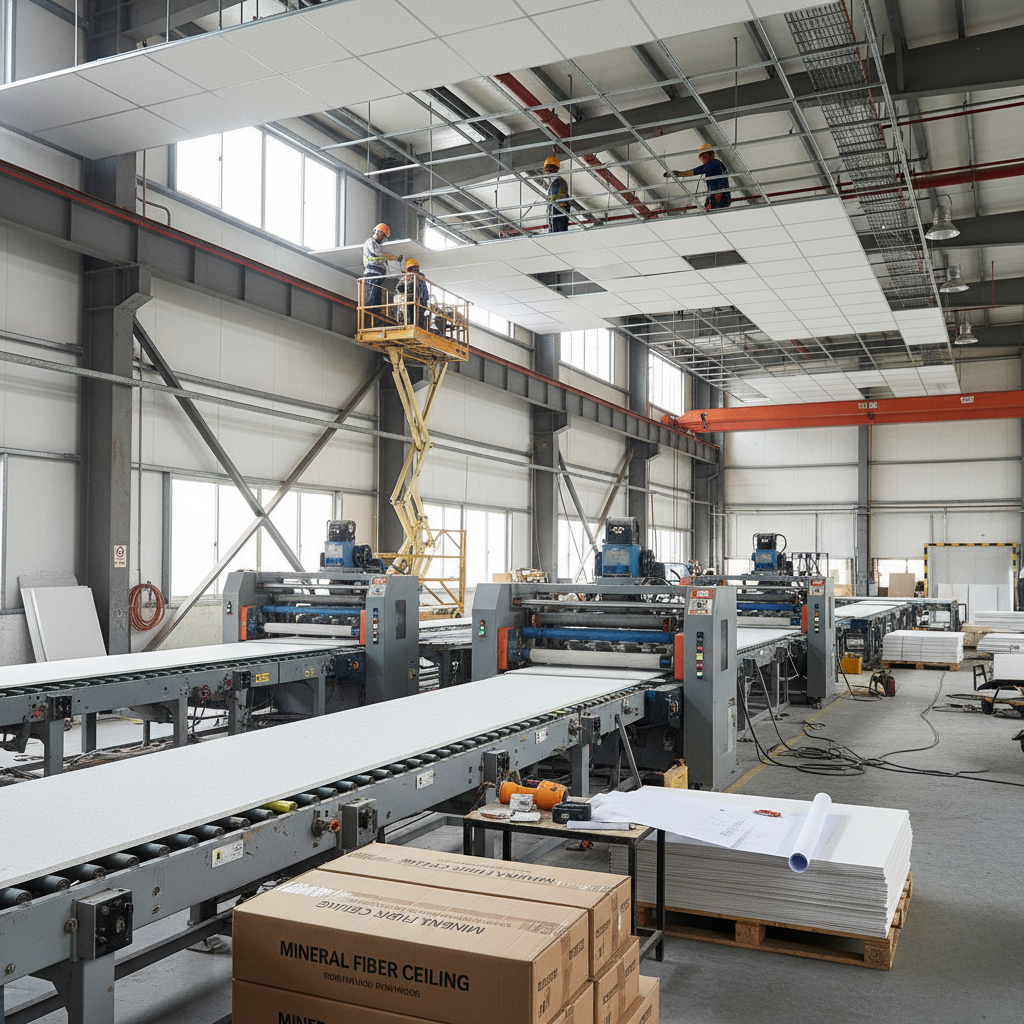
The quest for the perfect indoor environment often leads architects and facility managers to the critical intersection of aesthetics and acoustics. A mineral fiber acoustic ceiling represents more than just a structural cover; it is a sophisticated engineering solution designed to manage sound reverberation and enhance thermal insulation. By blending mineral wool, recycled materials, and specialized binders, these systems transform chaotic noise into a controlled, productive atmosphere.
Globally, the demand for high-performance ceiling solutions is surging as urbanization increases and open-plan office designs become the standard. The ability of a mineral fiber acoustic ceiling to absorb mid-to-high frequency sounds makes it an indispensable asset in commercial hubs, educational institutions, and healthcare facilities. Understanding the nuance of these materials is key to creating spaces that foster concentration, reduce stress, and promote overall human well-being.
Integrating these systems involves balancing technical parameters—such as the Noise Reduction Coefficient (NRC) and Ceiling Attenuation Class (CAC)—with visual design. Whether it is paired with modular grids or customized inspection panels, the implementation of a mineral fiber acoustic ceiling ensures that the invisible element of a room—the sound—is as well-designed as the visible architecture.
Global Context of Mineral Fiber Acoustic Ceiling
In the modern era of rapid urbanization, the architectural landscape is shifting toward massive multi-functional complexes. According to ISO standards regarding indoor environmental quality, acoustic pollution is now recognized as a significant health risk, contributing to cognitive fatigue and decreased productivity. The widespread adoption of the mineral fiber acoustic ceiling is a direct response to this challenge, providing a scalable way to mitigate noise in high-density environments.
Across Europe, North America, and Asia, the construction industry is increasingly prioritizing "healthy buildings." The integration of mineral fiber materials allows developers to meet strict building codes while ensuring that the interior acoustics support the mental health of occupants. By reducing echo and external noise infiltration, these ceilings create a sanctuary of focus within the chaos of the modern city.
Defining the Mineral Fiber Acoustic Ceiling System
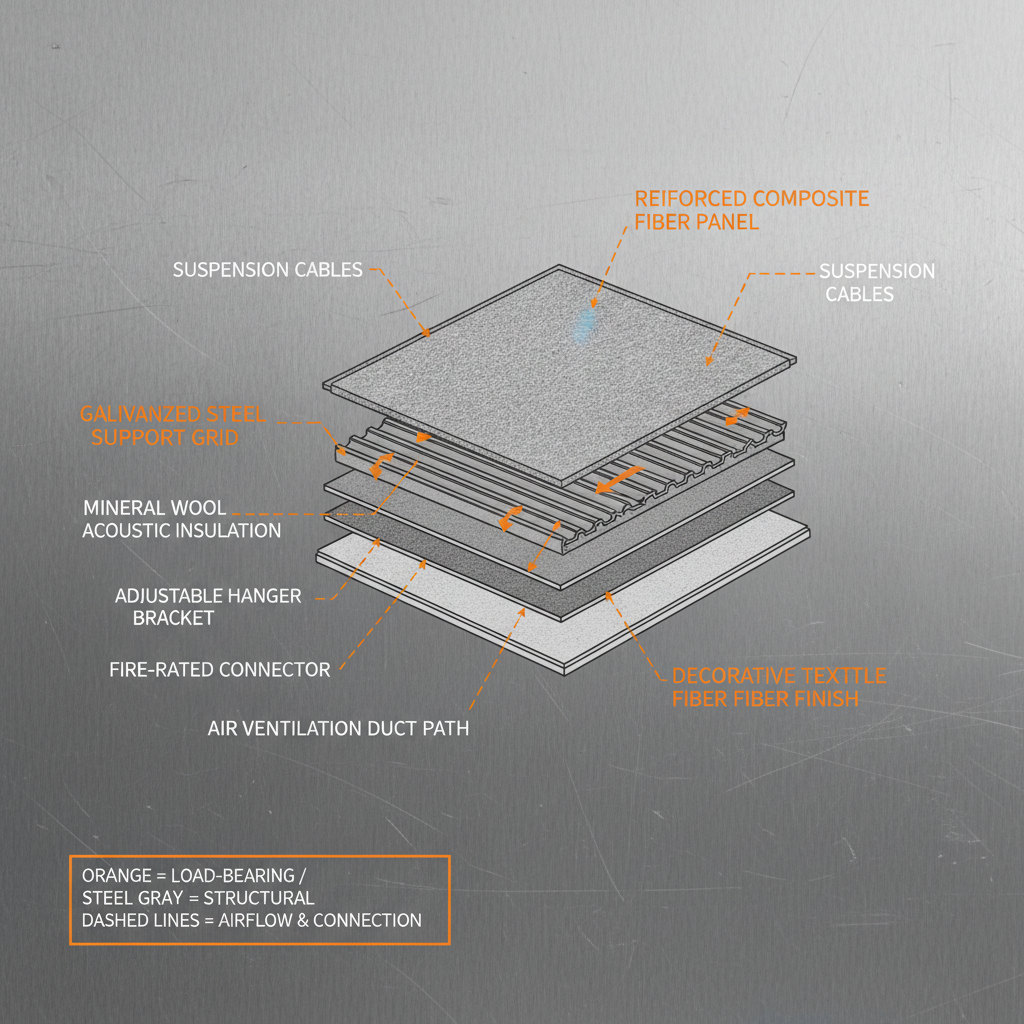
At its most fundamental level, a mineral fiber acoustic ceiling is a suspended ceiling system composed of panels made from a mixture of slag wool, stone wool, perlite, and other mineral additives. These materials are processed into a porous structure that effectively traps sound waves, preventing them from bouncing off hard surfaces and creating the "cavern effect" often found in empty concrete rooms.
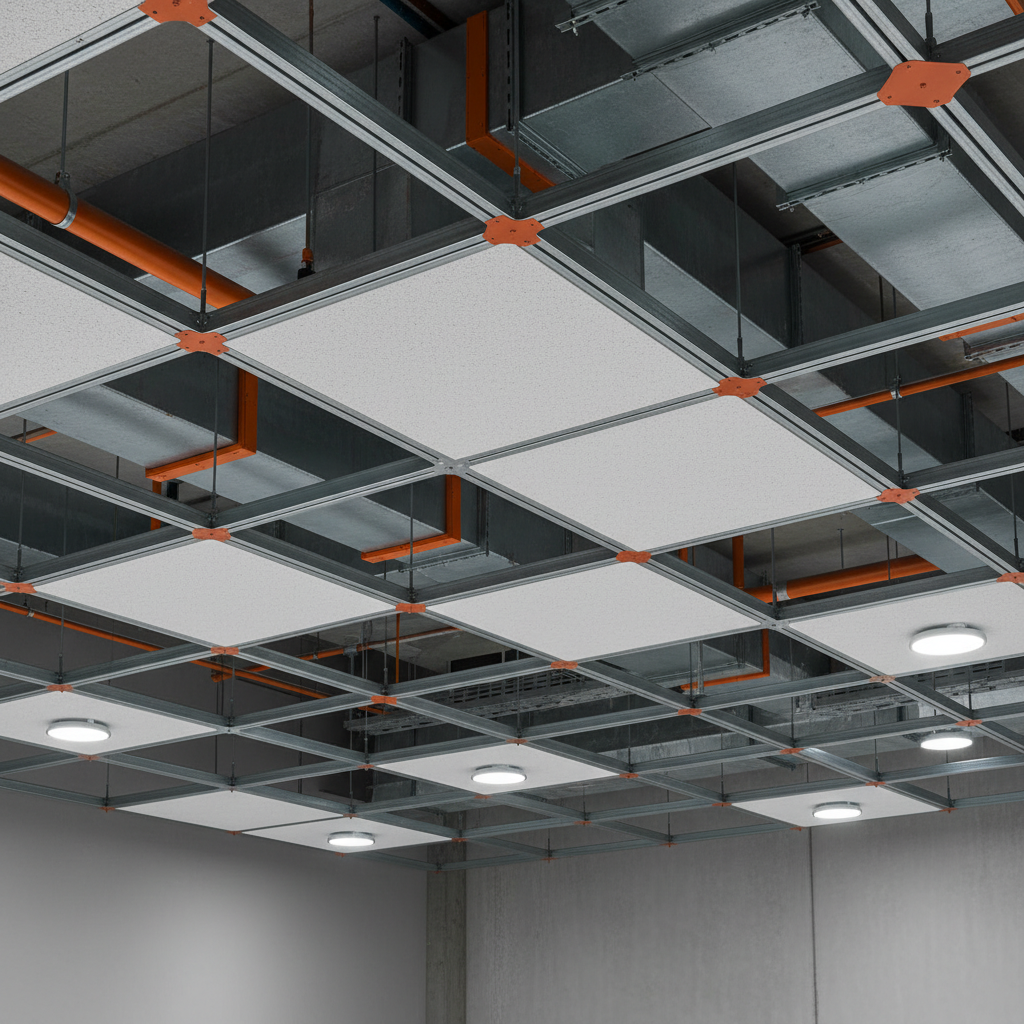
Beyond simple sound absorption, these systems serve a dual purpose in modern infrastructure. They act as a protective barrier that conceals mechanical, electrical, and plumbing (MEP) services, while simultaneously providing a layer of thermal insulation. This synergy between acoustic control and utility management makes it a preferred choice for developers who need a clean, professional finish without sacrificing accessibility to the building's core systems.
From a humanitarian and industrial perspective, the ability to rapidly deploy these ceilings in schools or hospitals ensures that critical environments remain functional. In settings where speech intelligibility is paramount—such as a classroom or a surgical suite—the mineral fiber acoustic ceiling ensures that communication is clear and distractions are minimized, directly impacting the quality of education and care.
Core Components and Technical Factors
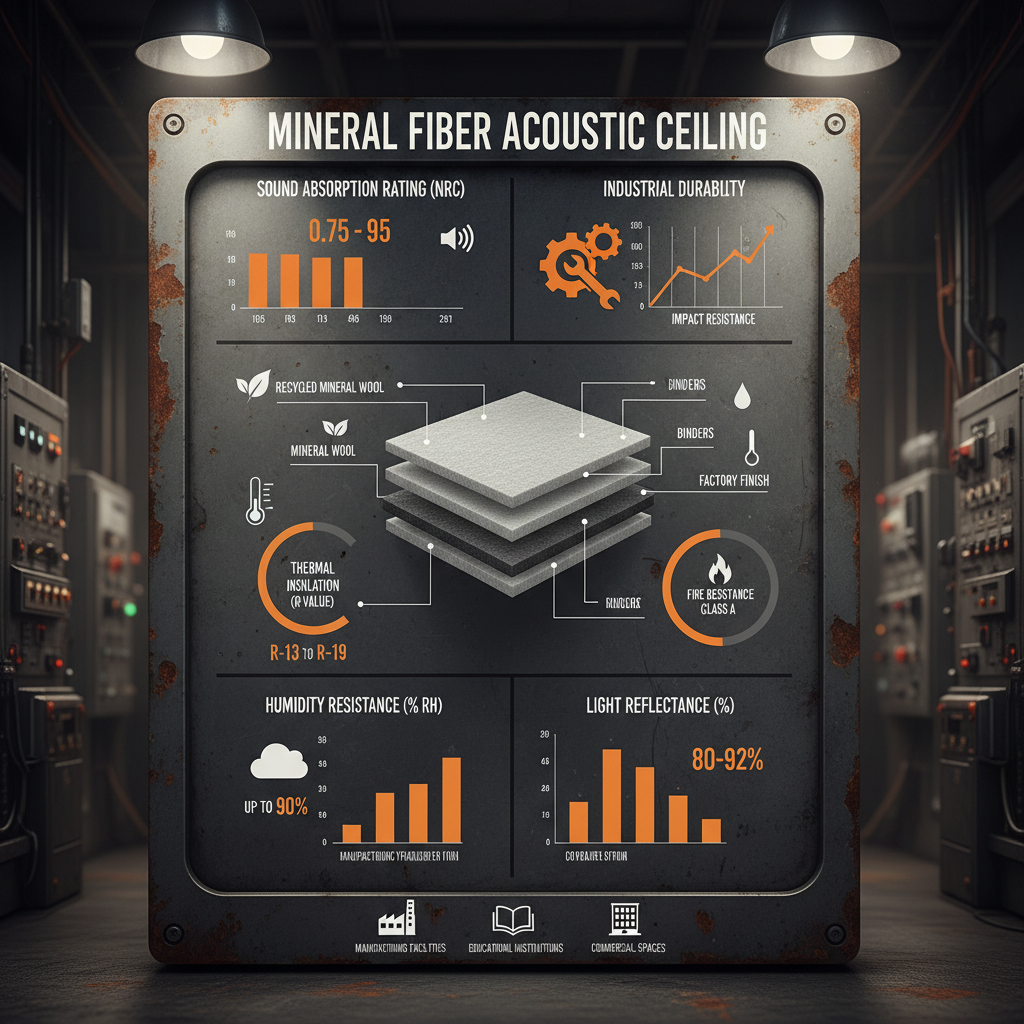
The efficacy of a mineral fiber acoustic ceiling depends on several key technical factors, foremost among them being the Noise Reduction Coefficient (NRC). The NRC measures the amount of sound absorbed by the panel; a higher rating indicates that the material is more effective at preventing sound from reflecting back into the room, which is critical for open-office layouts.
Another critical component is the Ceiling Attenuation Class (CAC), which focuses on the ability of the ceiling system to block sound from traveling between rooms. While NRC handles sound within a space, CAC ensures privacy by limiting noise transmission through the plenum. High-density mineral fiber boards are specifically engineered to balance these two needs, ensuring that a conference room remains private even when adjacent to a bustling corridor.
Durability and fire resistance are the final pillars of the system's design. Most professional-grade mineral fiber ceilings are treated with fire-retardant additives to meet Class A fire ratings, ensuring safety in the event of an emergency. Furthermore, the integration of moisture-resistant coatings prevents sagging and mold growth in humid environments, extending the lifecycle of the installation and reducing long-term maintenance costs.
Performance Metrics and Efficiency
When evaluating the performance of various ceiling types, data reveals that mineral fiber options consistently outperform traditional gypsum or PVC alternatives in terms of acoustic dampening. The porosity of the mineral matrix allows for a wide spectrum of sound frequencies to be absorbed, making it an all-around performer for diverse architectural needs.
By analyzing the cost-to-performance ratio, it becomes evident that investing in high-quality mineral fiber panels reduces the need for additional acoustic wall treatments. This holistic approach to sound management streamlines the construction process and provides a more cohesive aesthetic for the final project.
Comparative Performance of Mineral Fiber Acoustic Ceiling Types
Global Applications and Use Cases
In real-world applications, the mineral fiber acoustic ceiling is ubiquitous in corporate environments. In the bustling financial districts of New York, London, and Hong Kong, these ceilings are used to manage the noise of hundreds of simultaneous conversations, allowing employees to maintain focus in open-plan offices without the need for claustrophobic cubicles.
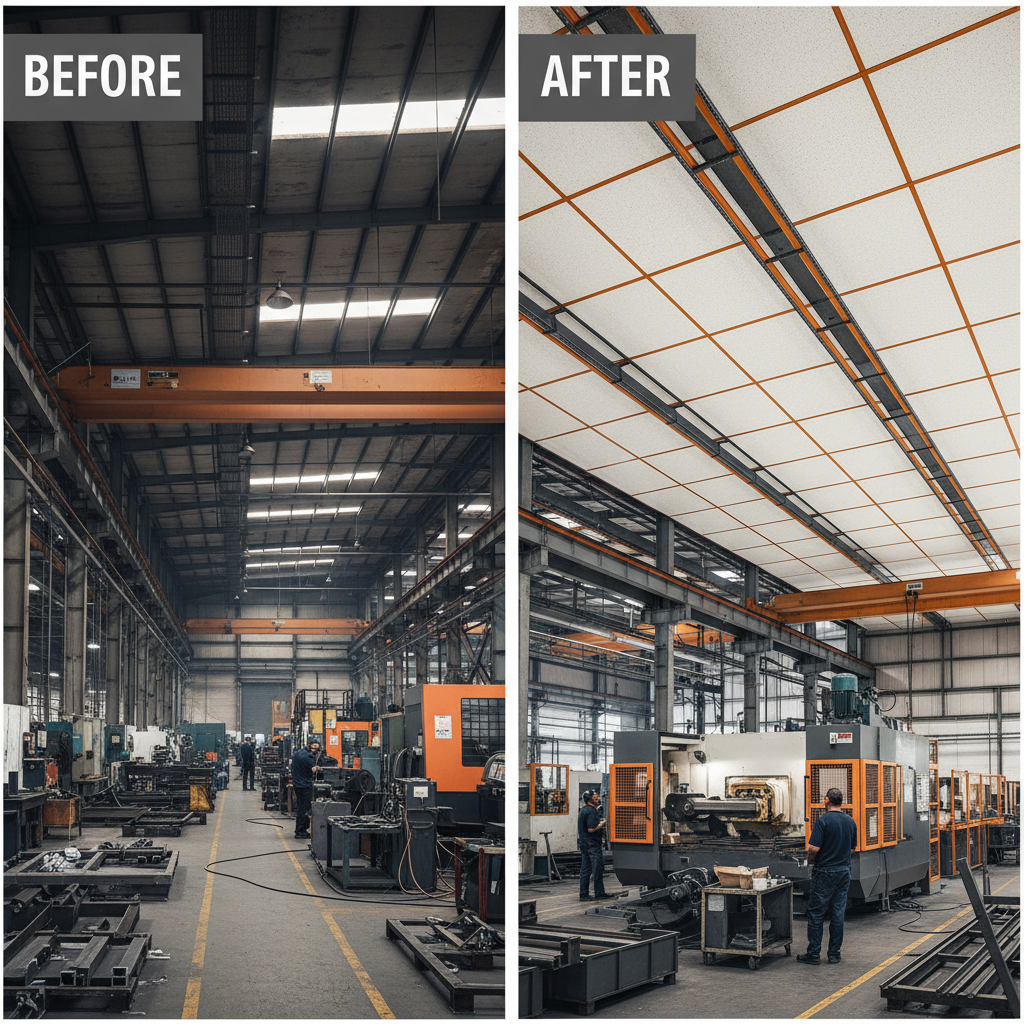
Beyond the office, these systems are critical in industrial zones and large-scale warehouses. In environments where heavy machinery creates constant low-frequency hums, mineral fiber panels help dampen the noise, reducing worker fatigue and improving safety by ensuring that warning signals and verbal communications are audible above the machinery.
Long-Term Value and Sustainability
The long-term value of a mineral fiber acoustic ceiling extends far beyond its initial installation. From a financial perspective, the thermal properties of mineral fiber reduce the load on HVAC systems, leading to lower energy bills for building owners. This operational efficiency, combined with the material's long lifespan, ensures a high return on investment over the building's lifecycle.
Sustainability is now a core driver in the manufacturing of these products. Modern mineral fiber ceilings often incorporate a high percentage of recycled content, such as blast furnace slag and recycled paper. This shift toward a circular economy reduces the environmental footprint of the construction industry and helps projects achieve LEED or BREEAM certifications.
Psychologically, the impact of a well-tuned acoustic environment cannot be overstated. By reducing noise stress, these ceilings promote a sense of dignity and professionalism in the workplace. When a space feels quiet and controlled, users feel more valued and secure, fostering a culture of innovation and trust within an organization.
Future Trends in Acoustic Ceiling Technology
The future of the mineral fiber acoustic ceiling is leaning heavily toward "smart" integration. We are seeing the emergence of panels that can integrate seamlessly with IoT sensors for lighting and climate control, turning the ceiling into a digital nervous system for the building. This automation allows for real-time adjustments to the environment based on occupancy and noise levels.
Furthermore, advancements in bio-based binders are replacing traditional chemicals, making mineral fiber ceilings even more eco-friendly. The goal is to achieve a fully biodegradable or infinitely recyclable ceiling panel that maintains the same rigid acoustic performance. This evolution is driven by global policies aimed at carbon neutrality by 2050.
We also expect to see more customized 3D geometries in mineral fiber designs. Rather than standard flat tiles, future ceilings will use algorithmic design to create shapes that optimize sound diffusion for specific room dimensions, blending high-art sculpture with high-end acoustic engineering.
Analysis of Future Mineral Fiber Acoustic Ceiling Developments
| Innovation Driver |
Technical Shift |
Expected Impact |
Sustainability Score (1-10) |
| Smart Integration |
IoT Sensor Embedding |
Adaptive Energy Use |
8 |
| Eco-Binders |
Bio-Polymer Resin |
Zero VOC Emissions |
10 |
| 3D Modeling |
Parametric Geometry |
Precision Sound Diffusion |
7 |
| Circular Economy |
100% Recycled Slag |
Reduced Landfill Waste |
9 |
| Hybrid Materials |
Fiber + Aerogel |
Extreme Thermal Control |
6 |
| Modular Assembly |
Clip-in Rapid Systems |
Lower Install Labor |
8 |
FAQS
While a standard drop ceiling refers to the suspension method, a mineral fiber acoustic ceiling specifically refers to the material used for the panels. Mineral fiber panels are engineered for sound absorption (NRC), whereas standard tiles (like some PVC or gypsum options) may only provide a visual cover and could actually reflect sound, increasing echo within a room.
Yes, they are highly recommended for healthcare settings. High-quality mineral fiber ceilings offer excellent acoustic dampening to ensure patient privacy and reduce the stress caused by hospital noise. Additionally, many are treated with antimicrobial coatings and possess high fire-resistance ratings to meet strict medical safety codes.
Standard mineral fiber can be susceptible to humidity, but specialized moisture-resistant versions are available. These panels are treated with a water-repellent coating that prevents the fibers from absorbing moisture, ensuring the ceiling remains flat and structurally sound even in humid climates or near restroom areas.
The required NRC depends on the room's volume and the number of hard surfaces. Generally, for open-plan offices, an NRC of 0.70 or higher is recommended. This means the ceiling absorbs 70% of the sound that hits it, significantly reducing noise distractions and improving speech clarity.
Actually, they are among the fastest ceiling systems to install. Because they use a modular grid system, the panels can be quickly dropped into place. This modularity also allows for easy replacement of individual tiles if they become damaged, making them highly cost-effective for long-term maintenance.
Modern mineral fiber acoustic ceilings are very sustainable. They frequently utilize recycled industrial waste, such as slag wool, and are designed for longevity. Many manufacturers now focus on low-VOC (Volatile Organic Compound) emissions to improve indoor air quality, making them a green choice for modern construction.
Conclusion
In summary, the mineral fiber acoustic ceiling is a cornerstone of modern architectural engineering, blending acoustic precision with practical utility. By mastering the balance between NRC and CAC, and prioritizing fire safety and sustainability, these systems transform the sonic profile of a building. From corporate offices to industrial zones, the ability to control sound is directly linked to human productivity and wellbeing.
Looking ahead, the integration of smart technology and bio-materials will only enhance the value of these systems. For developers and architects, the shift toward "healthy buildings" means that acoustic treatment is no longer an optional luxury but a fundamental requirement. We encourage you to prioritize high-performance mineral fiber solutions to ensure your spaces are not only visually stunning but sonically optimized. Visit our website for more professional solutions: www.xingyuanceilings.com