
Mar . 28, 2026 02:25 Back to list
Exploring the Benefits of Suspended Mineral Fibre Ceiling Systems for Modern Buildings
Understanding Suspended Mineral Fibre Ceiling Systems
Suspended mineral fibre ceilings are a popular choice for both commercial and residential spaces, offering a blend of aesthetic appeal, acoustic performance, and fire resistance. This article delves into the benefits, applications, installation considerations, and maintenance of suspended mineral fibre ceiling systems, providing a comprehensive guide for architects, contractors, and building owners. Choosing the right ceiling system can significantly impact the comfort, safety, and overall value of a building.
The Benefits of Mineral Fibre Ceiling Tiles
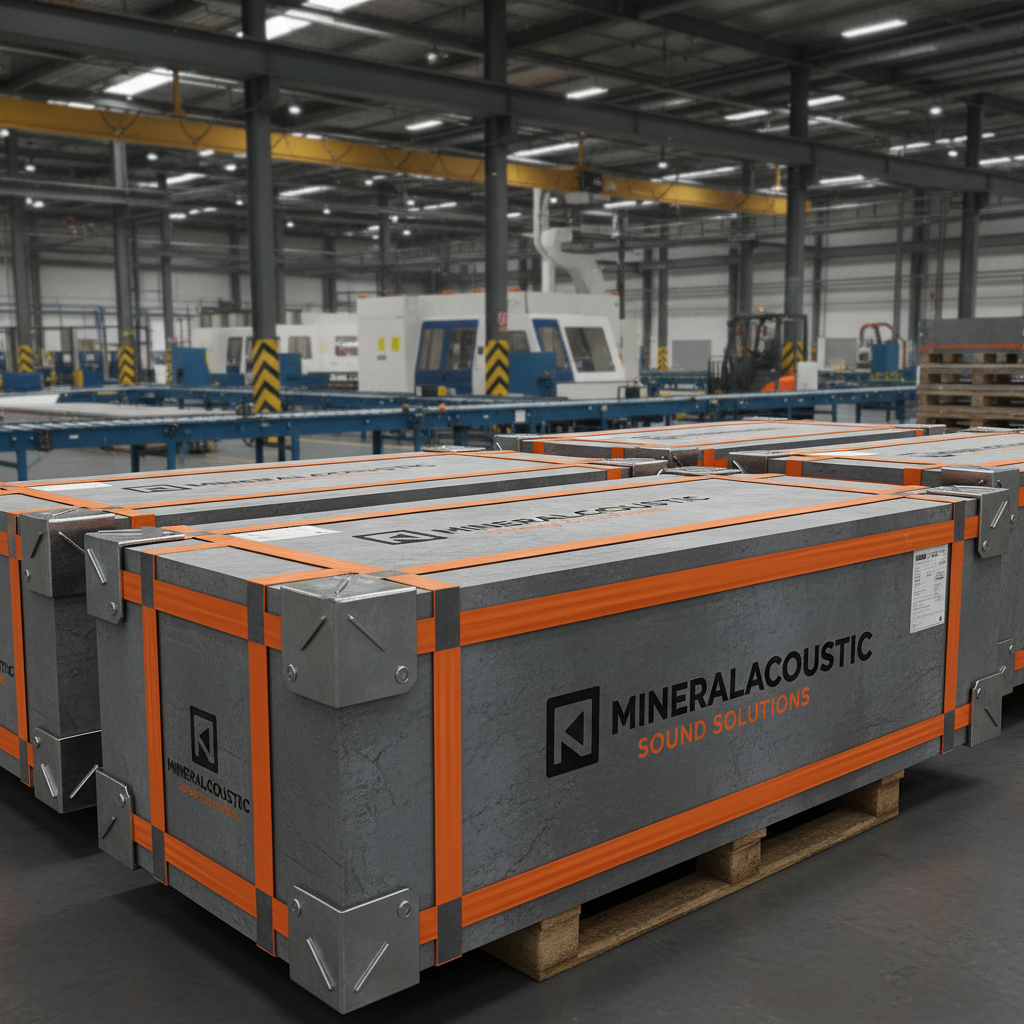
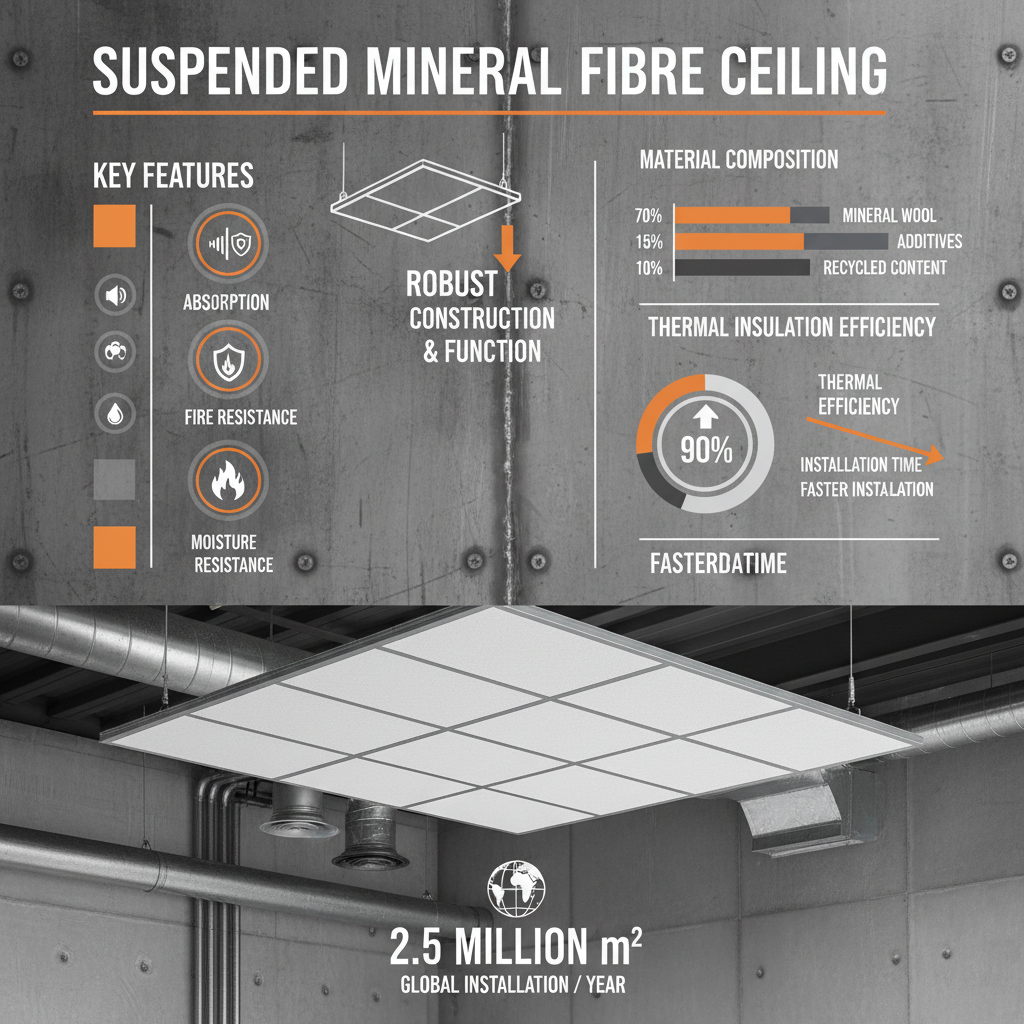
Mineral fibre ceiling tiles offer numerous advantages, making them a preferred choice for a wide range of projects. Their excellent acoustic properties reduce noise levels, creating a more comfortable and productive environment. Furthermore, they provide significant fire resistance, enhancing building safety. Mineral fibre is also a sustainable material, often containing recycled content. Beyond functionality, these tiles offer a clean, modern aesthetic that complements various interior design styles. The light reflectivity also contributes to brighter, more energy-efficient spaces.
Key Highlights: Excellent acoustic performance, superior fire resistance, sustainable material, aesthetically pleasing, and contributes to energy efficiency.
Applications of Suspended Mineral Fibre Ceilings
Mineral fibre ceilings are incredibly versatile and suitable for a variety of applications. They are commonly used in offices, schools, hospitals, retail spaces, and residential buildings. Their acoustic properties make them ideal for environments where noise control is critical, such as call centers and classrooms. The fire resistance of mineral fibre tiles is particularly important in public buildings and corridors. Their ability to conceal ductwork, wiring, and other mechanical systems contributes to a cleaner, more streamlined appearance. The availability in a wide range of textures and patterns allows for design flexibility.
Common Applications:
• Offices and Commercial Buildings
• Educational Institutions (Schools & Universities)
• Healthcare Facilities (Hospitals & Clinics)
• Retail Spaces & Stores
Comparing Mineral Fibre to Other Ceiling Materials
When choosing a ceiling system, it’s important to consider the alternatives. While gypsum board ceilings are cost-effective, they lack the acoustic and fire-resistant properties of mineral fibre. Metal ceilings offer durability but can be more expensive and less forgiving in terms of sound absorption. Wood ceilings provide a natural aesthetic but require more maintenance. Mineral fibre strikes a balance, offering a good combination of performance, cost, and aesthetics. Selecting the best material depends on your specific project requirements and budget.
Installation Considerations for Mineral Fibre Ceilings
Proper installation is crucial to ensure the performance and longevity of a suspended mineral fibre ceiling. The ceiling grid system must be level and securely supported. Tiles should be installed according to the manufacturer's instructions, ensuring a tight fit without gaps. Care should be taken to avoid damaging the tiles during installation. It’s often recommended to use professionals experienced in installing suspended ceiling systems for optimal results. Considerations include adequate lighting and proper ventilation to prevent moisture buildup.
Maintenance and Care of Mineral Fibre Ceilings
Maintaining a mineral fibre ceiling is relatively straightforward. Regular dusting with a soft cloth or vacuum cleaner with a brush attachment will remove accumulated dust and debris. Avoid using harsh cleaning chemicals, as they can damage the tile surface. For stubborn stains, a mild detergent solution can be used, but always test in an inconspicuous area first. Promptly address any water leaks to prevent staining or sagging. Regular inspection and cleaning will help preserve the appearance and performance of your ceiling system. For more information on specific maintenance requirements, consult the manufacturer's guidelines. Xingyuan Ceilings offers detailed care instructions for their products.
Conclusion: A Versatile and Reliable Ceiling Solution
Suspended mineral fibre ceilings provide a compelling combination of performance, aesthetics, and cost-effectiveness. Their acoustic properties, fire resistance, and ease of maintenance make them a suitable choice for a wide range of applications. By carefully considering installation requirements and following proper maintenance procedures, you can enjoy the benefits of a beautiful and functional ceiling system for years to come.
Frequently Asked Questions (FAQs)
What is the Noise Reduction Coefficient (NRC) of mineral fibre ceiling tiles?
The Noise Reduction Coefficient (NRC) measures a material's ability to absorb sound. Mineral fibre ceiling tiles typically have NRC values ranging from 0.50 to 0.70, with higher values indicating better sound absorption. The specific NRC will depend on the tile's density, thickness, and surface texture. This makes them highly effective in reducing reverberation and noise levels in various environments. Consult the product specifications for the exact NRC value of a particular tile.
Are mineral fibre ceiling tiles moisture resistant?
While mineral fibre tiles aren't waterproof, they do possess a degree of moisture resistance. They can withstand moderate humidity levels without significant degradation. However, prolonged exposure to direct water or high humidity can cause sagging or damage. It's crucial to address any water leaks promptly and ensure adequate ventilation to prevent moisture buildup. Some mineral fibre tiles are specifically treated for enhanced moisture resistance, making them suitable for use in bathrooms or other damp environments.
How do I choose the right size and style of mineral fibre ceiling tiles?
The size and style of ceiling tiles will depend on your design preferences and the existing grid system. Common sizes include 2'x2' and 2'x4'. Consider the room's dimensions and the desired aesthetic. Mineral fibre tiles are available in a variety of textures and patterns, ranging from smooth to textured. Xingyuan Ceilings offers a wide selection of tiles to suit different styles and budgets. It's recommended to consult with an architect or interior designer to ensure the best results.
Are mineral fibre ceiling tiles environmentally friendly?
Yes, mineral fibre ceiling tiles are generally considered an environmentally friendly option. They are often manufactured using recycled materials, such as slag wool and reclaimed paper. The manufacturing process typically requires less energy compared to other ceiling materials. Furthermore, they are recyclable at the end of their life cycle. Choosing mineral fibre tiles can contribute to LEED certification and other green building initiatives.
-
Benefits and Guide of Mineral Fiber Ceiling Board for InteriorsNewsApr.16,2026
-
Modern Mineral Fiber Ceiling Solutions for Acoustic PerformanceNewsApr.09,2026
-
Mineral Fibre Board Ceiling vs Gypsum Board A Comprehensive Comparison GuideNewsApr.07,2026
-
Comprehensive Guide to Mineral Fiber Ceiling Specification and PerformanceNewsApr.04,2026
-
What Are Mineral Fiber Ceiling Tiles Made Of And Their ApplicationsNewsMar.31,2026