
Feb . 24, 2026 11:00 Back to list
Comprehensive Guide to Selecting the Best Fibre for Ceiling Applications
Choosing the Right Fibre for Ceiling: A Comprehensive Guide
Selecting the appropriate fibre for ceiling applications is crucial for achieving optimal acoustic performance, fire resistance, and aesthetic appeal. This guide explores the different types of ceiling fibre available, their benefits, applications, and factors to consider when making a selection. Understanding these nuances ensures a high-quality, long-lasting ceiling solution. We will delve into material properties and their impact on your project's success.
Understanding Different Types of Fibre for Ceiling
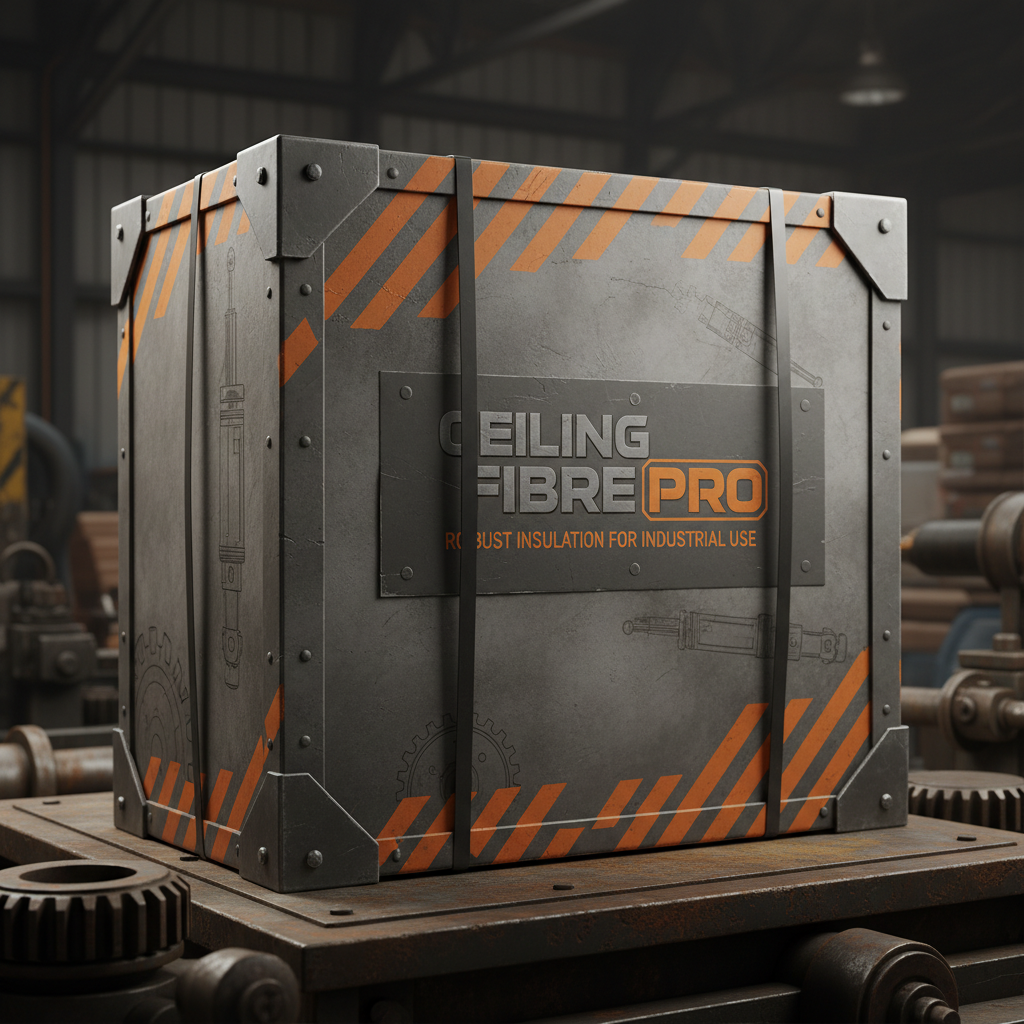
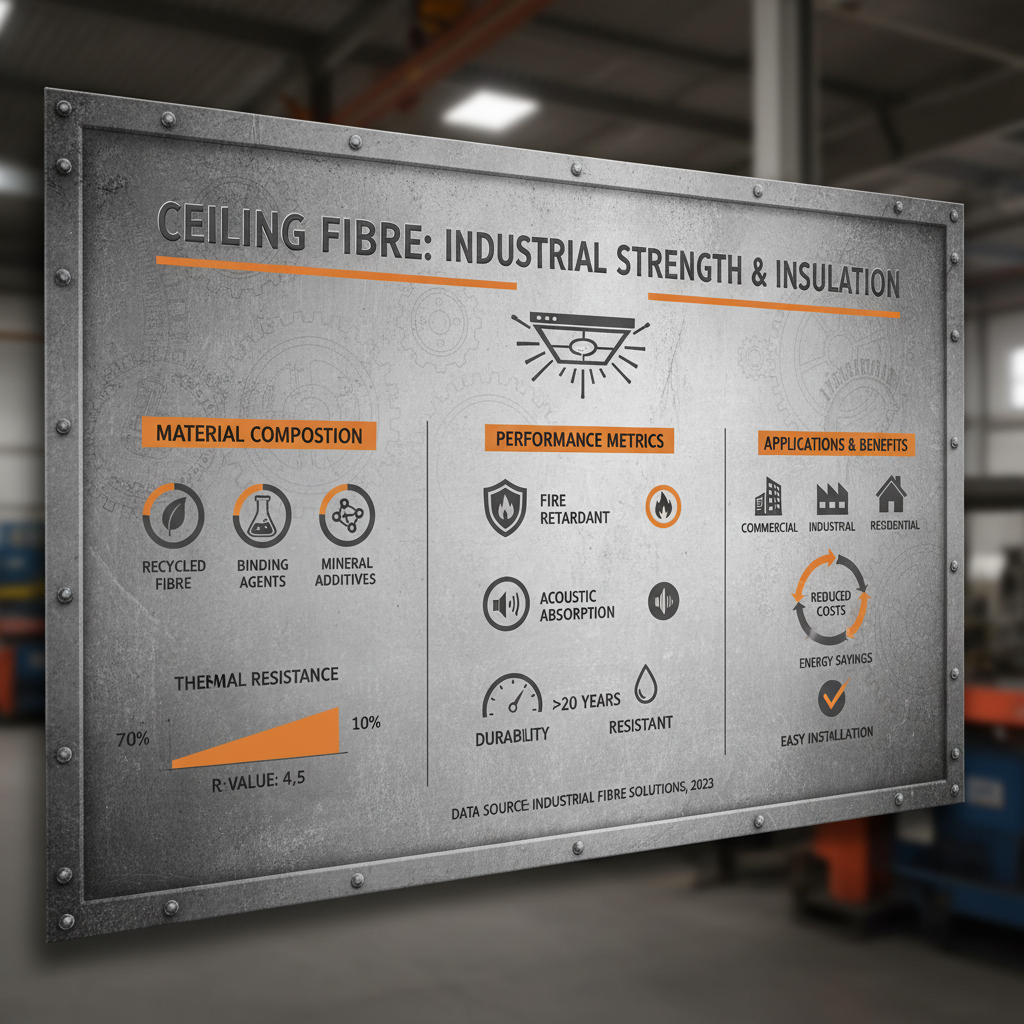
The market offers several types of ceiling fibre, each with unique characteristics. Mineral fibre, commonly made from recycled glass or rock, provides excellent acoustic absorption and fire resistance. Glass fibre is known for its high soundproofing properties and moisture resistance. Polyester fibre, a synthetic option, is lightweight, offers good acoustic performance and is often more sustainable. Finally, wood fibre provides a natural aesthetic and good thermal insulation, although it may require additional fire retardant treatment. The choice depends on the specific requirements of your space and budget. Consider factors like room usage, desired sound control, and local building codes.
Key Considerations: Acoustic performance, fire resistance, moisture resistance, sustainability, cost, and aesthetic preferences all play a vital role in selecting the right fibre for your ceiling project.
Acoustic Performance of Different Fibre for Ceiling Materials
Acoustic performance is a key factor when choosing ceiling fibre, particularly in spaces where sound control is crucial, such as offices, classrooms, or recording studios. Different materials offer varying levels of sound absorption, measured by the Noise Reduction Coefficient (NRC). Higher NRC values indicate better sound absorption. Mineral fibre generally boasts an NRC of 0.60-0.70, while glass fibre can reach up to 0.80. Polyester fibre typically falls between 0.70 and 0.90. Wood fibre, without treatment, generally has lower NRC values but can be improved with acoustic backing. Selecting a material with an appropriate NRC value will significantly contribute to a more comfortable and productive environment.
NRC Values & Sound Absorption:
• Higher NRC = Better Sound Absorption
• Mineral Fibre: 0.60-0.70
• Glass Fibre: Up to 0.80
• Polyester Fibre: 0.70-0.90
Fire Resistance: Comparing Fibre for Ceiling Options
Fire safety is paramount when selecting ceiling materials. Mineral fibre and glass fibre are inherently fire-resistant due to their composition, often achieving Class A fire ratings. This means they can withstand high temperatures and resist flame spread. Polyester fibre typically requires fire retardant treatment to achieve similar fire safety standards. Wood fibre, being a combustible material, necessitates thorough fire retardant treatment to meet building code requirements. Always verify that the chosen fibre meets local fire safety regulations and specifications before installation.
Applications of Fibre for Ceiling in Various Settings
The applications of ceiling fibre are diverse, ranging from residential buildings to commercial complexes. Mineral fibre is commonly used in offices and schools due to its acoustic properties and fire resistance. Polyester fibre is ideal for spaces requiring high humidity resistance, such as bathrooms and kitchens. Wood fibre ceilings add a touch of natural elegance to living rooms and bedrooms. Xingyuan Ceilings offers solutions for a wide range of applications, ensuring optimal performance and aesthetic integration.
Product Specifications and Installation Considerations
When selecting fibre for your ceiling, it’s important to consider product specifications, such as size, thickness, and density. These specifications will impact the installation process and overall performance. Proper installation is critical to ensure optimal acoustic and fire performance. It’s recommended to follow the manufacturer’s guidelines and consult with a qualified installer. Ensure the substrate is level and prepared before installation, and use appropriate suspension systems for secure mounting.
Conclusion: Investing in Quality Fibre for Ceiling
Choosing the right fibre for ceiling is a crucial decision that impacts the functionality, safety, and aesthetics of your space. By carefully considering the factors outlined in this guide, you can select a material that meets your specific needs and budget. Xingyuan Ceilings provides a wide range of high-quality fibre ceiling solutions and expert guidance to help you make the best choice for your project.
Frequently Asked Questions (FAQs)
What is the difference between mineral fibre and glass fibre ceilings?
Both mineral and glass fibre ceilings offer excellent acoustic and fire-resistant properties, but they differ in composition and specific characteristics. Mineral fibre is typically made from recycled materials, making it a more sustainable option. Glass fibre generally has higher sound absorption capabilities and is more resistant to moisture. The choice depends on your priorities – sustainability, soundproofing, or moisture resistance.
How do I determine the appropriate NRC value for my space?
The appropriate NRC value depends on the intended use of the space. For offices and classrooms, an NRC of 0.60-0.70 is generally sufficient to reduce noise levels and improve speech intelligibility. For spaces requiring more significant sound control, such as recording studios or home theaters, an NRC of 0.80 or higher is recommended. Consider the types of sounds you need to control and the desired level of quietness when selecting an NRC value.
Is polyester fibre a sustainable option?
Yes, polyester fibre is often considered a sustainable option because it is frequently made from recycled plastic bottles. This helps reduce landfill waste and conserves resources. Additionally, polyester fibre is lightweight, reducing transportation costs and environmental impact. However, it's important to note that it may require fire retardant treatment depending on the application.
What maintenance is required for fibre ceilings?
Fibre ceilings generally require minimal maintenance. Regular dusting with a soft brush or vacuum cleaner with a brush attachment is usually sufficient to remove dust and debris. Avoid using harsh cleaning chemicals or abrasive materials, as they can damage the surface. For stains, gently wipe with a damp cloth and mild detergent.
-
Benefits and Guide of Mineral Fiber Ceiling Board for InteriorsNewsApr.16,2026
-
Modern Mineral Fiber Ceiling Solutions for Acoustic PerformanceNewsApr.09,2026
-
Mineral Fibre Board Ceiling vs Gypsum Board A Comprehensive Comparison GuideNewsApr.07,2026
-
Comprehensive Guide to Mineral Fiber Ceiling Specification and PerformanceNewsApr.04,2026
-
What Are Mineral Fiber Ceiling Tiles Made Of And Their ApplicationsNewsMar.31,2026
-
Exploring the Benefits of Suspended Mineral Fibre Ceiling Systems for Modern BuildingsNewsMar.28,2026