
Dec . 08, 2025 06:45 Back to list
Comprehensive Guide to Suspended Ceiling Grid Systems: Global Uses & Benefits
Understanding Suspended Ceiling Grid Systems: A Global Perspective
If you’ve ever walked into a modern office, school, or hospital, you’ve probably noticed the grid-like pattern of panels overhead—those are suspended ceiling grid systems at work. They might seem like a simple design choice, but these systems play an essential role beyond aesthetics. Globally, suspended ceiling grid systems help optimize acoustics, improve energy efficiency, hide infrastructure, and create flexible interiors. In a world increasingly focused on sustainability and adaptable spaces, understanding these systems feels quite important—and frankly, they are everywhere you might not expect.
Why Should We Care About Suspended Ceiling Grid Systems?
Suspended ceilings don’t just hide unsightly pipes and wires; they provide benefits that resonate internationally. For instance, the United Nations Office for Project Services (UNOPS) regularly mentions modern construction materials' relevance to energy-saving policies. According to the International Organization for Standardization (ISO), ceiling systems contribute significantly to thermal comfort and acoustic regulation—important in everything from classrooms in Nordic countries to hospitals in Southeast Asia.
However, challenges arise in standardizing these systems globally due to differing climate needs, materials availability, and budget constraints. For architects and engineers aiming to build smarter, more sustainable environments, knowing about suspended ceiling grid systems means better-informed choices.
What Are Suspended Ceiling Grid Systems?
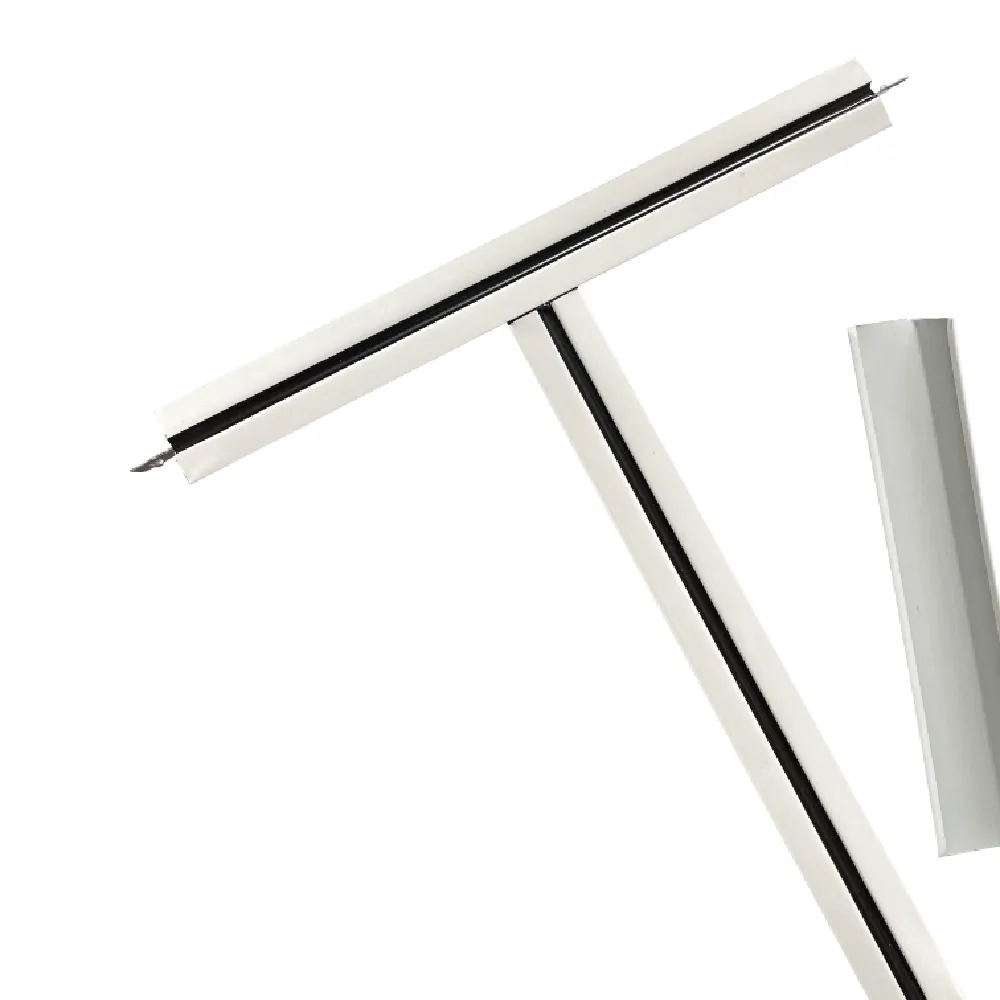
At its core, a suspended ceiling grid system is a framework made of metal (usually aluminum or steel) that hangs below the structural ceiling. It holds various panels or tiles that form the visible “ceiling.” This creates a plenum—a hidden cavity—ideal for running cables, ductwork, or insulating material.
In industries like healthcare or education, these grids not only improve the room’s acoustics but also allow easy access for maintenance. From humanitarian projects to corporate offices, suspended ceilings offer practical solutions to infrastructural complexity.
Core Components: What Makes Suspended Ceiling Grid Systems Work?
1. Durability
Most grids are made from galvanized steel or powder-coated aluminum, which resist corrosion and damage. Durability ensures long service life—critical in regions with high humidity or industrial pollutants.
2. Scalability
These systems come in modular sizes—commonly 600x600 mm or 1200x600 mm—which makes them easy to scale or reconfigure. I’ve seen many facilities adapt their interiors simply by swapping out a few panels.
3. Acoustic Performance
Specialized tiles with absorptive materials significantly reduce noise, an essential factor in open offices and classrooms.
4. Cost Efficiency
Compared to building new walls or extensive drywall ceilings, suspended grids are budget-friendly and quicker to install.
5. Fire Resistance and Safety
Many tiles have fire-retardant ratings, helping buildings to comply with fire safety codes, especially important in hospitals or public buildings.
6. Aesthetic Flexibility
From plain white to textured or metallic finishes, there’s a broad palette to suit design tastes, while still maintaining functionality.
Mini Takeaway:
Suspended ceiling grid systems’ components combine practicality with design, offering customizable, robust, and cost-effective solutions for many building types.
Global Applications & Real World Use Cases
- Post-Disaster Relief: Rapidly deployable suspended ceilings help create dignified shelters that are safer and more comfortable.
- Healthcare: Hospitals in Europe often use antimicrobial ceiling tiles integrated with grids for hygiene and easy access to infrastructure.
- Education: Schools from North America to Asia rely on acoustic ceiling tiles within grids to improve concentration by reducing noise.
- Industrial Zones: Suspended ceilings in factories can obscure complex machinery wiring while being resistant to chemicals and dust.
One interesting example: after the 2015 Nepal earthquake, modular suspended ceilings formed part of temporary clinic builds, emphasizing quick assembly and durability in tough environments.
Advantages & Long-Term Value of Suspended Ceiling Grid Systems
When you think about it, the value goes beyond simple covers. These systems significantly improve energy efficiency by creating a thermal buffer zone, reducing HVAC load. That equates to lower bills and less environmental impact. Emotionally, they provide a sense of order and neatness, which is crucial in professional spaces—instilling trust and comfort.
Socially, they allow for easier upgrades and repairs without major disruptions, reflecting sustainability by extending building lifespan. As architects and facility managers often note, they enable innovation by making spaces adaptable—important in a world where work environments change fast.
Future Trends & Innovations in Suspended Ceiling Grid Systems
Looking ahead, we’re seeing exciting advances like integrating LED lighting directly into ceiling tiles, and incorporating smart sensors for air quality and occupancy. Materials science is pushing lightweight, recycled composites that reduce carbon footprints. Automation in installation—robotic arms assisting in grid layout—is already gaining traction in large projects.
Green construction rules worldwide will continue to elevate suspended ceilings’ value not just as functional elements but as contributors to net-zero buildings.
Challenges & Practical Solutions
Despite their popularity, suspended ceiling grid systems face challenges: installation errors might cause misalignment; low-quality tiles can sag or discolor; regional availability of fire-rated materials varies. Yet, adopting strict installation protocols and sourcing from reputable vendors solves most issues.
Many experts recommend training for installers and specifying products tailored to local environments. More manufacturers are expanding global supply chains, which helps address materials shortages and custom needs.
Product Specification Table
| Feature | Standard Grid System | Acoustic Enhanced System |
|---|---|---|
| Material | Galvanized Steel | Aluminum + Mineral Fiber Tiles |
| Tile Size | 600x600 mm | 600x600 mm |
| Fire Resistance | Class A | Class A+ |
| Installation Time | Standard (4 hrs / 100 m²) | Extended (5 hrs / 100 m²) |
| Acoustic Performance | Basic Sound Absorption | High NRC (0.75) |
Vendor Comparison: Leading Suspended Ceiling Grid System Suppliers
| Vendor | Product Range | Price Level | Geographical Reach | Customization Options |
|---|---|---|---|---|
| Xingyuan Ceilings | Standard & Acoustic Systems | Competitive | Asia, Europe, Americas | High (Colors, Sizes) |
| Global Grid Co. | Premium Acoustic Tiles | High | North America, Europe | Medium |
| EcoCeil Systems | Recycled Material Grids | Moderate | Global | High (Sustainability Focus) |
FAQ: Common Questions About Suspended Ceiling Grid Systems
- Q1: How easy is it to install suspended ceiling grid systems in existing buildings?
- A1: Installation is relatively straightforward, especially in modular buildings. The grid hangs from the existing ceiling structure, allowing quick retrofitting without major demolition. Proper training ensures alignment and safety.
- Q2: What maintenance is required for suspended ceiling grid systems?
- A2: Maintenance mostly involves replacing damaged or stained tiles, periodic inspection of the suspension wires, and clearing any debris in the plenum. The grids themselves usually last years without much upkeep.
- Q3: Are suspended ceiling grid systems energy efficient?
- A3: Yes, suspended ceilings create an air space that can improve insulation and decrease heating or cooling loads. Coupling with insulated tiles can further enhance efficiency, reducing energy bills significantly.
- Q4: Can suspended ceiling tiles improve acoustics?
- A4: Absolutely. Acoustic ceiling tiles designed for sound absorption can reduce noise reverberation and enhance speech clarity in busy rooms like offices or classrooms.
- Q5: Are there eco-friendly options available?
- A5: Increasingly so. Many manufacturers offer tiles made from recycled materials and grids with low VOC coatings. Choosing such products aligns with sustainable building certifications like LEED.
Conclusion
To sum up, suspended ceiling grid systems stand as a quietly powerful cornerstone in contemporary construction. They blend durability, flexibility, and sustainability while meeting global demands for comfort, safety, and efficiency. As the world leans more into adaptable and green building solutions, these grid systems offer a solid, tested way forward. If you’re curious or planning a project, I’d say visit our website for expert guidance and quality systems. You won’t regret digging deeper into this often overlooked but indispensable element of modern design.
Oddly enough, something so “above our heads” truly holds up much more than just a ceiling.
Quick Takeaway:
Suspended ceiling grid systems are not merely decorative—they integrate form, function, and future-proofing into buildings worldwide.
References:
-
Benefits and Guide of Mineral Fiber Ceiling Board for InteriorsNewsApr.16,2026
-
Modern Mineral Fiber Ceiling Solutions for Acoustic PerformanceNewsApr.09,2026
-
Mineral Fibre Board Ceiling vs Gypsum Board A Comprehensive Comparison GuideNewsApr.07,2026
-
Comprehensive Guide to Mineral Fiber Ceiling Specification and PerformanceNewsApr.04,2026
-
What Are Mineral Fiber Ceiling Tiles Made Of And Their ApplicationsNewsMar.31,2026
-
Exploring the Benefits of Suspended Mineral Fibre Ceiling Systems for Modern BuildingsNewsMar.28,2026