
Apr . 09, 2026 02:15 Back to list
Modern Mineral Fiber Ceiling Solutions for Acoustic Performance
The Ultimate Guide to Mineral Fiber Ceiling Solutions for Modern Spaces
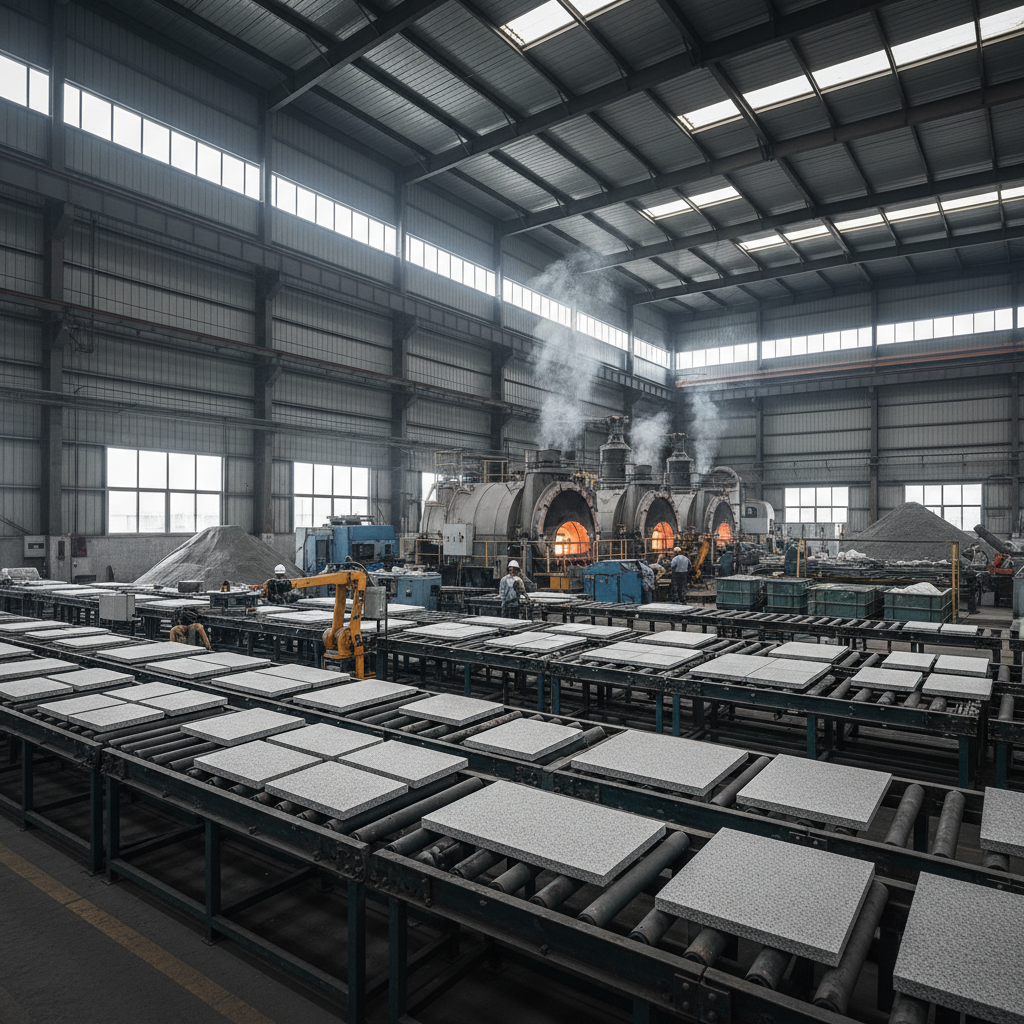
When designing a commercial or residential interior, the ceiling is often an overlooked element, yet it plays a critical role in acoustics, thermal insulation, and overall aesthetics. A mineral fiber ceiling offers a professional-grade solution that balances functionality with a clean, modern look. These ceilings are engineered from a blend of mineral wool, starch, and other binding agents, providing exceptional sound absorption and fire resistance. Whether you are renovating an office, a school, or a healthcare facility, understanding the nuances of these systems is key to achieving a sustainable and quiet environment. In this comprehensive guide, we will explore why this material remains the gold standard for architectural ceilings worldwide.
Unmatched Acoustic Performance of Mineral Fiber Ceiling
One of the primary reasons architects specify a mineral fiber ceiling is its superior Noise Reduction Coefficient (NRC). In open-plan offices or crowded hallways, sound echoes can lead to productivity loss and increased stress. The porous structure of mineral fiber tiles traps sound waves instead of reflecting them, significantly reducing ambient noise. This makes it an ideal choice for environments where clarity of speech and acoustic comfort are paramount. Beyond just absorbing sound, these ceilings help in isolating noise between floors, ensuring a peaceful atmosphere for everyone in the building.
Pro Tip: For maximum acoustic efficiency, choose tiles with a higher NRC rating (typically 0.70 or above) and ensure a proper grid installation to prevent sound leaks.
Durability and Fire Safety Standards
Safety is non-negotiable in commercial construction. A high-quality mineral fiber ceiling is inherently fire-resistant. Because the raw materials are inorganic, they do not fuel fires and often meet stringent Class A fire ratings. This property is vital for compliance with building codes and provides peace of mind for facility managers. Additionally, these tiles are designed to resist sagging and warping over time, even in environments with moderate humidity, ensuring that the ceiling remains flat and visually appealing for years to come.
Comparing Mineral Fiber Ceiling to Other Materials
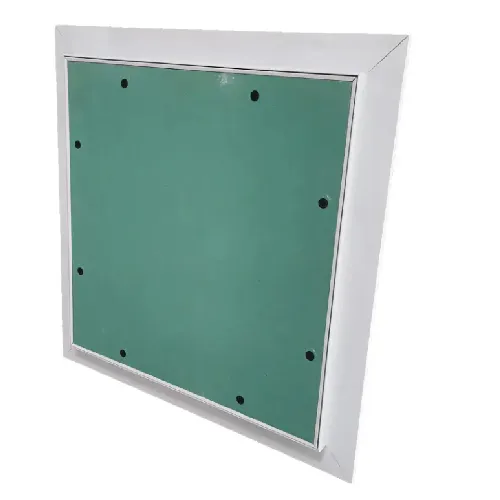
When choosing a ceiling system, it is essential to compare options. While gypsum boards offer a seamless look, they lack the acoustic properties and ease of access provided by a suspended mineral fiber ceiling. PVC ceilings are water-resistant but often fail to provide the same level of sound dampening or fire safety. The versatility of mineral fiber tiles—available in various textures and edge details—allows them to fit both industrial and high-end corporate aesthetics seamlessly.
Easy Installation and Maintenance
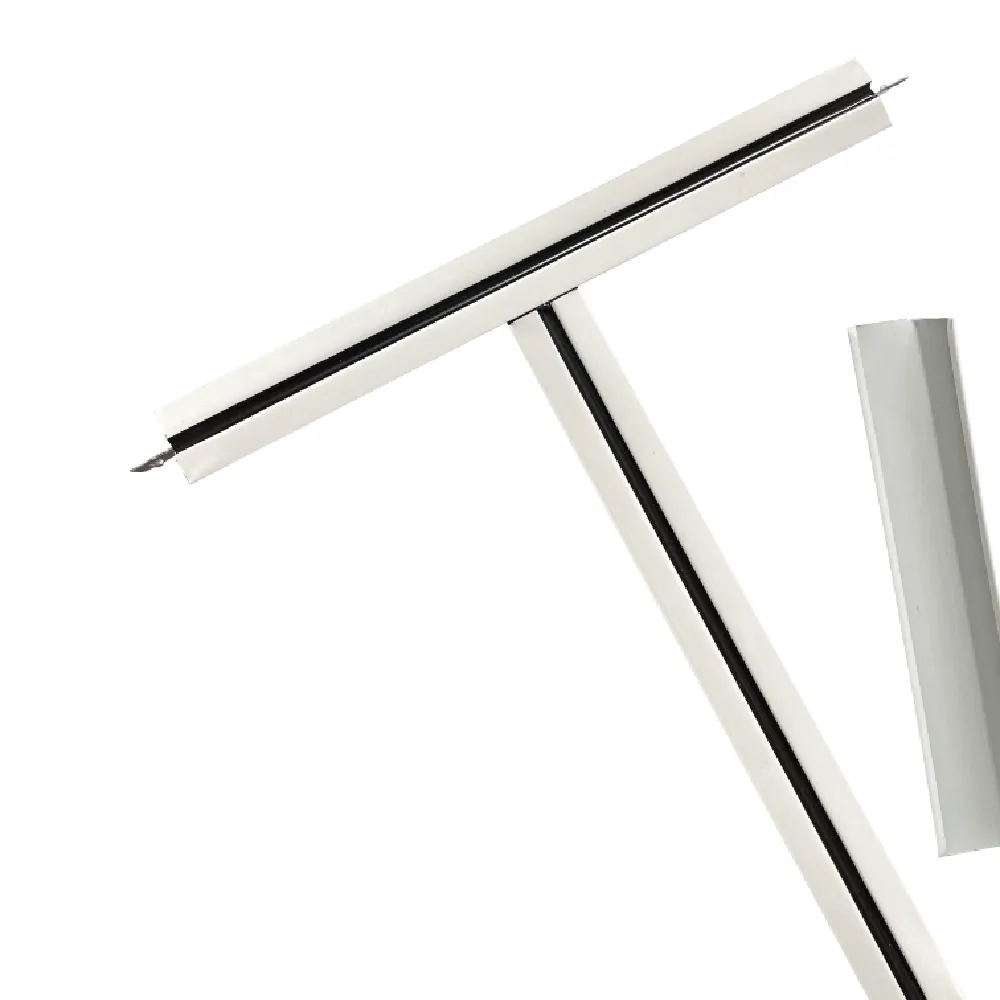
One of the most significant advantages of the mineral fiber ceiling is the ease of installation. These systems typically utilize a visible or concealed T-grid suspension system, allowing tiles to be dropped into place quickly. This modular approach is a lifesaver for facility managers because it provides immediate access to overhead utilities—such as electrical wiring, plumbing, and HVAC ducts—without the need to tear down walls or ceilings. Replacing a damaged tile is as simple as lifting the old one out and popping a new one in, drastically reducing long-term maintenance costs.
Technical Specifications of Mineral Fiber Ceiling
To ensure you select the right product for your specific project, it is important to review the technical data. Professional mineral fiber ceiling panels are categorized by their dimensions, density, and surface finish. Whether you need a "tegular" edge for a three-dimensional effect or a "square" edge for a flush look, the specifications determine both the aesthetic outcome and the performance levels. Below is a standard specification table for common industrial-grade panels.
Conclusion: Elevating Your Space with Mineral Fiber
Choosing a mineral fiber ceiling is more than just an aesthetic choice; it is a strategic investment in the health, safety, and productivity of your building's occupants. By combining industry-leading acoustic control, robust fire safety, and unparalleled ease of maintenance, these systems provide a comprehensive solution for any modern architecture project. Whether you are aiming for a corporate look or a functional industrial space, the reliability of mineral fiber remains unmatched. Explore the possibilities today and transform your overhead environment into a professional asset.
Frequently Asked Questions (FAQs)
Can mineral fiber ceilings be used in bathrooms or kitchens?
While standard mineral fiber tiles are excellent for most dry areas, they can be susceptible to moisture. However, many manufacturers produce "moisture-resistant" versions of the mineral fiber ceiling that are treated with water-repellent agents. For high-humidity areas like bathrooms or commercial kitchens, we strongly recommend choosing these specialized moisture-resistant tiles to prevent sagging and mold growth, ensuring the ceiling maintains its integrity over time.
How do I clean a mineral fiber ceiling?
Cleaning should be done carefully to avoid damaging the porous surface. For light dust, a vacuum cleaner with a soft brush attachment is the most effective tool. For more stubborn spots, a slightly damp cloth with a mild detergent can be used, but you must avoid soaking the tile, as excess water can cause permanent staining or structural weakness. If a tile becomes severely stained or damaged, the beauty of the modular system is that you can simply replace the individual tile rather than the entire ceiling.
What is the average lifespan of these ceiling systems?
A professionally installed mineral fiber ceiling can easily last 15 to 20 years if maintained properly. The lifespan depends largely on the environment; for example, ceilings in clean office environments last longer than those in industrial warehouses. Because the tiles are replaceable, the overall system lifespan is even longer, as you can refresh the look of a room by simply swapping out the tiles while keeping the existing T-grid structure intact.
Do mineral fiber ceilings help with energy efficiency?
Yes, they contribute significantly. Mineral fiber has natural thermal insulating properties that help maintain indoor temperatures, reducing the load on HVAC systems. By creating a thermal barrier between the room and the roof or the upper floor, they help keep spaces warmer in winter and cooler in summer. When combined with a proper layer of insulation above the tiles, a mineral fiber ceiling can noticeably lower energy costs for large commercial buildings.
-
Benefits and Guide of Mineral Fiber Ceiling Board for InteriorsNewsApr.16,2026
-
Mineral Fibre Board Ceiling vs Gypsum Board A Comprehensive Comparison GuideNewsApr.07,2026
-
Comprehensive Guide to Mineral Fiber Ceiling Specification and PerformanceNewsApr.04,2026
-
What Are Mineral Fiber Ceiling Tiles Made Of And Their ApplicationsNewsMar.31,2026
-
Exploring the Benefits of Suspended Mineral Fibre Ceiling Systems for Modern BuildingsNewsMar.28,2026