
Apr . 04, 2026 02:25 Back to list
Comprehensive Guide to Mineral Fiber Ceiling Specification and Performance
Mineral Fiber Ceiling Specification: A Comprehensive Guide
Understanding mineral fiber ceiling specification is crucial for architects, contractors, and building owners seeking optimal acoustic performance, fire safety, and aesthetic appeal. These ceilings are widely used in commercial, institutional, and residential buildings due to their versatile properties. This article provides a detailed overview of mineral fiber ceiling specifications, covering their composition, performance characteristics, installation guidelines, and benefits. Choosing the right specification ensures long-lasting performance and compliance with building codes.
What are Mineral Fiber Ceiling Tiles?
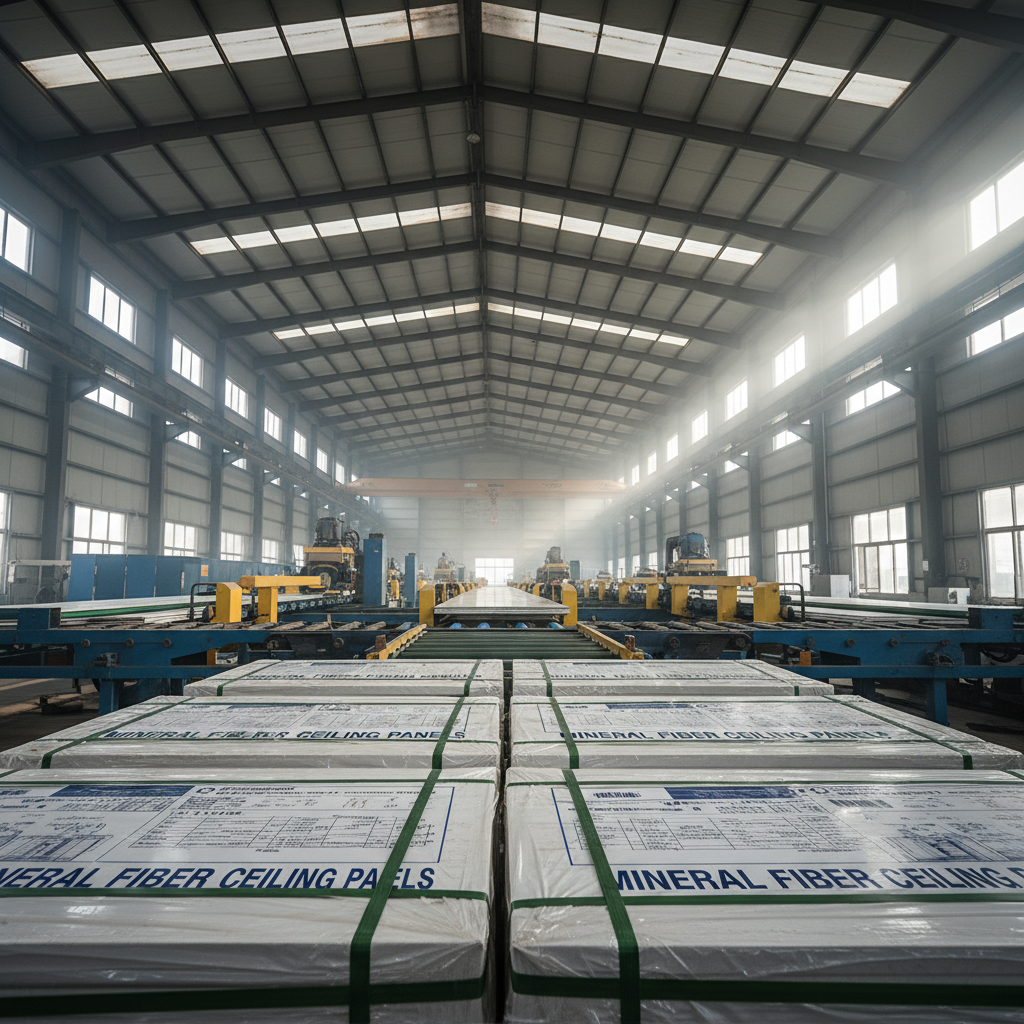
Mineral fiber ceiling tiles are manufactured from a combination of mineral wool, slag wool, and clay, bound together with a binder. This composition provides excellent sound absorption, fire resistance, and thermal insulation. They are available in a variety of textures, patterns, and sizes to suit different design aesthetics and functional requirements. Unlike some other ceiling materials, mineral fiber tiles are relatively lightweight, making installation easier and reducing structural load. They represent a cost-effective and environmentally friendly ceiling solution.
Key Highlights: Excellent sound absorption, fire resistance, and thermal insulation. Lightweight and cost-effective, making it an ideal choice for a variety of applications.
Key Mineral Fiber Ceiling Specification Parameters
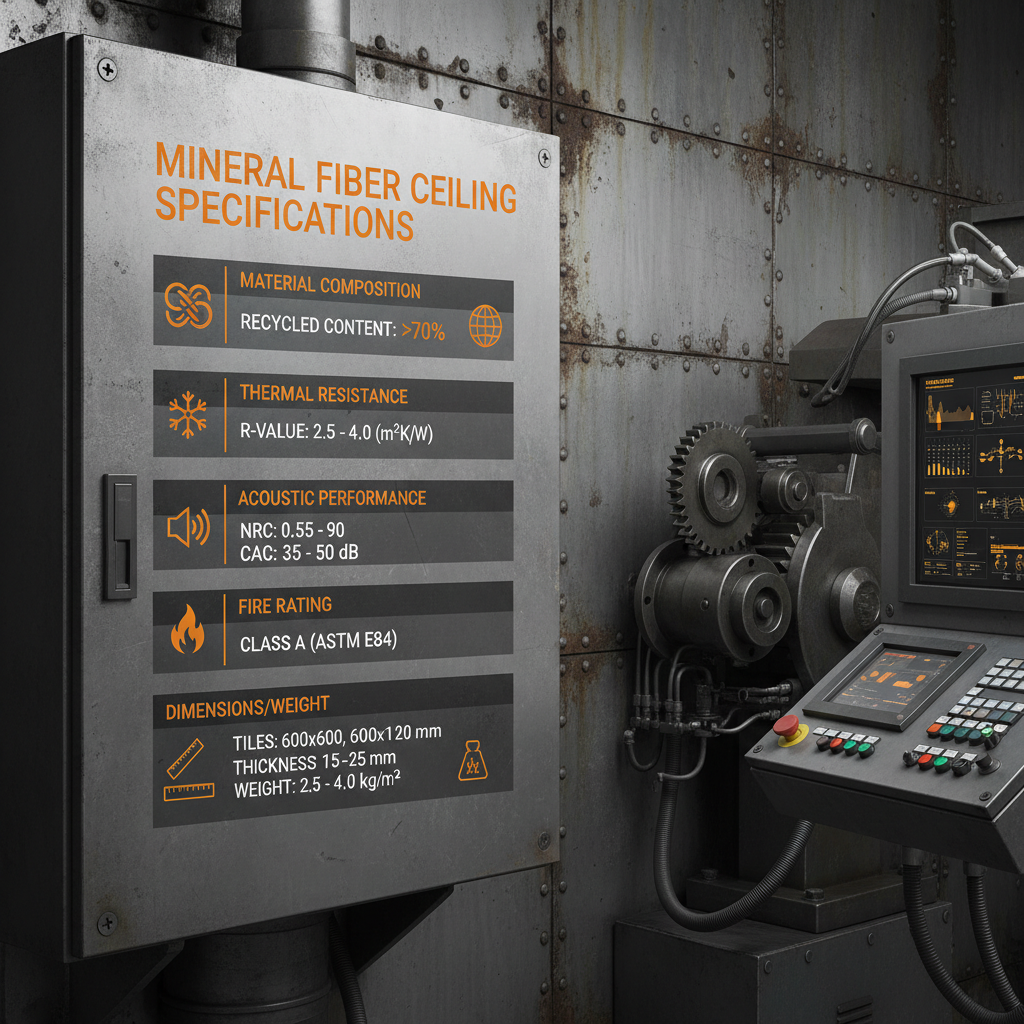
Several key parameters define the quality and performance of mineral fiber ceiling tiles. These include the Noise Reduction Coefficient (NRC), which measures sound absorption; the Fire Resistance Rating, indicating its ability to withstand fire; the Sag Resistance, which assesses its ability to maintain its shape under humidity; and the Thermal Resistance (R-value), demonstrating its insulating properties. Understanding these specifications is crucial for selecting the right tile for a specific application. Different environments require varying levels of performance, so careful consideration is essential.
Key Specification Parameters:
• Noise Reduction Coefficient (NRC)
• Fire Resistance Rating
• Sag Resistance
• Thermal Resistance (R-value)
Comparing Mineral Fiber to Other Ceiling Tiles
While several ceiling tile options exist, mineral fiber stands out for its unique combination of benefits. Compared to gypsum tiles, mineral fiber offers superior sound absorption and fire resistance. Compared to fiberglass tiles, mineral fiber generally has a lower cost and is easier to cut and install. Compared to metal ceilings, mineral fiber offers a warmer aesthetic and better thermal insulation. The best choice depends on the specific requirements of the project.
Installation Guidelines for Mineral Fiber Ceilings
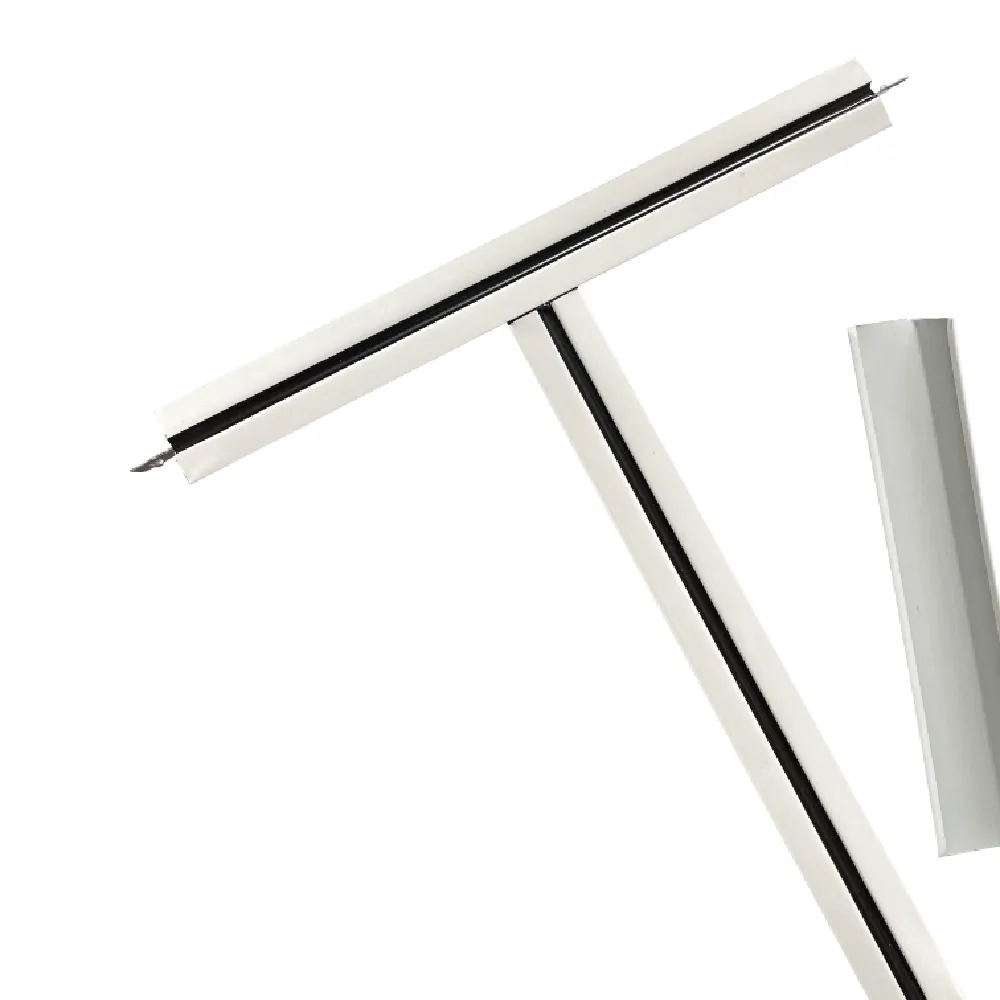
Proper installation is crucial for maximizing the performance of mineral fiber ceilings. The process typically involves installing a suspended grid system and then placing the tiles into the grid. Ensure the grid is level and securely fastened. When cutting tiles, use a fine-toothed saw to prevent splintering. Follow the manufacturer's instructions carefully for specific installation recommendations. Xingyuan Ceilings provides detailed installation guides and support for our mineral fiber products.
Product Specifications from Xingyuan Ceilings
At Xingyuan Ceilings, we offer a comprehensive range of mineral fiber ceiling tiles designed to meet diverse project needs. Our tiles are available in various sizes, thicknesses, and edge details.
Conclusion: Choosing the Right Mineral Fiber Ceiling
Selecting the correct mineral fiber ceiling specification is a vital step in creating a functional and aesthetically pleasing space. Consider factors like sound absorption needs, fire safety requirements, and the overall design intent. Xingyuan Ceilings is dedicated to providing high-quality mineral fiber solutions and expert guidance to help you achieve your project goals.
Frequently Asked Questions (FAQs)
What is the typical NRC value for mineral fiber ceiling tiles?
The Noise Reduction Coefficient (NRC) for mineral fiber ceiling tiles typically ranges from 0.50 to 0.75. This indicates the amount of sound energy the tile absorbs. A higher NRC value means better sound absorption. The specific NRC value depends on the tile's thickness, density, and surface texture. Selecting a tile with a higher NRC is recommended for spaces where noise control is critical, such as offices, classrooms, and recording studios.
Are mineral fiber ceiling tiles moisture resistant?
While mineral fiber tiles aren't completely waterproof, they exhibit good sag resistance in humid environments. However, prolonged exposure to high levels of moisture can lead to deterioration. For areas with high humidity, such as bathrooms or kitchens, it's recommended to use moisture-resistant mineral fiber tiles or consider alternative ceiling materials. Proper ventilation also helps to prevent moisture buildup.
How do I clean mineral fiber ceiling tiles?
Mineral fiber ceiling tiles are relatively easy to clean. Gently dust them with a soft brush or vacuum cleaner using a brush attachment. For minor stains, use a damp cloth with a mild detergent solution. Avoid using harsh chemicals or abrasive cleaners, as they can damage the tile's surface. Regular cleaning helps maintain the tile's appearance and performance.
What are the environmental benefits of using mineral fiber ceiling tiles?
Mineral fiber ceiling tiles are often made with recycled content, contributing to sustainable building practices. They are also recyclable at the end of their life cycle. Furthermore, their thermal insulation properties can reduce energy consumption, lowering heating and cooling costs. By choosing mineral fiber tiles, you can contribute to a more environmentally friendly building.
-
Modern Mineral Fiber Ceiling Solutions for Acoustic PerformanceNewsApr.09,2026
-
Mineral Fibre Board Ceiling vs Gypsum Board A Comprehensive Comparison GuideNewsApr.07,2026
-
What Are Mineral Fiber Ceiling Tiles Made Of And Their ApplicationsNewsMar.31,2026
-
Exploring the Benefits of Suspended Mineral Fibre Ceiling Systems for Modern BuildingsNewsMar.28,2026
-
SBI Micore 300 Mineral Fiber Board Properties Applications and BenefitsNewsMar.26,2026