
Nov . 29, 2025 16:25 Back to list
Ceiling Access Doors Drywall | Smart, Durable & Fire-Rated Solutions for Easy Maintenance
Ceiling Access Doors Drywall: Unlocking Efficiency Behind The Scenes
Imagine the hidden world above our ceilings — a network of wiring, plumbing, ventilation, and safety systems that keep buildings functional but rarely seen. Ceiling access doors drywall create the often overlooked doorway to that crucial underworld. While it might sound niche or even mundane, understanding these access points is surprisingly important on a global scale. From commercial high-rises to humanitarian housing, they strike a balance between accessibility, aesthetics, and safety.
Why the fuss? The industry faces a growing challenge to integrate maintenance-friendly yet visually seamless solutions that comply with international building codes and environmental standards. Plus, the surge in urban construction combined with retrofit demands makes ceiling access doors more than a convenience—they’re a building’s hidden backbone.
Mini takeaway: Ceiling access doors drywall are tiny but mighty—linking functionality with design and regulatory needs worldwide.
The Global Landscape of Ceiling Access Doors for Drywall Systems
Globally, the construction sector is booming. According to the United Nations, the world’s urban population is expected to reach 68% by 2050, driving demand for smarter and more maintainable buildings. Drywall ceilings, a staple for their cost-efficiency and ease of installation, often require smart access solutions.
But often, access doors are poorly integrated, leading to costly maintenance delays or violations of fire and safety norms. This challenge is universal—from dense mega cities in Asia to humanitarian camps in Africa, ensuring quick and safe access behind ceilings is fundamental.
In fact, ISO 21542:2011 (Building construction – Accessibility and usability…) emphasizes accessibility in all building components, including maintenance access. A poor access door isn’t just inconvenient; it can be a serious barrier to timely repairs.
Mini takeaway: As cities grow and structures get complex, ceiling access doors drywall solve a widespread need for safe, accessible ceiling entry points worldwide.
What Exactly Are Ceiling Access Doors in Drywall?
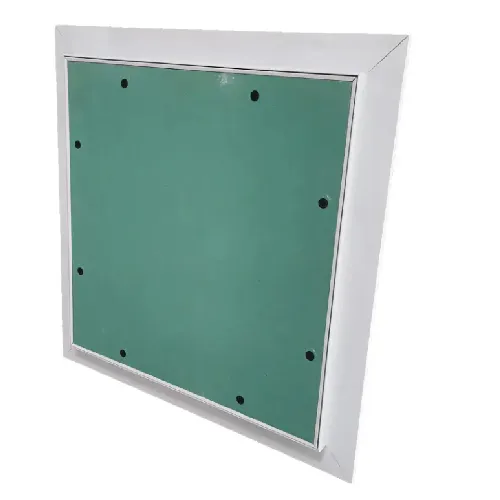
Simply put, ceiling access doors drywall are framed openings installed within drywall ceilings, allowing workers to reach mechanical, electrical, or plumbing systems hidden above. They’re designed to blend discreetly with the ceiling while providing secure and easy entry.
They typically consist of a metal or plastic frame fixed into the drywall, with a panel door that can be hinged or removable. Some high-end models offer fire-rated, insulated, or acoustical features.
This connection between form and function is crucial—think about a hospital needing quick access to life-supporting utilities or a commercial kitchen with grease-laden ducts requiring routine checks.
Mini takeaway: Ceiling access doors drywall marry invisibility and functionality, crucial in modern building maintenance and safety.
Core Aspects That Define Quality and Usefulness
Durability and Material Quality
Maybe not glamorous, but the longevity of these doors really matters. Most are made from galvanized steel or aluminum to resist corrosion in humid environments like kitchens or bathrooms.
Fire and Safety Ratings
Many jurisdictions require 20- to 90-minute fire ratings on ceiling access doors, especially in commercial or industrial settings. Compliance ensures the door won’t become a weak spot during emergencies.
Aesthetic Integration
These doors shouldn’t scream “I’m here!” Instead, painters and finishers often appreciate models that accept drywall mud or paint right on them, making the door a seamless part of the ceiling plane.
Ease of Installation and Access
Contractors love products with simple frames that install during drywall work, plus doors that open smoothly without tools—or at least with minimal tools—considering frequent inspections.
Customization Options
Some suppliers offer various door sizes, panel thicknesses, and locking or latching mechanisms tailored to use cases.
| Specification | Details |
|---|---|
| Material | Galvanized Steel / Aluminum |
| Fire Rating | 20, 45, or 90 minutes (optional) |
| Door Sizes | 12"x12" up to 24"x36" |
| Installation | Recessed frame for drywall integration |
| Access method | Hinged or removable panel with tool-less latch options |
Mini takeaway: The perfect ceiling access door balances performance specs and user-friendly features — a small door that goes a long way.
Where in the World Are These Doors Making an Impact?
On construction sites from Dubai’s skyscrapers to remote clinics in sub-Saharan Africa, ceiling access doors drywall have practical roles:
- Industrial Zones: Factories rely on them for quick checks on overhead conduit or HVAC systems.
- Post-Disaster Relief Housing: Modular drywall ceilings equipped with access doors help aid workers maintain critical infrastructure without tearing down walls.
- Healthcare Facilities: Hospitals demand fast access for safety inspections and emergency repairs, respecting hygiene standards.
- Educational and Commercial Buildings: Routine facility management and upgrades benefit hugely from well-placed access doors.
Oddly enough, even high-tech labs, where contamination control is tough, use specialized access doors with airtight seals to preserve controlled environments.
Mini takeaway: From high-tech medical centers to disaster shelters, ceiling access doors drywall blend safety and practicality wherever they go.
Advantages That Pay Dividends Over Time
It’s not just about slapping a door onto drywall—it’s the bigger picture. Proper ceiling access doors reduce downtime, cut maintenance costs, and uphold building integrity. I once heard an engineer say, “A well-placed access door saved us weeks of downtime and tens of thousands in repairs.” That feels like huge value.
Beyond economics, they foster safety and dignity. Technicians don’t have to break down ceilings or risk injury during repairs, and occupants enjoy unobstructed spaces without eyesores.
Environmentally, many doors are made from recyclable metals and designed for long service life, aligning with growing sustainability goals globally.
Mini takeaway: Ceiling access doors in drywall ceilings aren’t just practical—they’re cost-effective, safe, and green in the long run.
Future Innovations: What’s Just Around the Ceiling Corner?
The future is smart. Increasingly, ceiling access doors feature digital components—like embedded sensors to alert building managers when a door is opened or when maintenance is due. Some models use lightweight composite materials combining strength with ease of handling.
There’s also a push towards integrating these doors with green building standards such as LEED or WELL certification, which highlights indoor environmental quality and accessibility.
Imagine a ceiling panel that automatically unlocks under authorized access or tracks air quality monitoring, reducing manual inspection frequency.
Mini takeaway: Digital integration and eco-friendly materials will redefine ceiling access doors drywall, making them smarter and more sustainable soon.
Challenges and How Experts Tackle Them
Despite their advantages, ceiling access doors sometimes face hurdles:
- Installation Mishaps: If improperly installed, they can weaken the ceiling or lead to draft and noise issues.
- Standardization Gaps: Differing global standards complicate universal product design and supply chains.
- Cost Concerns: Fire-rated or insulated options can be pricier, limiting uptake in budget projects.
Experts recommend closer collaboration between architects, contractors, and manufacturers early on to pick optimal door types and placements. Also, modular access door designs help in simplifying installation and maintenance.
Mini takeaway: Planning and cross-industry cooperation are key to overcoming access door challenges in drywall installations.
Frequently Asked Questions About Ceiling Access Doors Drywall
- Q: What sizes do ceiling access doors drywall typically come in?
- A: Most common sizes range from 12"x12" up to 24"x36", with custom dimensions available for special projects.
- Q: Are fire-rated access doors required by building codes?
- Many commercial and industrial projects require fire-rated doors between 20 to 90 minutes. Always check local building regulations for compliance.
- Q: Can access doors be painted to match the drywall?
- Yes, many models accept drywall joint compound and paint, making the door flush and virtually invisible once finished.
- Q: How do I choose the right access door for humid environments?
- Look for corrosion-resistant materials such as galvanized steel or aluminum and consider models with vapor seals.
- Q: Is it possible to retrofit access doors into existing ceilings?
- Definitely. Although it requires careful cutting and reinforcement, retrofit kits and lightweight models make this manageable without large disruptions.
Conclusion: Access Granted for the Future of Building Maintenance
In the end, ceiling access doors drywall aren’t just functional hardware — they’re enablers of ongoing building performance, safety, and sustainability. They save time, protect investments, and keep infrastructure healthy behind the scenes. Whether you’re a contractor, building manager, or facility planner, choosing the right access door can make all the difference in maintenance ease and occupant satisfaction.
If you’re interested in a range of options that balance quality and innovation, I suggest visiting ceiling access doors drywall to explore modern solutions built for today’s buildings—and tomorrow’s challenges.
| Vendor | Material Options | Fire-Rating Available | Customization | Price Range | Notable Features |
|---|---|---|---|---|---|
| Xingyuan Ceilings | Galvanized Steel, Aluminum | 20, 45 & 90 minutes | Multiple sizes & paint-ready panels | $$ | Easy installation frames |
| AccessPro Solutions | Aluminum only | Up to 45 minutes | Standard sizes; limited colors | $ | Tool-less access latch |
| SafeGuard Access | Galvanized Steel + composites | 90 minutes available | Custom sizes & security locks | $$$ | High security & acoustics |
Mini takeaway: Choosing a vendor depends on your project’s priorities—be it budget, fire ratings, ease of access, or custom features.
References:
-
Benefits and Guide of Mineral Fiber Ceiling Board for InteriorsNewsApr.16,2026
-
Modern Mineral Fiber Ceiling Solutions for Acoustic PerformanceNewsApr.09,2026
-
Mineral Fibre Board Ceiling vs Gypsum Board A Comprehensive Comparison GuideNewsApr.07,2026
-
Comprehensive Guide to Mineral Fiber Ceiling Specification and PerformanceNewsApr.04,2026
-
What Are Mineral Fiber Ceiling Tiles Made Of And Their ApplicationsNewsMar.31,2026
-
Exploring the Benefits of Suspended Mineral Fibre Ceiling Systems for Modern BuildingsNewsMar.28,2026