
Nov . 29, 2025 14:50 Back to list
Rated Ceiling Access Panels – Ensuring Safety, Accessibility & Durability in Modern Construction
Understanding Rated Ceiling Access Panels: Why They Matter Today
If you’ve ever had to access wiring, ductwork, or plumbing hidden behind a ceiling, you’ve likely encountered the humble ceiling access panel. Now, imagine this essential component upgraded with a ‘rated’ status. What exactly does that mean? And why is it fast becoming a staple across industries worldwide?
Rated ceiling access panels are specialized units designed not just for easy access but also engineered to meet strict safety, fire, and durability standards. In global construction, infrastructure maintenance, and even humanitarian relief efforts, understanding and installing the right rated access panels can avoid costly failures, improve safety, and ensure long-term structural integrity.
In the grand scheme, these panels may seem small, but their impact cascades through building safety codes, operational efficiency, and even emergency response readiness.
The Global Relevance of Rated Ceiling Access Panels
Globally, building and safety codes evolve as urbanization accelerates. According to the International Organization for Standardization (ISO), about 62% of buildings worldwide must conform to fire and safety standards that include rated ceiling openings. It’s staggering how often access panels get overlooked during inspections, yet they’re a critical weak point if not rated properly.
In some rapidly growing cities—from Dubai’s skyscraper hubs to energy plants in Germany—using the correct rated ceiling access panels isn’t just regulatory box-ticking; it’s a matter of life and property protection. One challenge often ignored is balancing the ease of maintenance access with robust fire resistance and durability. This balance is more crucial in disaster-prone or energy-sensitive zones.
What Exactly Are Rated Ceiling Access Panels?
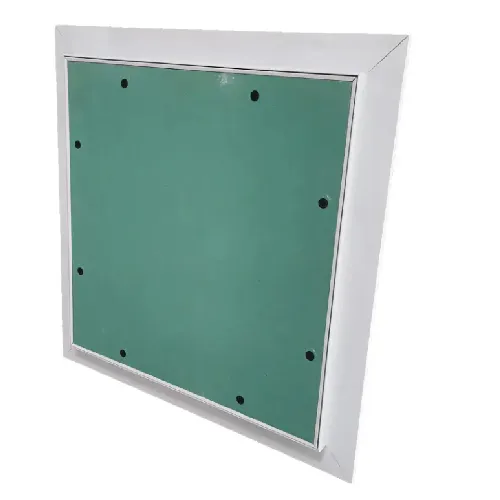
Put simply, rated ceiling access panels are removable ceiling sections that comply with certified standards for fire resistance, load-bearing capacity, or air tightness. Think of them as “fire doors” in your ceiling – they perform in emergencies and daily wear to keep hidden machine rooms, ductwork, or cabling reachable but protected.
In industries reliant on stringent safety norms—like hospitals, data centers, or chemical plants—these panels help fulfill legal fire safety codes (often under ASTM E119 or UL 263 ratings) while granting workers quick access to critical systems.
Oddly enough, the mix of a panel’s rating can vary; some are rated for half an hour of fire resistance, others up to two hours or more. Depending on building purpose, the panel’s design changes: steel, aluminum, insulated cores, or even specialized coatings.
Core Features That Define Rated Ceiling Access Panels
Durability and Material Quality
Most rated panels use galvanized steel or aluminum for long-lasting corrosion resistance. Many engineers say the coated steel panels rated for fire protection can last over 25 years indoors without performance loss.
Fire Resistance
The heart of rated panels. You’ll see terms like “1-hour fire rated” or “2-hour rated,” referring to how long the panel can withstand fire without breaching. This rating is vital in high-risk zones.
Ease of Installation and Access
Panels now often feature quick-release latches or key-lock systems, enabling rapid maintenance without compromising security or fire barriers.
Customizability and Finish
From painted finishes to textured surfaces, rated panels can blend into architecture, or stay deliberately conspicuous for easy identification in emergencies.
Air Tightness and Insulation
In some settings, panels contribute to HVAC efficiency by reducing leakage around ducts—important in hospitals or labs where controlled environments matter.
Typical Product Specification Table
| Specification | Typical Value | Notes |
|---|---|---|
| Material | Galvanized Steel / Aluminum | Corrosion resistant |
| Fire Rating | 1 to 2 hours | Per ASTM E119 / UL 263 |
| Panel Size Range | 300mm x 300mm to 1200mm x 1200mm | Customizable sizes available |
| Access Type | Lockable latch, key lock, or screwdriver open | Varies by security needs |
| Finish | Powder-coated paint, primer, or brushed metal | Match architectural requirements |
Who Benefits From Rated Ceiling Access Panels Around the Globe?
In practice, you’ll find rated ceiling access panels in hospitals, commercial skyscrapers, airports, and even offshore oil rigs. In Japan, where fire codes are especially strict due to densely packed urban areas, they’re almost mandatory in new builds. Meanwhile, in North America, data centers rely on rated access panels to protect critical cable runs and ventilation.
Even in humanitarian contexts, for example, rated ceiling access panels help build secure modular medical tents or rapid assembly shelters, offering fire resistance and easy maintenance access in austere environments. It’s this flexibility that makes them valuable worldwide.
Advantages You Don’t Want to Miss
- Safety First: Fire ratings reduce the risk of fire spreading through hidden ceiling spaces.
- Cost Savings: Minimizes damage and costly repairs from fire or corrosive damage.
- Durability: Long-lasting materials reduce replacements.
- Compliance: Ensures buildings meet increasingly strict international codes.
- Maintenance Friendly: Quick, secure access for technicians reduces downtime.
Emotionally, these panels give building owners peace of mind that hidden parts of their infrastructure aren’t vulnerabilities waiting to happen. It’s a quiet trust in the materials and certifications behind a simple-looking panel — trust that pays off in emergencies.
Looking Ahead: Future Innovations in Rated Ceiling Access Panels
The future might surprise you. New eco-friendly manufacturing processes are integrating recycled metals and bio-based coatings to reduce carbon footprints. Digital locks and IoT sensors embedded in panels will notify maintenance when they’re opened—improving security and oversight. Some manufacturers are also experimenting with lighter composite materials that keep fire ratings but cut weight, simplifying installation.
Additionally, green building standards, like LEED and WELL, increasingly demand materials and components with verifiable sustainability credentials — pushing rated ceiling access panel makers to innovate on every front.
Challenges and How The Industry Is Moving Forward
The biggest challenge? Balancing fire resistance with ease of access and affordability. Many cheaper panels fail to meet ratings but still find their way into projects, risking safety. Supply chain disruptions can also delay specialized panel delivery. Luckily, advances in modular manufacturing and regional production hubs are mitigating this.
Expert installers emphasize proper fitting and maintenance also matter—no panel works well if improperly sealed or neglected. Training programs and better installation guides are becoming more common, helping cut corners that once compromised safety.
Vendor Comparison: Rated Ceiling Access Panels
| Vendor | Fire Rating | Material | Customization Options | Average Price Range |
|---|---|---|---|---|
| Xingyuan Ceilings | Up to 2 hours UL 263 | Galvanized Steel, Aluminum | Size, finish, locking type | $$$ |
| SafeAccess Panel Co. | 1 hour ASTM E119 | Aluminum | Standard sizes, keyed lock | $$ |
| FireGuard Panels Inc. | 1.5 hour UL certified | Steel with intumescent coating | Custom sizes & fire rating | $$$$ |
Frequently Asked Questions About Rated Ceiling Access Panels
Q1: How do I know if a ceiling access panel is fire rated?
A: Check for certification labels from recognized entities like UL or ASTM, usually marked on the panel or product documentation. These ratings specify how long the panel can resist fire.
Q2: Are rated ceiling access panels compatible with all ceiling types?
A: Most panels are designed to install in drywall, plaster, or modular ceiling grids, but always confirm with the manufacturer. Custom sizes can accommodate unique ceiling styles.
Q3: Can I install rated ceiling access panels myself?
A: Basic installations are possible for handy DIYers, but precise fitting and maintaining fire rating integrity usually require professional installation, especially in commercial buildings.
Q4: What maintenance do rated ceiling access panels require?
A: Regular inspections to ensure latches and seals are intact, cleaning any debris around the panel, and verifying the panel remains properly fitted are crucial for maintaining ratings and accessibility.
Q5: Where can I purchase rated ceiling access panels with customization options?
A: Trusted suppliers like rated ceiling access panels providers often offer customization services tailored to size, access type, fire rating, and finish.
Wrapping It Up: Why Rated Ceiling Access Panels Are Worth Your Attention
At the end of the day, rated ceiling access panels might seem like a minor element in the grand architecture or infrastructure machine, but their importance can never be overstated. They blend safety, accessibility, and durability with the kind of quiet efficiency that keeps buildings safe and operations smooth. Whether you’re managing a hospital, a data center, or a disaster relief shelter, choosing the right rated ceiling access panels isn’t just smart—it’s essential.
Curious to see how these panels can fit your project? Visit https://www.xingyuanceilings.com for expert guidance and products designed with safety and customization in mind.
References
-
Benefits and Guide of Mineral Fiber Ceiling Board for InteriorsNewsApr.16,2026
-
Modern Mineral Fiber Ceiling Solutions for Acoustic PerformanceNewsApr.09,2026
-
Mineral Fibre Board Ceiling vs Gypsum Board A Comprehensive Comparison GuideNewsApr.07,2026
-
Comprehensive Guide to Mineral Fiber Ceiling Specification and PerformanceNewsApr.04,2026
-
What Are Mineral Fiber Ceiling Tiles Made Of And Their ApplicationsNewsMar.31,2026
-
Exploring the Benefits of Suspended Mineral Fibre Ceiling Systems for Modern BuildingsNewsMar.28,2026