
Dec . 02, 2025 16:46 Back to list
Ceiling Access Panel Cover: Durable, Safe, and Essential Access Solutions Globally
Ceiling Access Panel Cover: What It Is and Why It Matters Globally
If you’ve ever peeked into the ceiling or walls of a building and noticed a small, removable panel, you’ve glimpsed a ceiling access panel cover in action. Seemingly mundane, these covers are far from just “hiding spots” for wires or pipes—they're essential functional elements in modern construction, maintenance, and safety. Around the world, as buildings grow more complex and the need for efficient infrastructure maintenance surges, understanding these panels – their design, function, and global importance – becomes surprisingly vital.
Their role spans from ensuring easy access for electricians and HVAC technicians to safeguarding infrastructure from damage or unauthorized entry. Globally, these little panels help balance cost, security, and aesthetics, making them a quietly indispensable part of the built environment.
Global Context: Why Ceiling Access Panel Covers Are More Than Just Practical
Today’s urbanization trends are staggering. According to the United Nations, by 2050, nearly 68% of the world’s population is expected to live in urban areas (UN Climate Change Report).
This boom in construction places enormous pressure on infrastructure accessibility and maintenance. Enter the ceiling access panel cover—a seemingly small component tackling a big problem. It ensures that hidden electrical, plumbing, and HVAC systems remain accessible for inspection, maintenance, or upgrades without tearing walls apart or disrupting daily life. Architects and engineers face continuous challenges balancing functionality with aesthetics, and panel covers play a starring role in this balancing act.
Globally, the market for building access solutions is expanding to meet these demands, underscored by growing standards like ISO 21542:2011 for building accessibility, which highlight maintenance needs.
Defining the Ceiling Access Panel Cover
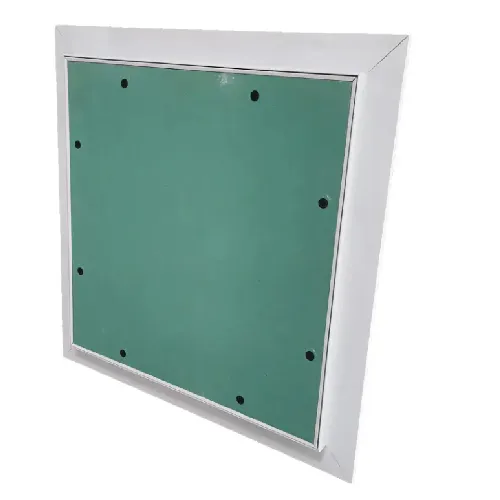
Simply put, a ceiling access panel cover is a removable cover that conceals an opening in a ceiling or wall, granting authorized personnel easy entry to concealed mechanical, electrical, or plumbing (MEP) systems. They vary widely in size, material, and locking mechanism but share the same goal: allow access without sacrificing safety or aesthetics.
This practicality is vital in hospitals, schools, airports, and even residential buildings where quick access to infrastructure minimizes downtime and costs.
Key Components of Ceiling Access Panel Covers
1. Durability
Panels are typically made from materials like gypsum board, aluminum, steel, or fiberglass. Durability correlates directly with lifespan and maintenance frequency. A robust panel can withstand repeated access and resist warping or corrosion – especially in humid or industrial environments.
2. Fire Resistance
Many panels are rated for fire resistance to comply with building codes. In critical facilities, fire-rated access panels prevent the spread of flames or smoke across compartments, buying precious time during emergencies.
3. Security Features
Locks, tamper-proof fasteners, and flush designs deter unauthorized access. This is particularly crucial in commercial buildings, airports, or secure installations.
4. Aesthetic Integration
Today’s designs often blend seamlessly with ceiling textures or paint, even offering customizable finishes. This matters a lot in retail and hospitality spaces where aesthetics cannot be compromised.
5. Ease of Installation & Maintenance
Modular designs that allow quick removal and reinstall save labor costs and reduce downtime during inspections or repairs. Smart installation can also make panels reusable across different sites.
Typical Specifications of a Ceiling Access Panel Cover
| Specification | Typical Range | Notes |
|---|---|---|
| Material | Aluminum, Steel, Gypsum, Fiberglass | Depends on use case and environment |
| Size | 6"x6" up to 24"x24" | Custom sizes available |
| Fire Rating | Up to 2 hours | Compliant with NFPA standards |
| Access Mechanism | Hinged, Removable, Lockable | Varies by security needs |
| Finish Options | Paintable, Textured, Stainless | Matches ceiling design |
Mini takeaway: Understanding the materials and specs helps tailor the perfect panel cover to your building needs—balancing durability, safety, and style.
Global Applications and Use Cases
Thanks to their versatility, ceiling access panel covers appear in a diverse array of settings worldwide:
- Healthcare Facilities: Hospitals rely heavily on quick access to electrical and medical gas systems to reduce downtime.
- Commercial Buildings: Office towers and malls need aesthetically discreet but secure panels.
- Industrial Complexes: Factories demand fire-rated and highly durable covers to manage harsh environments.
- Disaster Relief Shelters: Organizations often use modular structures with standardized access panels to facilitate rapid repairs during emergencies.
For instance, in Japan’s earthquake-prone regions, ceiling access panels are designed for quick inspection post-event, reducing risk and accelerating recovery.
ceiling access panel cover manufacturers are also partnering with global supply chains to offer scalable solutions for newly urbanizing areas in Africa and Southeast Asia.
Mini takeaway: The versatility of ceiling panel covers means they’re quietly supporting critical infrastructure from Tokyo to Nairobi.
Advantages & Long-Term Value
The upfront cost of quality ceiling access panel covers may appear modest, but the ripple effects in maintenance cost reduction, safety improvements, and aesthetics are profound.
Here are some key benefits:
- Cost Savings: Easier access reduces labor time and prevents costly damage from invasive repairs.
- Sustainability: Panels made from recyclable materials contribute to greener buildings.
- Enhanced Safety: Fire-rated panels and locks improve occupant security.
- Trust and Comfort: Building occupants trust that systems are properly maintained when panels enable efficient access.
Oddly enough, it’s often one small panel that makes a huge difference in long-term building health.
Future Trends and Innovations
Looking ahead, the ceiling access panel cover space is evolving with:
- Smart Materials: Self-healing composites and fire-resistant coatings.
- Automation: Panels with sensor-activated locks or damage detection alerting maintenance teams immediately.
- Green Building Integration: Materials sourced sustainably, compatible with LEED certifications.
- Modular and Custom Manufacturing: 3D printing allows for rapid prototyping and bespoke designs.
Manufacturers like Xingyuan Ceilings are pioneering these developments, blending tradition with innovation.
Mini takeaway: The future of ceiling access panels is smart, sustainable, and customizable to an unprecedented degree.
Challenges and Solutions in Current Use
Despite the strengths, challenges remain. Common issues include:
- Improper Installation: Leads to poor fitting or panel damage over time.
- Material Misuse: Non-fire-rated panels in safety-critical zones cause code violations.
- Security Gaps: Simple latches are easily tampered.
Experts recommend thorough site assessment, specifying code-compliant products, and favoring vendors with strong warranties and technical support.
Emerging modular designs with tool-less quick-release mechanisms address these issues by simplifying installation and improving security.
Comparing Leading Vendors of Ceiling Access Panel Covers
| Vendor | Material Options | Customization | Certifications | Pricing |
|---|---|---|---|---|
| Xingyuan Ceilings | Steel, Aluminum, Fiberglass | Highly customizable sizes & finishes | ISO 9001, NFPA Fire Rated | Mid-tier, value-focused |
| Acme Panels | Gypsum, Steel | Standard sizes, limited finishes | UL Listed Fire Rated | Budget-friendly |
| SecurePanels Inc. | Steel, Aluminum | Security-focused with advanced locks | NFPA and ASTM certified | Premium pricing |
FAQ: Frequently Asked Questions About Ceiling Access Panel Cover
- What sizes of ceiling access panel cover are most common?
- Panels typically range from small 6"x6" covers for single cable access to larger 24"x24" sizes for broader system maintenance. Custom sizes are widely available to fit unique requirements.
- How do I ensure a ceiling panel cover is fire-rated?
- Check for certifications such as NFPA or UL listings on the panel. Fire-rated panels use special materials and construction methods designed to resist heat and flame for a specific period, usually 60 minutes or more.
- Can ceiling access panel covers be painted or finished to match their surroundings?
- Yes. Many panels have surfaces designed to be painted or textured to blend seamlessly with ceilings, making them aesthetically unobtrusive.
- How do vendors support installation and maintenance training?
- Reputable suppliers like Xingyuan Ceilings offer installation guides, on-site training, and post-sale technical support, helping ensure panels perform optimally for years.
- Are there sustainable options available?
- Absolutely. Some panels are made from recyclable materials or sustainable composites, compatible with green building standards like LEED.
Conclusion + Call to Action
All told, ceiling access panel covers quietly but critically undergird modern infrastructure. They help reduce operational costs, improve safety, and keep maintenance hassle-free. Plus, with exciting innovations on the horizon, their importance will only grow.
Interested in high-quality, customizable ceiling access panel cover solutions? Visit our website for detailed specs and expert guidance tailored to your project.
Final thought: Sometimes, it’s the small things—like a well-designed access panel—that keep large systems running smoothly.
References
-
Benefits and Guide of Mineral Fiber Ceiling Board for InteriorsNewsApr.16,2026
-
Modern Mineral Fiber Ceiling Solutions for Acoustic PerformanceNewsApr.09,2026
-
Mineral Fibre Board Ceiling vs Gypsum Board A Comprehensive Comparison GuideNewsApr.07,2026
-
Comprehensive Guide to Mineral Fiber Ceiling Specification and PerformanceNewsApr.04,2026
-
What Are Mineral Fiber Ceiling Tiles Made Of And Their ApplicationsNewsMar.31,2026
-
Exploring the Benefits of Suspended Mineral Fibre Ceiling Systems for Modern BuildingsNewsMar.28,2026