
Dec . 02, 2025 16:16 Back to list
Comprehensive Guide to Bunnings Ceiling Access Panel: Features, Benefits, and Trends
bunnings ceiling access panel: Unlocking Practical Ceiling Solutions
Ceiling access panels—sounds simple, right? But these little fixtures play a surprisingly crucial role in our buildings all over the world. The bunnings ceiling access panel, a common choice in Australia and beyond, is both a practical solution for maintenance and a safety measure that often goes unnoticed. Why does understanding them matter? Because on a global scale, efficient building maintenance impacts energy use, repair costs, and even emergency response times. For property owners, technicians, and facility managers, knowing your options means smoother upkeep and fewer headaches down the line.
Introduction: Ceiling Panels in the Global Context
Globally, buildings consume about 40% of energy, much of which is lost or wasted due to inefficient infrastructure maintenance [IEA]. Hidden ceilings and access points are often the unsung heroes of building upkeep. In industrialized countries as well as emerging economies, ceiling access panels provide critical entryways to HVAC systems, electrical wiring, plumbing, and fire safety equipment.
With the rise of green building initiatives and smart facilities management—ISO 50001 standards also push for easier inspection routes—installing effective access panels is more than convenience; it’s a strategic choice. The bunnings ceiling access panel, widely distributed by Bunnings Warehouse, tackles common challenges: easy installation, durability, and aesthetic integration.
Mini takeaway: Efficient ceiling access is no longer a niche feature—it’s a global infrastructure priority tied directly to energy savings and safety.
What is a bunnings ceiling access panel?
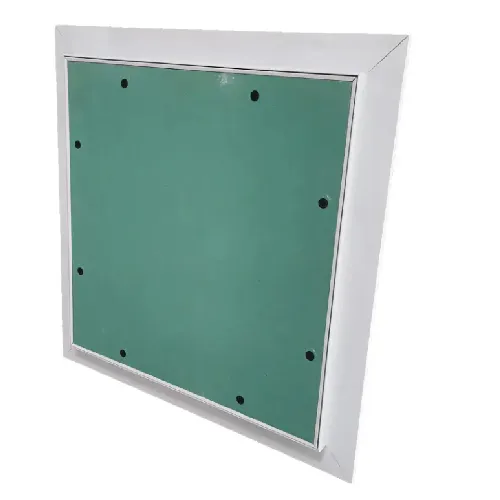
Simply put, a bunnings ceiling access panel is a removable panel installed in ceilings that grants access to the infrastructure above—like pipes, cables, or air ducts. These panels need to be sturdy yet unobtrusive, often blending seamlessly with ceiling tiles or plaster ceilings.
In the modern construction and maintenance fields, these panels are vital because they reduce the need for destructive ceiling repairs—a cost saver and a time saver. They also align with humanitarian needs in post-disaster rebuilding, where rapid inspection and repair of facilities is critical, with minimal disruption.
Key Factors of Bunnings Ceiling Access Panels
Durability & Material
Most panels by Bunnings are made from lightweight metal or PVC composites that resist corrosion and warping. Oddly enough, manufacturers balance strength with ease of removal—too tough, and maintenance workers struggle; too weak, and you risk panel damage.
Size & Scalability
Panels come in standard sizes (300x300mm to 600x600mm) but can be customized. This lets installers tailor access points for everything from small utility closets to expansive mechanical rooms.
Installation Ease
Because many are designed for handy DIY installation, they typically feature snap-lock or simple screw mounts, cutting down labor costs.
Finish & Aesthetics
The surface often mimics the surrounding ceiling material—whether it’s white painted plasterboard or textured tiles—so it’s less noticeable.
Security Features
Some models include locking mechanisms for restricted areas, an important factor in commercial or institutional settings.
Cost Efficiency
Bunnings ceiling access panels offer competitive pricing, balancing quality and affordability that many builders appreciate.
Mini takeaway: Selecting the right panel is a mix of durability, size, ease-of-use, and design finesse—all geared to facility-specific needs.
Technical Specifications of a Typical Bunnings Ceiling Access Panel
| Specification | Details |
|---|---|
| Material | Aluminum frame with gypsum board door / PVC panel |
| Sizes Available | 300x300mm, 450x450mm, 600x600mm (custom options) |
| Weight | 1.5 to 3.5 kg depending on size and material |
| Finish | Matte white or match to ceiling |
| Installation | Screw-in or snap-fit, with or without locking |
| Fire Rating | Up to 1-hour fire resistance (select models) |
Vendor Comparison: Bunnings vs Competitors
| Feature | Bunnings | Vendor A | Vendor B |
|---|---|---|---|
| Price Range | $30 - $90 | $40 - $100 | $25 - $85 |
| Material Quality | High-grade aluminum/PVC composite | Aluminum only | Standard steel frame |
| Installation Type | DIY snap-fit & screws | Screw-only | Locking mechanism included |
| Fire Rating Available | Yes, in some models | No | No |
| Aesthetic Finishes | Multiple color matches | Basic white only | Basic painted finish |
Global Applications & Use Cases
From the skyscrapers of Sydney to remote hospital complexes in Southeast Asia, bunnings ceiling access panels are quietly supporting critical infrastructure maintenance. In developed urban centers, facility managers rely on them for easy HVAC inspections that keep buildings energy efficient. Meanwhile, in remote industrial zones or post-disaster relief efforts, fast installation and durability are vital. For example, after cyclones or earthquakes, rapid access to electrical and plumbing systems without damaging ceilings is a lifesaver for rebuild teams.
Oddly enough, the humanitarian sector increasingly values these panels as part of modular building kits for refugee camps and temporary clinics. Their ease of installation and maintenance fit well within rapid deployment needs, which parallels findings from UN habitat reports about sustainable infrastructure in crisis zones [UN HABITAT].
Mini takeaway: Ceiling access panels are far more than building conveniences; they’re enablers of safety and sustainability worldwide.
Advantages & Long-Term Value
- Cost savings: Avoid costly ceiling repairs due to frequent access needs.
- Safety and Compliance: Enabling regular inspections for fire safety and electrical codes.
- Durability & Aesthetics: Long-lasting materials that blend into interiors.
- Sustainability: Contributing to energy efficiency by easing maintenance of insulation and HVAC.
- Psychological benefits: Knowing your building has easy inspection points increases peace of mind.
Frankly, it feels like a small investment that pays off on multiple levels over decades.
Future Trends & Innovations
The future of ceiling access panels at Bunnings and beyond hints at smart technology integration—panels with embedded sensors that report maintenance needs remotely. Then there’s the push for green materials, biodegradable or recycled polymers replacing conventional plastics. Automation might even provide robotic access through panels in hazardous areas.
Standardization across international safety regulations is also improving panel quality worldwide, pushing for better fire resistance and energy compliance.
Challenges & Solutions
It’s not all smooth installation and perfect fits, of course. Some common issues include:
- Mismatched sizing leading to poor sealing and dust ingress
- Difficulty in balancing security with easy maintenance access
- Limited fire ratings on some economical models
Innovations focus on adjustable frames, better locking mechanisms, and enhanced fire-retardant coatings. Expert installers recommend precise measurements and choosing panels certified to local fire and safety standards (e.g., AS/NZS 1905.1).
Frequently Asked Questions About Bunnings Ceiling Access Panel
- Q: Can I install a bunnings ceiling access panel myself?
A: Yes, most Bunnings panels are designed for DIY installation with standard tools. Just ensure you have correct sizing and a secure fit to prevent sagging or dust entry. - Q: Are these panels suitable for fire-rated ceilings?
A: Some models come with fire-resistant certification, but you should check product specs carefully to meet building code requirements. - Q: How do I choose the right size panel?
A: Measure the ceiling opening where access is needed. Common sizes are from 300x300mm to 600x600mm — sized according to the infrastructure above. - Q: Do these panels come with locks for security?
A: Select models offer locking mechanisms, especially useful for commercial or institutional buildings to prevent unauthorized access. - Q: Can panels be painted or customized to match ceilings?
A: Yes, many Bunnings panels have surfaces designed for painting or come pre-finished to blend seamlessly with common ceiling styles.
Conclusion
In real terms, the humble bunnings ceiling access panel is a smart, cost-effective solution with a surprisingly big role in modern building management. Its blend of durability, ease, and affordability makes it a go-to option for households, commercial properties, and institutional projects alike. Long-term, investing in quality access panels means safer, more sustainable buildings and happier building managers.
Want to explore your options? Visit bunnings ceiling access panel products and find the perfect fit for your next project.
Takeaway: A good ceiling access panel isn’t just an entry point—it’s a gateway to smarter building care.
References:
-
Benefits and Guide of Mineral Fiber Ceiling Board for InteriorsNewsApr.16,2026
-
Modern Mineral Fiber Ceiling Solutions for Acoustic PerformanceNewsApr.09,2026
-
Mineral Fibre Board Ceiling vs Gypsum Board A Comprehensive Comparison GuideNewsApr.07,2026
-
Comprehensive Guide to Mineral Fiber Ceiling Specification and PerformanceNewsApr.04,2026
-
What Are Mineral Fiber Ceiling Tiles Made Of And Their ApplicationsNewsMar.31,2026
-
Exploring the Benefits of Suspended Mineral Fibre Ceiling Systems for Modern BuildingsNewsMar.28,2026