
Dec . 02, 2025 16:00 Back to list
What Is an Attic Ceiling Hatch? Benefits, Specs & Global Applications Explained
Understanding the Attic Ceiling Hatch: A Small Component with Big Impact
When you think about an attic ceiling hatch, you might imagine a simple wooden board or a plain square in your ceiling. But don’t be fooled by its humble appearance — this handy fixture plays a pretty crucial role in building design, energy efficiency, and even emergency access. Globally, attic ceiling hatches are a staple that quietly supports more complex architectural and safety systems. Recognizing their importance can lead to better home insulation, safer maintenance access, and smarter building planning. So, whether you’re a homeowner, architect, or builder, understanding attic ceiling hatches is surprisingly valuable.
Global Relevance: Why the Attic Ceiling Hatch Matters
Looking at the big picture, attic ceiling hatches have a consistent presence worldwide, especially in regions where attics are common. According to the International Energy Agency (IEA), improving building insulation alone could reduce global energy consumption by nearly 30%. Attic access points like ceiling hatches directly affect insulation performance by either maintaining airtight seals or causing energy loss if poorly designed. In colder climates like Northern Europe or parts of North America, a poorly insulated attic hatch can lead to major heating inefficiencies. Meanwhile, in rapidly urbanizing areas, proper attic access helps with quick inspections and repairs to keep buildings safe and functional.
Still, many buildings have attic hatches that neglect modern standards in thermal resistance and fire safety, which leads to avoidable energy waste and hazards. This creates a distinct challenge — as we push for greener, safer buildings, upgrading simple elements like attic ceiling hatches becomes necessary. It’s a humble but impactful puzzle piece in global efforts toward sustainability and occupant safety.
What Is an Attic Ceiling Hatch?
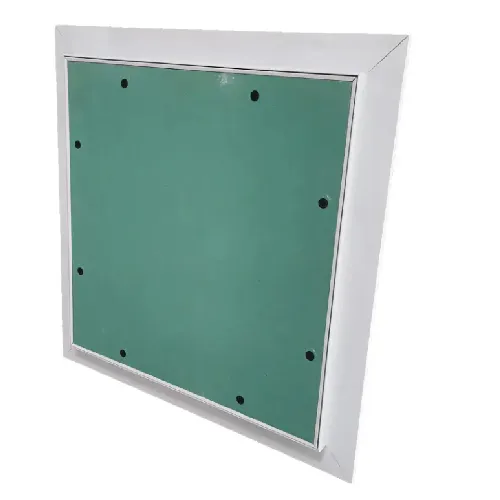
Simply put, an attic ceiling hatch is a doorway that provides access from inside a building’s living space to the attic above. It’s usually a framed opening in the ceiling fitted with a panel or door that can be opened or closed. The panel material varies — from insulated metal to lightweight wood or plastic composites. Though small, it forms a critical juncture where insulation, safety, and functionality intersect.
Its importance extends beyond residential buildings; in industries and emergency services, attic hatches allow quick access to wiring, HVAC systems, or emergency escape routes. For humanitarian infrastructure, like temporary shelters with attics or loft spaces, ceiling hatches provide vital ventilation and entry points.
Key Components of a Good Attic Ceiling Hatch
- Durability: Hatches endure regular opening and closing, occasional structural loads, and exposure to temperature swings. Quality frames and panels made of engineered wood or aluminum alloys tend to last longer.
- Thermal Insulation: An attic hatch should minimize heat transfer. Insulated cores and airtight seals protect against drafts and reduce heating/cooling costs.
- Fire Resistance: Materials and installation should meet local fire codes to inhibit smoke or flame spread between levels.
- Ease of Access: Designs may include pull-down ladders or locking mechanisms, suited to attic use frequency and user safety.
- Size and Scalability: Sizes vary from small panel hatches for occasional inspection, up to large openings for moving equipment or materials.
Thinking practically, these aspects combine to ensure attic hatches serve not just as an opening, but as a functional, durable, and safe architectural detail.
Mini takeaway: A well-designed attic ceiling hatch balances durability, insulation, fire safety, and usability intricately to support building performance.
Product Specification Example: Popular Attic Ceiling Hatch Model
| Feature | Specification |
|---|---|
| Dimensions | 22" x 36" |
| Material | Insulated aluminum panel with wood framing |
| R-Value (insulation) | R-10 |
| Fire Rating | 1 hour fire resistance |
| Opening type | Pivoting door with latch |
Comparing Leading Attic Ceiling Hatch Vendors
| Vendor | Material | Insulation (R-value) | Fire Resistance | Price Range |
|---|---|---|---|---|
| Secure Hatch Co. | Steel with insulated core | R-12 | 2-hour rated | $$$ |
| EcoPanel Hatches | Wood composite | R-8 | 1-hour rated | $$ |
| Quick Access Hatches | Aluminum frame, plastic door | R-5 | No fire rating | $ |
Global Applications: Where and Why Attic Hatches Matter
In real terms, attic ceiling hatches are everywhere from traditional homes in Scandinavia to high-rise buildings in Asia. Their design adapts to regional needs: in cold zones they emphasize insulation; in hot climates, ventilation becomes a priority. In industrial plants, hatches grant access to wiring and machinery hidden in ceiling voids, speeding inspections and repairs.
Post-disaster zones often rely on modular units equipped with attic hatches for quick access to storage or utilities. Humanitarian organizations, too, benefit from easy installation and maintenance of attic hatches in shelters — ensuring safe and ventilated spaces. Oddly enough, despite their ubiquity, these hatches sometimes go unnoticed until something goes wrong — like drafts, pest invasion, or fire risk.
Advantages & Long-Term Value of Proper Attic Ceiling Hatches
- Energy savings: Minimizing heat loss helps lower utility bills while reducing carbon footprints.
- Safety enhancement: Fire-rated hatches prevent the spread of fire or smoke between floors, improving occupant safety.
- Operational efficiency: Easy attic access facilitates maintenance and reduces downtime for building systems.
- Durability & longevity: High-quality construction protects long-term investment in your building.
- Improved comfort: A well-sealed attic hatch means fewer drafts and a more consistent indoor climate.
Logic and emotion combine here—knowing that your home or workplace is energy-efficient, safe, and comfortable adds peace of mind while saving money. You might not think about it often, but this small detail quietly supports your well-being.
Future Trends & Innovations in Attic Ceiling Hatches
Emerging trends marry technology with traditional designs. For example, some new attic ceiling hatches include integrated sensors to monitor humidity or temperature in the attic, alerting owners to potential mold or heat loss issues early. Smart insulation materials, like vacuum insulated panels, are beginning to find their way into hatch construction for extreme thermal performance.
Additionally, sustainability-focused policies are encouraging manufacturers to use eco-friendly composites and recyclable metals. Some futuristic designs incorporate solar-powered ventilation fans to improve attic airflow automatically, linking attic hatches to green energy concepts. Digital transformation, like QR codes on hatches, helps building managers access inspection history instantly. Frankly, the attic ceiling hatch is becoming part of the smart home ecosystem.
Challenges & Potential Solutions
Current limitations include improper installation leading to air leakage, materials that degrade quickly in humid environments, or lack of compliance with fire safety codes in some regions. Many older homes have retrofit challenges when upgrading attic hatches due to size or framing complexities.
Solutions? Using modular, adjustable frames can simplify upgrades. New sealant technologies improve airtightness without complicated construction. For fire safety, easy-to-install fire-rated panels are increasingly accessible. Training installers on best practices can dramatically reduce mistakes too.
FAQ: Attic Ceiling Hatch Practical Questions
- What size attic ceiling hatch should I choose for a standard residential home?
- Typically, a hatch measuring about 22" x 36" provides enough room for comfortable access and equipment movement without being overly large. However, exact size depends on attic use—regular storage or maintenance calls for bigger openings.
- Can attic ceiling hatches improve my home’s energy efficiency?
- Yes, especially if the hatch has an insulated core and airtight seals. Properly installed, it can prevent heat loss and drafts, reducing heating and cooling costs over time.
- Are attic ceiling hatches difficult to install?
- Installation complexity varies by hatch type and ceiling construction. Prefabricated models with adjustable frames can be fitted by experienced DIYers, but professional installation typically ensures better sealing and fire safety compliance.
- Do attic ceiling hatches need regular maintenance?
- Occasionally—check seals for wear, hinges for smooth operation, and look for moisture buildup. Regular inspections prolong hatch life and prevent energy loss or safety risks.
- How do fire-rated attic hatches differ from standard ones?
- Fire-rated hatches contain special insulating materials and meet specific time-based fire resistance standards (e.g., 1-hour rating), helping contain fire and smoke spread between building levels.
Conclusion: The Quiet Value of Attic Ceiling Hatches
In sum, an attic ceiling hatch is often overlooked but central to home comfort, energy savings, and safety. As building standards grow stricter worldwide — with an emphasis on sustainability and occupant protection — upgrading or specifying quality attic hatches should be on every builder or homeowner’s radar. They’re a relatively minor investment with major returns over time.
If you’re curious about selecting the right model or want expert advice, visit our site at attic ceiling hatch – because good access is the gateway to smart building management.
—Just a little hatch, big impact.
References
-
Benefits and Guide of Mineral Fiber Ceiling Board for InteriorsNewsApr.16,2026
-
Modern Mineral Fiber Ceiling Solutions for Acoustic PerformanceNewsApr.09,2026
-
Mineral Fibre Board Ceiling vs Gypsum Board A Comprehensive Comparison GuideNewsApr.07,2026
-
Comprehensive Guide to Mineral Fiber Ceiling Specification and PerformanceNewsApr.04,2026
-
What Are Mineral Fiber Ceiling Tiles Made Of And Their ApplicationsNewsMar.31,2026
-
Exploring the Benefits of Suspended Mineral Fibre Ceiling Systems for Modern BuildingsNewsMar.28,2026