
Nov . 17, 2025 15:30 Back to list
Ceiling Grid T Systems: The Backbone of Modern Suspended Ceilings
What Is a Ceiling Grid T and Why It Matters Worldwide
Ceiling grid T, sometimes just called ceiling T bars, might sound niche — and yet, their role is surprisingly central in countless buildings and infrastructure projects worldwide. These lightweight metal frameworks offer the backbone for suspended ceilings, improving aesthetics, acoustics, and functionality while simplifying maintenance and upgrades. In today’s global construction and renovation scene, understanding ceiling grid T systems means grasping a vital linchpin underpinning offices, hospitals, schools, and even disaster relief shelters.
At a glance, ceiling grid T designs don’t get the spotlight like flashy gadgets or tech. But they quietly address critical challenges—like reducing noise pollution, facilitating HVAC integration, and enabling quick access to wiring and piping above ceilings.
Understanding the nuances of ceiling grid T systems helps architects, facility managers, and builders to optimize spaces for safety, sustainability, and comfort. Plus, with rising emphasis on modular construction and green building globally, ceiling grids have never been more relevant.
Mini takeaway: The humble ceiling grid T is more than metal strips—it’s a fundamental tech enabler in modern architecture, affecting cost, environment, and occupant wellbeing worldwide.
Ceiling Grid T in a Global Context: Why the World Needs Them
Globally, the construction industry accounts for roughly 40% of energy consumption and 38% of CO2 emissions (source: IEA 2020). As urban populations swell and buildings get smarter, there's a soaring demand for efficient, adaptable ceiling systems.
Take rapidly urbanizing regions in Asia and Africa, where infrastructure must be built fast but also adaptable to resource limits. Ceiling grid T systems fulfill that by being light, easy to assemble, and reusable. They also contribute to acoustical comfort in deeply noisy urban areas, an often overlooked but significant factor in mental health and productivity.
For instance, the ISO 14001 environmental management standards increasingly push building projects to reduce waste and improve recyclability. Metal ceiling grids, often made of aluminum or steel alloys, are 100% recyclable, creating a closed loop for building materials.
However, challenges remain: the need for materials that withstand varying climates and the push for improved fire resistance continue to spur innovation in grid T profiles and accessories.
Mini takeaway: The global drive toward sustainable, rapid construction means ceiling grid T systems are not just useful—they’re essential components adapting to regulatory, environmental, and economic pressures worldwide.
Breaking Down Ceiling Grid T: What Are They Exactly?
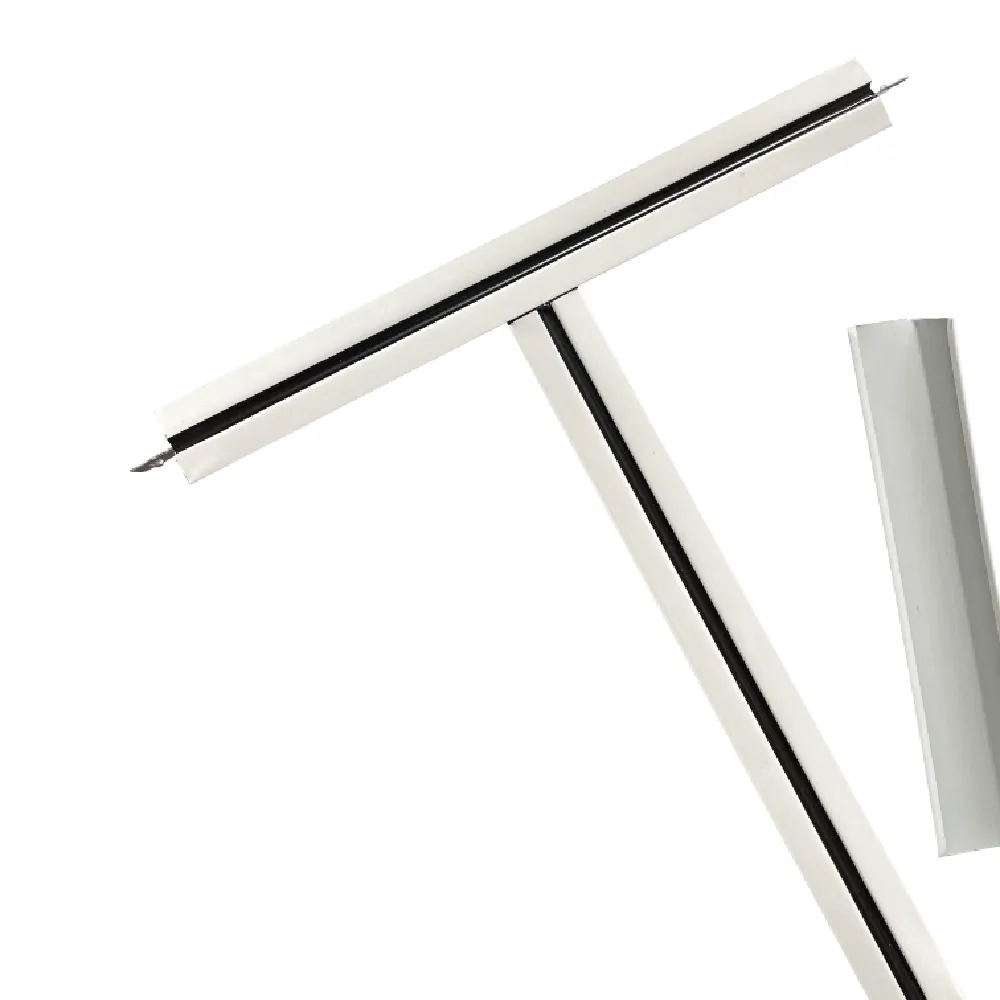
In the simplest terms, ceiling grid T refers to the “T-shaped” metal strips that make up the main skeleton of a suspended ceiling system. When assembled, these “T-bars” create a matrix grid suspended from the overhead structure that supports ceiling tiles, lighting fixtures, ventilation grilles, and more.
You can think of it as the invisible framework holding up everything that isn't part of the actual roof or slab above. This detachment from the structural ceiling allows for a host of benefits—including hiding unsightly wires and pipes, improving room response to sound, and enabling flexible service access.
These grids connect to hangers fixed into the structural ceiling, with cross tees snap-fitted to main runners to form uniform square or rectangular bays. The size could be 24" x 24" or 24" x 48", a detail that affects tile size standardization and overall design.
Mini takeaway: Ceiling grid T is the backbone of suspended ceilings: structural, adaptable, and simple, yet incredibly effective at changing how our indoor environments perform.
Core Attributes of Ceiling Grid T Systems
Durability and Material Quality
The vast majority of T-bars use galvanized steel or aluminum, balancing lightweight with strength. Durability is crucial—these grids must resist bending or warping over time, especially in humid or temperature-variable environments. Coatings also often add corrosion resistance.
Ease of Installation and Scalability
Many builders swear by the “snap-in” design of modern ceiling grid T components, which drastically reduces labor time and complexity. Scalability matters too: projects can start small and expand ceiling coverage without replacing the entire grid.
Cost Efficiency
Compared to alternatives like drywall ceilings, ceiling grid T systems are generally more affordable and faster to install. They also allow easy tile replacement, saving money on renovations and repairs.
Acoustic Performance
Ceiling grids support a wide variety of acoustic tiles, essential in offices, schools, and hospitals. Their modularity helps tailor sound absorption properties according to specific room needs.
Fire Resistance and Safety Compliance
Building codes in many countries require ceiling grids and tiles to meet fire ratings. Manufacturers have developed fire-retardant profiles and supports that maintain safety without compromising style or utility.
| Feature | Typical Values | Notes |
|---|---|---|
| Material | Galvanized Steel / Aluminum | Corrosion-resistant coating common |
| Profile Dimensions | 15mm to 24mm width (face) | Wide profiles available for heavy tiles |
| Length | 1200mm, 3600mm standard | Cuttable on-site for custom fits |
| Weight | ~1.0 – 2.5 kg/m | Depends on material and thickness |
| Fire Rating | Up to 120 minutes (with treatments) | Required by many building codes |
Mini takeaway: Matching ceiling grid T specs to environmental and project needs is key — otherwise, you risk premature failure or costly rework.
Real-World Uses: Where Ceiling Grid T Systems Shine
From office towers to hospitals, ceiling grid T systems form the quiet foundation beneath our daily lives. But they’re not only about aesthetics and comfort; in fact, some of the most compelling use cases happen in extreme or temporary environments.
- Disaster Relief: Quick-deploy shelters after earthquakes often use modular suspended ceilings with ceiling grid T systems — allowing air circulation, lighting setup, and privacy while being lightweight and transportable.
- Industrial Facilities: Remote zones with complex electrical wiring rely on suspended ceilings to hide cables but maintain fast access for engineers and safety inspections.
- Public Infrastructure: Airports and train stations utilize ceiling grid T frames to hold advanced acoustic tiles, reducing echo and noise pollution in crowded spaces.
- Educational Institutions: Schools benefit from ceiling systems that support good acoustics and easy maintenance, critical for classroom focus and health standards.
Considering these, we see ceiling grid T's adaptability stretching from sleek urban offices to rugged, mission-critical environments. No wonder many construction experts often mention these systems first when discussing modular interior design.
Mini takeaway: Ceiling grid T systems truly adapt — fitting a variety of climates, uses, and budgets, proving their versatile value worldwide.
Advantages and Lasting Value of Ceiling Grid T Solutions
In plain terms: ceiling grid T frameworks are a developer’s dream for combining speed, cost savings, and sustainability. Their easy installation translates into labor savings. Their modular nature means you don’t have to rip down whole ceilings when changing tiles or adding tech.
On a more emotional note, good suspended ceilings provide occupants with a sense of safety and calm. Noise reduction and neat ceilings reduce distractions, maintenances risks from exposed wiring, and all that jazz.
From a social perspective, upgrading old ceilings to grid T systems often forms a key part of improving workplace comfort, indirectly boosting morale and productivity. Plus, the recyclability aligns with corporate sustainability goals.
Emerging Trends and Innovations in Ceiling Grid T Systems
Oddly enough, something as understated as ceiling grid T has seen interesting innovation waves lately. Lightweight composites incorporating recycled aluminum and bio-based polymers aim to reduce embodied energy.
Digital transformation is another front: integrated smart ceilings embed sensors for air quality, occupancy, or lighting levels — all housed within suspended ceiling frameworks. This means ceiling grids are transitioning from passive supports to active building components.
Also, modular design is being combined with green energy principles. Some ceiling grids now enable the easy installation of solar-reflective panels or integrated LED lighting grids optimized for energy savings.
Challenges and How the Industry Is Tackling Them
Of course, there’s no perfect one-size-fits-all solution. One limitation that keeps popping up is the balancing act between strength and weight—too heavy, and installation gets pricey and complex; too light, and durability suffers.
Addressing this, several vendors have explored hybrid materials offering rigidity with reduced weight. Others are innovating in smart clip systems that reduce installation error and speed deployment.
Fire resistance is another challenge. New coatings and material blends are continually tested to meet ever-evolving fire codes without driving costs through the roof.
| Vendor | Material Options | Price Range | Lead Time | Sustainability Focus |
|---|---|---|---|---|
| Xing Yuan Ceilings | Galvanized Steel, Aluminum | Medium | 2-4 weeks | High (Recycled content) |
| MetroGrid Solutions | Steel only | Low | 1-2 weeks | Medium |
| EcoCeil Systems | Aluminum + Composite | High | 3-5 weeks | Very High |
FAQ: Your Ceiling Grid T Questions Answered
Q1: How do I choose the right size ceiling grid T for my project?
The choice depends largely on the size of your ceiling tiles and load requirements. Common sizes are 24" x 24" or 24" x 48", but you should factor in room acoustics and weight of fixtures. A consultation with manufacturers or an architect will help pinpoint the best fit.
Q2: Can ceiling grid T systems be installed in humid or outdoor environments?
Yes, provided you select materials with proper corrosion-resistant coatings. Aluminum grids tend to fare better in humid areas. For outdoor or semi-covered environments, specialized treatments and profiles are recommended to prevent premature deterioration.
Q3: How do ceiling grid T systems contribute to sustainability?
Many grids are made from recycled metals and are themselves fully recyclable at end of life. Their modularity means fewer wasteful renovations. Plus, supporting energy-efficient ceiling tiles and lighting makes the entire system more eco-friendly.
Q4: What’s the average lifespan of a ceiling grid T installation?
With proper material choice and maintenance, ceiling grids can last 20 years or more. Factors like environment, usage, and exposure to humidity affect longevity.
Q5: Where can I find reliable ceiling grid T suppliers?
Suppliers like ceiling grid t include specialists such as Xing Yuan Ceilings and EcoCeil Systems. Look for vendors offering certification, good warranty, and customization options.
Wrapping It Up: Why Ceiling Grid T Deserves Your Attention
There you have it — those slender, metallic T-bars quietly sit atop countless spaces worldwide, yet they shape how buildings look, feel, and function. Their unmatched combination of flexibility, sustainability, and cost-effectiveness positions ceiling grid T systems as indispensable in modern construction.
Thinking long-term, investing in quality ceiling grids pays dividends in safety, comfort, and environmental impact. And if you’ve ever wondered where to start, visiting ceiling grid t suppliers like Xing Yuan Ceilings could be your next step toward smarter ceilings.
In many ways, ceiling grid T is a reminder that sometimes, the most crucial innovations are the quiet frameworks holding everything else together.
References
-
Benefits and Guide of Mineral Fiber Ceiling Board for InteriorsNewsApr.16,2026
-
Modern Mineral Fiber Ceiling Solutions for Acoustic PerformanceNewsApr.09,2026
-
Mineral Fibre Board Ceiling vs Gypsum Board A Comprehensive Comparison GuideNewsApr.07,2026
-
Comprehensive Guide to Mineral Fiber Ceiling Specification and PerformanceNewsApr.04,2026
-
What Are Mineral Fiber Ceiling Tiles Made Of And Their ApplicationsNewsMar.31,2026
-
Exploring the Benefits of Suspended Mineral Fibre Ceiling Systems for Modern BuildingsNewsMar.28,2026