
Oct . 16, 2025 09:25 Back to list
Ceiling T Grid | Durable, Easy Install, Fire Rated
Ceilings t grid Suspended System: what matters now (and what doesn’t)
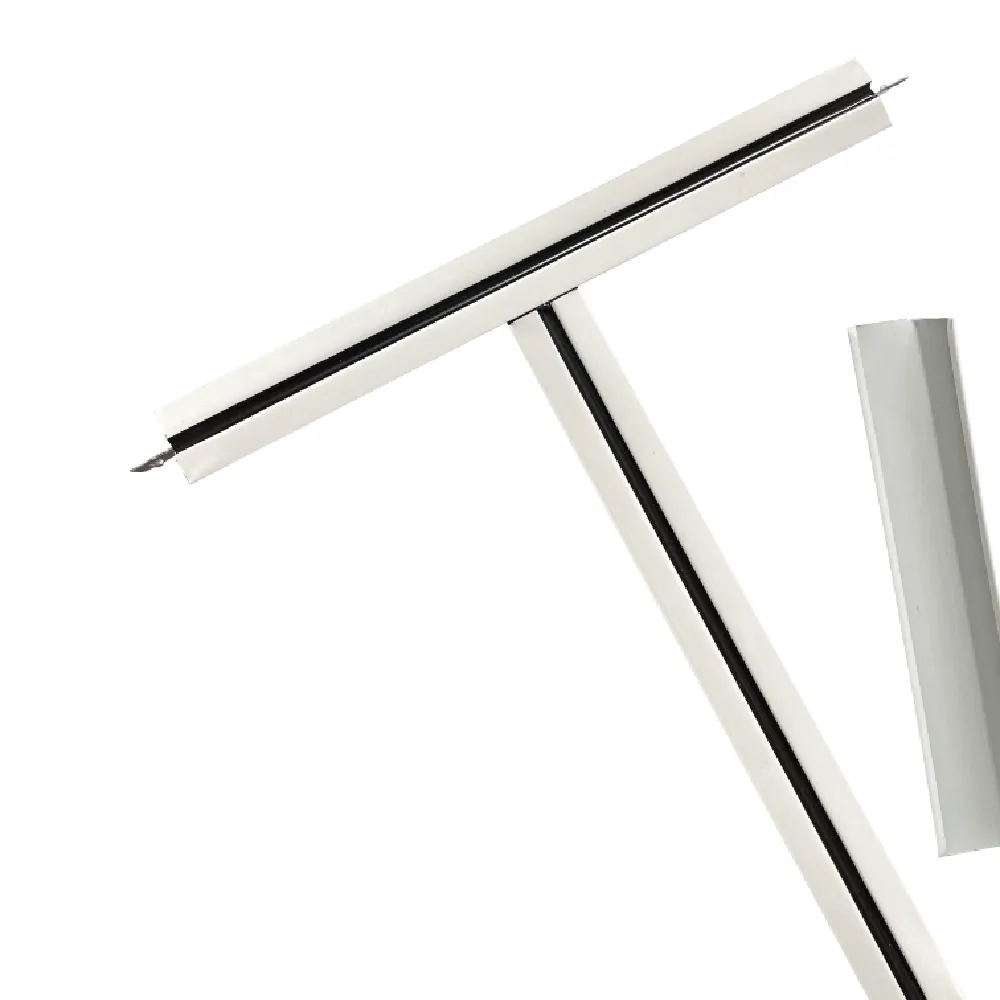
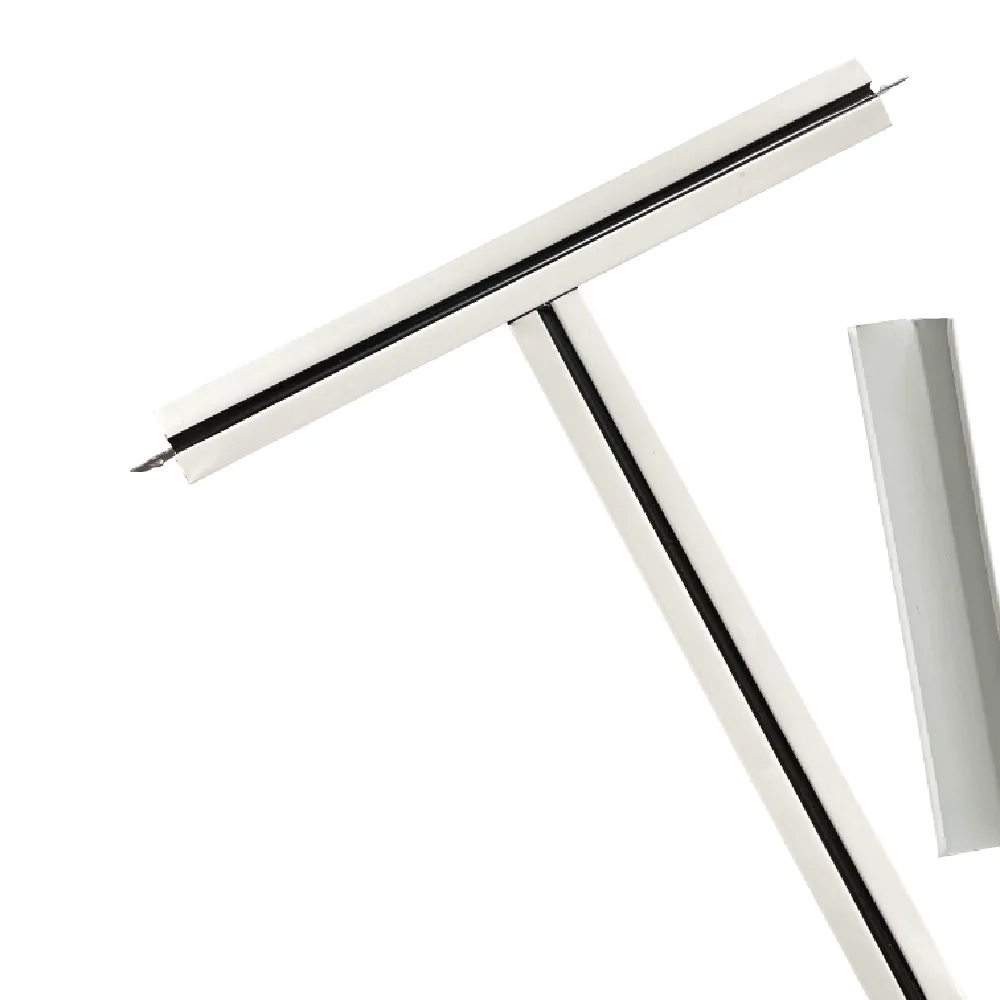
Let’s talk about the humble yet decisive ceiling t grid. It’s the backbone of a clean, serviceable ceiling, and—speaking as someone who’s spent too many nights on jobsite punch lists—it’s the difference between a tidy handover and a callback. The market’s buzzing with coatings, corrosion classes, and seismic clips. Some of it’s hype, but a lot of it is real progress.
Industry trends I’m actually seeing
- Higher corrosion protection for healthcare and coastal retail (Z140–Z275 galvanization, sometimes aluminum-magnesium coatings).
- Faster click-lock connections—installers say it trims 10–15% off grid time on repeat bays.
- Seismic-ready accessories becoming standard in more regions, not just seismic zones.
- Traceability: QR-coded bundles tied to factory QA data. Sounds small, saves headaches.
Specs at a glance (real-world use may vary)
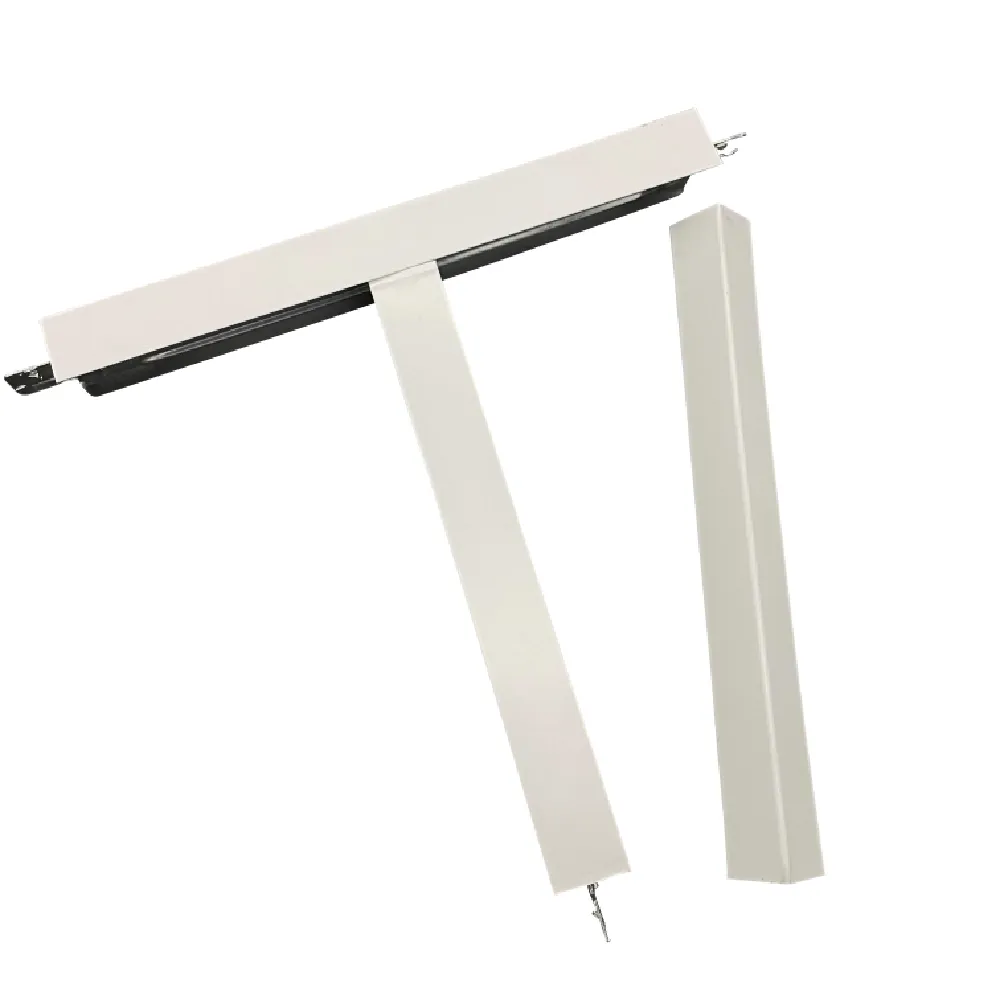
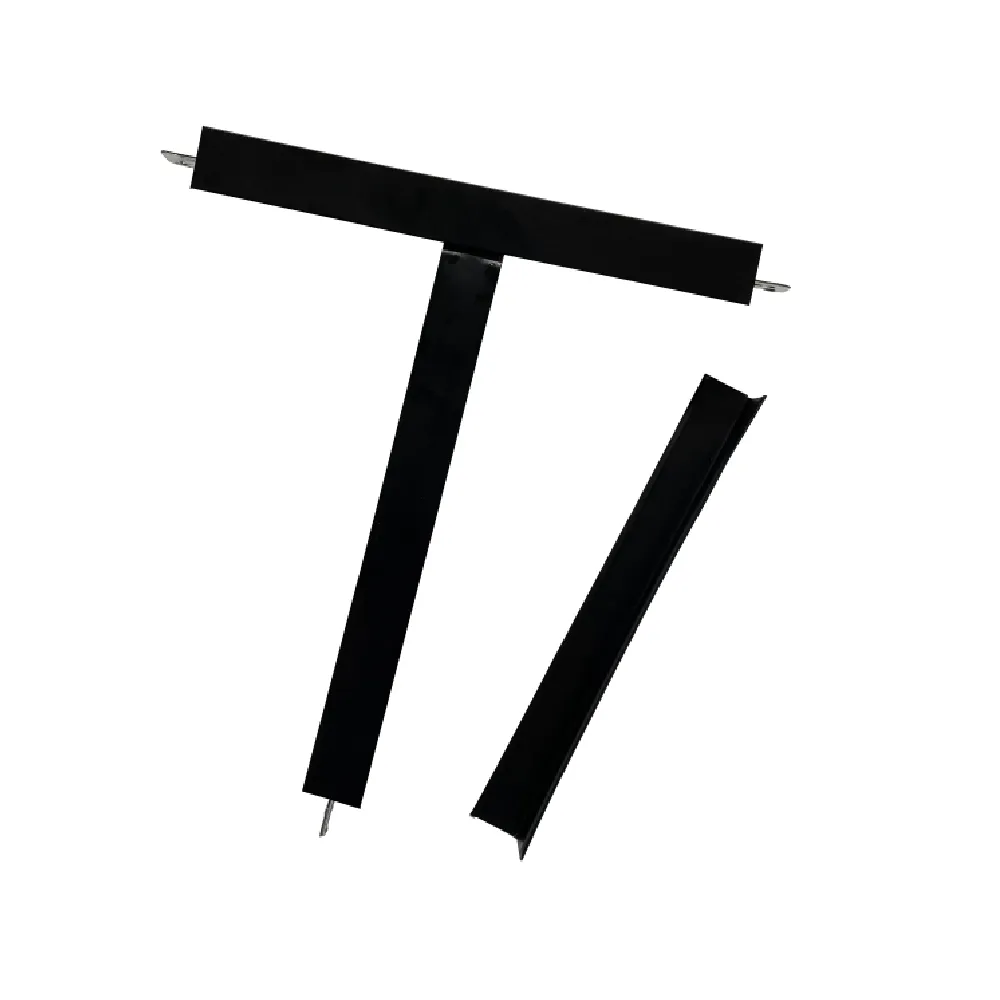
The Ceilings t grid Suspended System is produced in Jinzhou City, Hebei province (North of Xiangqiu village, North Zhaozhuang Industrial Zone). Options include flat, through, and three-dimensional profiles—matched to the board edge detail. Sizes below are common runners.
| Profile | Nominal Size | Thickness | Material/Finish | Notes |
|---|---|---|---|---|
| Main T | 32×24×3600 mm | 0.3 mm | HDG steel, polyester or powder coat | Zinc layer ≈ Z120–Z180; color RAL options |
| Cross T | 26×24×1200 mm | 0.3 mm | HDG steel | Click-lock or stab-in |
| Cross T | 26×24×600 mm | 0.3 mm | HDG steel | For 600×600 tiles |
| Wall Angle | 22×22×3000 mm | 0.3 mm | Prepainted steel | Square or shadow-line |
How it’s made (short version) and tested
Materials: cold-rolled, hot-dip galvanized steel; coil coated in white or project-specific RAL. Method: roll-forming, precision punching, paint bake, straightness control, and packaging with QR traceability. Typical QA: yield strength ≥220 MPa, zinc layer check, adhesion (cross-hatch), salt-spray spot checks, and hanging load tests per internal SOPs aligned to ASTM/EN norms.
Standards often referenced: ASTM C635 (metal suspension systems), ASTM C636 (installation), EN 13964 (suspended ceilings), and fire performance in assemblies coordinated with the ceiling tile (e.g., ASTM E84/EN 13501 with tile; grid itself is noncombustible steel). Expected service life: ≈15–25 years with appropriate environment class and maintenance.
Where a ceiling t grid shines
- Offices and retail: easy plenum access, repeatable module, quick MEP changes.
- Healthcare/clean areas: corrosion-protected grid, gasketed tiles if needed.
- Education/public buildings: acoustic flexibility; seismic kits where required.
Advantages many customers mention: tidy reveals, less “twist” on long mains, consistent clip engagement, and—surprisingly—packaging that doesn’t explode when you open it.
Vendor snapshot (informational, approximate)
| Vendor | Origin | Certs | Lead time | Typical range |
|---|---|---|---|---|
| Xingyuan Ceilings | Jinzhou, Hebei (CN) | ISO 9001; EN 13964 | 2–4 weeks | Main/Cross/Angle; Z120–Z180; custom RAL |
| Armstrong (AWI) | US/EU plants | UL GREENGUARD; EN 13964 | Stock to 3–5 weeks | Broad seismic accessories |
| Rockfon/Knauf | EU/Global | CE; ISO 14001 | 3–6 weeks | Matched to mineral/stone wool tiles |
Customization that matters on site
Profile heights, reveal types, corrosion class, and color (popular: RAL 9016/9003). Seismic design category options, special spans, and carry load verification. If your project needs a ceiling t grid in coastal C3–C4 environments, ask for upgraded zinc or duplex coating.
A couple of quick case notes
Retail rollout, South China: contractor reported ≈12% faster install using click mains; fewer field cuts due to consistent straightness. Hospital corridor upgrade: switched to higher zinc spec after humidity tests; no rust spotting at 18 months (spot check, n=12 bays). Feedback theme: “clips feel positive,” “boxes labeled clearly.”
Installation note: follow ASTM C636/EN 13964, observe local seismic bracing rules, and coordinate fire ratings with the chosen tile system.
Authoritative references
- ASTM C635/C635M – Standard Specification for Modular Metal Suspension Systems for Acoustical Tile and Lay-in Panels.
- ASTM C636/C636M – Standard Practice for Installation of Metal Ceiling Suspension Systems.
- EN 13964 – Suspended ceilings: Requirements and test methods.
- ISO 9001 – Quality management systems: Requirements.
- ASTM E84 / EN 13501-1 – Fire test methods for building materials (assembly-dependent).
-
Benefits and Guide of Mineral Fiber Ceiling Board for InteriorsNewsApr.16,2026
-
Modern Mineral Fiber Ceiling Solutions for Acoustic PerformanceNewsApr.09,2026
-
Mineral Fibre Board Ceiling vs Gypsum Board A Comprehensive Comparison GuideNewsApr.07,2026
-
Comprehensive Guide to Mineral Fiber Ceiling Specification and PerformanceNewsApr.04,2026
-
What Are Mineral Fiber Ceiling Tiles Made Of And Their ApplicationsNewsMar.31,2026
-
Exploring the Benefits of Suspended Mineral Fibre Ceiling Systems for Modern BuildingsNewsMar.28,2026