- Afrikaans
- Albanian
- Amharic
- Arabic
- Armenian
- Azerbaijani
- Basque
- Belarusian
- Bengali
- Bosnian
- Bulgarian
- Catalan
- Cebuano
- Corsican
- Croatian
- Czech
- Danish
- Dutch
- English
- Esperanto
- Estonian
- French
- German
- Greek
- Hindi
- Indonesian
- irish
- Italian
- Japanese
- Korean
- Lao
- Malay
- Myanmar
- Norwegian
- Norwegian
- Polish
- Portuguese
- Romanian
- Russian
- Serbian
- Spanish
- Swedish
- Thai
- Turkish
- Ukrainian
- Uzbek
- Vietnamese

Oct . 15, 2025 17:50 Back to list
Laminated gypsum board time saving
In the dynamic realm of construction and interior design, laminated gypsum board, pvc laminated ceiling, and pvc gypsum board have emerged as transformative materials, revolutionizing the way spaces are built and adorned. These products combine the inherent strength and fire - resistant properties of gypsum with the protective and aesthetic qualities of laminates, particularly PVC. Whether it's for creating durable walls, stylish ceilings, or functional partitions, these materials offer a wide range of benefits. From commercial buildings to residential homes, understanding the features, applications, and differences between these products is crucial for architects, contractors, and homeowners looking to achieve both functionality and visual appeal in their projects.
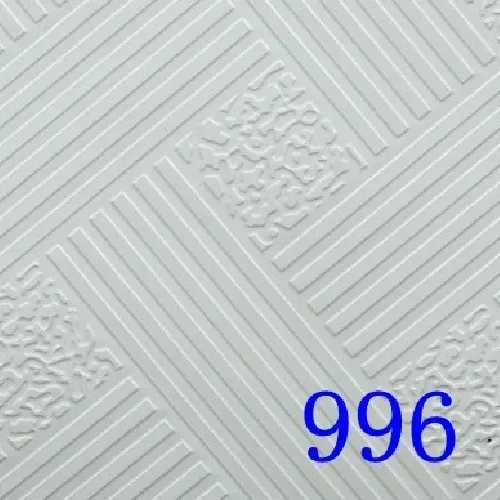
The Fundamentals and Applications of laminated gypsum board
Laminated gypsum board is a versatile building material that enhances the basic gypsum board by adding an outer layer, or laminate. This laminate can be made from various materials, including paper, fabric, or PVC, each imparting different characteristics to the board. The core of the board, composed of gypsum, provides excellent fire - resistance, sound - absorption, and structural stability, while the laminate adds an extra layer of protection and aesthetic value.
Composition and Manufacturing Process
- Gypsum Core: The heart of the laminated gypsum boardis made from gypsum, a soft sulfate mineral composed of calcium sulfate dihydrate. This core is non - combustible, making it a safe choice for construction projects where fire safety is a concern.
- Laminate Layer: Depending on the application, the laminate can be chosen for its specific properties. For example, a PVC laminate offers high moisture resistance, while a paper or fabric laminate can enhance the board's aesthetic appeal with different colors and textures.
- Manufacturing: The gypsum core is first formed into sheets, and then the laminate is bonded to one or both sides using adhesives or heat - pressing techniques.
Applications
- Interior Walls: Ideal for creating partition walls in commercial buildings, offices, and residential homes. The laminate can be chosen to match the interior design theme, providing a finished look without the need for additional painting or wallpapering.
- Ceiling Linings: When used as ceiling linings, laminated gypsum boardoffers both structural support and an attractive surface. It can be installed in suspended ceiling systems or directly attached to the ceiling joists.
- Bathroom and Kitchen Walls: In areas with high humidity, such as bathrooms and kitchens, a laminated gypsum boardwith a moisture - resistant laminate (like PVC) can prevent water damage and mold growth.
Unveiling the Features of PVC laminated ceiling
PVC laminated ceiling systems have become increasingly popular due to their combination of functionality and style. These ceilings are made by laminating a PVC layer onto a gypsum or other suitable core material, creating a ceiling surface that is not only visually appealing but also highly practical.
Key Features
- Moisture Resistance: The PVC layer acts as a barrier against moisture, making pvc laminated ceilingssuitable for areas prone to humidity, such as bathrooms, laundries, and kitchens.
- Aesthetic Variety: PVC can be manufactured in a wide range of colors, patterns, and textures. This allows for customization to match any interior design scheme, from modern and minimalist to traditional and ornate.
- Easy Maintenance: The smooth surface of the PVC laminate is easy to clean. A simple wipe with a damp cloth is usually sufficient to remove dirt and stains, ensuring that the ceiling remains looking fresh and new.
- Durability: PVC is a tough and resilient material. It resists scratches, dents, and impacts, making it suitable for high - traffic areas.
Exploring the Advantages of PVC gypsum board
PVC gypsum board combines the best of both gypsum and PVC materials. The gypsum core provides structural integrity, fire resistance, and acoustic insulation, while the PVC layer offers protection and enhanced functionality.
Advantages
- Fire Resistance: Gypsum is inherently fire - resistant, and this property is maintained in pvc gypsum board. It can withstand high temperatures for an extended period, providing valuable time in case of a fire emergency.
- Acoustic Performance: The gypsum core absorbs sound, reducing noise transmission between rooms. This makes pvc gypsum boardan excellent choice for areas where soundproofing is required, such as recording studios, offices, and bedrooms.
- Waterproofing: The PVC layer on the board acts as a waterproof barrier. This is particularly useful in areas where water exposure is likely, preventing the gypsum core from swelling or deteriorating.
- Cost - Effectiveness: Compared to some other high - performance building materials, pvc gypsum boardoffers a good balance between cost and quality. It provides multiple benefits at a relatively affordable price.
Applications
- Commercial Buildings: Used for interior walls, partitions, and ceilings in commercial spaces. Its fire - resistant and acoustic properties make it suitable for office buildings, shopping malls, and hotels.
- Residential Construction: In homes, PVC gypsum boardcan be used for creating interior walls, especially in areas like bathrooms and basements where moisture resistance is important. It can also be used for ceiling installations to add both functionality and style.
- Educational Institutions: Schools and universities often use PVC gypsum boardfor its fire safety and sound - absorbing qualities, creating a safe and quiet learning environment.
FAQS about laminated gypsum board, PVC laminated ceiling, and PVC gypsum board
Can laminated gypsum board be used for exterior applications?
Laminated gypsum board is primarily designed for interior use. Although the laminate can provide some protection, the gypsum core is not suitable for prolonged exposure to outdoor elements such as rain, sunlight, and extreme temperatures. Prolonged exposure can cause the gypsum to deteriorate, leading to cracking and swelling. For exterior applications, it is recommended to use materials specifically designed for outdoor conditions, such as fiber - cement boards or treated wood panels.
How do I clean and maintain a PVC laminated ceiling?
Cleaning and maintaining a PVC laminated ceiling is relatively easy. Regularly dust the ceiling using a soft - bristle brush or a vacuum cleaner with a brush attachment to remove surface dirt. For more stubborn stains, mix a mild detergent with warm water and use a soft cloth or sponge to gently wipe the affected area. Avoid using abrasive cleaners or tools, as they can scratch the PVC surface. After cleaning, rinse the area with clean water and dry it with a soft, dry cloth to prevent water spots.
What is the difference between PVC laminated ceiling and PVC gypsum board?
The main difference lies in their intended use and form. PVC laminated ceiling is specifically designed for ceiling installations and is usually available in tile form, which fits into a grid system. It focuses on providing a decorative and functional ceiling surface with high moisture resistance. On the other hand, PVC gypsum board is a more versatile material that can be used for walls, ceilings, and partitions. It comes in large sheets and offers a combination of fire resistance, acoustic insulation, and moisture protection due to the PVC - gypsum combination.
Can PVC gypsum board be painted?
Yes, PVC gypsum board can be painted. However, it is important to prepare the surface properly before painting. First, clean the board to remove any dirt, dust, or grease. Then, apply a primer specifically designed for PVC surfaces. This will help the paint adhere better to the board. After the primer has dried, you can apply your chosen paint using a roller, brush, or sprayer. Use high - quality paint for the best results and durability.
How thick should laminated gypsum board be for wall construction?
The thickness of laminated gypsum board for wall construction depends on several factors, such as the height of the wall, the load it needs to bear, and local building codes. For most interior partition walls in residential and commercial buildings, a thickness of 12 - 15 mm is commonly used. Thicker boards, may be required for load - bearing walls or walls that need to provide enhanced soundproofing or fire resistance. It is always advisable to consult local building regulations and a professional contractor for the appropriate thickness for your specific project.
Explore our extensive range of products on our website, where you can find detailed information about each product, including specifications, applications, and design options. Our team of experts is also available to answer any questions you may have and provide personalized recommendations. Don't settle for ordinary building materials. Choose [Shijiazhuang Xingyuan decoration materials Co., LTD] and elevate your projects to new heights of quality and innovation.
-
Benefits and Guide of Mineral Fiber Ceiling Board for InteriorsNewsApr.16,2026
-
Modern Mineral Fiber Ceiling Solutions for Acoustic PerformanceNewsApr.09,2026
-
Mineral Fibre Board Ceiling vs Gypsum Board A Comprehensive Comparison GuideNewsApr.07,2026
-
Comprehensive Guide to Mineral Fiber Ceiling Specification and PerformanceNewsApr.04,2026
-
What Are Mineral Fiber Ceiling Tiles Made Of And Their ApplicationsNewsMar.31,2026
-
Exploring the Benefits of Suspended Mineral Fibre Ceiling Systems for Modern BuildingsNewsMar.28,2026