
Oct . 17, 2025 11:00 Back to list
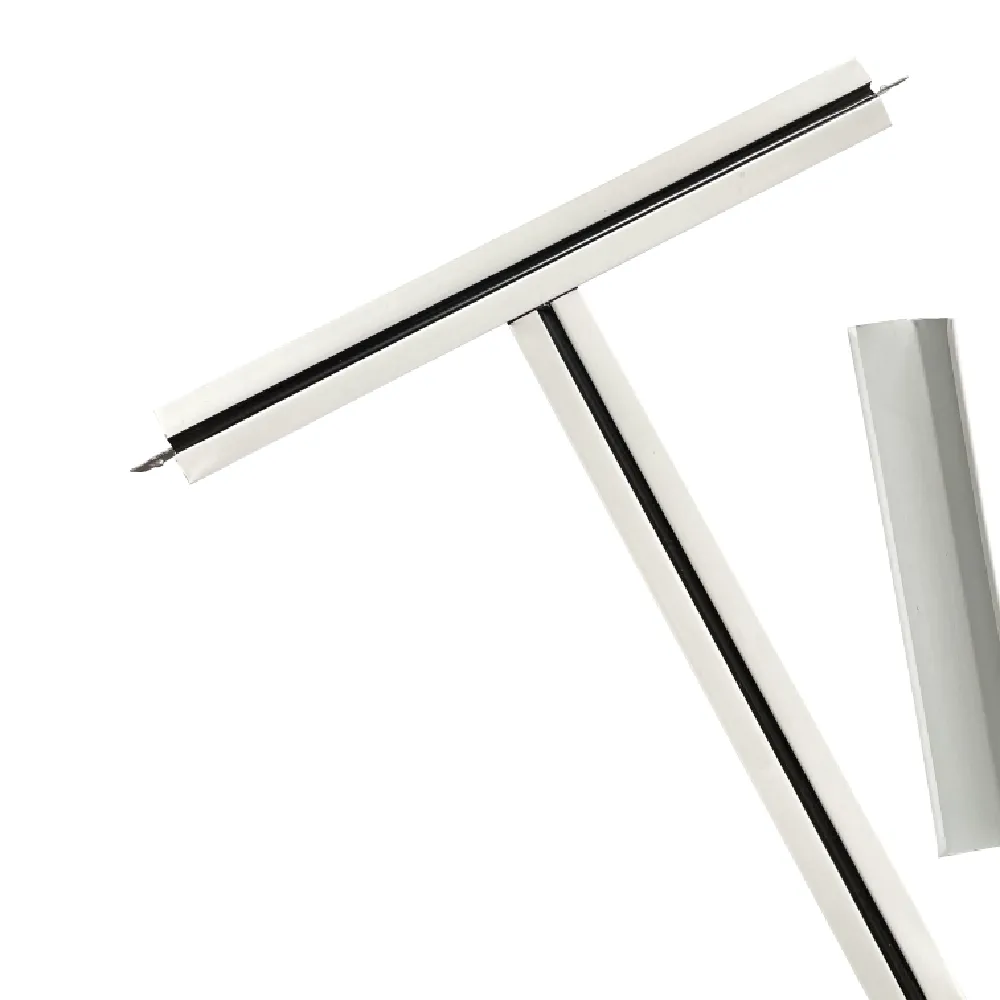
Ceiling T Grid: Durable, Easy-Install, Fire-Resistant System
A Practical Insider’s Take on the Ceilings t grid Suspended System
If you’ve ever stared up at an office ceiling and wondered why it looks so clean and straight—well, a lot of that credit goes to the humble ceiling t grid. I’ve specified and audited more of these than I can count, and, to be honest, the difference between a “good enough” grid and a great one shows up after a few years—when it either stays square and sleek or starts to sag and spot.
What’s Trending (and why it matters)
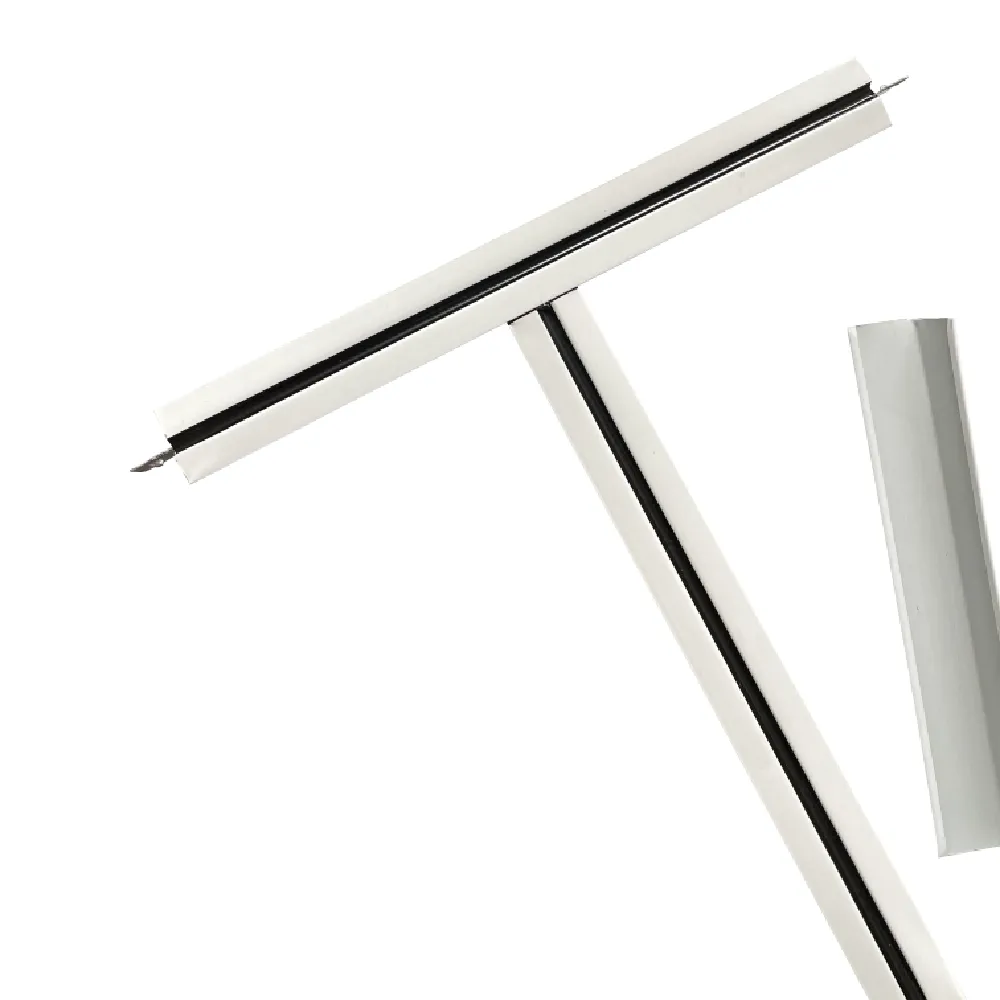
The market’s leaning into corrosion-resistant coatings, slimmer sightlines, and faster “click-in” installs. In fact, specifiers in healthcare and data centers are pushing for tighter tolerances, antimicrobial finishes, and compliance with EN 13964 and ASTM C635/C636. Many customers say the most underrated upgrade is simply consistent steel thickness—0.3 mm that is actually 0.3 mm.
Technical Specs (real-world focused)
Origin: North of Xiangqiu village, North Zhaozhuang Industrial Zone, Jinzhou City, Hebei province. Formats include flat, through, and three-dimensional profiles. Here’s a compact snapshot (values are typical; real-world use may vary):
| Item | Spec / Note |
|---|---|
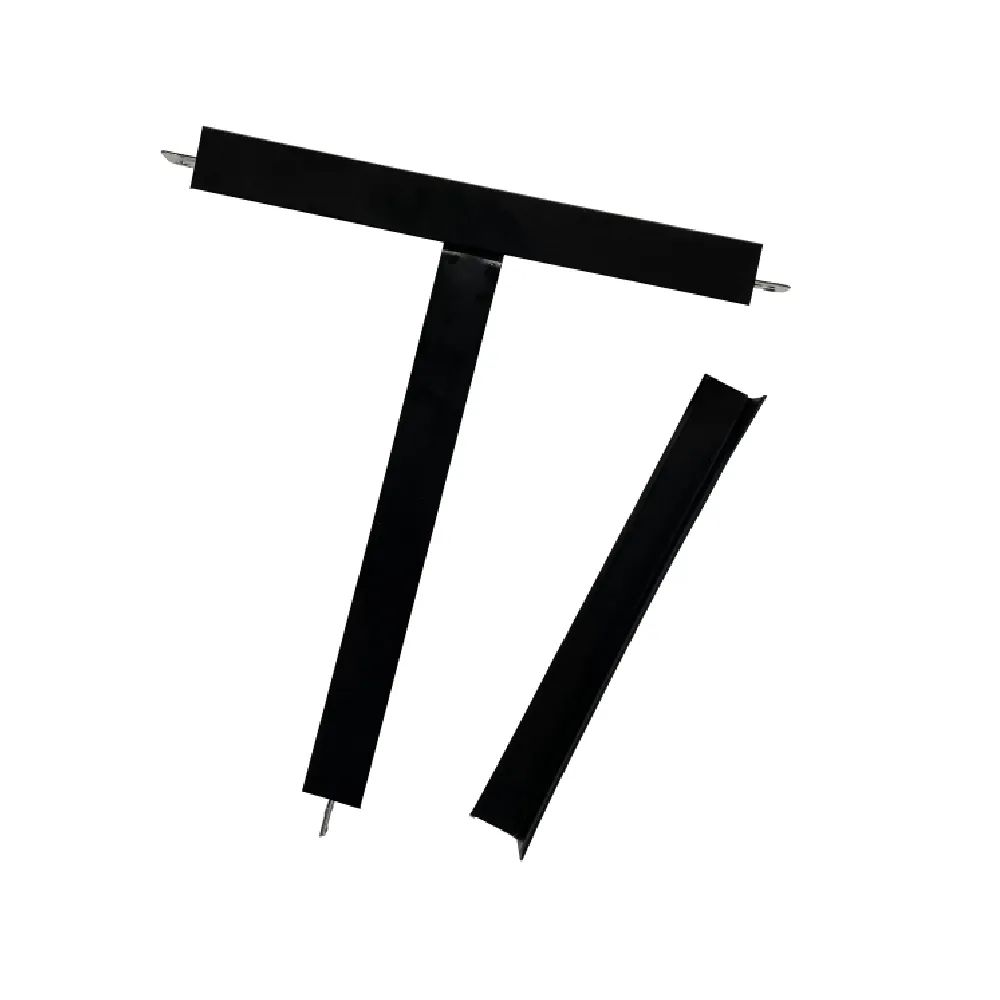
| Dimensions | 32×24×3600×0.3 mm; 26×24×1200×0.3 mm; 26×24×600×0.3 mm; 22×22×3000×0.3 mm |
| Steel Grade | DX51D/SGCC, galvanized (≈ Z120–Z140) |
| Finish | Polyester baked enamel, white RAL ≈9016; custom colors available |
| Load Class | ASTM C635 Intermediate Duty (typical office/service loads) |
| Service Life | ≈15–25 years with proper installation and environment |
How it’s made (and tested)
Materials are coil steel → degreasing → galvanizing → roll-forming → precision punching/notching → locking tab forming → baking finish → QC. Tests: straightness, clip pull-out, coating adhesion (cross-hatch), salt-spray per ASTM B117/ISO 9227, and system compliance to ASTM C635/C636 and EN 13964. Typical in-house results: clip pull-out ≥180–220 N; coating adhesion 0–1 grade; salt-spray 96–120 h without red rust on the face.
Applications and advantages
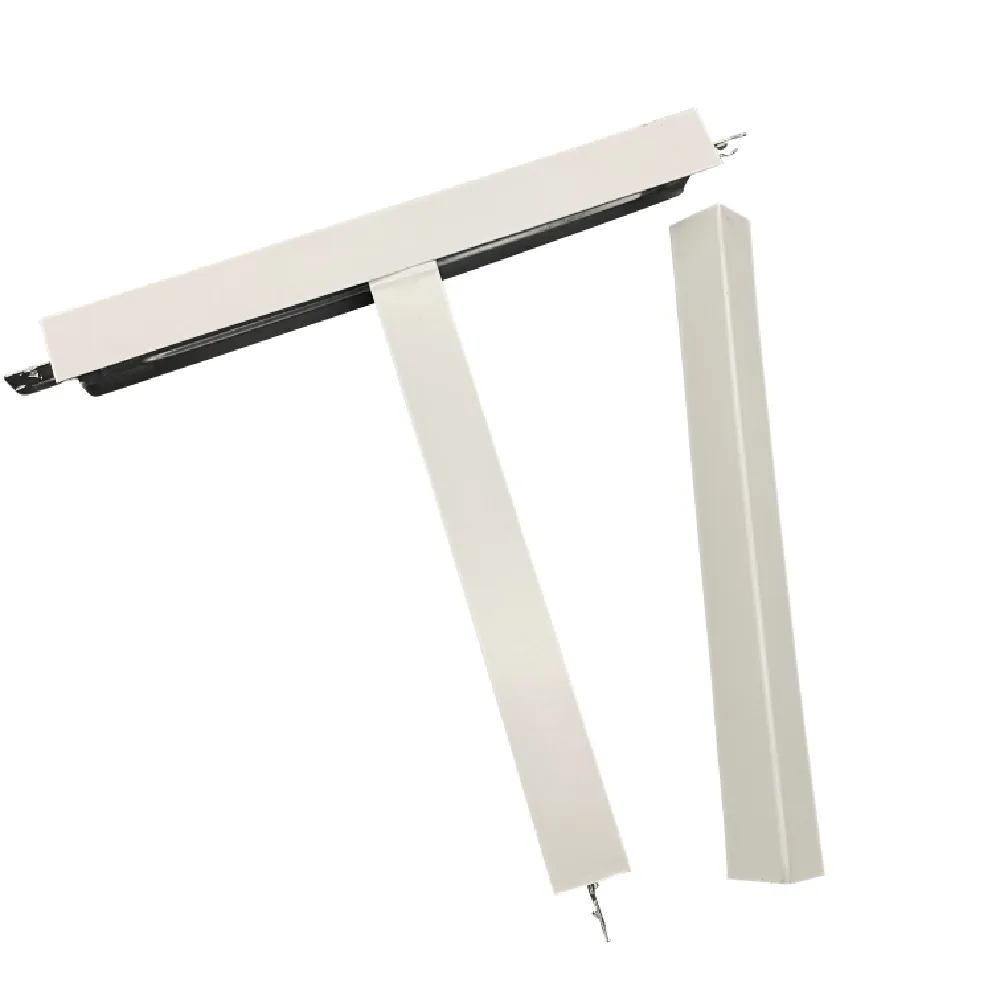
Offices, schools, retail, hospitals, transport hubs, and yes—clean-ish environments where access is key. The ceiling t grid lets you swap tiles, route MEP, and keep a tidy installation. Advantages: predictable module control, rapid install, easy maintenance, and budget-friendly acoustic upgrades with mineral fiber tiles.
Customization (because one size rarely fits all)
Options include 0.25–0.35 mm thicknesses, special lengths, stab vs. hook locking, custom color, and corrosion packages. We can match the grid to the board edge (flat, through, three-dimensional) so lines look intentional—not improvised.
Vendor comparison (quick reality check)
| Vendor | Thickness | Coating | Main Tee | Certs | Lead Time | Note |
|---|---|---|---|---|---|---|
| Xingyuan Ceilings | 0.3 mm (±0.02) | Z120–Z140 + enamel | 3600 mm | ISO 9001, CE, SGS | ≈10–15 days | Tight tolerances |
| Brand A | 0.25–0.3 mm | Z100–Z120 | 3600 mm | ISO 9001 | ≈15–20 days | Economy option |
| Brand B | 0.3–0.35 mm | Z140+ | 3660 mm | ISO 9001, CE | ≈20–30 days | Premium pricing |
Use cases, feedback, and certifications
Healthcare retrofit: a hospital corridor required Intermediate Duty with 600×600 tiles; the ceiling t grid held alignment after MEP add-ons—no visible drift after 12 months. Data center aisle: clients liked the clean seismic bracing layout (per CISCA guidelines). Feedback is consistent: “solid clips, minimal twist.” Certifications commonly requested: ISO 9001, CE marking; conformity to ASTM C635/C636 and EN 13964.
Final thought
You don’t need the flashiest spec—just credible steel, honest thickness, and coatings that stand up. Choose a ceiling t grid that matches your tiles and your maintenance reality, and your ceiling will quietly do its job for decades.
References
- ASTM C635/C635M – Standard Specification for Metal Suspension Systems for Acoustical Tile and Lay-In Panel Ceilings.
- ASTM C636/C636M – Standard Practice for Installation of Metal Ceiling Suspension Systems.
- EN 13964 – Suspended ceilings. Requirements and test methods.
- ISO 9227 – Corrosion tests in artificial atmospheres – Salt spray tests.
- ISO 9001 – Quality management systems – Requirements.
-
PVC Ceiling vs Gypsum Which is the Best Choice for Your SpaceNewsJul.01,2026
-
Gypsum vs PVC Ceiling Which Material is Right for Your SpaceNewsJun.29,2026
-
The Key Difference Between Gypsum and PVC Ceiling MaterialsNewsJun.27,2026
-
Ultimate Guide to Durable PVC Laminated Tiles for Modern InteriorsNewsJun.26,2026
-
Latest PVC Laminated Gypsum Ceiling Tiles Price and Value GuideNewsJun.25,2026
-
Premium Durable Vinyl Coated Gypsum Ceiling Tiles for InteriorsNewsJun.23,2026