
Sep . 23, 2025 13:20 Back to list
Ceiling T Grid Systems: Durable, Easy Install Grid Ceiling Material
Understanding the Modern ceiling t grid System
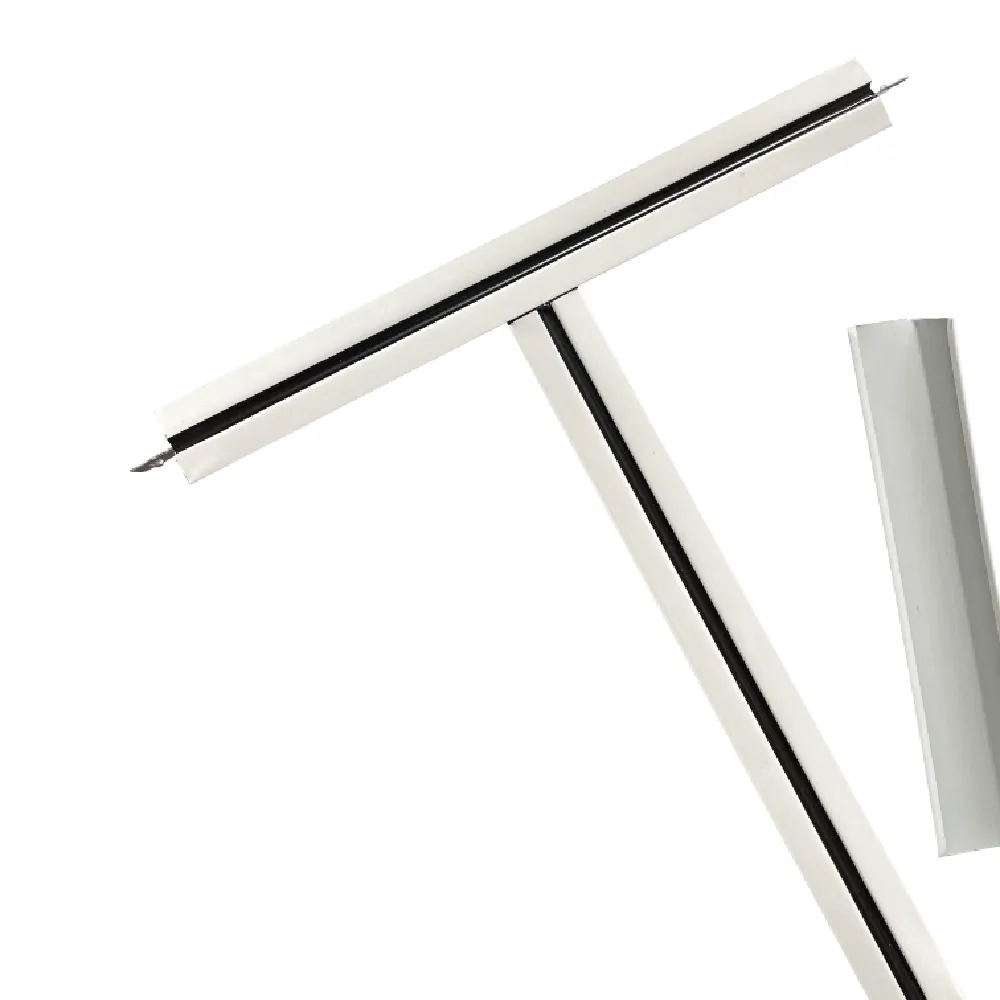
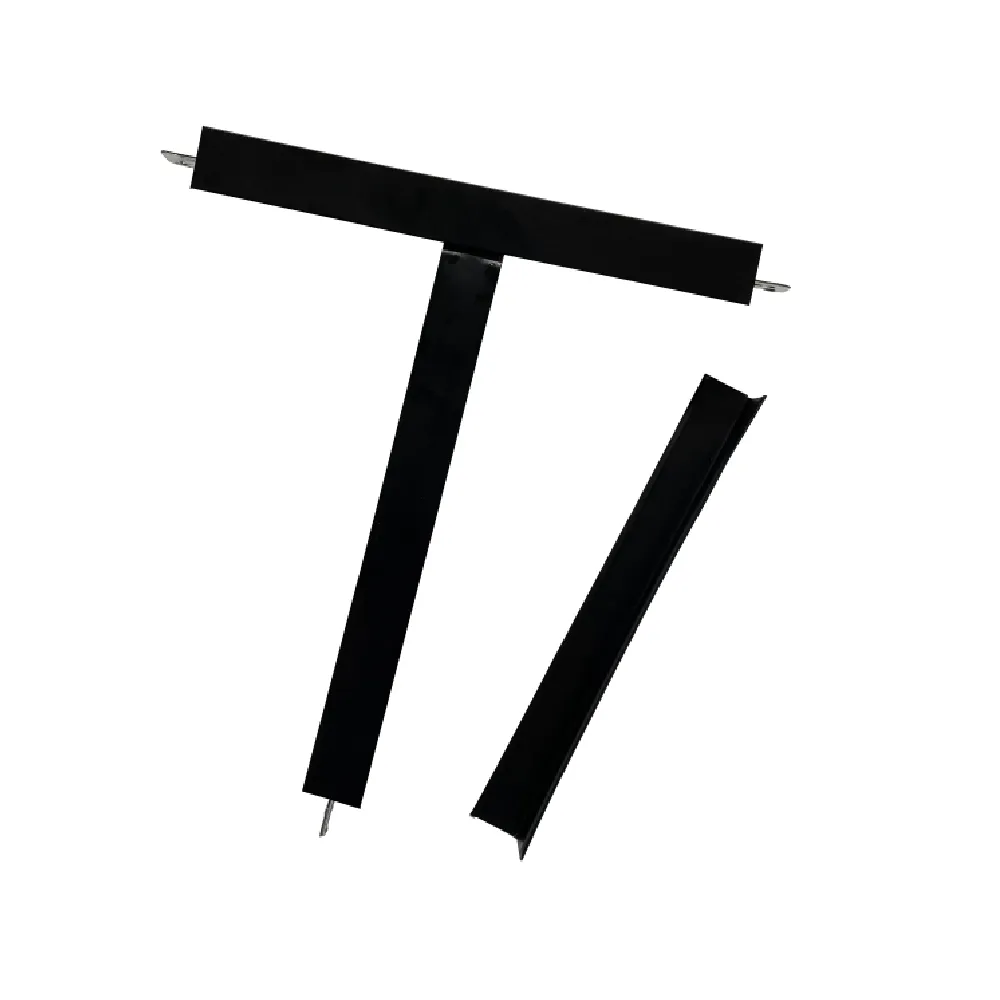
The modern construction industry demands innovative, efficient, and aesthetically pleasing solutions for interior finishes. Among these, suspended ceiling systems, particularly those utilizing the ceiling t grid, stand out as a cornerstone for commercial, industrial, and institutional projects. This foundational component provides the structural integrity for various ceiling panels, accommodating essential services like lighting, HVAC, and fire suppression systems while offering easy access for maintenance. Our Ceilings t grid Suspended System is engineered for superior performance, durability, and ease of installation, addressing the rigorous demands of contemporary building designs.
This article delves into the technical intricacies, application versatility, and strategic advantages of advanced ceiling t grid systems, providing B2B decision-makers and engineers with comprehensive insights to inform their procurement and project planning. We will explore everything from manufacturing processes and material specifications to industry trends, comparative analyses, and real-world case studies.
Industry Trends in Suspended Ceiling Grids
The market for ceiling t grid systems is evolving rapidly, driven by sustainability initiatives, advanced material science, and increasing demands for integrated building solutions. Key trends include:
- Enhanced Sustainability: A growing emphasis on eco-friendly grid ceiling material, including recycled content, low VOC emissions, and cradle-to-cradle certified products. Manufacturers are increasingly focusing on reducing the environmental footprint throughout the product lifecycle.
- Modular and Flexible Designs: The rise of modular construction and adaptable interior spaces necessitates grid systems that offer greater flexibility for reconfigurations, easy integration of smart building technologies, and quick installation.
- Improved Aesthetics and Integration: Beyond functional support, modern grids are designed to contribute to the aesthetic appeal of a space. This includes concealed grid options, narrow face grids, and systems that seamlessly integrate lighting, sound masking, and air diffusers.
- Durability and Performance: Demand for systems that offer superior seismic performance, humidity resistance, and fire safety ratings, particularly in critical infrastructure and high-traffic commercial environments.
- Cost Efficiency and Installation Speed: Innovations in design and manufacturing are leading to systems that are quicker to install, reducing labor costs and overall project timelines. The drywall ceiling grid price and gridstone ceiling tile cost are often evaluated in conjunction with installation efficiency.
These trends highlight a market pushing for systems that are not only structurally sound but also environmentally responsible, versatile, and economically viable.
The Manufacturing Process of ceiling t grid Systems
The production of high-quality ceiling t grid components involves a series of precision engineering and quality control steps to ensure durability, dimensional accuracy, and structural integrity. Our manufacturing process adheres to stringent international standards, including ISO 9001 for quality management.
Detailed Process Flow:
- Material Selection and Preparation: We primarily utilize hot-dipped galvanized steel, chosen for its excellent corrosion resistance and strength. Aluminum alloys are also used for specific applications requiring lighter weight or enhanced moisture resistance. Materials undergo rigorous incoming quality control to verify chemical composition and mechanical properties.
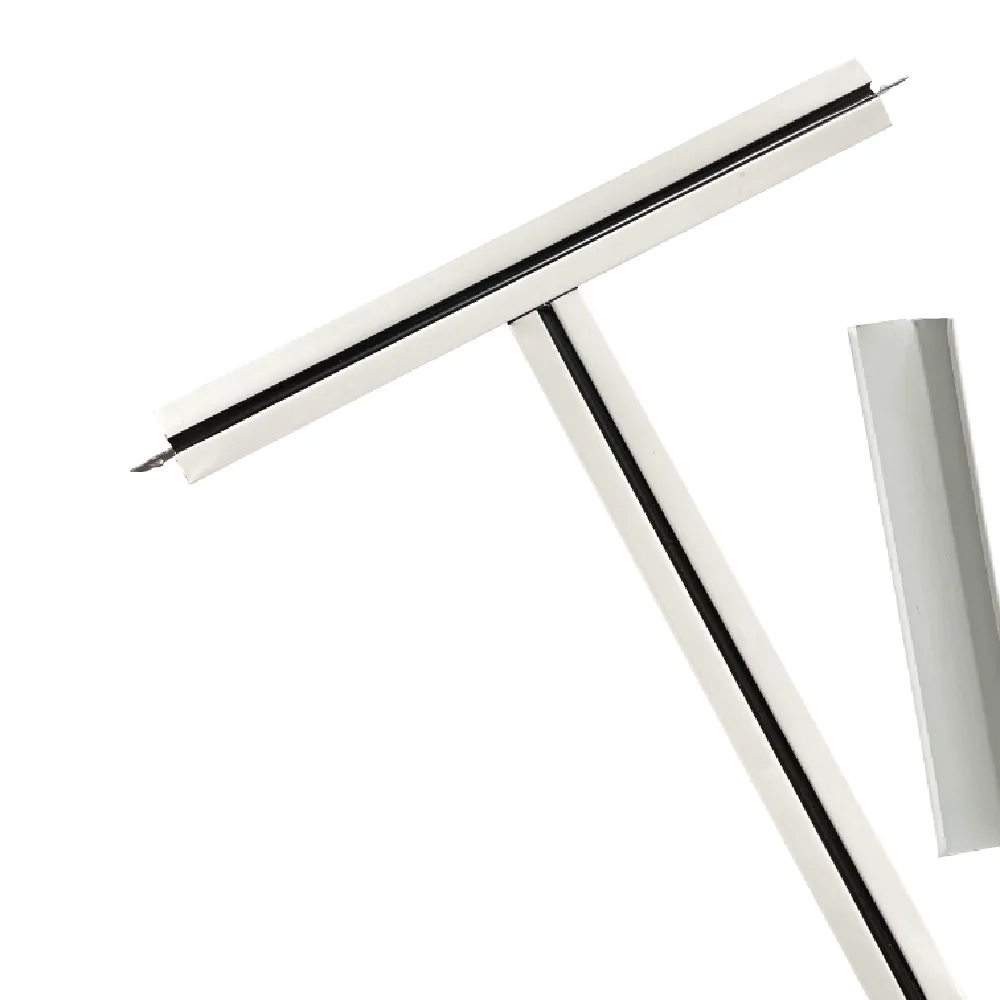
- Roll Forming (CNC Machining): High-precision CNC roll forming machines transform galvanized steel coils into the intricate "T" profile of main runners and cross tee ceiling components. This process ensures consistent dimensions, critical for seamless panel integration and uniform suspension. Tolerances are typically held within ±0.05 mm.
- Punching and Notching: Automated punching machines create the necessary slots and holes for cross tee connections, hanger wire attachments, and other accessory interfaces. This step is crucial for the interlocking mechanism and the overall stability of the grid system.
- Surface Treatment and Finishing: Depending on client specifications, components may undergo further surface treatments. This includes pre-painted finishes (e.g., baked enamel or powder coating) for aesthetic purposes and enhanced corrosion resistance. Our standard white finish offers a high light reflectance (typically >85%).
- Assembly and Packaging: Finished main runners and cross tees are assembled into bundles, meticulously inspected for defects, and then packaged to prevent damage during transit. Packaging often includes protective wraps and robust cartons to safeguard the integrity of the grid ceiling material.
- Quality Assurance and Testing: Throughout the entire process, components are subjected to comprehensive testing. This includes:
- Dimensional Accuracy: Verification of length, width, and height using calibrated digital calipers.
- Load Bearing Capacity: Testing according to ASTM C635/C635M standards to ensure the grid can safely support specified ceiling loads.
- Corrosion Resistance: Salt spray testing (e.g., ASTM B117) to evaluate performance in corrosive environments.
- Fire Performance: Compliance with fire ratings like ASTM E119 when used with appropriate ceiling panels.
Service Life and Target Industries: Our ceiling t grid systems are engineered for a service life exceeding 30 years under normal indoor conditions, backed by our commitment to quality. They are critical in diverse sectors such as petrochemical facilities (for corrosion resistance), metallurgy plants (for robust load-bearing), water supply & drainage infrastructure (for humidity resistance), commercial offices, educational institutions, and healthcare facilities. For instance, in petrochemical environments, the galvanized coating offers critical protection against chemical vapours, ensuring long-term structural integrity and safety. In commercial settings, the ease of access provided by the grid significantly reduces maintenance downtime.
Technical Specifications and Parameters
Understanding the precise technical parameters of a ceiling t grid system is crucial for architects, engineers, and contractors to ensure compliance with building codes and project-specific requirements. Our Ceilings t grid Suspended System offers robust performance validated by industry standards.
Standard Product Specifications:
| Parameter | Main Runner (Ceilings t grid) | Cross Tee (1200mm) | Cross Tee (600mm) | Wall Angle |
|---|---|---|---|---|
| Material | Hot-dipped Galvanized Steel | Hot-dipped Galvanized Steel | Hot-dipped Galvanized Steel | Hot-dipped Galvanized Steel |
| Flange Width | 24mm / 15mm | 24mm / 15mm | 24mm / 15mm | 22mm |
| Height | 32mm / 38mm | 23mm / 26mm / 32mm | 23mm / 26mm / 32mm | 22mm |
| Length | 3600mm / 3660mm | 1200mm / 1220mm | 600mm / 610mm | 3000mm / 3050mm |
| Thickness | 0.23mm - 0.40mm | 0.23mm - 0.40mm | 0.23mm - 0.40mm | 0.23mm - 0.40mm |
| Zinc Coating | Z80 - Z275 (g/m²) | Z80 - Z275 (g/m²) | Z80 - Z275 (g/m²) | Z80 - Z275 (g/m²) |
| Fire Resistance | Class A (non-combustible, per ASTM E84) | |||
| Load Capacity | Light Duty to Heavy Duty (0.24 kN/m² to 0.72 kN/m² as per ASTM C635) | |||
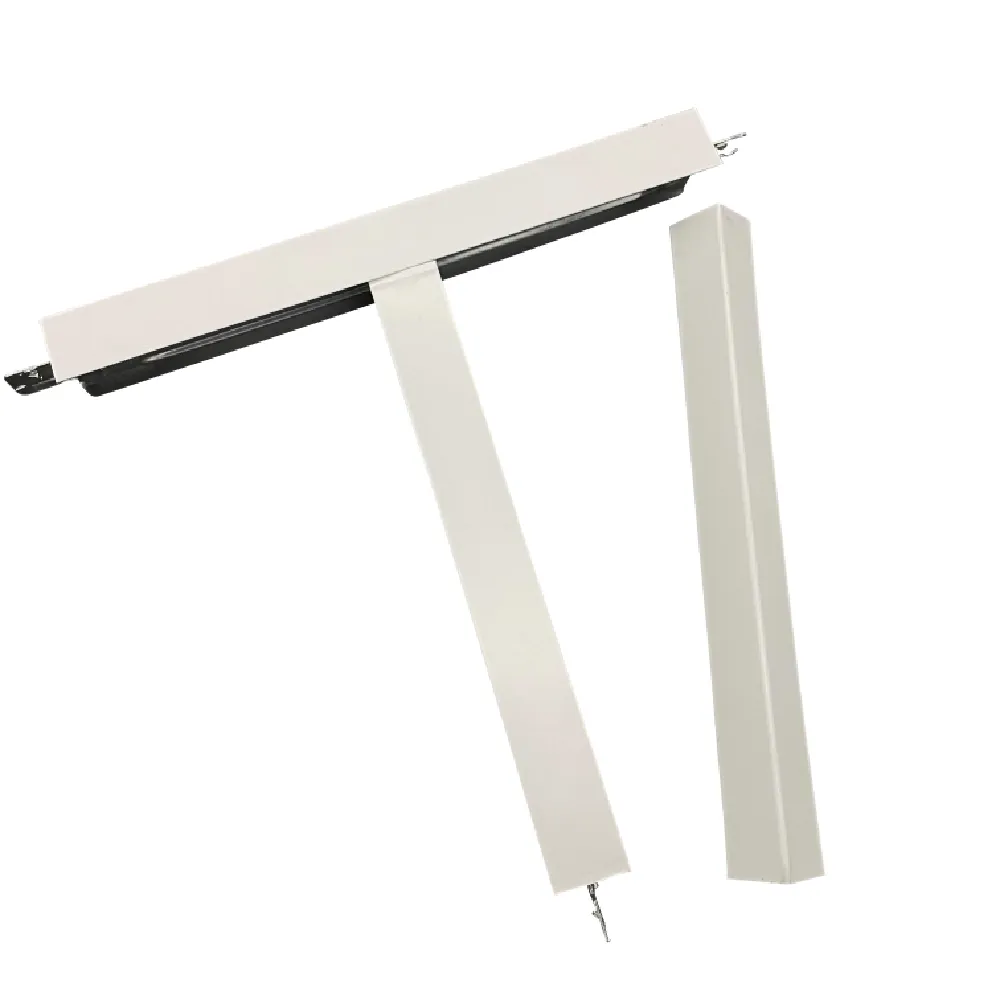
Our adherence to standards such as ASTM C635 (Standard Specification for Manufacture, Performance, and Testing of Metal Suspension Systems for Acoustical Tile and Lay-in Panel Ceilings) and ASTM C636 (Standard Practice for Installation of Metal Suspension Systems for Acoustical Tile and Lay-in Panel Ceilings) ensures that our ceiling t grid products are not only compliant but also optimized for robust and reliable performance in a wide array of ceiling installations.
Application Scenarios and Technical Advantages
The versatility and inherent advantages of ceiling t grid systems make them indispensable across various sectors. Here's how our systems deliver value:
Typical Application Scenarios:
- Commercial Offices: Facilitates easy integration of lighting, HVAC, and communication systems, offering both aesthetic appeal and functional access for maintenance. Improves acoustic performance when paired with appropriate panels.
- Healthcare Facilities: Essential for sterile environments, accommodating complex medical infrastructure. Our grids can support antimicrobial panels and meet stringent hygienic requirements.
- Educational Institutions: Provides durable, easy-to-maintain ceilings that can withstand high traffic and allow for flexible classroom layouts and technology upgrades.
- Retail Spaces: Offers a clean, modern look while enabling dynamic lighting schemes and concealing extensive wiring for displays and security.
- Industrial & Manufacturing Plants: High load-bearing capacity and corrosion resistance make them suitable for environments where robust overhead infrastructure is critical, allowing for conduit and pipe routing above the ceiling line.
- Data Centers: Critical for managing extensive cabling and cooling systems. The accessibility simplifies upgrades and troubleshooting, minimizing downtime.
Technical Advantages:
- Corrosion Resistance: Hot-dipped galvanized steel construction provides superior protection against rust and degradation, crucial for humid or chemically exposed environments. This extends the service life and reduces maintenance costs.
- Fire Safety: Engineered to meet stringent fire ratings, our grid systems contribute to the overall fire safety of a building, offering critical time for evacuation and mitigating structural damage.
- Seismic Performance: Our systems can be designed and installed with seismic bracing, ensuring structural integrity and minimizing damage during seismic events, particularly important in earthquake-prone regions.
- Ease of Installation and Accessibility: The interlocking design of main runners and cross tees simplifies assembly, significantly reducing installation time and labor costs. The lay-in panel design allows for quick access to plenum spaces for maintenance or modifications.
- Acoustic Performance: When combined with appropriate acoustic panels, our grids help create spaces with optimal sound absorption and attenuation, enhancing comfort and productivity.
- Energy Saving: By creating a plenum space, our grid systems allow for efficient distribution of HVAC, minimizing heat loss/gain and contributing to overall building energy efficiency.
These advantages underscore the value proposition of a well-engineered ceiling t grid system, delivering long-term performance and cost savings for diverse applications.
Vendor Comparison and Customized Solutions
Selecting the right vendor for your ceiling t grid needs requires careful evaluation of product quality, technical support, and customization capabilities. While many suppliers offer standard grid systems, Xingyuan Ceilings differentiates itself through superior engineering, comprehensive certifications, and dedicated client solutions.
Comparative Analysis: Xingyuan Ceilings vs. Generic Suppliers
| Feature/Aspect | Xingyuan Ceilings T-Grid System | Generic / Low-Cost Supplier |
|---|---|---|
| Material Quality (Zinc Coating) | High-grade Hot-dipped Galvanized Steel (Z80-Z275 g/m²), consistent thickness (0.23-0.40mm) | Variable, often lower zinc coating (e.g., Z60 or less), inconsistent thickness, susceptibility to rust |
| Precision & Fit | CNC Roll Formed, interlocking design for tight, seamless fit, minimal panel gaps | Less precise forming, loose connections, visible gaps, often requiring field modifications |
| Certifications & Standards | ISO 9001, ASTM C635/C635M, ASTM E84, comprehensive load testing data | Limited or no verifiable international certifications; often relies on basic material specs only |
| Durability & Service Life | 30+ years, excellent corrosion resistance, high load capacity retention | Shorter lifespan, prone to sagging and corrosion, higher long-term replacement costs |
| Customization | Extensive options for dimensions, finishes, load capacities, seismic designs | Minimal customization, primarily standard sizes and finishes |
| Technical Support | Dedicated engineering support, project-specific calculations, installation guidance | Basic product data sheets, limited or no engineering consultation |
Customized Solutions:
Recognizing that every project has unique requirements, Xingyuan Ceilings specializes in providing tailored ceiling t grid solutions. Our capabilities include:
- Non-Standard Dimensions: Production of main runners and cross tee ceiling components in custom lengths and heights to perfectly match specific architectural designs or integrate with non-standard ceiling panels.
- Special Finishes: Beyond standard white, we offer a range of pre-painted colors, metallic finishes, or even anodized aluminum options to meet specific aesthetic requirements.
- Enhanced Performance Grids: Development of grids with increased load-bearing capacity for heavy-duty applications (e.g., supporting specialized equipment), or systems with superior humidity and chemical resistance for aggressive environments.
- Seismic & High-Wind Solutions: Engineering and testing of grid systems designed to withstand specific seismic zones or high-wind load conditions, including custom bracing and connection details.
- Integrated Systems: Design and manufacturing of grids that seamlessly integrate with proprietary lighting fixtures, ventilation systems, or smart building sensors, ensuring a cohesive and functional ceiling.
Our engineering team collaborates closely with clients to develop solutions that not only meet performance criteria but also optimize installation efficiency and cost-effectiveness for complex projects. We understand that the drywall ceiling grid price and gridstone ceiling tile cost are significant considerations, and our customized solutions aim to provide long-term value that outweighs initial costs.
Application Case Studies & Customer Experience
Our commitment to quality and client satisfaction is best demonstrated through our successful project implementations and the positive feedback from our partners. Here are a few examples showcasing the application of our Ceilings t grid Suspended System.
Case Study 1: Large-Scale Commercial Office Complex
Client: Major Real Estate Developer, North America
Challenge: To provide a versatile, aesthetically pleasing, and easy-to-maintain suspended ceiling system for over 50,000 square meters of office space, integrating advanced lighting and HVAC.
Solution: We supplied our standard 24mm flange ceiling t grid system with a high-reflectance white finish. The interlocking design facilitated rapid installation, meeting aggressive project timelines. The grid's robust construction supported various acoustic and fire-rated ceiling panels, ensuring comfort and safety.
Outcome: The project was completed on schedule and within budget. The client praised the system's ease of installation, durability, and the seamless integration of building services. The accessible plenum space has significantly reduced maintenance costs for building management.
Case Study 2: Petrochemical Research Facility
Client: Leading Global Energy Corporation, Middle East
Challenge: Design a suspended ceiling system for laboratory and control room areas requiring exceptional corrosion resistance due to exposure to chemical fumes, alongside strict fire safety standards.
Solution: We engineered a specialized ceiling t grid system featuring galvanized steel with a Z275 zinc coating and an additional chemically resistant powder coat. The system was tested for enhanced corrosion resistance (exceeding 1000 hours in salt spray tests) and paired with fire-rated panels.
Outcome: The customized solution provided superior protection against corrosive elements, ensuring the long-term integrity of the ceiling infrastructure. The client noted the exceptional material quality and our proactive engineering support throughout the project, critical for such a demanding environment.
Customer Feedback:
"Xingyuan Ceilings provided an exceptionally reliable ceiling t grid system for our new hospital wing. The quality of the components significantly sped up installation, and the technical support team was invaluable in helping us meet specific acoustic and hygiene requirements. We've experienced zero issues since installation."
— Project Manager, Healthcare Infrastructure Development
Trust and Support: FAQ, Lead Times, Warranty, and After-Sales
Frequently Asked Questions (FAQ):
- Q: What is the primary material used for your ceiling t grid systems?
- A: Our primary material is hot-dipped galvanized steel, which offers excellent strength and superior corrosion resistance. We also offer aluminum options for specific lightweight or high-moisture applications.
- Q: Are your grid systems compatible with all types of ceiling panels?
- A: Our ceiling t grid systems are designed to be universally compatible with standard lay-in and tegular edge acoustical and gypsum ceiling panels. We offer various flange widths (15mm and 24mm) to accommodate different panel edge details. For custom panels, please consult our engineering team.
- Q: What are the fire ratings of your grid systems?
- A: Our ceiling t grid components are non-combustible (Class A per ASTM E84). When installed with appropriate fire-rated ceiling panels, the complete system can achieve various fire-resistance ratings as per ASTM E119 requirements. Specific ratings depend on the entire ceiling assembly.
- Q: Do you offer solutions for seismic zones?
- A: Yes, we provide specially engineered seismic-rated ceiling t grid systems that comply with local and international building codes for earthquake-prone regions. These solutions include enhanced bracing and connection details to ensure structural integrity during seismic events.
Lead Time and Fulfillment:
We maintain efficient production lines and robust supply chain management to ensure timely delivery for projects of all scales. Standard product orders typically have a lead time of 10-15 business days from order confirmation. For large-scale projects or highly customized solutions, lead times will be communicated clearly during the quotation phase, with dedicated project managers overseeing the fulfillment process. We operate internationally and can arrange shipping logistics to virtually any location, optimizing for both speed and cost efficiency.
Warranty Commitments:
Xingyuan Ceilings stands behind the quality and durability of our Ceilings t grid Suspended System. We offer a comprehensive 10-year limited warranty against manufacturing defects and material degradation under normal operating conditions. This warranty reflects our confidence in the product's long-term performance and adherence to stringent quality control standards.
Customer Support and After-Sales Service:
Our commitment extends beyond product delivery. We provide extensive after-sales support, including:
- Technical Assistance: Our team of experienced engineers is available to provide detailed installation guidance, troubleshoot issues, and offer recommendations for specific site conditions.
- Product Documentation: Access to comprehensive technical data sheets, installation manuals, and certification documents.
- Replacement Parts: Efficient supply of any necessary replacement components to minimize downtime during maintenance or repairs.
- Training: Upon request, we can provide training sessions for installation teams on best practices for handling and installing our ceiling t grid systems.
For inquiries or support, please contact us via our website: www.xingyuanceilings.com or reach out to our dedicated support email: support@xingyuanceilings.com.
Authoritative References
- ASTM International. (2022). ASTM C635/C635M - 22 Standard Specification for Manufacture, Performance, and Testing of Metal Suspension Systems for Acoustical Tile and Lay-in Panel Ceilings. ASTM International, West Conshohocken, PA.
- ASTM International. (2022). ASTM C636/C636M - 22 Standard Practice for Installation of Metal Suspension Systems for Acoustical Tile and Lay-in Panel Ceilings. ASTM International, West Conshohocken, PA.
- ISO. (2015). ISO 9001:2015 Quality management systems — Requirements. International Organization for Standardization.
- National Institute of Building Sciences. (2023). Whole Building Design Guide (WBDG): Ceilings. Retrieved from www.wbdg.org.
- U.S. Green Building Council. (2023). LEED v4.1 Rating System. Retrieved from www.usgbc.org.
-
Benefits and Guide of Mineral Fiber Ceiling Board for InteriorsNewsApr.16,2026
-
Modern Mineral Fiber Ceiling Solutions for Acoustic PerformanceNewsApr.09,2026
-
Mineral Fibre Board Ceiling vs Gypsum Board A Comprehensive Comparison GuideNewsApr.07,2026
-
Comprehensive Guide to Mineral Fiber Ceiling Specification and PerformanceNewsApr.04,2026
-
What Are Mineral Fiber Ceiling Tiles Made Of And Their ApplicationsNewsMar.31,2026
-
Exploring the Benefits of Suspended Mineral Fibre Ceiling Systems for Modern BuildingsNewsMar.28,2026