
Sep . 12, 2025 09:40 Back to list
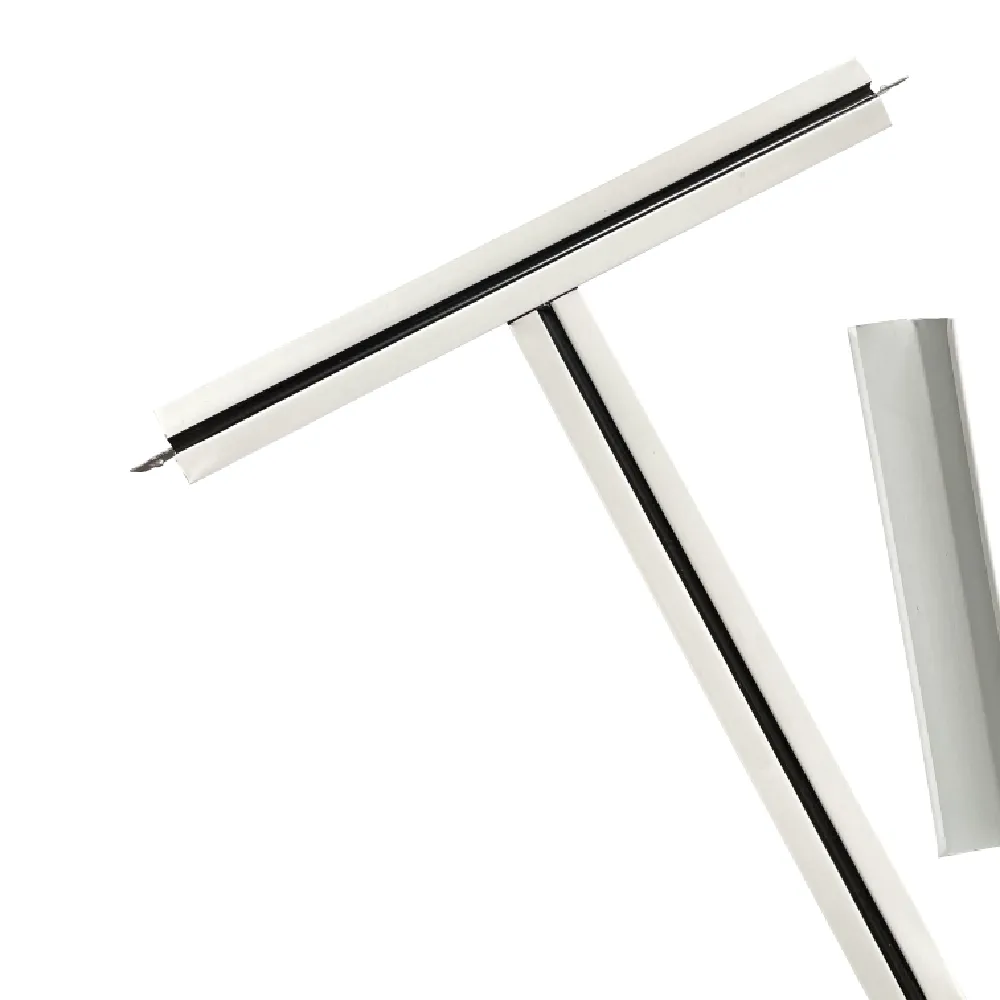
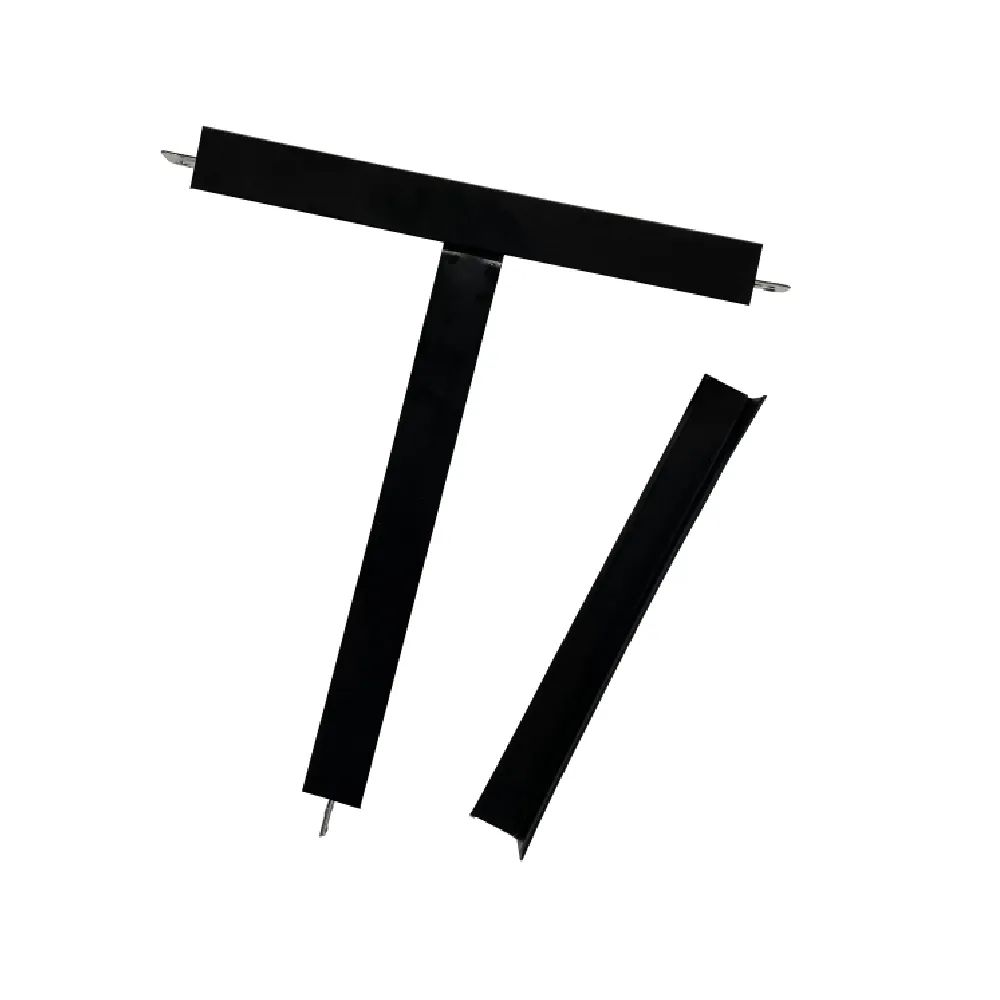
Ceiling T Grid: Easy Install & Durable Grid Systems
Industry Trends & The Evolution of Suspended Ceiling Systems
In modern architectural design, the integration of aesthetics, functionality, and sustainability is paramount. The global market for suspended ceiling systems is experiencing robust growth, driven by increasing construction activities in commercial, institutional, and industrial sectors. Projections indicate a compound annual growth rate (CAGR) of approximately 6-8% over the next five years, with significant demand stemming from energy efficiency regulations and the need for enhanced acoustic performance. Central to this growth is the sophisticated evolution of the ceiling t grid system, a cornerstone component of modern suspended ceilings.
The demand for versatile and high-performance suspended ceiling solutions, including various grid ceiling material options, continues to accelerate. Clients are increasingly prioritizing systems that offer superior fire resistance, moisture control, seismic performance, and ease of access to plenum spaces for maintenance of HVAC, electrical, and plumbing systems. Innovations in materials, such as galvanized steel and aluminum alloys, coupled with advanced manufacturing techniques, are leading to lighter, stronger, and more durable T-grid components. Furthermore, the focus on indoor air quality and occupant well-being is prompting manufacturers to develop products with low VOC (Volatile Organic Compound) emissions and antimicrobial properties, aligning with green building certifications like LEED.
Technological advancements are also transforming installation processes, with interlocking designs and quick-release mechanisms becoming standard, significantly reducing installation time and labor costs. The versatility of the cross tee ceiling grid design allows for diverse aesthetic finishes, accommodating a wide range of ceiling tiles, from mineral fiber to gypsum, metal, and wood-look panels. This adaptability ensures that the suspended ceiling remains a critical element in achieving both functional excellence and architectural vision in contemporary building projects.
Manufacturing Process: Precision Engineering of T-Grid Systems
The production of a high-quality ceiling t grid suspended system is a testament to precision engineering, ensuring structural integrity, durability, and ease of installation. Our manufacturing process adheres to stringent international standards, including ISO 9001 for quality management and ASTM standards for material properties and performance.
Detailed Process Flow:
- Material Selection and Preparation: We primarily utilize high-grade galvanized steel, renowned for its superior corrosion resistance and strength-to-weight ratio. For specific applications requiring enhanced corrosion resistance or lighter weight, aluminum alloys are selected. Coils of steel or aluminum are precisely cut to width and prepared for the forming process.
- Roll Forming: The cut metal strips are fed into a multi-stage roll forming machine. This cold-forming process progressively shapes the flat metal into the characteristic 'T' profile of the main runners and cross tees. The precision of this step is critical for ensuring the dimensional accuracy and structural consistency of each ceiling t grid component.
- Punching and Notching: Along the formed T-grid profile, automated CNC machinery precisely punches and notches the components. This creates the interlocking slots for cross tees (e.g., rotary-stitched double-web design for robust connections), hanger wire holes, and expansion joints where required. This step ensures seamless and secure connections during installation.
- Surface Treatment and Coating: After forming, components undergo a thorough cleaning and pre-treatment process to enhance adhesion. They are then typically coated with a durable, baked-on polyester or epoxy paint finish. This not only provides aesthetic appeal but also adds an extra layer of protection against corrosion and wear, prolonging the service life.
- Quality Control and Testing: Throughout the manufacturing process, rigorous quality control checks are performed. This includes dimensional verification, coating thickness measurement, adhesion tests, and load-bearing capacity tests (e.g., deflection under specified loads per ASTM C635/C636). Our products are designed for a service life exceeding 20 years under normal indoor conditions, meeting stringent criteria for fire resistance (ASTM E119), seismic performance (IBC), and corrosion resistance (salt spray testing).
- Packaging and Distribution: Finished T-grid components are carefully packaged to prevent damage during transit and are ready for distribution to various target industries.
Target industries include petrochemical facilities requiring corrosion-resistant solutions, metallurgy plants demanding robust and high-load capacity systems, and water supply & drainage facilities where moisture and humidity control are critical. In typical application scenarios, our T-grid systems demonstrate significant advantages such as contributing to energy saving through improved insulation properties when paired with appropriate tiles, and exceptional corrosion resistance in challenging environments.
Technical Specifications and Product Parameters
Understanding the technical specifications of a ceiling t grid system is crucial for architects, engineers, and contractors to ensure optimal performance and compliance with building codes. Our T-grid systems are engineered for robustness and versatility, designed to support various grid ceiling material options including mineral fiber, gypsum, metal, and acoustic panels.
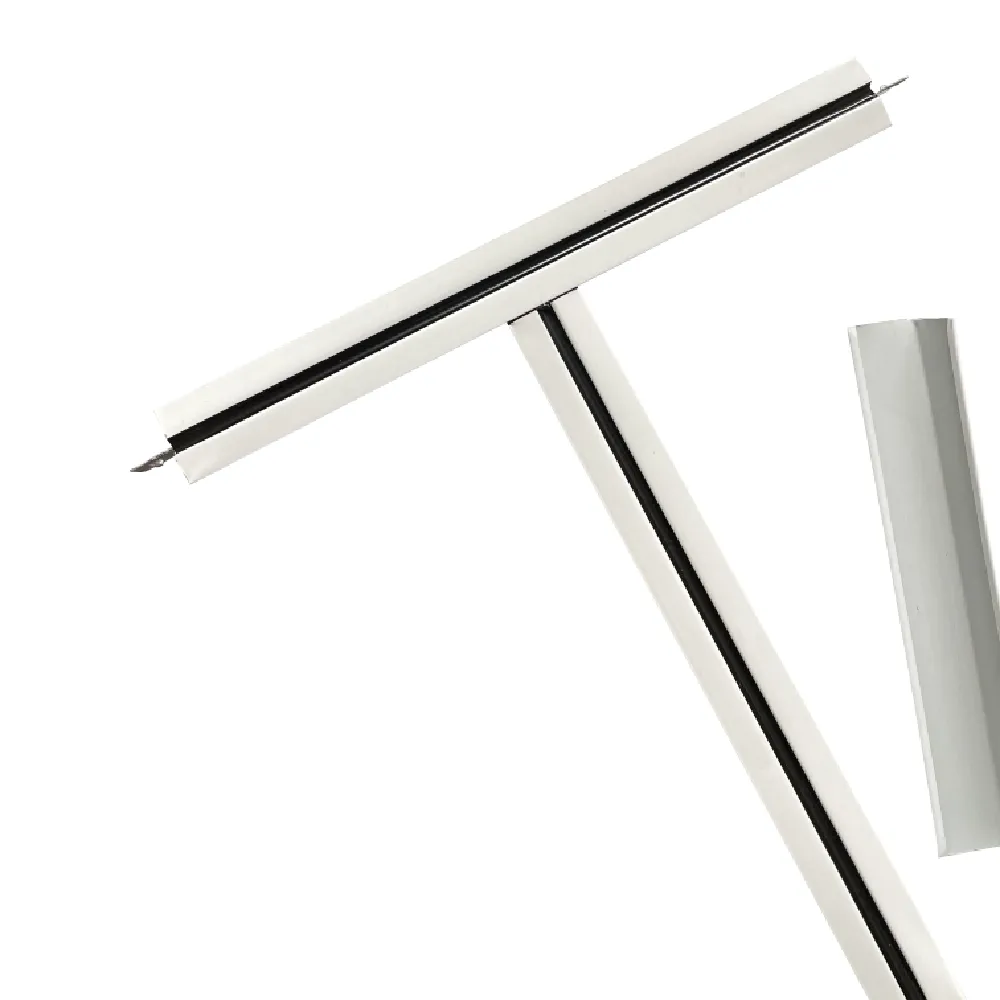
Typical Product Specifications: Main Runner & Cross Tee
| Parameter | Main Runner | Cross Tee | Wall Angle |
|---|---|---|---|
| Material | Hot-dipped Galvanized Steel (G90) | Hot-dipped Galvanized Steel (G90) | Hot-dipped Galvanized Steel (G90) |
| Standard Length | 3600 mm (12 ft) | 1200 mm (4 ft) / 600 mm (2 ft) | 3000 mm (10 ft) |
| Flange Width | 24 mm / 15 mm | 24 mm / 15 mm | 22 mm |
| Web Height | 38 mm / 32 mm | 38 mm / 32 mm | 22 mm |
| Thickness (Gauge) | 0.23 mm - 0.40 mm | 0.23 mm - 0.40 mm | 0.30 mm - 0.50 mm |
| Load Capacity (lbs/linear ft) | Up to 20 lbs/ft (Heavy-Duty) | Up to 16 lbs/ft | N/A (Perimeter Support) |
| Fire Rating | Class A (ASTM E1264) | Class A (ASTM E1264) | Class A (ASTM E1264) |
| Surface Finish | Baked Polyester Paint (White/Black/Custom) | Baked Polyester Paint (White/Black/Custom) | Baked Polyester Paint (White/Black/Custom) |
These specifications ensure that our T-grid systems provide reliable support for various ceiling configurations, including those utilizing specialized panels for acoustics or fire protection. The robust design and material selection guarantee long-term performance even in demanding environments.
Application Scenarios Across Industries
The versatility and structural integrity of the ceiling t grid system make it indispensable across a multitude of commercial, industrial, and institutional applications. Its ability to create a functional and aesthetically pleasing ceiling while providing access to the plenum space for utilities is a key advantage.
- Commercial Offices & Corporate Campuses: Here, T-grids support acoustic ceiling tiles that are critical for noise reduction, enhancing productivity and creating a comfortable work environment. The ease of integrating lighting fixtures, air diffusers, and sprinkler systems within the grid layout is highly valued.
- Healthcare Facilities (Hospitals, Clinics): In these sensitive environments, T-grid systems are chosen for their ability to support sterile, washable ceiling panels, and their robust construction that can accommodate heavier, specialized medical equipment or air filtration systems. The smooth, cleanable surface of appropriate grid ceiling material helps maintain hygiene standards.
- Educational Institutions (Schools, Universities): Durability, fire resistance, and acoustic performance are paramount. T-grids enable the installation of sound-absorbing tiles in classrooms and auditoriums, creating better learning environments. Their long service life also contributes to lower lifecycle costs for public institutions.
- Retail & Hospitality: Aesthetic flexibility is key. T-grids can be configured to support various decorative panels, recessed lighting, and signage, contributing to the overall ambiance and brand identity. Their ease of modification is beneficial for dynamic retail spaces.
- Industrial & Manufacturing Facilities: For these environments, high load-bearing capacity and corrosion resistance are often critical. Our heavy-duty T-grid systems are suitable for supporting heavier utility runs and specialized industrial panels, even in environments with elevated humidity or chemical exposure.
- Data Centers & Laboratories: Precision and accessibility are vital. T-grids allow for quick and easy access to extensive cabling, ventilation, and fire suppression systems in the plenum, which is essential for maintenance and upgrades without disrupting critical operations.
The adaptability of our T-grid systems ensures that they meet the unique demands of each sector, providing not just structural support but also contributing to the overall functionality and safety of the built environment.
Technical Advantages of Our Ceiling T-Grid Systems
Our ceiling t grid systems offer a distinct set of technical advantages engineered to deliver superior performance and value for B2B clients. These benefits extend beyond mere structural support, encompassing critical aspects of building safety, efficiency, and longevity.
- Superior Structural Integrity & Load Capacity: Manufactured from high-grade galvanized steel, our T-grids are engineered to meet and exceed ASTM C635 load-bearing requirements. Our double-web design on main runners ensures exceptional rigidity and minimal deflection, capable of supporting a wide range of ceiling tiles, including heavier gypsum and metal panels, as well as integrated services.
- Enhanced Fire Resistance: Our systems are designed to achieve Class A fire ratings (ASTM E1264) and contribute to UL-rated ceiling assemblies. The inherent fire-resistant properties of the galvanized steel, coupled with specially designed expansion joints, maintain structural integrity during fire events, providing crucial time for evacuation and mitigating damage.
- Corrosion Resistance & Durability: The hot-dipped galvanization process provides excellent protection against rust and corrosion, making our T-grids suitable for environments with high humidity or exposure to mild chemicals, such as laboratories, kitchens, and industrial settings. This significantly extends the service life and reduces maintenance needs.
- Acoustic Performance Integration: While the grid itself is not primarily acoustic, its precise engineering facilitates the optimal installation of various acoustic grid ceiling material. The consistent fit and finish ensure that acoustic tiles are properly seated, maximizing their sound absorption and attenuation capabilities.
- Ease and Speed of Installation: Featuring precision-engineered interlocking components and a robust cross tee ceiling design, our systems allow for rapid and efficient installation. The positive-lock mechanism ensures secure connections without the need for additional fasteners, reducing labor costs and project timelines.
- Versatility and Accessibility: The modular nature of the T-grid allows for easy integration of lighting, HVAC, and fire suppression systems. Panels can be quickly removed and replaced, providing convenient access to the plenum space for maintenance, repairs, or upgrades without damaging the ceiling structure.
These technical advantages translate directly into long-term cost savings, enhanced safety, and improved environmental performance for building owners and occupants, making our T-grid systems a preferred choice for discerning professionals.
Vendor Comparison and Competitive Edge
Choosing the right supplier for ceiling t grid systems is a critical decision that impacts project timelines, budget, and long-term performance. While many vendors offer similar products, key differentiators lie in material quality, manufacturing precision, adherence to international standards, and commitment to customer service.
Our commitment to consistent quality sets us apart. Unlike some competitors who may compromise on raw material thickness or galvanization quality to reduce drywall ceiling grid price, we maintain strict material specifications (e.g., minimum G90 galvanized coating) to ensure superior corrosion resistance and structural integrity. This dedication minimizes the risk of early product failure, rust streaks, or sagging over time, which can lead to costly repairs and reputational damage.
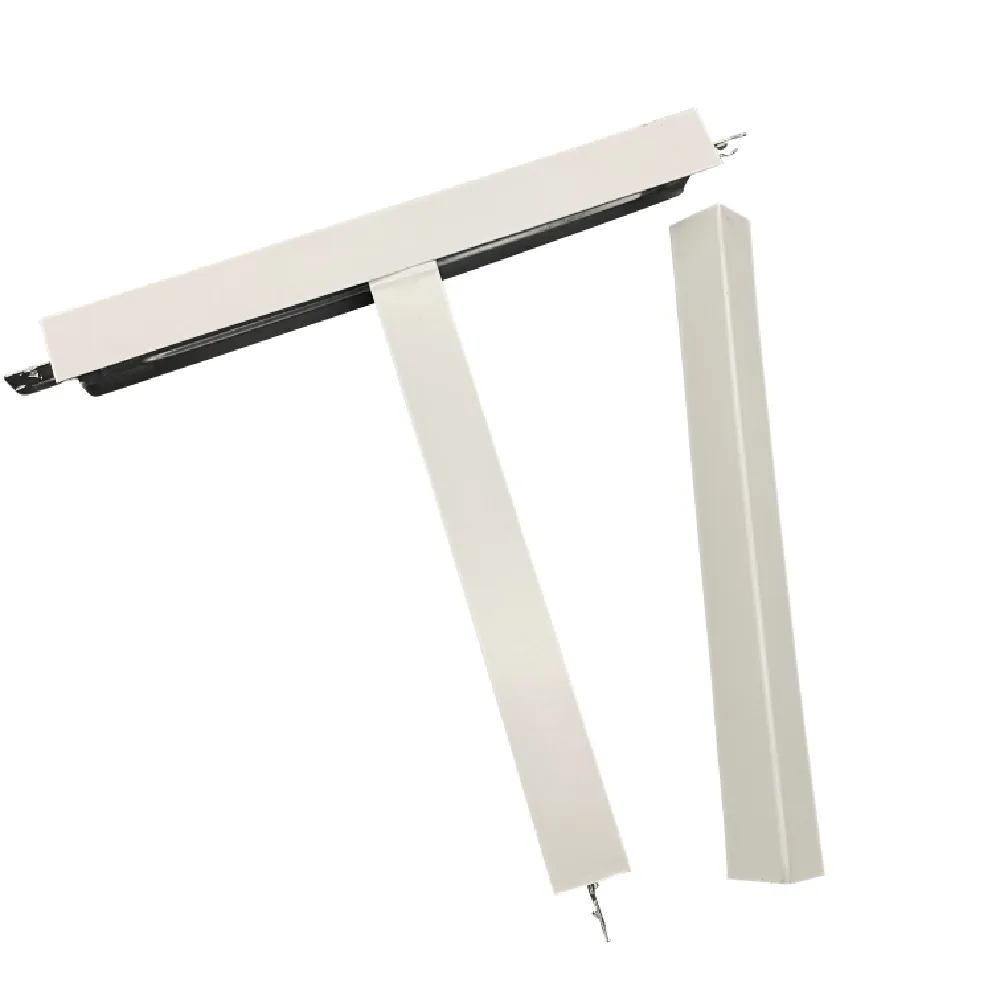
Key Differentiators in T-Grid Systems:
| Feature | Xingyuan Ceilings System | Typical Market Offerings (Mid-Range) |
|---|---|---|
| Galvanization Standard | G90 (275 g/m²) Hot-Dipped Zinc Coating | G60 (180 g/m²) or lower electro-galvanized |
| Material Thickness Consistency | Guaranteed +/- 0.01mm tolerance | +/- 0.03mm or wider tolerance |
| Interlocking Mechanism | Patented Rotary-Stitched Double-Web for superior rigidity and pull-out strength | Standard punch-and-lock or crimped connection |
| Fire Resistance Rating | UL-certified for 1-4 hour fire-rated assemblies | Often basic Class A material rating, not assembly rated |
| Corrosion Resistance | Excellent (Passes 500-hour salt spray test) | Good (Passes 200-hour salt spray test) |
| Acoustic Performance | Optimized for high-performance acoustic tiles, minimal sound flanking | Standard, may allow more sound flanking |
| Warranty | 20-Year Limited Warranty | 10-15 Year Limited Warranty |
Our focus on quality, precision engineering, and adherence to global standards ensures that clients receive a superior product that delivers long-term performance and reliability, ultimately offering a better total cost of ownership compared to cheaper alternatives that might result in higher maintenance or replacement costs down the line. Our expertise in manufacturing allows us to offer competitive pricing without compromising on these critical quality aspects.
Customized Solutions for Unique Project Demands
Recognizing that no two projects are identical, we specialize in providing tailored ceiling t grid solutions that address specific architectural, functional, and environmental requirements. Our engineering team collaborates closely with clients to develop systems that perfectly align with their vision and technical specifications.
Customization options extend beyond standard dimensions. We offer a range of finishes, including specific color matching (e.g., for brand consistency in retail spaces), specialized coatings for enhanced moisture or chemical resistance, and varying flange widths (15mm narrow profile vs. 24mm standard) to accommodate different aesthetic preferences and tile types. For projects requiring specific load-bearing capacities, we can engineer custom gauges and profiles, ensuring structural integrity for heavier gridstone ceiling tile cost or integrated services.
Furthermore, for complex designs or unique installations, we provide comprehensive technical support, including CAD drawings, material take-offs, and installation guidance. Our agility in manufacturing allows for efficient production of non-standard lengths or configurations, minimizing waste and optimizing project schedules. This bespoke approach ensures that even the most challenging ceiling designs can be realized with precision and efficiency.
Application Case Studies: Proven Performance
Our extensive experience in the industry, spanning over two decades, is underscored by a portfolio of successful projects across diverse sectors. These case studies highlight our commitment to delivering reliable and high-performance ceiling t grid systems.
Case Study 1: Large-Scale Commercial Office Development
- Challenge: A multi-story commercial complex required a suspended ceiling system that offered superior acoustic performance, fire safety, and easy access to an extensive network of IT infrastructure and HVAC systems. The project demanded rapid installation to meet tight construction deadlines.
- Solution: We supplied over 150,000 linear feet of our heavy-duty T-grid system (24mm flange, 38mm web height) with a Class A fire rating. The precision-engineered interlocking components facilitated quick assembly, reducing installation time by an estimated 15% compared to conventional systems.
- Outcome: The project was completed ahead of schedule, meeting all acoustic and fire safety regulations. Tenants reported high satisfaction with the sound environment and the integrated utility access, validating the system's efficiency and performance.
Case Study 2: Industrial Chemical Processing Plant
- Challenge: An industrial facility processing corrosive chemicals needed a ceiling system capable of withstanding aggressive environmental conditions, high humidity, and potential chemical splashes, while supporting heavy service lines in the plenum.
- Solution: We provided a custom-engineered T-grid system featuring enhanced G120 (366 g/m²) galvanized steel with a specialized epoxy powder coating for maximum chemical and corrosion resistance. The main runners were reinforced to support additional load.
- Outcome: After five years in service, the ceiling system exhibits no signs of corrosion or degradation, far outperforming previous installations. The system has successfully provided a durable and safe overhead environment, significantly reducing maintenance and replacement costs.
Case Study 3: Modern Healthcare Clinic Redevelopment
- Challenge: The redevelopment of a large healthcare clinic required a ceiling system that supported strict hygiene standards, infection control, and optimal patient comfort through sound management. Easy access for medical gas lines and electrical systems was also critical.
- Solution: We supplied our standard T-grid system with a clean, white finish, paired with antimicrobial-treated, washable ceiling tiles. The precise grid layout facilitated seamless integration of lighting, air quality monitors, and medical equipment.
- Outcome: The system delivered excellent acoustic performance, contributing to a calm patient environment. The ease of access for maintenance and the durability of the grid in a high-traffic, hygiene-critical setting proved invaluable for the clinic's long-term operational efficiency.
Trustworthiness & Client Support
Building lasting partnerships is at the core of our business philosophy. We strive for complete transparency and support, ensuring our clients feel confident and secure in their investment in our ceiling t grid systems.
Frequently Asked Questions (FAQ)
- Q: What is the typical lead time for a standard T-grid order?
- A: For standard product configurations and quantities, our typical lead time is 2-4 weeks from order confirmation. Expedited options are available for urgent projects, subject to material availability and production schedule.
- Q: What warranty do you offer on your ceiling T-grid systems?
- A: We provide a 20-year limited warranty on our T-grid components, covering manufacturing defects and material integrity under normal indoor conditions, ensuring long-term peace of mind for our clients.
- Q: Can your T-grids be used in high-humidity or corrosive environments?
- A: Yes, our standard T-grids feature hot-dipped galvanized steel with a G90 coating, providing excellent corrosion resistance. For highly corrosive environments, we offer specialized T-grids with heavier galvanization (e.g., G120) or epoxy coatings tailored for extreme conditions.
- Q: Do your products comply with international building codes?
- A: Absolutely. Our T-grid systems are engineered to meet or exceed applicable requirements of major building codes, including the International Building Code (IBC) and various ASTM standards (e.g., C635, C636, E119). We also provide documentation and technical support for project-specific compliance. Our manufacturing facilities are ISO 9001 certified, guaranteeing consistent quality.
Lead Time & Fulfillment
Our streamlined production and logistics ensure efficient order fulfillment. Standard orders are typically processed and shipped within 2-4 weeks, depending on volume and customization. For large-scale projects or urgent requirements, we offer priority scheduling and can leverage our robust supply chain partnerships to meet demanding timelines. Our dedicated logistics team manages worldwide shipping, providing real-time tracking and documentation for seamless delivery to your project site.
Warranty & After-Sales Support
Xingyuan Ceilings stands behind the quality of its products with a comprehensive 20-year limited warranty against manufacturing defects and material failures under normal usage conditions. Our commitment extends beyond product delivery. Our after-sales support team comprises experienced technical specialists ready to assist with installation queries, product performance issues, or any technical guidance required post-purchase. We offer dedicated client managers for key accounts to ensure personalized and prompt assistance throughout the project lifecycle.
Conclusion
The ceiling t grid system remains an indispensable component in modern construction, offering a unique blend of structural integrity, aesthetic versatility, and functional accessibility. As industry demands evolve towards greater sustainability, fire safety, and acoustic performance, our commitment to innovation and precision engineering ensures that our T-grid solutions not only meet but exceed these stringent requirements. By prioritizing high-grade materials, advanced manufacturing processes, and comprehensive client support, we deliver systems that offer superior long-term value, reliability, and peace of mind for B2B professionals.
Partner with us to elevate your next project with a suspended ceiling system that is engineered for excellence, built for durability, and backed by unwavering expertise.
References
- 1. ASTM International. (2020). Standard Specification for Metal Suspension Systems for Acoustical Tile and Lay-in Panels (Flat Board, Sag Resistant, Water Resistant). ASTM C635/C635M-18.
- 2. ASTM International. (2020). Standard Practice for Installation of Metal Suspension Systems for Acoustical Tile and Lay-in Panels. ASTM C636/C636M-19.
- 3. International Code Council. (2021). International Building Code (IBC).
- 4. U.S. Environmental Protection Agency. (2023). Indoor Air Quality.
- 5. ISO 9001:2015 - Quality management systems. (2015). International Organization for Standardization.
-
PVC Ceiling vs Gypsum Which is the Best Choice for Your SpaceNewsJul.01,2026
-
Gypsum vs PVC Ceiling Which Material is Right for Your SpaceNewsJun.29,2026
-
The Key Difference Between Gypsum and PVC Ceiling MaterialsNewsJun.27,2026
-
Ultimate Guide to Durable PVC Laminated Tiles for Modern InteriorsNewsJun.26,2026
-
Latest PVC Laminated Gypsum Ceiling Tiles Price and Value GuideNewsJun.25,2026
-
Premium Durable Vinyl Coated Gypsum Ceiling Tiles for InteriorsNewsJun.23,2026