
Nov . 26, 2025 16:30 Back to list
Choosing the Best Ceiling Access Panel Lock for Security and Convenience
Unlocking the Potential of the Ceiling Access Panel Lock
When you think about ceilings, it’s rare the average person considers what hides behind them—the ducts, pipes, wiring, and, yes, access panels that give building maintenance teams a gateway to these crucial infrastructures. The ceiling access panel lock isn’t just a bulky metal latch; it’s a subtle yet vital component ensuring security, safety, and convenience worldwide. Especially as building codes tighten globally and industries adopt smarter, more sustainable infrastructure, understanding the nuances of ceiling access panel locks matters now more than ever.
Why Ceiling Access Panel Locks Matter on a Global Scale
With approximately 55% of the global population living in urban areas according to UN data [1], buildings are getting ever taller and more complex. Behind every ceiling panel there's a whole world of HVAC systems, electrical wiring, fire suppression lines, and sometimes sensitive data cables. Security and safety concerns necessitate reliable locking mechanisms — not only to prevent unauthorized access but also to protect vital utility systems from tampering or accidental damage.
This is especially true in sectors like healthcare, education, commercial real estate, and industrial facilities. The rise of smart buildings and integrated IoT technologies also hint at more sophisticated access controls wrapped into these simple locks. Plus, think about natural disasters or emergencies—quick yet secure access to ceiling panels might mean the difference between swift repairs or cascading failures.
Mini takeaway: The ceiling access panel lock is more than a fixture. It supports safety, security, and functional control in critical areas worldwide.
What Exactly Is a Ceiling Access Panel Lock?
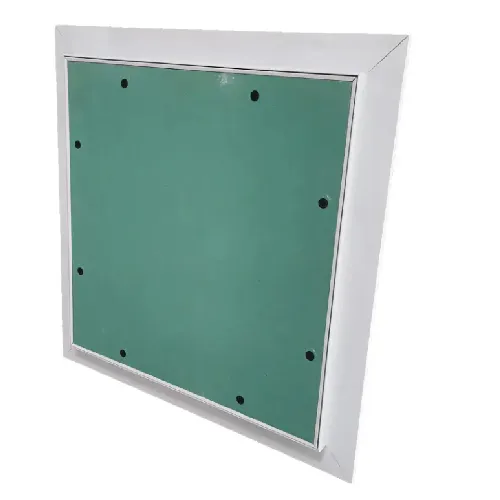
Simply put, a ceiling access panel lock is a locking hardware system designed to secure panels in ceilings, typically metal or drywall panels that provide entry to concealed service areas. These locks prevent unauthorized removal while allowing maintenance personnel quick access when needed. The connection to modern industry is pretty direct: without a sturdy, reliable lock, sensitive or vulnerable areas could be exposed to security breaches or accidental harm.
In humanitarian contexts, think about temporary shelters or modular clinics where ceiling panels need securing but also fast access — these locks bridge security with adaptability. They are the quiet guardians in building infrastructure.
Core Components & Key Factors in Ceiling Access Panel Locks
Durability
Many engineers stress that these locks must last against wear, moisture, and sometimes harsh chemical exposure—especially in industrial settings. Corrosion-resistant finishes and quality metal alloys are common to extend lifetime even where panels are accessed frequently.
Security Level
A good ceiling access panel lock doesn’t merely keep honest people honest. Some come with pick-resistant mechanisms or tamper-evident features, critical for hospitals or data centers that need to ensure only authorized technicians enter.
Ease of Access
Maintenance crews dislike fiddly locks—there’s a balance between security and convenience. Quick-release catches, keyless designs, or magnetic locks are trends simplifying operations while keeping the area secure.
Compatibility & Size
Panels come in various sizes and materials, so universal lock designs that adapt or modular systems that fit multiple panel types get the nod. Customization becomes a key purchase consideration.
Aesthetic Considerations
While primarily functional, ceiling access panel locks also need to blend with ceiling designs in commercial or hospitality spaces—hidden or discreet hardware is preferred.
Ceiling Access Panel Lock in Action Around the World
In post-disaster relief operations, for instance, NGOs often erect temporary clinics and housing with overhead panels that need secure but rapid access for inspections and repairs. Meanwhile, in remote industrial zones—mining or oil extraction sites—these locks protect sensitive cabling and control lines from unauthorized interruptions.
In Europe and North America, building codes increasingly require certified locking mechanisms on ceiling panels in hospitals and schools to comply with safety and fire regulations. Some smart cities integrate these locks with digital control panels, allowing access logs to monitor maintenance.
Mini takeaway: Applications range from urban skyscrapers to field hospitals—ceiling access panel locks support safety, functionality, and compliance everywhere.
Product Specification Table for a Typical Ceiling Access Panel Lock
| Specification | Detail |
|---|---|
| Material | Stainless Steel (304 or 316) |
| Lock Type | Cam lock with key or keyless option |
| Security Features | Pick resistance, tamper proof design |
| Finish | Powder-coated or natural brushed steel |
| Operating Temperature | -20°C to +60°C |
| Panel Thickness Compatibility | 6mm to 25mm |
Comparing Leading Vendors
| Vendor | Security Level | Customization Options | Price Range | Notes |
|---|---|---|---|---|
| LockTech Solutions | High (certified tamper-proof) | Full customization incl. digital options | $$$ | Ideal for hospitals & smart buildings |
| SecureLatch | Medium (standard cam lock) | Limited sizes, quick delivery | $ | Great for commercial buildings, cost-conscious |
| PanelSafe Co. | High (with electronic lock options) | Wide size range, electronic & mechanical | $$ | Used in industrial and public infrastructures |
Advantages — Why Choose a Quality Ceiling Access Panel Lock?
- Cost Efficiency: Proper locking prevents costly unauthorized interventions or accidental damage, saving money long-term.
- Sustainability: Durable locks mean less frequent replacements, leading to lower waste.
- Safety & Trust: Supports safe maintenance and builds user confidence—whether occupants, patients, or workers.
- Innovation: Modern locks can integrate with digital systems for maintenance tracking and remote access control.
On an emotional level, a secure ceiling panel lock instills a subtle peace of mind that “someone’s got it covered,” which I think is underrated in buildings we often don't pay attention to until something goes wrong.
Emerging Trends and Innovations to Watch
Green energy and eco-conscious construction push manufacturers to consider materials with lower carbon footprints—biodegradable composites or recycled metals, for instance. Automation brings RFID and electronic locks that allow access logs or even remote unlock controls via smartphones or building management systems.
There’s also growing interest in modular ceiling panels paired with quick-release locks for fast retrofits in commercial spaces, hospitals, or disaster relief setups. Oh, and imagine locks that alert a central system when tampered with—quite the step up from the old rusty cam lock.
Common Challenges & How Industry Experts Solve Them
Despite progress, some roadblocks remain. Locks can corrode over time, keys get lost, and one-size-fits-all solutions often miss the mark for unique panel sizes. Plus, balancing high security with quick access is a perennial puzzle.
Some vendors now offer customizable lock kits paired with robust corrosion-resistant coatings and backup keyless options like combination dials or magnetic cards. ceiling access panel lock specialists often recommend regular inspections to catch wear early before it causes operational downtime.
FAQs About Ceiling Access Panel Lock
- Q: How do I choose the right ceiling access panel lock for my building?
-
Consider the panel material and thickness, security needs, frequency of access, and whether you want mechanical or electronic locking. Consulting manufacturers' specs and talking to installers can help narrow down options.
- Q: Can a ceiling access panel lock be retrofitted to existing panels?
-
Yes, many locks are designed for retrofitting and come with adaptable fittings. But proper measurements and sometimes minor modifications to the panel or frame might be needed to ensure secure fit and function.
- Q: Are electronic ceiling access panel locks more secure than mechanical ones?
-
Generally, electronic locks offer advanced features like access tracking and remote control, which improve security but also introduce dependency on power and software security. Mechanical locks are simpler but can be vulnerable to physical picking without upgrades.
- Q: What maintenance is required to keep these locks functioning well?
-
Regular inspections for corrosion, lubrication of moving parts, testing lock mechanisms, and ensuring keys or digital credentials are managed properly help maintain function over time.
- Q: Are there standards regulating ceiling access panel locks?
-
Yes, various building codes and industry standards (ISO, ASTM) dictate security levels, materials, and safety for access panel locks, especially in sensitive environments like hospitals or data centers.
In Conclusion: The Quiet Hero of Building Safety
The ceiling access panel lock might not get headlines, but it’s a silent guardian for millions of buildings globally—ensuring access remains controlled, safety is prioritized, and maintenance runs smoothly. Whether in sophisticated hospitals or makeshift field clinics, these locks blend engineering, security, and convenience in one neat package.
Curious to see what latest lock designs and innovations could fit your next project? Visit https://www.xingyuanceilings.com to explore high-quality options tailored for every application.
References:
-
Benefits and Guide of Mineral Fiber Ceiling Board for InteriorsNewsApr.16,2026
-
Modern Mineral Fiber Ceiling Solutions for Acoustic PerformanceNewsApr.09,2026
-
Mineral Fibre Board Ceiling vs Gypsum Board A Comprehensive Comparison GuideNewsApr.07,2026
-
Comprehensive Guide to Mineral Fiber Ceiling Specification and PerformanceNewsApr.04,2026
-
What Are Mineral Fiber Ceiling Tiles Made Of And Their ApplicationsNewsMar.31,2026
-
Exploring the Benefits of Suspended Mineral Fibre Ceiling Systems for Modern BuildingsNewsMar.28,2026