
Dec . 02, 2025 10:20 Back to list
Circular Ceiling Access Panels – Essential Solutions for Modern Building Maintenance
Circular Ceiling Access Panels: Unlocking Practicality in Modern Construction
When you think of building maintenance or industrial installations, circular ceiling access panels might not be the first thing that comes to mind. Yet, these oddly simple components play a surprisingly vital role worldwide. From facilitating quick, safe entry into ceiling voids for repairs to improving aesthetics in commercial spaces, understanding circular ceiling access panels matters more than you might expect. They’re not just about utility; they carry benefits that ripple through sustainability, cost efficiency, and even workplace safety.
Global Context: Why Circular Ceiling Access Panels Matter
Globally, as urbanization surges (UN predicts 68% of the world’s population living in urban areas by 2050), buildings become denser and more complex. Efficient maintenance access becomes critical for HVAC systems, wiring, and plumbing hidden above ceilings. Circular ceiling access panels offer a smart solution that balances form and function. According to ISO standards on building components, access solutions need to be durable, easily installed, and comply with safety regulations (ISO 21542:2011).
But there’s an underlying challenge – how to provide reliable and discreet access without compromising ceiling integrity or aesthetics, especially in high-traffic commercial or healthcare environments? The answer often lies within the design and materiality of the circular ceiling access panels.
What Are Circular Ceiling Access Panels?
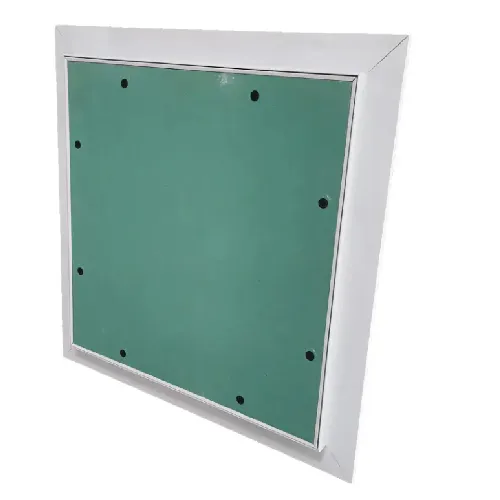
Simply put, circular ceiling access panels are round-shaped doors or covers installed into ceilings, designed to provide entry points to hidden spaces like ductwork, wiring, or piping. Unlike traditional square or rectangular panels, the circular design can offer advantages in space utilization and aesthetics. They’re widely used in modern industry, from office buildings to hospitals, even in humanitarian shelters where quick access is essential.
These panels play an unsung but crucial role in facilitating maintenance without disrupting building functionality — especially as HVAC and electrical systems grow more complex and demanding.
Key Components of Circular Ceiling Access Panels
1. Durability and Materials
Materials range from lightweight aluminum to robust steel and fire-rated gypsum. Durability is paramount, especially where panels face frequent opening or environmental stress (humidity, dust). Aluminum variants offer corrosion resistance, while steel options provide extra strength.
2. Aesthetic Integration
Unlike bulky rectangular panels, circular ones blend discretely with ceiling designs. Their shape lends itself to architectural harmony, essential in commercial or institutional settings where visual continuity is valued.
3. Ease of Installation and Maintenance
Panels often come with quick-release hinges or magnetic latches, easing repeated access without tools. This feature saves time and reduces maintenance costs.
4. Compliance with Building and Safety Codes
Fire resistance ratings and airtight seals matter, especially in hospitals or laboratories. Circular panels can be engineered to meet such stringent requirements, ensuring safety and regulatory compliance.
5. Size and Scalability
They range in diameter from small (200 mm) for light wiring access to large (600 mm+) for comprehensive HVAC inspections. Availability across sizes means they can be scaled to suit various projects.
Technical Specifications of a Typical Circular Ceiling Access Panel
| Feature | Specification |
|---|---|
| Diameter Options | 200 mm | 300 mm | 450 mm | 600 mm |
| Material | Aluminum, Steel, Gypsum Board |
| Finish | Powder Coating, Paintable Surface |
| Fire Rating | Up to 90 minutes UL 10B |
| Mounting Type | Recessed or Surface Mounted |
| Access Mechanism | Hinged with Quick-Release Latches or Magnetic Catch |
Global Applications & Use Cases
Circular ceiling access panels are everywhere once you start noticing. In healthcare facilities, they ensure easy access to sterile environment air ducts. In industrial plants, they allow quick inspections of concealed machinery without the ceiling disruption. Even in humanitarian contexts, like post-disaster relief shelters, these panels facilitate rapid repair access to vital utilities.
Regions with intensive urban growth, such as Southeast Asia and the Middle East, have amplified use due to increased commercial constructions focused on aesthetic yet functional access solutions. Engineers working in harsh environments — like offshore platforms or mining operations — also swear by the durability and compact design of quality circular panels.
Comparing Leading Circular Ceiling Access Panel Vendors
| Feature / Vendor | Vendor A | Vendor B | Vendor C |
|---|---|---|---|
| Material Options | Aluminum, Steel | Steel, Gypsum | Aluminum, Composite |
| Fire Rating | 90 min UL 10B | 60 min ASTM E119 | 45 min UL 10C |
| Access Mechanism | Hinged, Quick-release | Magnetic catch | Screw-fitted removable |
| Lead Time | 2 weeks | 3 weeks | 4 weeks |
| Global Shipping | Yes | Limited Regions | Yes |
Advantages & Long-Term Value
- Cost Efficiency: Reduced maintenance time and less ceiling damage.
- Sustainability: Durable materials extend product lifespan; some options are recyclable.
- Safety: Fire-rated panels contribute to safer buildings.
- Aesthetic Appeal: Smooth, minimalistic design blends with modern interiors.
- Social Impact: Easy maintenance translates to uninterrupted service in hospitals, schools, etc.
Frankly, the blend of function and form here means building managers trust circular panels for reliability and peace of mind. The long-term savings, particularly, often surprise newcomers to the field.
Emerging Trends & Innovations
One interesting evolution is the integration of smart sensors inside the panels for predictive maintenance alerts. Green materials like bio-based composites are gaining traction, aiming for even lower environmental footprints. Automation in manufacturing means panels can be custom-sized rapidly, suiting bespoke projects better. Regulatory tightening around fire safety will also drive demand for higher rating products.
Challenges & Practical Solutions
Challenges include difficulties in retrofitting circular panels in older ceiling frameworks originally designed for rectangular access points. Some materials may not meet required fire ratings or durability profiles, so selection must be project-specific. Cost concerns for higher-end models can be a roadblock, but proper ROI calculations reveal clear long-term advantages. Designers are increasingly calling for hybrid materials to solve this dilemma.
Frequently Asked Questions About Circular Ceiling Access Panels
- Q: Are circular ceiling access panels easy to install in existing buildings?
A: Yes, many models come with adjustable frames and mounting options to retrofit older ceiling systems. However, it’s essential to check ceiling thickness and structural compatibility before choosing a panel. - Q: What fire ratings do these panels typically have?
A: Depending on materials, fire ratings range from 45 minutes up to 90 minutes UL tests. For critical installations, always specify fire-rated models certified to relevant standards. - Q: Can circular panels support heavy loads if ceiling tiles are walked on?
A: Generally, the panels themselves aren’t load-bearing. If overhead walkways exist, reinforced panel versions or separate structural supports should be specified to ensure safety. - Q: Are these panels customizable in size and finish?
A: Yes, many suppliers offer custom diameters and paintable surfaces to match ceiling colors for a seamless look. - Q: How do I ensure compliance with local building codes?
A: Consult with your vendor or a local engineer to confirm that the panel meets both fire safety and mechanical access requirements as defined by your regional building codes.
Conclusion & Call to Action
In sum, circular ceiling access panels combine practicality, safety, and style in ways that truly enhance modern building maintenance and design. As cities grow and buildings become more complex, their role only becomes more pronounced. Whether you’re managing a hospital, designing a commercial office, or overseeing industrial facilities, choosing the right circular ceiling access panels is a wise long-term investment.
For a closer look at these panels and how they might fit your project, visit our website at circular ceiling access panels to explore options tailored for your needs.
Quick takeaway: These panels might be small, but their impact on safety, efficiency, and aesthetics is anything but.
-
Benefits and Guide of Mineral Fiber Ceiling Board for InteriorsNewsApr.16,2026
-
Modern Mineral Fiber Ceiling Solutions for Acoustic PerformanceNewsApr.09,2026
-
Mineral Fibre Board Ceiling vs Gypsum Board A Comprehensive Comparison GuideNewsApr.07,2026
-
Comprehensive Guide to Mineral Fiber Ceiling Specification and PerformanceNewsApr.04,2026
-
What Are Mineral Fiber Ceiling Tiles Made Of And Their ApplicationsNewsMar.31,2026
-
Exploring the Benefits of Suspended Mineral Fibre Ceiling Systems for Modern BuildingsNewsMar.28,2026