
Nov . 30, 2025 14:55 Back to list
Comprehensive Guide to Ceiling Access Hatch Sizes: Standards, Applications & Trends
Understanding Ceiling Access Hatch Sizes: Why Does It Really Matter?
You might think a ceiling access hatch size is just a detail architects or contractors fuss over — but it's surprisingly crucial, and here's why. Ceiling access hatches provide vital entry points to concealed ceiling spaces for maintenance, inspections, or emergency access. Globally, standardizing ceiling access hatch sizes ensures safety, ease of installation, and seamless integration across varied industries. From commercial buildings and hospitals to disaster relief shelters and industrial facilities, getting these sizes right saves time, money, and often, frustration.
The benefits? Fast and safer access to ventilation systems, electrical wiring, and plumbing — no awkward improvisations. Also, when sizes align with global standards, supply chains improve, and product compatibility skyrockets. So, learning about ceiling access hatch sizes isn’t just niche knowledge; it’s about understanding an industry-wide language that enhances building efficiency worldwide.
Global Context: Why Ceiling Access Hatch Sizes Are a Big Deal Today
The global construction industry is projected to reach a whopping $15 trillion by 2030, according to the World Bank. With urban spaces growing denser and buildings more complex, access to internal systems — often hidden behind ceilings — is more important than ever.
Yet here’s the wrinkle: inconsistent sizing of ceiling access hatches leads to significant operational challenges. ISO standards and regional building codes attempt to harmonize things, but there’s still a patchwork of sizes out there, which clashes with the increasing demand for modular construction and rapid maintenance in aging infrastructure.
Honestly, it’s a challenge industry-wide. Imagine trying to find a replacement hatch or create an access panel that fits a system built decades ago. This challenge grows in disaster relief or in remote industrial zones where rapid deployment and standardization are critical. So, we’re not just talking about an extra dimension. We’re talking safety, efficiency, and cost control on a global scale.
What Exactly Are Ceiling Access Hatch Sizes?
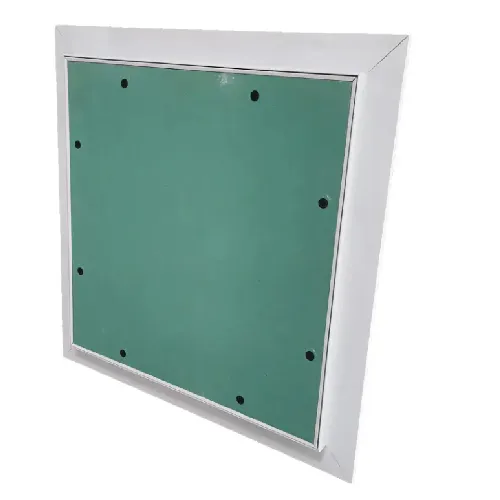
In simple terms, ceiling access hatch sizes refer to the standardized dimensions of hole covers designed to provide entry to ceiling voids or crawl spaces. These panels allow quick and safe access to electrical, HVAC, and plumbing systems without damaging ceilings.
Their sizing accounts for the average human reach, necessary space for tools or equipment, and fire or security codes. In a humanitarian context, for instance, standardized hatch sizes make it simpler for aid workers to carry out rapid inspections or repairs in temporary shelters.
Core Aspects of Ceiling Access Hatch Sizes
Durability
The materials and construction have to withstand repeated opening cycles, environmental exposure, and potential impacts. Steel, aluminum, and fire-retardant composites are often used, with size influencing structural integrity.
Scalability
Hatch sizes need to scale appropriately to building types — a small commercial office won’t need the massive panels used in factories or hospitals, but all should comply with ergonomic and code standards.
Cost Efficiency
Standard sizes allow for batch manufacturing and supply chain optimization. Custom hatches push costs up — not only in manufacturing but in installation and maintenance as well.
Compliance & Safety
Fire ratings, security locks, and accessibility requirements all tie back to hatch size specifications. Regulatory agencies, including the International Organization for Standardization (ISO), provide guidelines that manufacturers and designers must follow.
Where Are Ceiling Access Hatch Sizes Making a Difference Globally?
From the smart city skyscrapers of Singapore to temporary shelters in earthquake-prone Nepal, uniformity in ceiling access hatch sizes means smoother operations. In emerging markets, rapid urbanization demands scalable, accessible infrastructure — hatches that are easy to open, close, and maintain while fitting standard tools.
Industrial zones in Germany and Japan, known for precision and efficiency, benefit from modular hatch sizes that simplify automation and robotic inspections. Meanwhile, organizations like the United Nations often specify hatch sizes in relief shelters to ensure quick utility repairs.
Oddly enough, in the hospitality sector — hotels and resorts especially — unobtrusive, well-sized access hatches maintain aesthetics while providing vital service points. So, it's clear that thoughtful sizing matters everywhere — every ceiling with a secret to get to.
Mini Takeaway:
Ceiling access hatch sizes act as a universal “key” to the hidden backbone of modern buildings — from maintenance to emergency response, their relevance spans continents and industries.
Advantages and Long-Term Value of Standardized Hatch Sizes
- Cost savings: Lower fabrication and replacement costs through standardization.
- Safety: Ensures safe access for technicians and prevents unauthorized entry.
- Sustainability: Reuse and easier recycling of components; fewer discarded custom parts.
- Reliability: Reduced maintenance errors and quicker troubleshooting.
- Emotional comfort: Building managers can sleep easier knowing access points won’t frustrate emergency responses.
Product Specification Table: Typical Ceiling Access Hatch Sizes
| Model | Dimension (Width x Height, mm) | Material | Fire Rating | Weight (kg) |
|---|---|---|---|---|
| Standard A | 600 x 600 | Galvanized Steel | 1 Hour | 5.5 |
| Compact B | 450 x 450 | Aluminum Alloy | 30 Minutes | 3.2 |
| Heavy-Duty C | 1200 x 600 | Steel with Fireproof Coating | 2 Hours | 10.7 |
How Do Different Vendors Stack Up? A Quick Comparison
| Vendor | Price Range | Customization | Delivery Time | Global Reach |
|---|---|---|---|---|
| SecureCeil Hatch Co. | $$$ | Yes, extensive | 2–3 weeks | Worldwide |
| QuickFit Panels | $ | Limited | 1 week | North America, Europe |
| EcoCeil Access | $$ | Moderate; eco materials focus | 3 weeks | Europe, Asia |
Looking Ahead: Trends and Innovations in Ceiling Access Hatches
The future is pretty exciting — technologies like smart sensors are being integrated into ceiling access hatches to inform maintenance teams remotely if a panel has been opened or tampered with. Materials science is pushing lightweight yet strong composites that offer better fire resistance and sustainability.
Automation and robotics in facilities inspection rely on ceiling access hatch sizes that conform strictly to standards, so drones or robotic arms can navigate seamlessly. Plus, green building certifications encourage suppliers to use recycled or low-VOC materials for hatches, tying into broader sustainability goals.
Current Challenges & Smarter Solutions
Despite progress, a few gnarly problems still pop up. Sometimes building owners install custom-sized hatches that aren’t documented, causing headaches years later. Some legacy structures have hard-to-access ceiling voids, where no standard hatch size quite fits.
Solutions? Industry experts promote modular, adjustable frame systems and adoption of digital records for building specs. Some manufacturers even offer retrofit panels that can fit odd shapes — though often at a premium.
FAQs About Ceiling Access Hatch Sizes
1. What are the most common standard ceiling access hatch sizes used worldwide?
Typically, sizes like 600x600 mm or 450x450 mm dominate, as they balance ease of access with structural considerations. However, local standards differ; for specialized facilities, sizes can be larger or custom-designed.
2. How does standardization of hatch sizes benefit building maintenance?
Standardization means maintenance teams can quickly find replacement panels and tools, reducing downtime and repair costs. It also ensures safety and compatibility with building codes.
3. Can access hatches be customized for fire safety requirements?
Yes, many models come with fire-resistance ratings up to two hours, using special coatings or materials. Proper sizing often complements fire safety by ensuring gaps aren’t left open during emergencies.
4. What innovations should I look for in new ceiling access hatches?
Look for lightweight yet durable materials, quick-release locking mechanisms, and smart sensor integration. Products that align with green building standards are increasingly popular.
5. Where can I find reliable products matching global sizing standards?
Brands like SecureCeil Hatch Co., EcoCeil Access, and QuickFit Panels serve international markets with recognized sizing standards. For more info, see ceiling access hatch sizes.
Wrapping It Up: Why Ceiling Access Hatch Sizes Will Always Matter
To circle back, intelligent design and sizing of ceiling access hatches underpin the unseen maintenance of our buildings and infrastructures worldwide. Whether you're a building manager, an engineer, or part of an NGO, understanding and applying these sizes isn't just technical jargon — it’s the foundation of safer, smarter, and more sustainable structures.
Curious to explore the full range of options and see what works best for your project? You’ll find plenty of useful resources and specifications right here: ceiling access hatch sizes. Go on, you might discover that perfect panel you never knew you needed.
Stay curious and keep those ceilings accessible!
References:
-
Benefits and Guide of Mineral Fiber Ceiling Board for InteriorsNewsApr.16,2026
-
Modern Mineral Fiber Ceiling Solutions for Acoustic PerformanceNewsApr.09,2026
-
Mineral Fibre Board Ceiling vs Gypsum Board A Comprehensive Comparison GuideNewsApr.07,2026
-
Comprehensive Guide to Mineral Fiber Ceiling Specification and PerformanceNewsApr.04,2026
-
What Are Mineral Fiber Ceiling Tiles Made Of And Their ApplicationsNewsMar.31,2026
-
Exploring the Benefits of Suspended Mineral Fibre Ceiling Systems for Modern BuildingsNewsMar.28,2026