
Nov . 30, 2025 13:20 Back to list
Durable & Custom Suspended Ceiling Access Panels for Every Industry | Xingyuan Ceilings
What’s a Suspended Ceiling Access Panel, and Why Should You Care?
At first blush, a suspended ceiling access panel might seem like an obscure detail only architects or builders fuss over. But here’s the thing: knowing about these little doors in your ceiling can actually save you some headaches and a fair bit of money down the road. Globally, these panels serve as the unsung heroes in modern building design—giving technicians a way in for maintenance without a complete ceiling teardown.
Why does this matter? Well, behind offices, hospitals, or even airports, vital wiring, pipes, and ventilation snakes around just above the ceiling tiles. The access panel isn’t just a hole with a door; it’s a strategic gateway that keeps infrastructure safe and your environment comfortable. This small feature directly impacts building sustainability, energy efficiency, and even emergency readiness.
Let’s unravel why suspended ceiling access panels have garnered global attention in construction, maintenance, and industrial sectors.
Suspended Ceiling Access Panel: A Global Perspective
The world is urbanizing fast—about 68% of the global population is expected to live in cities by 2050 (UN, 2018). With this explosion in urban infrastructure, maintaining building interiors has become a huge priority. Suspended ceilings are everywhere—commercial buildings, hospitals, schools, and airports—because they hide utilities neatly while allowing easy repairs.
Yet, without proper access panels, even minor issues like HVAC filter replacements can mean costly ceiling damage. The International Organization for Standardization (ISO) has guidelines addressing ceiling system safety and accessibility, underscoring their global significance.
In real terms: maintenance teams need efficient, reliable entry points that don't compromise fire safety or aesthetics. Problems like mold growth or electrical hazards can worsen if access is difficult, so well-designed panels become a critical piece of a building’s health.
Defining The Suspended Ceiling Access Panel
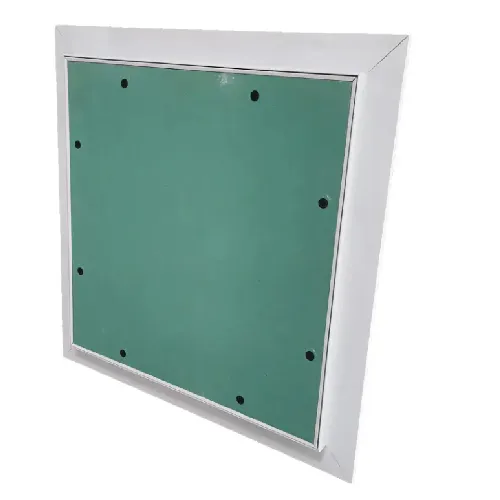
Simply put, a suspended ceiling access panel is a removable or hinged opening integrated into a suspended ceiling. It’s designed to give access to concealed systems like lighting wiring, air ducts, or plumbing without ripping out ceiling tiles or disrupting the visual ceiling plane.
Its design balances three key needs: seamless integration, ease of access, and structural integrity. Often constructed from lightweight metal or composite materials, these panels fit snugly but can readily be opened or removed by maintenance workers.
These panels aren’t just about convenience—they’re pivotal in healthcare — where quick access to air filtration systems can be life-saving — or in industrial facilities, where downtime is expensive and every second counts.
Key Features That Make Suspended Ceiling Access Panels Tick
1. Durability
Many engineers swear by panels made of galvanized steel or aluminum for their resistance to corrosion, especially in humid environments like hospitals or coastal areas. Durability isn’t just about lasting long; it’s also about maintaining fire ratings and sound insulation properties.
2. Size & Scalability
They come in various sizes—from small rectangular panels for electrical junctions to larger ones for HVAC duct access. Scalability is often overlooked but is critical: the right panel size means easier access, which translates to quicker repairs and less operational downtime.
3. Cost Efficiency
Oddly enough, some cheaper panels might cost you more in the long run due to frequent replacements or damage during removal. Investing in mid-tier panels that strike a balance between cost and quality often proves wiser.
4. Aesthetic Integration
In upscale offices or galleries, the panel shouldn’t scream “Hey, look, there’s an access hole here.” Many manufacturers now offer panels with customizable finishes or seamless paint coatings to blend with ceiling tiles.
5. Ease of Installation & Maintenance
Some panels use spring-loaded mechanisms or magnetic catches for easy opening without tools—a subtle feature that maintenance workers appreciate because it speeds up inspections and fixes.
Mini Takeaway:
The suspended ceiling access panel isn’t just a hole in the ceiling; it’s a finely tuned balance of form and function, designed to serve multiple industries in varied environments.
How Suspended Ceiling Access Panels Are Used Around the World
In the bustling airports of Dubai or Singapore, maintenance teams rely heavily on large, modular suspended ceiling access panels that can quickly open to reveal air filtration systems critical for passenger comfort.
In healthcare settings, like NHS hospitals in the UK, panels are required to meet stringent fire and hygiene standards, enabling staff to access medical gas lines safely and quickly.
Then there’s construction booms in Asia-Pacific and Africa, where modular office buildings use access panels that allow easy future expansion or rewiring without major renovations.
Some NGOs even emphasize these panels for temporary clinics in disaster zones, where flexibility and speed are paramount for installation and repairs.
Typical Specification Table for a Suspended Ceiling Access Panel
| Specification | Typical Value |
|---|---|
| Material | Aluminum / Galvanized Steel |
| Size Range | 300x300mm to 1200x1200mm |
| Finish | Powder Coated, Paintable |
| Load Rating | Up to 20 kg/m² |
| Fire Rating | Up to 60 minutes (BS 476 or ASTM E119) |
| Access Mechanism | Hinged, Magnetic, or Screw-Fixed |
Vendor Comparison: Choosing the Right Partner
| Vendor | Key Strength | Price Range | Lead Time | Customization |
|---|---|---|---|---|
| Xingyuan Ceilings | Modular, eco-friendly materials | $$$ | 2-3 weeks | High (color/size) |
| PanelTech Industries | Rapid delivery, standard sizes | $$ | 1-2 weeks | Low |
| GlobalCeil Solutions | Custom fire-rated panels | $$$$ | 3-4 weeks | Very High |
Why Investing in the Right Suspended Ceiling Access Panel Pays Off
Let’s face it—those access panels are often out of sight and out of mind until the day something goes wrong. But the right choice can reduce downtime, lower maintenance costs, and add to your building’s overall sustainability. For facility managers, this means fewer interruptions and headaches. For occupants, it means peace of mind knowing that systems can be serviced without compromising safety or cleanliness.
There’s an emotional side too—upgrading to panels with quick and easy access can signal a building owner’s respect for operational staff, which is kind of a human touch in a very technical field.
Trends & Innovation — What’s Next for Suspended Ceiling Access Panels?
The future is looking smart—quite literally. We’re beginning to see panels integrated with sensors that monitor indoor air quality or humidity. Imagine an access panel that also notifies maintenance when a filter needs changing. On the materials front, eco-friendly composites and recyclable metals are gaining ground, aligning with global sustainability goals.
Digital transformations mean architecture and maintenance professionals now use 3D modeling to plan access points better, minimizing costly mid-project changes. Plus, touchless or tool-free access mechanisms are gaining popularity, especially in high-traffic healthcare environments.
Challenges and How to Overcome Them
Of course, no tech is perfect. Some common headaches include mismatched panel sizes, panels that warp or degrade under humidity, or panels that interfere with fire safety ratings. Experienced installers often recommend partnering with manufacturers who can tailor solutions to specific buildings rather than going off-the-shelf.
Innovations like adjustable frames and modular inserts help address these issues. Even more so, training maintenance teams on proper panel handling reduces accidental damage, which is often overlooked.
Frequently Asked Questions About Suspended Ceiling Access Panels
- Q: How do I choose the right size for an access panel?
- A: Consider the size of the equipment or space you need to reach—larger HVAC units require bigger panels. Also, think about ease of access; a panel that's too small may cause more trouble than it’s worth.
- Q: Can suspended ceiling access panels improve fire safety?
- A: Yes, certain panels come with fire-rated properties that maintain the ceiling’s integrity during a fire, helping to contain smoke and heat. Always check fire certification when selecting panels.
- Q: Are access panels reusable?
- A: Most high-quality panels are built for long-term use and can be opened and closed multiple times without damage. Lower-end panels might degrade or get damaged more easily, affecting reusability.
- Q: Can I customize the finish of my access panel to match the ceiling?
- A: Absolutely. Many vendors, including suspended ceiling access panel specialists, offer customized paint or coatings to blend panels seamlessly with surrounding tiles or panels.
- Q: What maintenance is required for these panels?
- A: Regular checks for hinges, locks, or magnetic catches help keep panels working smoothly. Clean surfaces maintain aesthetic appeal, and ensuring panels fit properly reduces dust ingress.
In Conclusion: Why Suspended Ceiling Access Panels Still Matter
In a world laser-focused on big building innovations, it's easy to overlook something as humble as the suspended ceiling access panel. Yet, it’s a small detail that delivers big dividends: improved maintenance, fire safety, cost savings, and aesthetics. If you’re evaluating ceiling solutions, consider how the right panel can enhance not just your building’s function but the day-to-day life of those who maintain it.
For customized, reliable options, visit Xingyuan Ceilings and discover a range of panels tailored to your needs.
Reflection & Reference
- United Nations, World Urbanization Prospects, 2018: https://population.un.org/wup/
- International Organization for Standardization: ISO 21542: Building construction - Accessibility and usability of the built environment
- British Standards Institution: BS 476 Fire Tests on Building Materials and Structures
-
Benefits and Guide of Mineral Fiber Ceiling Board for InteriorsNewsApr.16,2026
-
Modern Mineral Fiber Ceiling Solutions for Acoustic PerformanceNewsApr.09,2026
-
Mineral Fibre Board Ceiling vs Gypsum Board A Comprehensive Comparison GuideNewsApr.07,2026
-
Comprehensive Guide to Mineral Fiber Ceiling Specification and PerformanceNewsApr.04,2026
-
What Are Mineral Fiber Ceiling Tiles Made Of And Their ApplicationsNewsMar.31,2026
-
Exploring the Benefits of Suspended Mineral Fibre Ceiling Systems for Modern BuildingsNewsMar.28,2026