
Nov . 30, 2025 11:45 Back to list
Comprehensive Guide to Ceiling Hatch Covers – Design, Benefits & Future Trends
Understanding Ceiling Hatch Covers: The Unsung Heroes of Infrastructure
At first glance, a ceiling hatch cover might seem like a small, often overlooked component of a building or industrial setting. Yet, these covers play a pivotal role in ensuring safety, accessibility, and functionality across countless applications worldwide. With rapid urbanization, expanding industrial zones, and evolving safety regulations, understanding ceiling hatch covers is more critical than ever. Whether in warehouses, commercial buildings, or disaster relief shelters, these covers provide both protection and access — benefits that permeate across sectors on a global scale.
Why Ceiling Hatch Covers Matter Globally
According to the International Organization for Standardization (ISO), safety standards related to building access points are becoming increasingly stringent worldwide (1). The World Bank reports that commercial and industrial infrastructure is expected to grow by nearly 30% in emerging markets over the next decade (2). In these growing spaces, ceiling hatch covers address key challenges like controlled access to utilities, fire safety compliance, and space optimization.
Yet, as useful as these covers are, improper selection or installation can cause everything from ventilation problems to security loopholes. The right coverage and material choices address these challenges head-on — a hot topic for engineers and architects alike.
What Exactly Is a Ceiling Hatch Cover?
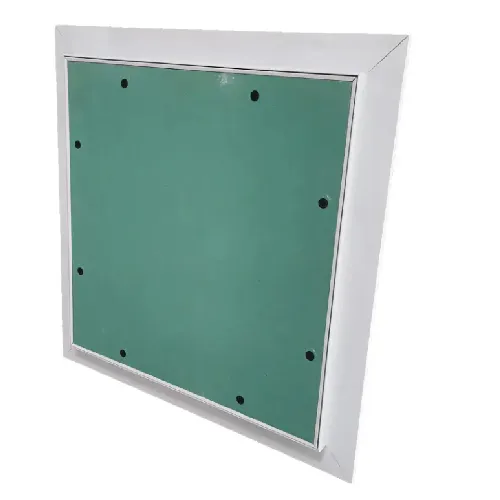
Put simply, a ceiling hatch cover is a panel or door installed in ceilings that provides access to spaces like attics, utility ducts, or service shafts. Think of it as the “secret door” to areas behind the scenes—yet one that must blend seamlessly with its surroundings to not only look good but also perform effectively. These covers come in various sizes, materials, and locking mechanisms.
Their relevance stretches beyond construction — in humanitarian settings, for example, quick access to electrical or water systems behind ceilings can mean the difference between timely repairs and prolonged outages. In industrial sectors, hatch covers facilitate routine inspections and emergency responses without disrupting workflows.
Core Components That Define Quality and Functionality
1. Durability and Material Quality
Most ceiling hatch covers rely on sturdy materials like galvanized steel, aluminum, or reinforced polymers. Durability here isn't just about lasting through years but also resisting environmental factors such as moisture, corrosion, and fire. Many engineers swear by fire-rated metal options for commercial builds, ensuring safety codes are met without sacrificing accessibility.
2. Size and Accessibility
A hatch cover must fit seamlessly yet allow sufficient space for human entry or equipment movement. In real terms, “standard” sizes vary by region, but a good hatch should balance compactness with functionality. Oddly enough, poorly sized covers are one of the most common complaints in retrofit projects.
3. Sealing and Insulation
Especially in climate-controlled environments, the hatch cover should prevent heat loss, air leaks, and noise transmission. Silicone strips or foam gaskets often form that crucial barrier. In fact, in green buildings or energy-efficient constructions, even a small unsealed hatch can ruin months of effort.
4. Security Features
A quality ceiling hatch cover must prevent unauthorized access. Locking mechanisms vary from simple latches to complex electronic locks, with some industrial applications requiring compliance with security certifications.
5. Ease of Installation and Maintenance
While these panels should be tough, they also need to be user-friendly. Lightweight designs with quick-release hinges or removable panels save time during installation and routine checks. Many contractors I spoke with emphasized this as a key factor in purchasing decisions.
Typical Product Specifications at a Glance
| Attribute | Typical Range | Notes |
|---|---|---|
| Material | Galvanized Steel, Aluminum, Composite | Material choice affects weight and durability |
| Size (WxH) | 300mm x 300mm to 900mm x 1200mm | Custom sizes available |
| Fire Rating | 30 to 90 minutes | Relevant for building codes |
| Sealing | Foam Gaskets, Silicone Strip | Ensures energy efficiency and soundproofing |
| Locking Mechanism | Latch, Keylock, Electronic | Varies by security requirement |
| Weight | 3kg to 15kg | Depends on size and material |
How Do Different Vendors Stack Up?
| Vendor | Material Options | Customization | Price Range (USD) | Lead Time |
|---|---|---|---|---|
| Xingyuan Ceilings | Steel, Aluminum | Full customization | $50 - $150 | 2-4 weeks |
| Global Hatchworks | Composite materials only | Limited customization | $60 - $130 | 3-6 weeks |
| Secure Lock Hatch Inc. | Steel & Advanced Alloys | Focus on security features | $80 - $180 | 4-5 weeks |
Where and How Are Ceiling Hatch Covers Used Around the World?
In my research and chats with field engineers, one thing is clear: ceiling hatch covers don’t just sit silently in one place. In North America and Europe, their most frequent applications crop up in commercial buildings and hospitals — places where access to utilities is mission-critical yet must remain discreet. In Asia-Pacific regions, rapidly built factories and data centers rely heavily on ceiling hatch covers to support flexible design.
Oddly enough, humanitarian organizations like the UN have adopted modular ceiling hatch covers for temporary shelters after natural disasters. In these situations, easy access to damaged infrastructure through a reliable hatch cover speeds up repairs significantly. Likewise, remote industrial facilities, such as mining camps in South America, bet on lightweight but durable hatch covers that withstand harsh environments.
Why Choose a Ceiling Hatch Cover? Real Advantages and Long-Term Value
- Cost Efficiency: Low installation and maintenance costs relative to the protective and access benefits they provide.
- Sustainability: Many models now come made from recycled or eco-friendly materials.
- Safety and Compliance: Fire-rated or security-enhanced covers help meet local codes effortlessly.
- Trust and Peace of Mind: Knowing your water pipes or electrical wires are securely shielded brings a sort of quiet confidence.
- Flexible Access: Quick hatch opening mechanisms support fast troubleshooting and maintenance.
Frankly, these benefits add up to real savings both financially and emotionally. After all, there's value in not having to worry about the unseen parts of your building.
Upcoming Trends: What’s Next for Ceiling Hatch Covers?
Looking ahead, we’re seeing a push toward smarter hatch covers that integrate sensors monitoring environmental conditions — temperature, humidity, or unauthorized access attempts. This fits squarely in the digital transformation wave sweeping industries globally. Lightweight composite materials infused with nanotechnology also promise greater durability and fire resistance without added weight.
Another green trend involves biodegradable or fully recyclable hatch covers aligned with global sustainability goals like the UN’s SDGs (3). I find it fascinating how something so simple can evolve so meaningfully.
Challenges to Expect and How to Overcome Them
Despite all their benefits, ceiling hatch covers sometimes fall short — especially when standard sizes don’t fit unique architectural designs. Poor sealing can also lead to energy inefficiencies. The key solutions? Prioritize customization and enforce strict quality controls during installation.
Expert vendors often recommend pre-installation mockups and suggest periodic inspections — easy steps that prevent long-term headaches. Plus, enhancing user training ensures quick, damage-free use over time.
Frequently Asked Questions About Ceiling Hatch Covers
- Q1: What materials offer the best balance between durability and weight?
- A1: Galvanized steel generally provides great durability but can be heavy. Aluminum and composites offer lighter weight with decent strength, ideal for applications needing portability or easier installation.
- Q2: Can ceiling hatch covers be customized for unusual ceiling sizes?
- A2: Absolutely. Many suppliers, including ceiling hatch cover specialists, offer bespoke solutions tailored to specific dimensions and functional needs.
- Q3: How do I maintain a fire-rated hatch cover?
- A3: Regular visual inspections to ensure seals and mechanical locks remain intact, plus professional servicing every 1-2 years, help maintain fire safety compliance.
- Q4: Are electronic locking mechanisms on hatch covers reliable for industrial use?
- A4: Yes, when installed correctly and maintained properly, electronic locks provide an additional security layer, especially suitable for sensitive installations.
- Q5: How can ceiling hatch covers aid in sustainable building design?
- A5: By incorporating tight sealing and insulating materials, they minimize energy loss. Using recycled or green-certified materials further enhances sustainability credentials.
Wrapping Up: Why Ceiling Hatch Covers Should Be on Your Radar
When you strip it down to the essentials, ceiling hatch covers are a small yet mighty part of modern infrastructure. They combine practicality with safety, unlock convenience, and adapt surprisingly well to a constantly shifting world.
If you’re contemplating upgrades or new constructions, take a moment to explore the variety of ceiling hatch cover options available. You’ll likely find one that fits your exact needs, boosting both efficiency and peace of mind for years to come. And honestly, isn’t that what you want?
References
- International Organization for Standardization (ISO) Standards
- World Bank Urban Development Reports
- United Nations Sustainable Development Goals
-
Benefits and Guide of Mineral Fiber Ceiling Board for InteriorsNewsApr.16,2026
-
Modern Mineral Fiber Ceiling Solutions for Acoustic PerformanceNewsApr.09,2026
-
Mineral Fibre Board Ceiling vs Gypsum Board A Comprehensive Comparison GuideNewsApr.07,2026
-
Comprehensive Guide to Mineral Fiber Ceiling Specification and PerformanceNewsApr.04,2026
-
What Are Mineral Fiber Ceiling Tiles Made Of And Their ApplicationsNewsMar.31,2026
-
Exploring the Benefits of Suspended Mineral Fibre Ceiling Systems for Modern BuildingsNewsMar.28,2026