
Nov . 30, 2025 10:05 Back to list
Plastic Ceiling Access Panels | Durable, Lightweight, Fire-Rated Solutions
Plastic Ceiling Access Panels: A Small Component with a Big Role
At first glance, a plastic ceiling access panel might not seem like the star player in construction or industrial settings. Yet, this practical item quietly solves some surprisingly global challenges — from maintenance ease to sustainability goals. Understanding what plastic ceiling access panels are and how they’re evolving allows facility managers, architects, and contractors to make smarter, long-term decisions. Plus, if you're aiming for quicker installation, cost control, or compliance with modern safety standards, knowing your options here is essential.
So, why the fuss about something as unassuming as a ceiling panel? Well, ceilings hide a lot behind them — wiring, plumbing, HVAC systems — and accessing these safely without disrupting a building’s function or aesthetics is crucial worldwide. The rise in plastic ceiling access panels is, frankly, a response to the demand for lightweight, cost-effective, and adaptable solutions in dozens of industries.
Why Plastic Ceiling Access Panels Matter Globally
Behind every facility, whether a hospital in Nairobi or a data center in Singapore, there’s a consistent challenge: maintaining infrastructure with minimal downtime and low cost. According to a 2022 building infrastructure report by the International Organization for Standardization (ISO), maintenance ease is becoming a top priority globally as facilities aim to reduce operational expenditure.
Plastic ceiling access panels cater to exactly this problem. They allow quick, reliable entry into concealed spaces without the damage or complexity posed by traditional metal or wooden panels. For places with intense humidity, frequent maintenance needs, or tight renovation schedules, these plastic panels simplify the routine yet vital task of access.
In essence, they bridge the gap between efficient maintenance and building longevity — a win-win, no matter where you are.
What Exactly is a Plastic Ceiling Access Panel?
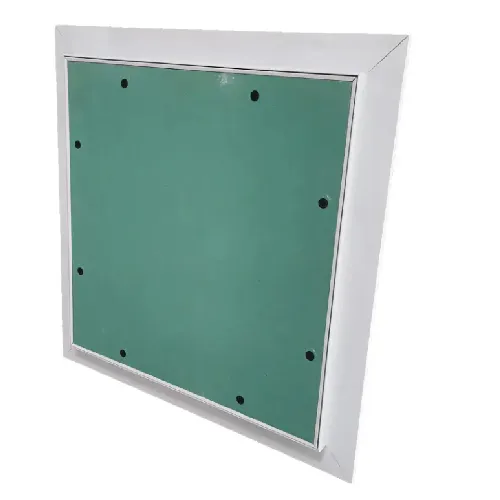
In simple terms, a plastic ceiling access panel is a lightweight, typically fire-rated, removable panel designed to fit into ceiling grids or drywall to provide access points for electrical, plumbing, or HVAC systems. Unlike their metal counterparts, these panels are usually made from durable thermoplastics such as polycarbonate or PVC, which offer moisture resistance and ease of fabrication.
They matter in modern construction and humanitarian projects alike. Imagine, for example, a rapidly built medical facility in a developing nation where access and maintenance need to be fast, cheap, and reliable. Plastic panels are often preferred for these applications given their quick installation and resistance to corrosion or mold.
Key Features that Define Plastic Ceiling Access Panels
Durability and Moisture Resistance
Plastic panels don’t rust or corrode like metal, making them ideal for humid environments such as indoor pools, hospitals, or tropical climates. They're also resistant to chemical exposure, which can be a game-changer in industrial settings.
Lightweight and Easy Installation
While steel or aluminum panels might weigh a fair bit, plastic ones are notably lighter, which means quicker installation and less strain on ceiling structures — something that contractors appreciate after a long day on-site.
Cost Efficiency
Raw plastic materials generally cost less than metals and require less labor to install, resulting in better project budgets without compromising quality.
Customization and Aesthetic Flexibility
The plastic molding process allows customizable sizing, colors, and finishes, so the panels can seamlessly blend with ceiling designs or branding requirements.
Fire and Safety Compliance
Many plastic ceiling access panels meet fire ratings mandated by international safety standards, like ASTM E84 or EN13501, reassuring building inspectors and occupants alike.
Mini takeaway: When choosing a plastic ceiling access panel, it's worth balancing durability, weight, and compliance factors to match your site’s unique demands.
Real-World Use Cases for Plastic Ceiling Access Panels
You might be wondering where exactly these panels come into play. Practically everywhere there’s a ceiling hiding important infrastructure. Here are a few settings where they've shown immense value:
- Hospitals: Rapid access for technicians maintaining sensitive medical gas lines, electrical wiring, or ventilation systems.
- Commercial buildings: Handy for office blocks requiring frequent inspections without damaging interiors.
- Industrial sites: Factories where chemical resistance is key — plastic panels withstand corrosive atmospheres better than metal.
- Public infrastructure: Airports and train stations using lightweight panels to minimize ceiling structure loads.
- Post-disaster reconstruction: NGOs in disaster zones rely on plastic access panels for fast, affordable rebuilding with minimal tools.
In short, the product's versatility means it's almost everywhere — and surprisingly important in many supply chains and infrastructures you never think about.
Advantages and Long-Term Value of Plastic Ceiling Access Panels
If you’re still on the fence, let me break down some benefits I’ve heard repeatedly from engineers and facility managers:
- Cost savings: Both upfront and operational — lighter materials reduce shipping and installation costs.
- Sustainability: Some manufacturers now use recycled plastics, helping buildings gain green certifications.
- Safety: Maintains integrity of fire-rated ceilings while allowing quick emergency access.
- Comfort & Dignity: Easier maintenance helps avoid long-term damages that affect occupants' safety and comfort.
- Innovation: Custom panels improve on-site workflow and reduce downtime, instilling trust in building reliability.
Product Specification Table
| Feature | Typical Specification |
|---|---|
| Material | Polycarbonate or PVC |
| Fire Rating | Class A (ASTM E84 / EN13501) |
| Panel Size | 12"x12" to 24"x24" (custom sizes available) |
| Weight | Less than 1.5 lbs per sq ft |
| Color Options | White, Off-white, Gray, Custom (with MOQ) |
| Installation | Drop-in, Screw-mounted, or Magnetic |
Comparing Leading Vendors: What to Look For
| Vendor | Material Quality | Price Range | Customization | Average Lead Time |
|---|---|---|---|---|
| Xingyuan Ceilings | Industrial-grade Polycarbonate | $$ | Full custom sizing & colors | 2-3 weeks |
| AccessPanel Co. | Standard PVC | $ | Limited colors, standard sizes | 1-2 weeks |
| CeilAccess Solutions | Hi-Grade Polycarbonate | $$$ | Premium customization & branding | 3+ weeks |
Looking Forward: Innovations and Trends in Plastic Ceiling Access Panels
Faced with increasing environmental regulations, manufacturers are now exploring bio-based plastics and recycled materials to produce green ceiling panels. Some experimental products feature embedded sensors for IoT-enabled maintenance — imagine a panel that alerts you when cables behind it need attention.
The integration of digital design tools is making customization both faster and more accurate, which suits complex modern architectural demands. Also, automation in production lines is reducing costs and improving consistency, so the future looks bright (and lighter) for plastic panels.
Challenges Still on the Horizon
Plastic ceiling access panels aren't perfect. A common issue is their potential vulnerability to UV degradation in skylight areas, which can cause discoloration or brittleness over time. Manufacturers address this by adding UV stabilizers, but it’s not a one-size-fits-all fix.
Another challenge is perception — some architects and contractors are used to metal panels and hesitate to specify plastics. Education about fire ratings and structural capabilities can shift these biases, though.
Finally, recycling post-use panels remains tricky. While recycling programs exist, not all facilities can process these plastics effectively, so end-of-life disposal needs further innovation.
FAQ: Questions About Plastic Ceiling Access Panels
- How do plastic ceiling access panels compare to metal ones in fire safety?
- Modern plastic panels are often fire-rated to meet standards like ASTM E84 or EN13501, comparable to many metal panels. Always check manufacturer certifications to ensure compliance with local building codes.
- Can plastic ceiling access panels be customized for unusual ceiling sizes?
- Yes, many vendors offer custom sizes and shapes to fit unique architectural or industrial needs. Customization ranges from panel dimensions to color finishes.
- Are plastic panels suitable for humid or wet environments?
- Absolutely. Plastic’s moisture resistance is one of its top benefits, making it ideal for bathrooms, pools, or industrial spaces where metal may corrode quickly.
- What’s the typical lifespan of a plastic ceiling access panel?
- Under normal indoor conditions, panels can last 10+ years, depending on environmental exposure and usage. Proper maintenance extends life significantly.
- How can I ensure my purchase of plastic ceiling access panels meets building code?
- Always verify the panel’s certifications and fire ratings, consult your local regulations, and ask vendors for technical datasheets. Partnering with reputable suppliers like Xingyuan Ceilings simplifies this process.
Final Thoughts: Why Plastic Ceiling Access Panels Are a Smart Choice
Plastic ceiling access panels may not be flashy, but they quietly underpin safer, more efficient buildings worldwide. Their cost-effectiveness, durability, and adaptability make them indispensable — especially as infrastructure grows in complexity. If you care about maintenance speed, sustainability, or simply a clean ceiling finish, it’s worth considering plastic panels over traditional options.
For the best in quality and customization, I suggest visiting Xingyuan Ceilings and seeing what options fit your project needs. Trust me, a small panel can solve big problems.
References:
- ISO 12006-2:2015 – Building construction — Organization of information about construction works — Part 2: Framework for classification
- ASTM E84 – Standard Test Method for Surface Burning Characteristics of Building Materials
- EN 13501-1 – Fire classification of construction products and building elements
-
Benefits and Guide of Mineral Fiber Ceiling Board for InteriorsNewsApr.16,2026
-
Modern Mineral Fiber Ceiling Solutions for Acoustic PerformanceNewsApr.09,2026
-
Mineral Fibre Board Ceiling vs Gypsum Board A Comprehensive Comparison GuideNewsApr.07,2026
-
Comprehensive Guide to Mineral Fiber Ceiling Specification and PerformanceNewsApr.04,2026
-
What Are Mineral Fiber Ceiling Tiles Made Of And Their ApplicationsNewsMar.31,2026
-
Exploring the Benefits of Suspended Mineral Fibre Ceiling Systems for Modern BuildingsNewsMar.28,2026