
Nov . 30, 2025 08:30 Back to list
High-Quality Drop Ceiling Access Panels for Safe & Easy Ceiling Maintenance | Xing Yuan Ceilings
Why Drop Ceiling Access Panels Matter More Than You Think
If you’ve ever worked in an office, a commercial building, or even a healthcare facility, you’ve probably glanced up and noticed that neat, grid-like drop ceiling. Concealed behind those tiles are essential utilities—wiring, plumbing, HVAC systems—that need maintenance and occasional inspection. That's where the humble drop ceiling access panel steps in, offering a discreet gateway for professionals without tearing apart walls or ceilings. Globally, millions of buildings rely on these panels for quick, safe access, ensuring infrastructure stays functional and safe. Understanding their impact is not just for contractors or facility managers; it’s about how infrastructure longevity and safety are maintained worldwide. The benefits? Reduced maintenance downtime, improved safety, and cost savings that ripple far beyond the ceiling itself.Global Context: A Small Panel with Big Reach
The construction and facilities management industries are huge—according to the International Organization for Standardization (ISO), over 30% of commercial building maintenance costs come from access-related repairs alone. Even the UN’s Habitat program stresses the importance of sustainable building designs that simplify upkeep without losing structural integrity. Drop ceiling access panels may seem like a tiny piece of this puzzle, but they simplify infrastructure inspections and repairs across continents, from burgeoning Asian metro hubs to aging European skyscrapers. The challenge? Many existing panels are still built without sufficient durability or easy installation methods, posing safety risks or driving up long-term costs. _So, understanding the modern drop ceiling access panel means addressing a global need for efficiency, safety, and smart infrastructure._Knowing the Basics: What Exactly is a Drop Ceiling Access Panel?
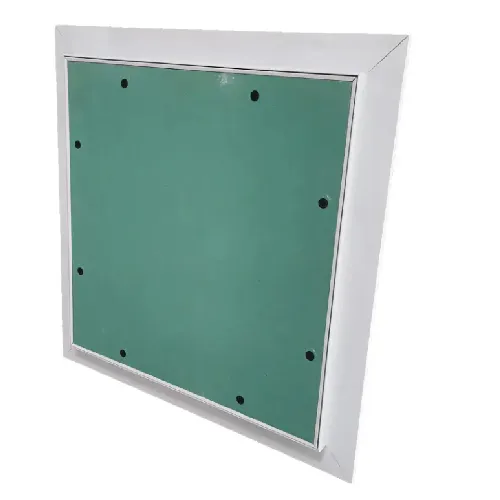
Simply put, a drop ceiling access panel is a removable or hinged opening within a suspended ceiling, designed to give maintenance workers easy entry to the space above. Unlike permanent ceiling fixtures, these panels blend into the ceiling grid, ensuring aesthetic continuity and sound insulation. Their use spans all industries, from hospitals needing quick access to life-support wires to factories monitoring ventilation systems. Importantly, this access solution ties into broader goals: reducing invasive repairs, preserving hygiene (especially in cleanrooms or hospitals), and supporting sustainable building management.Core Features that Define a Quality Panel
1. Durability and Material Quality
The panel’s material—often aluminum, steel, or high-grade plastic—directly affects longevity and resistance to environmental factors like humidity or corrosion. In a humid hospital wing, you don’t want a rust-prone panel collapsing mid-inspection. Engineers favor powder-coated steel or anodized aluminum because these balance strength and lightness.2. Ease of Installation & Maintenance
Quick access often means rapid installation and minimal tools required. Panels with secure yet simple locking mechanisms prevent unauthorized entry but don’t require technicians to bring complicated gear just to open them. Maintenance teams report that “tool-less” designs save precious minutes in emergency situations.3. Fire and Safety Compliance
Many regulations now mandate fire-rated access panels to help contain fires or smoke. This isn’t just bureaucratic red tape—it saves lives by preventing fire spread overhead until responders arrive.4. Size & Customization Options
While a standard 2’x2’ panel fits many ceilings, some buildings demand larger or irregularly shaped panels for specialized equipment access. Vendors who customize these to client needs supply a huge advantage in the field.Summary Takeaway:
Durability, ease of use, safety features, and customization create a panel that’s more than a product—it’s part of the building’s heartbeat.Drop Ceiling Access Panels in the Real World: Applications that Speak Volumes
These panels quietly support operations across sectors—from financial district skyscrapers in New York, bustling hospital complexes in Singapore, to manufacturing plants in Germany. Oddly enough, in disaster-prone zones like parts of Japan or California, building codes emphasize speedy utility repairs, making high-grade access panels indispensable. In humanitarian contexts, portable healthcare clinics often adopt these panels for quick maintenance, ensuring no downtime when lives are at stake. Remote industrial zones with heavy machinery also demand them for safe, hassle-free inspections.| Specification | Typical Values |
|---|---|
| Material | Powder-coated steel / Aluminum |
| Sizes | Standard 24"x24", custom options available |
| Weight | Approx. 5-7 lbs |
| Fire Rating | UL Classified (up to 1 hour) |
| Locking Mechanism | Tool-less snap latch / keyed lock options |
Comparing Top Vendors: Choosing the Right Partner
| Vendor | Material Options | Custom Sizes | Fire-rated Models | Price Range (USD/unit) |
|---|---|---|---|---|
| Xing Yuan Ceilings | Steel, Aluminum | Yes | Yes | $40 – $75 |
| AccessPro Panels | Aluminum, Plastic | Limited | Some | $35 – $65 |
| SafeCeil Systems | Steel only | No | Yes | $50 – $80 |
Why Invest in a Drop Ceiling Access Panel?
Here’s where the benefits really stack up—think cost efficiency, long-term reliability, and compliance.- Reduced downtime: Quick, safe access means less disruption during maintenance.
- Safety first: Fire-rated panels can literally buy time in emergencies.
- Customization flex: Tailored sizes and finishes integrate seamlessly into any design.
- Longevity: Robust materials mean fewer replacements and lower life-cycle costs.
Emotions often get overlooked in these specs, but in a way, these panels offer peace of mind—knowing the systems behind the scenes won’t be compromised. For building managers juggling budgets and safety codes, that’s priceless.
Looking Ahead: Future Trends in Access Panel Technology
The landscape is evolving. Smart panels embedded with sensors could soon alert teams when HVAC filters need checking or when wiring has moisture damage. Sustainable materials like recycled aluminum and fire-retardant composites are gaining traction, meeting global green building targets. With automation in building maintenance rising, some panels will be designed for robotic inspection tools, minimizing human risk in hazardous areas. Honestly, the concept of a drop ceiling access panel feels almost timeless — but it’s quietly embracing the digital age.Common Challenges & How Experts Overcome Them
- Challenge: Panels that wear out too fast in moist or dusty environments.Solution: Using powder-coated finishes and corrosion-resistant materials.
- Challenge: Difficult installation causing extra labor hours.
Solution: Modular design with snap-in features reduces time and errors.
- Challenge: Compliance with ever-changing fire and safety codes.
Solution: Vendors maintaining certifications and offering upgrade paths.
These insights aren’t just theory; many engineers I spoke with emphasize choosing a vendor who provides ongoing support post-installation.
FAQs About Drop Ceiling Access Panels
- Q: What size access panels are most common?
A: The typical sizes are 24”x24” or 24”x48”, but many manufacturers like Xing Yuan Ceilings offer custom dimensions to fit particular ceiling grids or equipment needs. - Q: Are drop ceiling access panels fire-rated?
A: Yes, many models meet UL fire-rating standards (up to 1 hour), which is essential for buildings with strict fire codes. - Q: How do I maintain these panels?
A: Regular inspections to check locking mechanisms and clean surfaces prevent corrosion and ensure quick operation. Panels designed for tool-less opening simplify upkeep. - Q: Can I install these panels myself?
A: With some basic DIY skills, yes, but commercial settings often require professional installation to ensure compliance and integrity. - Q: What materials offer the best balance of durability and cost?
A: Powder-coated steel offers ruggedness and affordability; aluminum is lighter and corrosion-resistant but slightly pricier.
Wrapping Up: The Quiet Backbone of Modern Ceilings
The drop ceiling access panel might seem like a small cog in large-scale building management, but its role is outsized. It’s a nexus of safety, function, and aesthetics that keeps buildings running smoothly while facilitating quick fixes. As buildings get smarter and greener, these panels will only grow more important, blending innovation with practicality.If you’re considering upgrading your facility or starting a new project, visit Xing Yuan Ceilings—their options balance quality, customization, and compliance brilliantly. I’ve noticed that companies who invest in thoughtful ceiling access solutions often avoid headaches later on, kind of like insurance you can actually see.
So, next time you walk into a well-kept building and look up… you know there’s more than meets the eye.
References
Latest news
-
Benefits and Guide of Mineral Fiber Ceiling Board for InteriorsNewsApr.16,2026
-
Modern Mineral Fiber Ceiling Solutions for Acoustic PerformanceNewsApr.09,2026
-
Mineral Fibre Board Ceiling vs Gypsum Board A Comprehensive Comparison GuideNewsApr.07,2026
-
Comprehensive Guide to Mineral Fiber Ceiling Specification and PerformanceNewsApr.04,2026
-
What Are Mineral Fiber Ceiling Tiles Made Of And Their ApplicationsNewsMar.31,2026
-
Exploring the Benefits of Suspended Mineral Fibre Ceiling Systems for Modern BuildingsNewsMar.28,2026