
Nov . 23, 2025 22:00 Back to list
Comprehensive Guide to DIY Ceiling Access Panels – Benefits, Trends & FAQs
Why the DIY Ceiling Access Panel Matters More Than You Think
At first glance, a diy ceiling access panel might seem like a simple feature, just a small door or hatch in your ceiling. But globally, its significance stretches far beyond convenience. These panels are the gateways to maintenance, safety inspections, and even emergency access in many commercial, industrial, and residential buildings. Understanding their design, installation, and evolving usefulness can save costs, reduce downtime, and improve safety standards across multiple industries. Whether you’re a building manager, an architect, or just a curious homeowner, delving into this tiny yet mighty component is worthwhile.
Introduction: The Global Perspective on Ceiling Access Panels
Why talk about diy ceiling access panels on a global scale? Well, buildings across the world depend on easy access to electrical wiring, plumbing, HVAC systems, or fire safety mechanisms hidden above ceilings. UNESCO estimates that urban construction is booming at an unprecedented pace, with over 1.5 billion people expected to move into cities by 2030. This rapid urbanization means more structures needing maintenance access that’s both reliable and safe.
Moreover, the International Organization for Standardization (ISO) has issued guidelines on building safety that highlight the importance of clear access points. However, many older buildings and even some new ones lack appropriate or easy-to-install panels — which complicates repairs and inspections.
Frankly, without efficient ceiling access, emergency responders can lose crucial time, and maintenance workers often have to improvise, leading to costly delays or damage. Enter the diy ceiling access panel: a simple, affordable solution that has progressively attracted attention.
What Is a DIY Ceiling Access Panel?
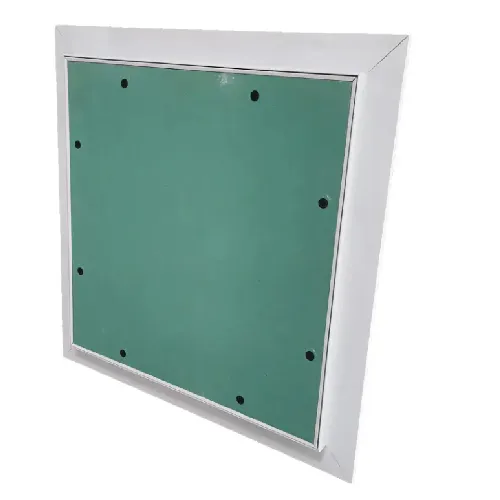
A diy ceiling access panel, put simply, is a modular opening in the ceiling you can install yourself that allows people to reach areas above for maintenance or inspection without removing large sections of ceiling material. Unlike custom-built access points, these panels come as ready-to-fit kits or customizable sizes that fit easily into existing ceilings.
They connect directly to the increasing demand for modular building elements — a growing trend across industries aiming for cost-effective, scalable, and quick-to-implement infrastructures — especially in regions where building standards are evolving rapidly.
Mini Takeaway:
Think of the DIY ceiling access panel as the "hidden door" your building needs for hassle-free behind-the-scenes work. Not flashy, but hugely important.
Key Factors When Choosing a DIY Ceiling Access Panel
Durability and Material Quality
Panels vary from simple plastic trims to heavy-duty metal frames, with aluminium and steel being popular for durability. The material affects fire resistance, longevity, and weight.
Ease of Installation
Most diy kits boast simple instructions and adjustable frames, but some require tools or minor carpentry skills. Pick a panel that aligns with your confidence and skill level.
Size & Customizability
Standard sizes are common, but some providers offer custom fits. Knowing your ceiling’s dimension is key — a poorly fitting panel defeats the purpose.
Aesthetic Options
Panels can be painted or trimmed to blend invisibly with ceilings, which is highly valued in residential or commercial interiors where appearances count.
Fire-Rating & Safety Compliance
Some panels have fire-resistant cores or comply with regional building codes. If safety is a big concern (like in hospitals or offices), choose accordingly.
Cost Efficiency
Prices range widely — from $20 for basic plastic models to over $150 for premium fire-rated panels. Balancing upfront cost and durability is often the trick.
Mini Takeaway:
- Durability, installation, size, safety, and price — these are the pillars to consider.
- A panel that looks good but is flimsy won’t pay off long-term.
DIY Ceiling Access Panel Specifications Comparison
| Specification | Basic Plastic Panel | Aluminium Frame Panel | Fire-Rated Steel Panel |
|---|---|---|---|
| Dimensions | 12" x 12" | 16" x 16" (customizable) | 24" x 24" |
| Material | PVC Plastic | Aluminium | Galvanized Steel |
| Fire Rating | None | Optional | Up to 2 hours |
| Installation Difficulty | Easy | Medium | Hard |
| Cost (USD) | $20-$40 | $60-$90 | $120-$180 |
| Paintable | Yes | Yes | Limited |
Global Vendors: How They Stack Up
| Vendor | Product Range | Customization Options | Global Shipping | Average Price (USD) |
|---|---|---|---|---|
| Xingyuan Ceilings | Plastic, Aluminium, Steel Panels | Yes | Yes | $50-$150 |
| AccessTech | Mid-range Plastic Panels | Limited | No | $30-$70 |
| GlobalFit Solutions | Premium Fire-Rated Metals | High | Yes | $100-$200 |
How Are DIY Ceiling Access Panels Used Around the World?
These panels are more than just a convenience in office buildings or homes. In disaster-prone regions such as Southeast Asia or the Caribbean, quick access to emergency wiring or ventilation control can save lives. Post-disaster relief organizations often recommend buildings include easy-to-install access panels so that temporary fixes or inspections can happen quickly.
Industrial complexes, like remote mining operations in Australia or drilling platforms off Norway, also rely heavily on such panels for routine safety checks and equipment servicing without interrupting operations.
Oddly enough, even high-tech labs and hospitals in North America increasingly specify ceiling access as part of their building codes to maintain critical systems with minimal downtime.
Mini Takeaway:
From emergency relief to cutting-edge labs, the diy ceiling access panel quietly supports safety and efficiency worldwide.
The Long-Term Advantages of Installing a DIY Ceiling Access Panel
- Cost Savings: Cut down service and repair times by avoiding costly ceiling demolitions.
- Sustainability: Reusable and often paintable panels reduce renovation waste.
- Safety: Fire-rated models improve building safety systems.
- User Empowerment: Homeowners and building managers can perform minor inspections themselves.
- Enhanced Property Value: Proper access is a sign of good maintenance, reassuring buyers and tenants.
There’s also something very reassuring about knowing you have controlled, easy access to what’s above. You gain a degree of confidence in infrastructure that isn’t visible day to day but matters hugely when something goes wrong.
Emerging Trends and Innovations in Ceiling Access Panels
Green building trends now influence panel design — lightweight recycled materials, UV-resistant coatings, and non-toxic paints. There’s also a move toward smart access panels equipped with sensors to monitor internal conditions or automate opening in emergencies. Digital twin technology, where a virtual model of your building’s infrastructure guides maintenance, often incorporates these access points as real-world check-ins.
Frankly, some companies are pioneering automated panels that open remotely for inspections or integrate with fire suppression sensor systems — catchy stuff that’s still in its infancy but fascinating.
Challenges and How to Tackle Them
Key challenges remain: installation precision is critical, and poorly fitted panels can cause drafts or decrease fire safety. Also, some customers underestimate the need for periodic checking of panel seals or hinges. Material compatibility with the existing ceiling is another common issue, where mismatched expansion rates cause warping.
Experts often recommend partnering with vendors who provide comprehensive installation guides and who perform compatibility checks. Some DIY enthusiasts also use online forums or local workshops for skills and tips —community knowledge can really make a difference.
FAQ: Common Questions About DIY Ceiling Access Panels
Q1: How hard is it to install a diy ceiling access panel for a beginner?
A: Most basic panels come with step-by-step instructions and require only common tools like a saw and screwdriver. If you’re comfortable handling simple measurements and cuts, installation is usually straightforward and can be completed in under an hour.
Q2: Can I paint my diy ceiling access panel to match my room?
A: Absolutely, many panels are designed to be painted. Using water-based paints on plastic panels or appropriate metal primers on metal ones ensures good adhesion and a seamless look.
Q3: Are fire-rated diy ceiling access panels mandatory?
A: They’re mandatory in some commercial and residential buildings depending on local fire codes. Check your region’s building regulations before purchase to ensure compliance.
Q4: Will installing a ceiling access panel affect my insulation?
A: If installed properly with a panel that seals well, it shouldn’t significantly affect insulation. Some panels even have insulation inserts to maintain thermal efficiency.
Q5: Where can I find reliable diy ceiling access panels?
A: Vendors like Xingyuan Ceilings offer a range of customizable, easy-install panels suitable for different needs and budgets.
Wrapping Up: Why Every Space Benefits From A DIY Ceiling Access Panel
Over the long haul, installing a diy ceiling access panel is one of those low-effort, high-impact building upgrades. They save time and money when things need fixing or inspection, improve safety, and even contribute to sustainability by reducing ceiling damage and waste. Plus, it feels good to be prepared. For anyone looking to make a practical, versatile addition to their space, panels like these tick a surprising number of boxes.
Interested? Check out diy ceiling access panel options today and see how simple changes can make a big difference.
References:
-
Benefits and Guide of Mineral Fiber Ceiling Board for InteriorsNewsApr.16,2026
-
Modern Mineral Fiber Ceiling Solutions for Acoustic PerformanceNewsApr.09,2026
-
Mineral Fibre Board Ceiling vs Gypsum Board A Comprehensive Comparison GuideNewsApr.07,2026
-
Comprehensive Guide to Mineral Fiber Ceiling Specification and PerformanceNewsApr.04,2026
-
What Are Mineral Fiber Ceiling Tiles Made Of And Their ApplicationsNewsMar.31,2026
-
Exploring the Benefits of Suspended Mineral Fibre Ceiling Systems for Modern BuildingsNewsMar.28,2026