
Nov . 25, 2025 16:30 Back to list
Comprehensive Guide to External Waterproof Access Panels – Durable, Reliable & Customizable
Understanding the External Waterproof Access Panel: Why It Matters Worldwide
Ever stumbled upon a neat little hatch or door on a building’s exterior or industrial setup and wondered about its purpose? Well, more often than not, it’s an external waterproof access panel—a critical yet underappreciated component that keeps everything inside safe, dry, and functional. In a world grappling with extreme weather patterns, rising humidity, and increasing demand for resilient infrastructure, knowing about these panels isn’t just for builders or engineers — it’s for anyone who values durability and safety in construction. In real terms, this modest component plays a major role: protecting electrical boxes, plumbing cleanouts, or mechanical systems against rain, dust, and pests, especially when things get messy outside. From sprawling urban centers in Asia to cold, rainy zones in Europe, external waterproof access panels tackle a global challenge: safeguarding vital internal workings from nature’s whims. ---The Global Context: Why Do External Waterproof Access Panels Matter Today?
Globally, climate change is no longer a distant buzzword. According to the UN’s latest climate report, extreme weather events have surged by nearly 45% in the past two decades (1). Cities and industries worldwide are looking for ways to fortify infrastructure — which includes smart solutions like external waterproof access panels that prevent moisture infiltration and costly damage. Additionally, industries such as telecommunications, energy, and logistics face rising operational risks if uncontrolled water breaches access points. Consider this: The International Organization for Standardization (ISO) notes that waterproof and dustproof enclosures reduce maintenance costs by up to 30% and downtime by over 15% (2). So, as global investment in infrastructure booms (the World Bank estimates trillions pumped into facilities by 2030), these panels quietly step up as unsung heroes. ---What Exactly Is an External Waterproof Access Panel?
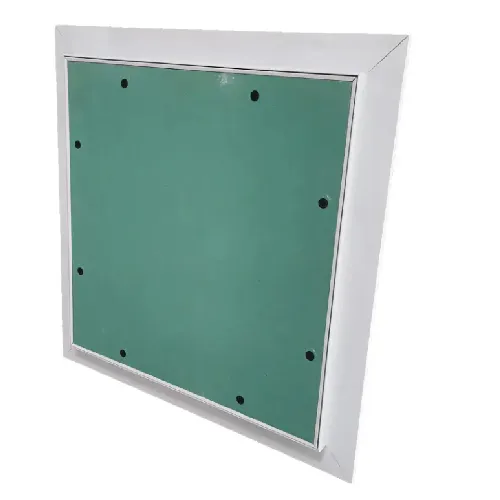
At its heart, an external waterproof access panel is a sealed but accessible door or cover, typically installed on the outside of buildings, equipment cabinets, or utility boxes. Its main job? To provide convenient access for maintenance or inspection without compromising the enclosure’s resistance to water, dust, or insects. Think of it as a hatch with a weatherproof seal, sometimes reinforced with gaskets, locks, or corrosion-resistant materials, tailored to withstand rain, wind-driven moisture, or even salt spray near coasts. Its simplicity is deceptive—underneath lies a blend of engineering, durable materials, and clever sealing systems crucial for modern infrastructure and humanitarian setups alike. ---Breaking Down the Core Components of External Waterproof Access Panels
1. Durability
A panel’s ability to resist corrosion, UV rays, or impact significantly influences lifespan. Materials like stainless steel, aluminum, or UV-stabilized composites are favorites. I’ve noticed engineers often insist on marine-grade alloys near coastlines, where salt air can wreck inferior metals in months.2. Watertight Sealing
The waterproof reputation hinges on gaskets and seals. Silicone rubber seals are common because they stay flexible over temperature swings. A well-sealed panel keeps the elements out but allows quick access when needed—and that balance is harder to achieve than it sounds.3. Ease of Access
Panels differ in how easy they are to open — some have key locks, others tool-operated screws. The perfect panel is secure yet functional, so maintenance crews aren’t fumbling around during storms. For critical sites, this balance is often a lifesaver.4. Thermal and Fire Resistance
While not all panels are fireproof, many industries require at least moderate fire resistance, especially in electrical enclosures. Some panels come with extra insulation layers or intumescent seals that expand when heated, sealing gaps in an emergency.5. Customizability
This is a big one. Depending on the application, you might want a panel with integrated windows, vents, or even custom sizes to fit odd spaces. The best manufacturers offer a variety of options tuned to field realities. ---Real-World Applications: How External Waterproof Access Panels Keep the World Running
You find these panels literally everywhere: - Urban Infrastructure: In cities prone to heavy rain, waterproof panels guard electric meters, ventilation controls, and water shut-offs on building exteriors. - Telecom Networks: Cabinets housing sensitive communication gear use waterproof panels to ensure uninterrupted service, rain or shine. - Disaster Relief Efforts: NGOs and aid agencies installing temporary shelters or power units in flood-prone areas rely on sealed access points to keep equipment reliable. - Industrial Zones: Factories operating in dusty or wet environments use these panels for equipment access, saving costly downtime. - Maritime Applications: Ports and ships install waterproof panels designed to endure salt spray and humidity without corroding. One memorable case comes from a remote mining operation up in Canada, where an unexpected late-spring snowstorm threatened to short-circuit critical electrical panels. The site’s reliance on high-quality external waterproof access panels meant only minor delays — a testament to engineering foresight. ---Why Choose External Waterproof Access Panels? The Advantages and Long-Term Value
The tangible benefits stack up nicely: - Cost Efficiency: Preventing water ingress reduces repair bills, downtime, and asset replacement costs. - Sustainability: Using durable materials means fewer panels replaced over time, cutting waste and emissions. - Safety & Trust: Keeping electrical and mechanical components dry reduces fire hazards and boosts user confidence. - Operational Continuity: In industries where uptime counts, a well-sealed panel is part of strong risk management. - Dignity & Care: Even in humanitarian contexts, protecting infrastructure with proper access panels respects the dignity and safety of affected communities. To me, these panels symbolize the small but mighty components that keep our modern, complex world ticking—often unnoticed, yet utterly essential. ---What’s Next? Future Trends in External Waterproof Access Panels
The industry is evolving fast. Look for: - Smart Panels: Embedded sensors that detect moisture or seal breach and alert maintenance teams remotely. - Eco-Friendly Materials: Biodegradable or recycled composites replacing traditional metals without compromising durability. - Improved Standards: ISO and UL certifications getting stricter, aligning to harsher climates and digital security demands. - Modular Construction: Panels designed for quick swaps and upgrades, fostering faster repair cycles. - Automation Integrated Solutions: Panels that interlock with building management systems, auto-locking after inspections. Imagine an access panel telling you “Hey, moisture detected, time to check” before problems escalate. Oddly enough, this future isn’t far off. ---Challenges and How Experts Are Solving Them
Common gripes with external waterproof access panels include: - Seal Failure Over Time: No gasket lasts forever. Solutions include improved materials and periodic maintenance schedules. - Installation Errors: Even the best panel fails if badly installed. Training and DIY-proof designs help heaps. - Cost vs. Quality Trade-Offs: Cheaper panels sometimes sacrifice durability. The trick is selecting panels that match the environment realistically, not just the budget. - Limited Customization in Some Markets: Luckily, customization options are broadening with 3D printing and flexible manufacturing. ---| Feature | Specification |
|---|---|
| Material | Stainless Steel 316 or UV-stabilized Polycarbonate |
| Ingress Protection (IP) Rating | IP65 to IP67 (water tight, dust proof) |
| Seal Type | Silicone Rubber Gasket |
| Locking Mechanism | Key Lock or Tool-Operated Screw |
| Dimensions | Customizable, typical 300x300 mm to 1200x600 mm |
| Fire Rating | Up to 60-minute fire resistance (optional) |
| Feature | Vendor A | Vendor B | Vendor C |
|---|---|---|---|
| Material Options | Stainless Steel, Aluminum | Polycarbonate, Fiberglass | Marine-grade Steel, Composite |
| IP Rating | IP67 | IP65 | IP66+ |
| Customization Available | Yes (sizes, features) | Limited | Full customization |
| Price Range | $$$ | $$ | $$$$ |
| Warranty | 5 years | 3 years | 7 years |
Frequently Asked Questions About External Waterproof Access Panels
Q1: How can I ensure my external access panel stays waterproof over time?
A1: Regular inspection and maintenance are key. Pay special attention to the gasket integrity and clean out debris from the seal area. Choose panels with high-quality silicone rubber seals and UV-resistant materials to extend lifespan.
Q2: Are external waterproof access panels suitable for coastal environments?
A2: Absolutely, but you should choose panels made from marine-grade stainless steel or composites designed to resist salt corrosion. Ensure proper sealing to withstand salt spray and moisture typical of coastal areas.
Q3: Can I customize an access panel to fit unusual sizes or include windows?
A3: Many vendors offer customization services including different sizes, viewing windows, vents, or locks. It’s best to consult with suppliers early to specify exact needs.
Q4: Is installation of these panels complicated?
A4: Installation is generally straightforward but must be done carefully to maintain watertight seals. Following manufacturer guidelines or hiring experienced technicians helps prevent leaks and operational issues.
Q5: What industries benefit the most from using these panels?
A5: Industries including telecommunications, energy utilities, manufacturing, maritime, and emergency relief use external waterproof access panels extensively because of their need to protect critical infrastructure in all weather conditions.
---Wrapping Up: Why External Waterproof Access Panels Are Worth Your Attention
If there’s anything I’ve learned diving into this, it’s that external waterproof access panels are far more than just "doors" on the outside of equipment. They embody smart design meeting real-world needs — against weather, operational risks, and the unpredictable nature of our environments. Their ability to secure accessibility while locking out moisture and contaminants helps reduce costs, improve safety, and uphold trust — whether in your neighborhood building or a remote aid station. For more specialized options and insights, do explore the offerings at external waterproof access panel suppliers — they provide tailored solutions that can handle everything from the tropics to tundra, bespoke sizes to fire-resistant demands. It’s easy to overlook these small guardians of infrastructure, but frankly, they deserve a spot in your checklist next time you consider durable, resilient construction. ---Mini Takeaways
- External waterproof access panels shield vital components from moisture and damage globally.
- They combine durability, tight sealing, and usability in various industrial and humanitarian settings.
- Future advances promise smarter, greener, and more customizable solutions.
- Proper selection and installation maximize lifespan and reliability.
References
- UN Climate Change Report, 2023 – https://www.un.org/en/climatechange
- ISO Standards on Environmental Protection and Equipment Sealing – https://www.iso.org/standard/
- World Bank Infrastructure Investment Data, 2024 – https://www.worldbank.org/en/topic/infrastructure
-
Benefits and Guide of Mineral Fiber Ceiling Board for InteriorsNewsApr.16,2026
-
Modern Mineral Fiber Ceiling Solutions for Acoustic PerformanceNewsApr.09,2026
-
Mineral Fibre Board Ceiling vs Gypsum Board A Comprehensive Comparison GuideNewsApr.07,2026
-
Comprehensive Guide to Mineral Fiber Ceiling Specification and PerformanceNewsApr.04,2026
-
What Are Mineral Fiber Ceiling Tiles Made Of And Their ApplicationsNewsMar.31,2026
-
Exploring the Benefits of Suspended Mineral Fibre Ceiling Systems for Modern BuildingsNewsMar.28,2026