
Nov . 25, 2025 07:00 Back to list
Watertight Access Panel – Essential Guide to Protection, Design & Uses
What Exactly Is a Watertight Access Panel, and Why Should We Care?
If you’ve ever been involved in construction, engineering, or even marine operations, you might have bumped into the term watertight access panel. But for those new to it, it’s honestly one of those niche components that often disappear into the background until things go wrong—like water leaking into electrical systems or crucial compartments on ships and industrial plants.
Globally, watertight access panels ensure safety, operational continuity, and regulatory compliance in industries where water intrusion could spell disaster. With the rising challenges of climate change—storm surges, floods, and more unpredictable weather—knowing about these panels and their long-term benefits is pretty essential. Essentially, understanding how and why they work helps keep industries safer and infrastructure more resilient.
Mini takeaway: Watertight access panels are small heroes in protective engineering, preventing costly damages caused by water ingress.
The Bigger Picture: Why Watertight Access Panels Matter Worldwide
From shipping vessels crossing stormy seas to hospitals relying on leak-proof infrastructure for critical power systems, watertight access panels solve a global issue. According to the International Maritime Organization (IMO), water intrusion is a leading cause of equipment failure and catastrophic damage in marine vessels. Likewise, ISO standards for building safety highlight the necessity of sealing access points to maintain structural integrity during adverse weather events.
In fact, with coastal cities facing rising sea levels and more frequent flooding, engineers are specifying watertight access panels more than ever. This isn’t just about protecting machines; it’s about safeguarding human lives, continuing essential services during extreme weather, and cutting down on the billions lost annually due to water-related damage. Companies and humanitarian organizations alike face the challenge of installing reliable, easy-to-maintain access points that resist water, dust, and corrosion.
Watertight access panel installations thus have a critical role in disaster relief infrastructure, offshore energy platforms, and many other vital sectors.
Mini takeaway: Watertight access panels matter globally as a frontline defense against unpredictable water threats in infrastructure and transportation.
Understanding the Watertight Access Panel: Straightforward and Practical
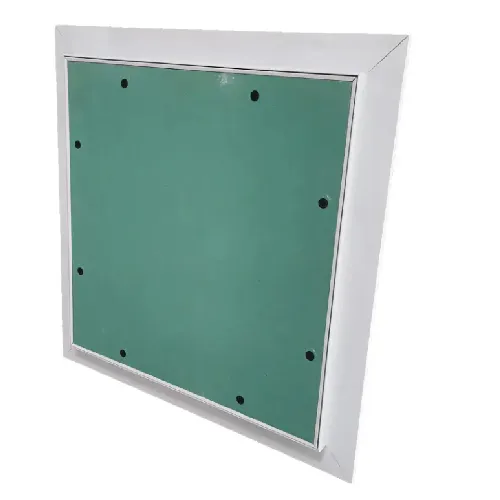
In simple terms, a watertight access panel is a sealed door or hatch designed to provide maintenance or inspection access while preventing water from passing through. Unlike regular panels, these have gaskets, seals, and locks designed to withstand pressure from liquids.
Their significance is particularly notable in industries such as maritime, oil and gas, water treatment, and civil engineering, where access is necessary, but water ingress can lead to corrosion, short circuits, or environmental hazards. In humanitarian contexts—like emergency shelters or floating water treatment plants—watertight bulkheads and panels keep systems functional and people safe.
Mini takeaway: Think of watertight access panels as smart, secure gateways that let you inside sensitive areas — without letting water in.
Key Components and What Makes a Watertight Access Panel Tick
Durability
Materials must withstand corrosion, harsh weather, and physical stress. Stainless steel, aluminum alloys, and composites dominate, often specially treated with powders or anodization to last decades. Oddly enough, the quality of the gasket seals sometimes matters even more than the metal thickness, because a bad seal lets water trickle in regardless.
Sealing Mechanism
The heart of watertight integrity is the sealing system. Usually, EPDM or neoprene rubber gaskets compress as the panel locks, forming an airtight, watertight barrier. Some advanced panels feature multiple sealing layers or silicone seals for enhanced protection.
Ease of Access
While keeping things tight, users still need quick and safe access. Innovative latching systems combine lockability with ergonomics—quarter-turn locks, cam levers, or screw fasteners—so maintenance doesn’t become a hassle or safety risk.
Customization & Scalability
Panels come in standard and bespoke sizes. Large industrial plants might require oversized panels with inspection windows; maritime vessels may prioritize flush-mounted designs to reduce impact drag. Manufacturers nowadays offer customization based on industry-specific needs, regulatory criteria, and environmental challenges.
Cost Efficiency
It may feel like a small item, but investing upfront in high-quality watertight access panels cuts maintenance expenditure and downtime drastically. Cheaper panels risk seal failure, leading to expensive repairs later.
Mini takeaway: The best watertight access panels balance tough materials, reliable seals, user-friendly designs, and smart customization — all while keeping costs manageable.
Where You’ll Find Watertight Access Panels Making a Difference
Watertight access panels are everywhere—if you look closely enough. Here are a few notable contexts:
- Marine and Offshore Industries: From cargo ships to oil rigs, panels protect critical compartments from seawater intrusion. They’re legally enforced by maritime safety regulations.
- Water Treatment Plants: To prevent contamination and equipment failure, panels maintain sealed environments while allowing important maintenance access.
- Hospitals and Emergency Shelters: Facilities requiring high hygiene standards and emergency power rely on watertight panels to keep sensitive areas isolated.
- Industrial Manufacturing: Many factories use them for equipment housings exposed to water sprays or washdowns.
- Post-Disaster Relief: Rapid-deployment shelters, temporary housing, and infrastructure often incorporate watertight panels for resilience in flood-prone zones.
Mini takeaway: From the middle of the ocean to urban hospitals, watertight access panels quietly serve a diverse set of industries worldwide.
Advantages That Go Beyond Keeping Water Out
Of course, the primary job is preventing water intrusion, but the benefits go deeper:
- Cost Savings: Reduced downtime and fewer repairs translate to less money wasted on damage control.
- Safety & Trust: Reliable watertight panels ensure operational safety, giving workers and clients peace of mind.
- Sustainability: Longer-lasting materials and fewer replacements reduce waste and the environmental impact of frequent fixes.
- Social Impact: In humanitarian contexts, preserving infrastructure integrity can mean the difference between disaster relief success or failure.
- Innovation: New sealing materials and smart locking mechanisms push the envelope on durability and ease of use.
Mini takeaway: Watertight access panels pay off in trust, safety, and sustainability — not just the simple act of keeping water out.
Looking Ahead: Emerging Trends in Watertight Access Panels
Innovation never rests. In the watertight panel world, we see:
- Smart Sensors: Integrated moisture and pressure sensors can alert operators to seal degradation before a leak occurs.
- Eco-Friendly Materials: Biodegradable seals and recycled metals are gaining traction to meet tighter environmental standards.
- Automation: Remote-controlled locking mechanisms for inaccessible or hazardous environments.
- Improved Testing: Standardization bodies like ISO are refining pressure and longevity tests to assure product quality globally.
Plus, given how climate change is altering exposure requirements, panels are evolving to handle stronger water pressure and chemical exposures. It feels like the industry is in a quiet technological revolution.
Mini takeaway: Future watertight access panels won’t just keep water out—they’ll tell you when to act before trouble starts.
Challenges in the Field and How Experts Tackle Them
Like any engineering product, there are challenges:
- Seal Degradation Over Time: UV, chemicals, and temperature swings can weaken gaskets. Experts solve this by developing new polymer blends and protective coatings.
- Installation Errors: Improper mounting leads to seal failure. Training and quality control are key here.
- Custom Size Constraints: Non-standard applications may delay procurement. Vendors are responding with faster custom fabrication and modular designs.
- Cost Pressures: Cheaper alternatives flood the market, but many engineers warn against sacrificing quality for price alone.
Mini takeaway: Overcoming challenges means new tech, better training, and smarter procurement strategies.
Product Specification Table
| Specification | Standard Model | Advanced Model |
|---|---|---|
| Material | Marine-grade Aluminum | Stainless Steel 316L |
| Seal Type | EPDM Gasket | Multi-layer Silicone Seal |
| Pressure Rating | Up to 1 bar | Up to 3 bar |
| Locking Mechanism | Quarter-turn Cam Locks | Remote Controlled Lock |
| Dimensions (HxW) | 300x300 mm | Custom up to 1000x1000 mm |
| Weight | 3.5 kg | 10 kg |
Vendor Comparison Table
| Vendor | Material Options | Customization Speed | Price Range | Global Shipping |
|---|---|---|---|---|
| Xingyuan Ceilings | Aluminum, Stainless Steel | 2-3 weeks | Mid-range | Yes |
| MarineShield Inc. | Stainless Steel only | 4-6 weeks | High-end | Limited |
| SealPro Manufacturing | Multiple composites | 1-2 weeks | Budget-friendly | Yes |
Frequently Asked Questions About Watertight Access Panels
Q1: How can a watertight access panel prevent equipment damage?
A watertight access panel uses specially designed seals and locking mechanisms that prevent water entry, protecting sensitive equipment housed inside. By stopping moisture, it reduces corrosion and electrical faults, significantly extending equipment lifespan.
Q2: Are watertight access panels customizable for unusual sizes?
Yes, many manufacturers offer custom sizing and designs to meet specific project needs. This ensures panels fit unique applications, especially in industrial and maritime settings where space or compliance requirements vary.
Q3: What materials are best for watertight access panels in corrosive environments?
Marine-grade aluminum and stainless steel 316L are preferred because they resist corrosion from saltwater and chemicals. Additionally, advanced seals like silicone gaskets improve longevity in harsh conditions.
Q4: How often should watertight seals be inspected or replaced?
Seal maintenance depends on environment and usage but generally, a full inspection is recommended annually with replacement every 3–5 years to maintain optimal performance.
Q5: Can I install a watertight access panel myself?
While straightforward in some cases, proper installation usually requires following precise manufacturer guidelines to ensure seal effectiveness. Professionals recommend trained installers especially for critical industrial or marine applications.
Wrapping It Up: Why Investing in Watertight Access Panels Makes Sense
All things considered, watertight access panels might seem like small components, but their role is massive. They protect valuable infrastructure, keep essential operations afloat (sometimes literally), and often save millions in damage. Whether you’re an engineer specifying gear for an offshore rig, or a disaster relief planner retrofitting temporary housing, these panels matter.
To learn more about reliable, high-quality options, and how you can customize watertight access panels for your projects, don’t hesitate to visit Xingyuan Ceilings—they really know their stuff.
Thanks for sticking through all this. Next time you see a hatch or panel, you might just look a bit closer to appreciate what it really does.
References
-
Benefits and Guide of Mineral Fiber Ceiling Board for InteriorsNewsApr.16,2026
-
Modern Mineral Fiber Ceiling Solutions for Acoustic PerformanceNewsApr.09,2026
-
Mineral Fibre Board Ceiling vs Gypsum Board A Comprehensive Comparison GuideNewsApr.07,2026
-
Comprehensive Guide to Mineral Fiber Ceiling Specification and PerformanceNewsApr.04,2026
-
What Are Mineral Fiber Ceiling Tiles Made Of And Their ApplicationsNewsMar.31,2026
-
Exploring the Benefits of Suspended Mineral Fibre Ceiling Systems for Modern BuildingsNewsMar.28,2026