
Nov . 24, 2025 20:00 Back to list
Flush Ceiling Access Panel – Essential Architecture & Maintenance Solution
Flush Ceiling Access Panels: Why They Matter Everywhere
At first glance, a flush ceiling access panel might seem like a tiny detail in building design. But in reality, it matters a tremendous amount globally. These sleek, nearly invisible panels provide critical access to electrical, HVAC, and plumbing systems behind ceilings while maintaining an uninterrupted, clean appearance.
Why care? Because as cities grow denser and buildings become more complex, the need for easy, safe access to hidden infrastructure skyrockets. Imagine trying to service wiring inside a high-rise office—without a flush ceiling access panel, maintenance becomes messy, disruptive, or even hazardous.
Understanding the design, applications, and benefits of these panels is key for architects, engineers, facility managers, and even humanitarian agencies working in challenging environments. So, let’s explore what flush ceiling access panels actually are, where they’re used, and why they’re not just a finishing touch, but a practical necessity.
The Global Context: Why Flush Ceiling Access Panels Are More Relevant Than Ever
Buildings across the globe increasingly demand integrated, streamlined infrastructure solutions that blend functionality and aesthetics. The United Nations’ reports on urbanization highlight that by 2050, about 68% of the world's population will live in cities—roughly 6.7 billion people (1). That spells massive pressure on building systems, maintenance needs, and especially accessibility without compromising design.
Moreover, industrial standards such as ISO 14644 emphasize contamination control in cleanrooms, where flush access panels play a subtle but vital role (2). The challenge: delivering access while preserving airtight seals or smooth surfaces critical in pharmaceutical, tech, and food industries.
In the humanitarian realm, temporary or semi-permanent facilities require modular set-ups where access panels must be durable yet discrete, allowing aid workers quick access to utilities under fast-changing conditions. These realities show flush ceiling access panels aren’t just about neatness—they answer big, practical questions about safety, efficiency, and cost.
What Exactly Is a Flush Ceiling Access Panel?
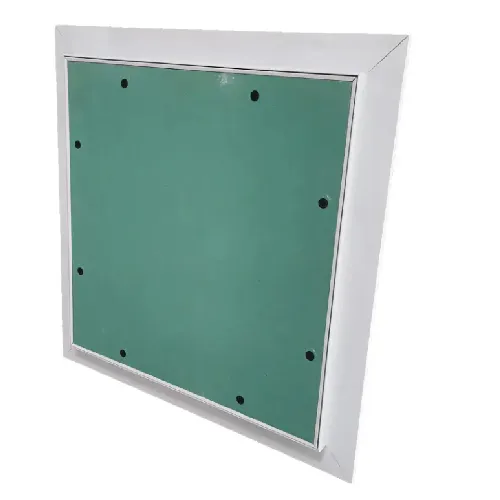
Simply put, a flush ceiling access panel is a door or hatch installed in a ceiling that aligns perfectly, flush with the surface. Unlike protruding or framed panels, these blend seamlessly, maintaining the ceiling's uniform look while still allowing swift access to areas behind it.
Connection to industry? They are ubiquitous in commercial real estate, healthcare facilities, data centers, and increasingly in residential smart homes, adapting to modern needs for invisible tech access points. They bridge the gap between design elegance and engineering practicality.
Key Components
- Frame and Door Leaf: Built from metal such as aluminum or galvanized steel, ensuring durability with lightweight profiles.
- Concealed Hinges & Fasteners: For a clean surface and easy opening.
- Insulation: Optional layers for soundproofing or thermal resistance.
- Finish: Painted, powder-coated, or ready for custom décor matching.
Understanding Core Aspects of Flush Ceiling Access Panels
Durability
What good is a panel if it warps or fails halfway through a building’s lifecycle? The choice of materials—usually powder-coated steel or aluminum—addresses wear, moisture, and corrosion. Many architects note that thicker gauges or reinforced frames extend panel life in industrial or humid contexts.
Cost Efficiency
Some suppliers cut corners with cheaper plastics or thin metals, which leads to higher replacement costs. Frankly, investing a little extra upfront in quality panels often saves big on labor and downtime during maintenance cycles.
Safety & Compliance
Fire-rated versions, compliance with ISO or ASTM standards, and secure locking mechanisms are non-negotiable in healthcare and government buildings. Without these specs, you risk violations or worse—unsafe conditions.
Customization & Scalability
Sizes range from small, discreet openings for wiring to larger panels for HVAC inspection. Modular designs allow easy scalability—a blessing when retrofitting older structures to meet new demands.
Aesthetic Integration
Almost a design trend—architects want these panels to disappear. Manufacturers now offer paintable surfaces, matching textures, even inset LED lighting options that can transform a boring ceiling panel into subtle decor. Oddly enough, in 2024 design circles, "visible invisibility" of access panels is a thing.
Mini Takeaway: The flush ceiling access panel’s success depends on balancing physical robustness and visual subtlety. It’s where engineering meets art ... sort of.
Real-World Uses and Global Applications
Across the globe, flush ceiling access panels pop up in unexpected places:
- Healthcare Facilities: Hospitals rely on hidden yet accessible panels for infection-control systems, medical gas lines, and electrical wiring—facilities that must blend cleanliness with urgent maintenance demands.
- Industrial Plants: Factories in Asia and Europe use fire-rated panels for safe electrical access in harsh environments.
- Post-Disaster Relief Shelters: NGOs erect tent-like hospitals or mobile clinics equipped with access panels that withstand rough conditions and frequent checks.
- Commercial Offices and Retail: In downtown New York or London, architects insist on flush panels to preserve minimalist ceiling designs while allowing quick servicing of lighting or air conditioning.
Advantages and Long-Term Value
- Maintenance Made Easy: Panels enable quick, non-invasive access, minimizing repair time.
- Preserved Aesthetics: Flush fit keeps ceiling lines clean, something every interior designer values.
- Safety & Compliance: Meets fire codes, cleanroom standards, or other regulations.
- Cost Savings Over Time: Reduces labor disruptions and expensive renovations.
- Emotional Security: End users feel safer when infrastructure access doesn’t take a wrecking ball to their space.
The Future of Flush Ceiling Access Panels
The industry is evolving. Green building codes nudge manufacturers toward recyclable materials and non-toxic coatings. Some early adopters integrate digital sensors inside panels that monitor humidity or vandalism attempts remotely.
Automation and smart buildings will likely see flush ceiling access panels equipped with RFID unlocking or even automated opening on demand. Energy-efficient insulation improvements are also trending, making panels not just doors but part of a building’s thermal envelope.
Challenges and How Industry is Overcoming Them
One big drawback? Accessibility without compromising security. Some older panels were easy entry points for intruders if not fitted properly. Today’s locking mechanisms and sensor tech are plugging those holes. Another is cost—some clients balk at upfront prices, missing long-term savings.
Innovations such as modular frames that retrofit without ceiling disruption or customizable surface finishes lessen installation headaches and increase end-user satisfaction.
Product Specification Table: A Typical Flush Ceiling Access Panel Model
| Specification | Details |
|---|---|
| Material | Powder-coated galvanized steel |
| Finish | Matte white, paintable surface |
| Sizes Available | 300x300mm to 600x600mm |
| Fire Rating | Up to 90 minutes (EN 1364-1) |
| Weight | Approx. 4-7 kg depending on size |
| Lock Type | Concealed cam lock with key |
Vendor Comparison: Flush Ceiling Access Panel Providers
| Vendor | Material Quality | Customization Options | Price Range | Lead Time |
|---|---|---|---|---|
| Xingyuan Ceilings | High (Powder-coated steel) | Full paint/size options | $$ | 2-3 weeks |
| AccessPro Panels | Medium (Aluminum composite) | Limited colors, fixed sizes | $ | 1 week |
| Premier Ceilings Ltd. | High (Stainless steel options) | Custom sizes, finishes, locks | $$$ | 3-4 weeks |
FAQ: Common Questions About Flush Ceiling Access Panels
1. How do flush ceiling access panels differ from standard access panels?
Flush panels align perfectly with the ceiling surface, providing a seamless look, unlike standard panels that often protrude or have visible frames. This makes them preferable in modern interiors where aesthetics matter alongside functionality.
2. Can these panels be customized to fit unique ceiling materials or finishes?
Yes, many manufacturers offer paintable surfaces or custom-size options to match drywall, wood, or suspended ceiling tiles. This flexibility helps integrate access points without compromising design consistency.
3. Are flush ceiling access panels suitable for fire-rated ceilings?
Absolutely. Several models are certified for fire resistance, often rated up to 90 minutes according to EN standards, meeting compliance for commercial and healthcare buildings.
4. What maintenance issues should I consider for flush ceiling access panels?
Regularly inspect hinges and locks for corrosion or wear, especially in humid environments. Also, ensure the panel remains securely flush to avoid drafts or dust accumulation behind.
5. How does one source these panels internationally, for example, in disaster relief projects?
Many vendors, including flush ceiling access panel suppliers, ship worldwide and offer logistical support. It’s wise to confirm lead times and ensure panels meet local building codes before ordering.
Conclusion: The Humble Yet Essential Flush Ceiling Access Panel
Ultimately, flush ceiling access panels are a small piece of building design with outsized impact. They make maintenance easier, preserve aesthetics in complex infrastructures, and address both safety and sustainability goals. Whether you’re an architect wanting sleek finishes or a facility manager focused on long-term value, these panels are an unsung hero worth considering.
Interested in exploring options? Visit our website: flush ceiling access panel for detailed specs, customization, and quotes tailored to your project.
Mini Takeaway: Next time you’re in a modern building, glance up. That seemingly empty ceiling spot might be your silent maintenance ally.
References
- UN World Urbanization Prospects (2018)
- ISO 14644 Cleanrooms and Associated Controlled Environments
- Access Panel – Wikipedia
-
Benefits and Guide of Mineral Fiber Ceiling Board for InteriorsNewsApr.16,2026
-
Modern Mineral Fiber Ceiling Solutions for Acoustic PerformanceNewsApr.09,2026
-
Mineral Fibre Board Ceiling vs Gypsum Board A Comprehensive Comparison GuideNewsApr.07,2026
-
Comprehensive Guide to Mineral Fiber Ceiling Specification and PerformanceNewsApr.04,2026
-
What Are Mineral Fiber Ceiling Tiles Made Of And Their ApplicationsNewsMar.31,2026
-
Exploring the Benefits of Suspended Mineral Fibre Ceiling Systems for Modern BuildingsNewsMar.28,2026