
Nov . 24, 2025 09:30 Back to list
Comprehensive Guide to Drywall Ceiling Access Panels for Modern Buildings
Understanding Drywall Ceiling Access Panels: Why They Matter
If you’ve ever had to peek above a ceiling to check wiring, plumbing, or ductwork, you’ve likely glimpsed a drywall ceiling access panel without knowing its name. These handy fixtures might seem unassuming, but they play a surprisingly crucial role in maintenance, safety, and operational efficiency for buildings worldwide. In a world increasingly focused on smart infrastructure and sustainability, knowing the ins and outs of drywall ceiling access panels gives facility managers, architects, and construction pros a leg up.
Globally, with urbanization surging and retrofit projects booming, panels that allow easy, non-destructive access to hidden infrastructure save time, reduce costs, and minimize disruption. Simply put, understanding these panels means better building longevity and operational ease—something nearly every region can benefit from, whether it’s New York skyscrapers or remote solar farms in Africa.
Drywall Ceiling Access Panel in a Global Context
According to reports from the United Nations Human Settlements Programme (UN-Habitat), over 55% of the world’s population lived in urban areas by 2018, a figure expected to rise steadily.1 Modern buildings are following suit with complex concealed building systems, and the ability to access these systems without tearing down walls or ceilings is vital. From safety inspections to quick repairs, drywall ceiling access panels answer a very practical challenge: How can we maintain infrastructure without costly damage?
Despite their simplicity, these panels are part of a broader global push for sustainable, adaptive buildings. The International Organization for Standardization (ISO) emphasizes maintenance access in its building standards, highlighting the importance of integration over mere aesthetics.2 Still, many buildings worldwide struggle with makeshift access solutions that cost time and money.
Mini takeaway: Drywall ceiling access panels show how small design decisions ripple out to global challenges like urban growth, sustainability, and building safety.
Breaking It Down: What Is a Drywall Ceiling Access Panel?
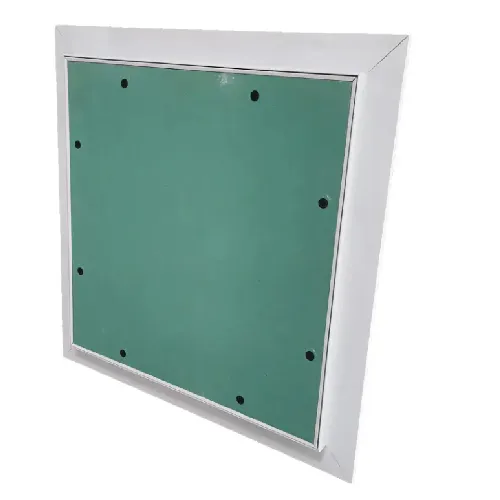
Simply put, a drywall ceiling access panel is a framed opening installed in a drywall ceiling, often equipped with a removable or hinged cover, which permits quick and easy access to concealed utilities like electrical wiring, plumbing pipes, HVAC ducts, or fire protection systems. Unlike traditional ceiling tiles or removable tiles, these panels blend seamlessly with drywall surfaces for a clean, flush finish.
For the modern builder or engineer, drywall ceiling access panels are more than convenience—they’re a necessity. They keep buildings flexible and serviceable without undermining design or safety, especially in fast-paced urban or emergency settings.
Key Aspects of Drywall Ceiling Access Panels
Durability and Load Capacity
These panels must withstand occasional force—not just daily wear but accidental bumps or pressure from maintenance tools. Metal framing combined with robust drywall covers ensures they last for years without sagging or warping.
Fire and Safety Compliance
Many access panels are designed to meet fire resistance codes, integrating fire-rated materials that maintain ceiling integrity in emergencies—important for hospitals, schools, and commercial buildings.
Ease of Installation and Maintenance
Installation methods vary, but many panels are designed for quick mounting with minimal tools. In real terms, this means contractors can install or replace them without delaying project timelines.
Aesthetic Integration
One of the key differentiators is how well panels blend with drywall ceilings. Some models allow sanding, painting, or wallpapering directly on the cover, so they become almost invisible. You don’t want your access panel shouting, “I’m here!” when it’s really meant to be discreet.
Customization and Size Variability
Access needs differ between buildings, so panels come in various standardized sizes or can be custom-made to fit unusual dimensions. This scalability is invaluable in retrofitting buildings with non-standard layouts.
Cost Efficiency Over Time
While upfront costs may vary, the savings in maintenance downtime and repair accessibility quickly add up. More durable and compliant panels often pay for themselves within a few years.
Mini takeaway: A drywall ceiling access panel isn’t just a hole with a cover—it’s a carefully engineered product balancing strength, safety, style, and serviceability.
Specifications You Should Know
| Specification | Typical Range/Standard | Notes |
|---|---|---|
| Material | Powder-coated steel frame, drywall panel cover | Corrosion-resistant for humid environments |
| Fire Rating | Up to 2 hours (UL 10B/10C) | Meets building fire code requirements |
| Standard Sizes | 12"x12", 16"x16", 24"x24" (others by order) | Custom sizes available |
| Load Capacity | Up to 50 lbs (depending on model) | Supports light maintenance tools |
| Installation Type | Recessed, hinged, or removable cover | Tool-free options available |
A Quick Vendor Comparison: Choosing Wisely
| Feature | Brand A | Brand B | Brand C |
|---|---|---|---|
| Fire Rating | 1 hour | 2 hours | 1.5 hours |
| Cost (USD) | $50 - $70 | $80 - $110 | $60 - $90 |
| Ease of Installation | Moderate | Easy, tool-free | Moderate |
| Aesthetic Integration | Paintable, flush | Textured, paintable | Standard drywall finish |
| Warranty | 5 years | 7 years | 3 years |
Real-World Applications: Where and How These Panels Shine
Oddly enough, drywall ceiling access panels find homes in a surprisingly wide variety of settings. Hospitals rely on them for quick access to medical gas lines and electrical systems, where downtime means so much more than lost dollars. In industrial plants, these panels allow safe access to complex HVAC or sprinkler pipework, avoiding whole-ceiling demolition.
Post-disaster relief centers and temporary housing installations often include drywall ceilings with access panels for maintenance on installed wiring or water lines, which might shift or get damaged. Remote mining outposts, where specialist technicians visit sporadically, also prefer panels that simplify inspections while preserving structural integrity.
drywall ceiling access panel products thus appear in contracts across North America, Europe, Africa, and Asia—building types ranging from luxury apartments to large-scale factories all benefit.
Mini takeaway: Few building components offer as much universal value as drywall ceiling access panels — they just slip into so many contexts effortlessly.
The Advantages and Long-Term Benefits of Drywall Access Panels
Let's face it, the direct cost of a panel isn’t where you feel the value: It’s in the time saved during maintenance, the reduced labor for renovations, and that intangible peace of mind knowing you've "future-proofed" the ceiling.
- Cost Savings: Lower repair and inspection costs prevent that dreaded chunk of the ceiling coming down unexpectedly.
- Sustainability: Non-destructive access reduces waste and extends building life cycles.
- Safety & Compliance: Panels meet local code needs, improving overall building safety.
- Design Flexibility: Custom options let architects preserve aesthetic intent.
- Social Impact: In public or community buildings, easier maintenance supports ongoing service delivery and dignity.
Future Trends & Innovations in Access Panel Technology
Looking ahead, the integration of digital smart tech is beginning to creep into access panel design. Imagine panels that trigger alerts when opened or include embedded sensors to monitor conditions behind the wall—this is slowly becoming more than sci-fi. Additionally, greener materials such as recycled metals and bioplastics are being tested, aligning with the global push for environmentally responsible products.
Automation in installation processes is also on the rise, with manufacturers offering DIY-friendly kits and modular designs to cater to an increasingly globalized supply chain. And frankly, as building codes tighten with climate change resilience in mind, fire-rated and insulated access panels will be standard rather than specialty.
Challenges and Their Solutions
Despite all their benefits, drywall ceiling access panels aren’t without challenges. Some of the common problems include:
- Fitment Issues: Panels sometimes don’t perfectly align or match ceiling finishes, creating an eyesore.
- Durability in High Humidity: Panels in humid or corrosive environments risk degradation.
- Installation Errors: Poorly installed panels can sag or become stuck, negating their purpose.
Innovative solutions, like adjustable frames and corrosion-resistant coatings, have mitigated many issues. The industry is also moving towards better user education and installation guides, sometimes offered in virtual reality training for installers, which is... pretty neat.
FAQ: Common Questions About Drywall Ceiling Access Panels
Q1: How easy is it to install drywall ceiling access panels without professional help?
A1: Many modern panels are designed for DIY-friendly installation with minimal tools. However, for fire-rated or large-sized panels, professional installation is recommended to ensure compliance and proper fit.
Q2: Can drywall ceiling access panels be painted to match existing ceilings?
A2: Absolutely! Most drywall access panels come with surfaces that accept paint, finishing compounds, or wallpaper to blend seamlessly with the ceiling.
Q3: What fire ratings should I consider when selecting a panel?
A3: If your building follows strict fire codes, look for panels UL-listed for at least 1-2 hours fire resistance. Always check local building regulations for compliance.
Q4: Are custom sizes expensive compared to standard panels?
A4: Custom sizes typically cost more due to bespoke fabrication but may save money and trouble by fitting unique spaces perfectly.
Q5: How do these panels help in sustainable building practices?
A5: They allow maintenance and inspections without demolition, reducing waste and material use, which supports sustainability goals.
Conclusion: Why Drywall Ceiling Access Panels Are a Smart Investment
All things considered, drywall ceiling access panels are an unassuming hero in the construction and maintenance world. They combine practicality with modern compliance needs, offering long-term benefits like cost efficiency, safety, and design flexibility. Whether you’re managing a sprawling hospital or retrofitting an urban office, investing in quality access panels means fewer headaches and better building stewardship.
So next time you think about your ceiling, spare a moment for those modest panels doing their quiet work backstage. And if you want to explore options or detailed specs, don’t hesitate to visit https://www.xingyuanceilings.com – they have a thorough range of drywall ceiling access panel products that could fit your exact needs.
References:
1. UN-Habitat Urbanization Report, 2018 – unhabitat.org
2. ISO Standards for Building and Construction – iso.org
3. Underwriters Laboratories (UL) Fire Ratings – ul.com
-
Benefits and Guide of Mineral Fiber Ceiling Board for InteriorsNewsApr.16,2026
-
Modern Mineral Fiber Ceiling Solutions for Acoustic PerformanceNewsApr.09,2026
-
Mineral Fibre Board Ceiling vs Gypsum Board A Comprehensive Comparison GuideNewsApr.07,2026
-
Comprehensive Guide to Mineral Fiber Ceiling Specification and PerformanceNewsApr.04,2026
-
What Are Mineral Fiber Ceiling Tiles Made Of And Their ApplicationsNewsMar.31,2026
-
Exploring the Benefits of Suspended Mineral Fibre Ceiling Systems for Modern BuildingsNewsMar.28,2026