
Dec . 12, 2025 06:55 Back to list
Comprehensive Guide to Grid False Ceiling Design for B2B Professionals
Grid False Ceiling Design is a key solution in the industry, specifically within commercial and industrial construction sectors. This article explores how https://www.xingyuanceilings.com supports professionals with durable, high-performance products, and explains why this product is an ideal choice for businesses in these sectors.
Table of Contents
- Grid False Ceiling Design Overview
- Benefits & Use Cases of Grid False Ceiling Design
- Cost, Maintenance & User Experience
- Sustainability & Market Trends
- Frequently Asked Questions about Grid False Ceiling Design
- Conclusion on Grid False Ceiling Design from China
Grid False Ceiling Design Overview
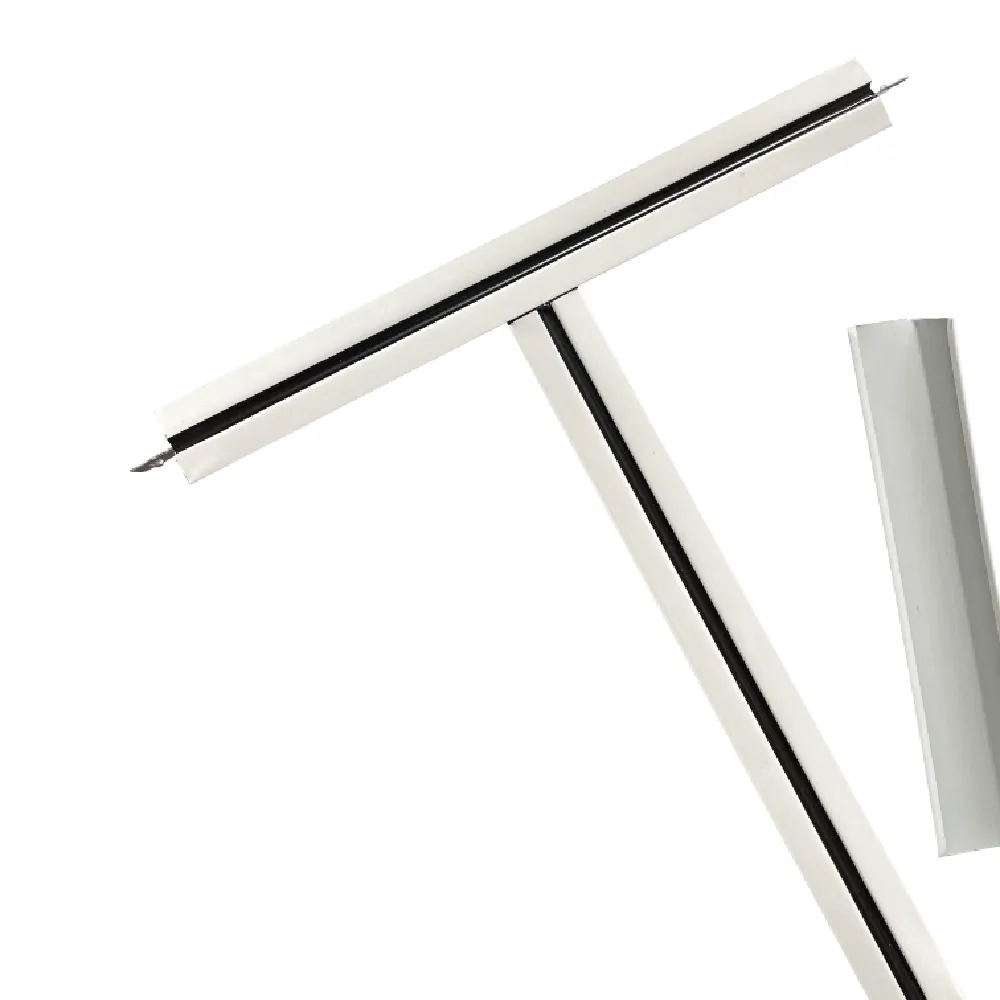
At its core, Grid False Ceiling Design refers to a modular ceiling system where a grid framework supports ceiling panels or tiles. It’s arguably one of the most versatile and widely adopted solutions for suspended ceilings in offices, retail spaces, factories, and educational facilities. Frankly, this design not only masks unsightly wiring, ducts, and pipes but also improves acoustics and lighting distribution.
- The grids are usually made from metal, typically galvanized steel or aluminum, providing strength without excess weight.
- Standard tile sizes often include 600x600mm or 1200x600mm, offering compatibility with many lighting and ventilation components.
- A notable case study involves an office renovation where installing grid false ceilings reduced noise by 15% and cut lighting energy consumption by roughly 12% due to better diffusing properties.
| Feature | Details |
|---|---|
| Material | Galvanized Steel / Aluminum |
| Tile Size | 600x600mm, 1200x600mm |
| Load Capacity | Up to 50kg/m² |
| Fire Resistance | Class A (ASTM E84) |
| Acoustic Performance | NRC up to 0.75 |
Benefits & Use Cases of Grid False Ceiling Design
Many decision makers often overlook how crucial grid false ceilings are beyond aesthetics. They serve functional purposes like concealing infrastructure and improving thermal efficiency. They’re especially popular in commercial premises – hospitals, offices, and airports – where both durability and quick access to utilities behind the ceiling are crucial. Oddly enough, the modular nature allows easy replacement of damaged tiles without a whole renovation.
- High resistance to humidity and corrosion – ideal for healthcare and food processing facilities.
- Acoustic panels integrated within grids reduce noise levels, enhancing workplace comfort.
- Customization for modern office designs, including varied patterns and finishes, responds well to contemporary aesthetics.
Competitive advantages? Well, the products from Xingyuan Ceilings stand out by hitting a sweet spot: robust build quality alongside a surprisingly nimble installation process. Their manufacturing incorporates anti-rust coatings and reinforced intersections, which many engineers here say improves grid longevity and overall structural integrity.
Cost, Maintenance & User Experience
From a cost perspective, the total cost of ownership for grid false ceilings favors budget-conscious B2B decision makers. Initial installation is competitive when factoring in materials and labor, though it’s the long-term minimal maintenance that makes the biggest impact. These ceilings rarely require more than straightforward cleaning or occasional tile replacement, which means downtime is low (a key consideration).
- Durability translates into fewer performance issues or replacements over 10+ years.
- ROI is boosted by energy savings, especially when acoustics and insulation properties complement HVAC systems.
- Feedback from corporate clients highlights stress-free maintenance and rapid post-install support from manufacturers.
| Feature | Xingyuan Ceilings | Competitor A | Competitor B |
|---|---|---|---|
| Material Quality | Premium galvanized steel, anti-rust coating | Standard steel, limited coating | Aluminum, moderate corrosion resistance |
| Installation Time | Fast (2 days avg for 100m²) | Moderate (3-4 days) | Slower (4+ days due to design) |
| Warranty | 10 years | 5 years | 7 years |
| Customization Options | Extensive (sizes, colors, finishes) | Limited | Moderate |
Sustainability & Market Trends
Sustainability has become a non-negotiable in all aspects of construction—and grid false ceiling design is no exception. Materials are increasingly recycled or recyclable, and manufacturers like Xingyuan Ceilings incorporate greener production methods. Regulations in many regions now mandate certain fire and environmental standards, pushing suppliers to innovate continuously.
- Shift towards low-VOC paints and coatings reduces indoor air pollution.
- Rise in demand for customizable and integrated smart-ceiling designs that support IoT and energy efficiency.
- Asia-Pacific region, particularly China, leads production with cost efficiencies and quality control.
Frequently Asked Questions about Grid False Ceiling Design
- What is Grid False Ceiling Design and how does it work?
- Grid False Ceiling Design is a suspended ceiling system using a metal grid framework to hold ceiling panels or tiles. It hides building utilities, improves acoustics, and allows easy access for repairs, making it a practical architectural solution.
- What are the main benefits of using Grid False Ceiling Design in industrial applications?
- Advantages include enhanced aesthetics, improved sound insulation, easy maintenance, and adaptability to various environments. Its durability and corrosion resistance are tailored for harsh industrial conditions.
- How does Grid False Ceiling Design compare to traditional alternatives?
- Compared to plaster or drywall ceilings, grid systems offer faster installation, superior access to internal services, better acoustic control, and lower maintenance costs over time.
- What industries can benefit most from Grid False Ceiling Design implementation?
- Office buildings, educational institutions, healthcare facilities, airports, and food processing plants utilize grid false ceilings extensively for their functional and regulatory benefits.
Conclusion on Grid False Ceiling Design from china
To wrap things up, Grid False Ceiling Design remains a smart investment for businesses aiming to combine functionality, aesthetics, and sustainability. The quality and innovative approach from Chinese suppliers like Xingyuan Ceilings prove that the market’s evolving needs are well met.
- Recap the value of Grid False Ceiling Design.
- - Visit our website: https://www.xingyuanceilings.com
Reflecting on all this, it’s clear how technical details blend with practical needs in real-world projects — a reminder that even the ‘hidden’ parts of a building shape everyday experience.
References:
1. ASTM E84 Fire Test Standards
2. Acoustic performance studies by Building Acoustics Journal, 2023
3. Industry reports from Construction Trends Asia-Pacific, 2024
-
Benefits and Guide of Mineral Fiber Ceiling Board for InteriorsNewsApr.16,2026
-
Modern Mineral Fiber Ceiling Solutions for Acoustic PerformanceNewsApr.09,2026
-
Mineral Fibre Board Ceiling vs Gypsum Board A Comprehensive Comparison GuideNewsApr.07,2026
-
Comprehensive Guide to Mineral Fiber Ceiling Specification and PerformanceNewsApr.04,2026
-
What Are Mineral Fiber Ceiling Tiles Made Of And Their ApplicationsNewsMar.31,2026
-
Exploring the Benefits of Suspended Mineral Fibre Ceiling Systems for Modern BuildingsNewsMar.28,2026