
Nov . 27, 2025 01:35 Back to list
Comprehensive Guide to Gypsum Board Ceiling Access Panel Detail & Benefits
The Subtle Genius of Gypsum Board Ceiling Access Panel Detail
If you’ve ever stepped into an office, school, or hospital and noticed a seemingly mundane panel in the ceiling that blends right in—congratulations, you’ve encountered a gypsum board ceiling access panel. Now, dive a little deeper, and you’ll find there's more at play than meets the eye. The gypsum board ceiling access panel detail is a small but vital design element that balances form, function, and future-proofing in modern building projects worldwide.
Understanding this detail matters globally because buildings demand easy access to critical systems like HVAC, electrical wiring, and plumbing—without sacrificing aesthetics or structural integrity. From energy-saving innovations to maintenance efficiency, getting this detail right saves money, time, and headaches for millions of building owners and occupants. And frankly, if we care about sustainable, safe, and user-friendly spaces, knowing about these panels isn’t just nerdy—it's necessary.
Global Context: Why This Detail Shapes Buildings Everywhere
Around 55% of the world’s population lives in urban areas—a figure rising steadily according to the United Nations (1). Modern construction techniques increasingly feature suspended ceilings with gypsum boards due to their fire resistance, acoustic benefits, and versatility. But as buildings grow taller and more complex, so do the challenges of maintaining hidden infrastructure.
The gypsum board ceiling access panel detail addresses a universal problem: providing unobtrusive access points that don’t degrade ceiling performance or aesthetics. In hospitals, for example, easy access to medical gases or electrical equipment can mean life or death. In commercial office towers, minimizing downtime to maintain HVAC keeps millions comfortable and productive.
Yet, despite the clear demand, many projects still settle for clunky, poorly integrated access points, causing disruption and expensive rework. Globally, adopting smart, detailed design specs for these panels means less waste and better building longevity overall.
Defining Gypsum Board Ceiling Access Panel Detail
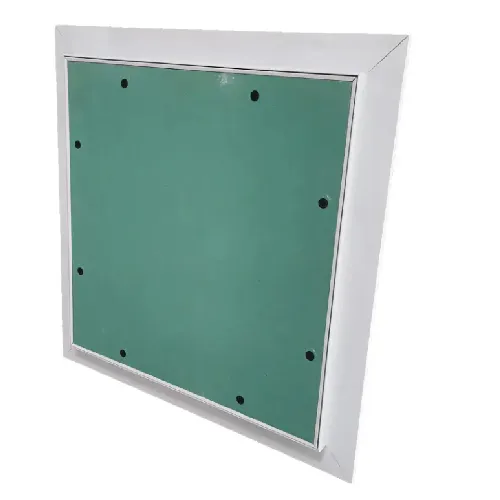
Let’s untangle the jargon: A gypsum board ceiling access panel is an opening built into gypsum-based suspended ceilings designed to conceal and provide access to utilities above. The “detail” part refers to the precise way these panels are made, installed, and finished—everything from frame type to alignment with adjacent ceiling boards, hardware choice, and fire-rated sealing.
In real terms, it’s a small “door” in the ceiling that blends so well with surrounding panels you barely notice it — but it’s critical. For engineers, architects, and maintenance teams, knowing the right gypsum board ceiling access panel detail means fewer headaches wandering around with ladders and flashlights when fixing that busted pipe.
Core Components of a Successful Gypsum Board Ceiling Access Panel
1. Durability and Fire Resistance
Gypsum boards have inherent fire resistance—an essential trait that extends to the access panel detail. The frame and closure hardware must preserve this property; otherwise, it becomes a weak point. Many building codes strictly regulate this, especially in commercial and health care buildings.
2. Seamless Appearance
The panel must align perfectly with adjacent gypsum boards to maintain the continuous ceiling look. Uneven gaps or obvious hinges defeat the purpose. Usually, taping, mudding, and specially designed trims help panels almost disappear into the ceiling matrix.
3. Easy and Safe Accessibility
Maintenance staff want quick, tool-free access, but the panel also must close securely to prevent accidental opening. Magnetic catches or cam-lock mechanisms are common solutions here. And of course, the panel needs to be stable enough not to flop open unexpectedly.
4. Scalability and Size Options
Depending on the building’s complexity, sizes vary—from small 300x300 mm panels to large custom-sized access points. Designing the detail with modularity in mind allows easy customization without compromising the ceiling’s structural integrity.
5. Sound and Thermal Insulation
A lot of offices and public buildings prioritize quiet spaces. Properly detailed panels prevent sound leaks and thermal loss, maintaining the ceiling's performance characteristics.
Mini Takeaway:
The intricacies packed into a gypsum board ceiling access panel detail may seem minor, but getting everything from fire-rating compliance to flush aesthetics just right makes a massive difference in building usability and comfort.
Applications Across the Globe: Who Uses These Panels and Why?
From skyscrapers in Dubai to hospitals in London and schools in Tokyo, gypsum board ceiling access panels are everywhere — silently serving an essential role. Here are some standout use cases:
- Healthcare Facilities: Maintenance of electrical and oxygen systems demands easy but secure access.
- Commercial Offices: Frequent HVAC maintenance requires multiple ceiling entry points to minimize disruption.
- Industrial Complexes: Regular inspections of fire suppression or smoke detectors benefit from strategically placed panels.
- Disaster Relief Shelters: Temporary structures may incorporate gypsum ceilings with access panels to simplify setup and maintenance.
- Luxury Residential: High-end homes sometimes use these details to hide smart home system junctions elegantly.
Oddly enough, many international aid organizations now specify gypsum board ceiling access panel details in their shelter kits to make hands-on repairs easier, reducing downtime and increasing safety (2).
Advantages & Long-Term Value
Investing a bit more design time in perfecting the gypsum board ceiling access panel detail pays dividends:
- Cost Savings: Reduced labor time during maintenance and less ceiling damage translates to real-world savings over years.
- Sustainability: Extending ceiling lifespan by avoiding repeated patchwork helps reduce material waste.
- Safety and Compliance: Meets fire and safety regulations which saves legal hassles.
- User Comfort: No annoying ceiling gaps or awkward panel edges contributing to noise or drafts.
Emotionally, such details build trust in the building's quality; inhabitants feel cared for, even if they never notice the panel itself. It’s architecture empathy — the space thinking ahead for its users.
Product Specification Table
| Feature | Specification | Typical Value |
|---|---|---|
| Panel Size Range | Standard & Custom | 300 × 300 mm to 1200 × 1200 mm |
| Material | Gypsum board with steel frame | Fire-rated gypsum board Grade A |
| Fire Resistance | 30-90 minutes | 60 minutes (typical) |
| Accessibility Mechanism | Cam-lock, magnetic catch, or hinged | Magnetic catch with concealed hinges |
| Acoustic Performance | STC 35-45 | STC 40 |
Vendor Comparison: Choosing the Right Gypsum Board Ceiling Access Panel Supplier
| Vendor | Range of Sizes | Custom Solutions | Lead Times | Price Range | Global Shipping |
|---|---|---|---|---|---|
| Xing Yuan Ceilings | 300mm - 1200mm (Custom available) | Yes, bespoke sizes & finishes | 3-5 weeks | Mid-range | Worldwide |
| Minghua Building Materials | Standard sizes only | Limited | 4-6 weeks | Budget | Asia regions only |
| UltraCeil France | Wide range including large panels | Highly customizable | 6-8 weeks | Premium | Europe, Americas |
Emerging Trends & Innovations
The gypsum board ceiling access panel detail isn’t static; innovation is bubbling under the surface. Recently, many manufacturers have embraced sustainable materials — magnesium boards that reduce environmental impact, or recycled gypsum cores. Add to that smart access panels equipped with sensors monitoring humidity or temperature inside ceiling voids for predictive maintenance, and you get a glimpse of the digital transformation creeping into the ceiling spaces.
Additionally, automatized locking mechanisms synchronized with building management systems hint at fully integrated, “touchless” ceiling maintenance in the not-so-distant future—imagine a panel that unlocks remotely for authorized staff or drones.
Challenges and Workarounds
Despite its advantages, getting the gypsum board ceiling access panel detail perfect isn’t a walk in the park. Common issues include:
- Misalignment causing noticeable ceiling flaws
- Inadequate fireproofing when retrofitting old buildings
- Size restrictions limiting accessibility
- Installation mishaps undermining sound or thermal insulation
In response, manufacturers and engineers recommend simple fixes such as:
- Using adjustable frame kits during installation
- Pre-finished panels to minimize on-site mess
- Stringent compliance with fire codes verified by third-party testing labs
FAQ: Your Gypsum Board Ceiling Access Panel Questions Answered
Q1: How can I ensure the access panel blends seamlessly with existing gypsum ceilings?
A1: Choose panels designed explicitly with matching board thickness, texture, and finish. Use concealed hinges and magnetic catches for minimal surface disruption. Often, taping and finishing by an experienced contractor completes the illusion perfectly.
Q2: Are gypsum board ceiling access panels compliant with fire safety codes?
A2: Yes, if designed and installed correctly. Look for panels tested to local standards (e.g., ASTM E119). The frame, sealing strips, and hardware should not compromise the fire rating of the gypsum board.
Q3: What are typical maintenance considerations for these panels?
A3: Ensure hinges and locks receive regular lubrication for smooth operation. Avoid overloading the panel or using it as a support structure. Regular inspection extends panel life and keeps access safe.
Q4: Can access panels be customized in size or shape?
A4: Absolutely! Many vendors—including Xing Yuan—offer modular designs or bespoke sizing to fit unique project demands.
Wrapping It Up: Why Small Details Matter
In the grand dance of construction, the gypsum board ceiling access panel detail might be a wallflower, but it’s one that everyone relies on when the music stops. From saving maintenance time to enhancing safety, its subtle design touches make a world of difference—often invisible, yet indispensable.
Long-term, embracing smart detail design means buildings that last longer, perform better, and evoke trust. So, next time you look up at that unassuming panel, remember it represents much more than a hole in the ceiling — it’s a purpose-built solution designed to hide complexity and reveal thoughtful care.
For detailed specs, bespoke options, and expert guidance, don’t hesitate to visit Xing Yuan Ceilings.
References
-
Benefits and Guide of Mineral Fiber Ceiling Board for InteriorsNewsApr.16,2026
-
Modern Mineral Fiber Ceiling Solutions for Acoustic PerformanceNewsApr.09,2026
-
Mineral Fibre Board Ceiling vs Gypsum Board A Comprehensive Comparison GuideNewsApr.07,2026
-
Comprehensive Guide to Mineral Fiber Ceiling Specification and PerformanceNewsApr.04,2026
-
What Are Mineral Fiber Ceiling Tiles Made Of And Their ApplicationsNewsMar.31,2026
-
Exploring the Benefits of Suspended Mineral Fibre Ceiling Systems for Modern BuildingsNewsMar.28,2026