
Dec . 02, 2025 01:10 Back to list
Comprehensive Guide to HVAC Ceiling Access Panels: Benefits, Applications & Innovations
Understanding HVAC Ceiling Access Panels: A Key Element in Modern Infrastructure
When you think about the HVAC systems in buildings—whether office towers, hospitals, or even homes—one component quietly does a lot of the heavy lifting behind the scenes: the hvac ceiling access panel. These seemingly modest panels are essential gateways for maintenance, inspection, and upgrading of heating, ventilation, and air conditioning systems. Globally, as buildings get more complex and energy efficiency demands rise, understanding the hvac ceiling access panel isn’t just technical jargon—it’s a building block for sustainable, safe environments.
Introduction: Global Context and Why It Matters
We live in an era where indoor air quality and energy efficiency aren't luxuries but necessities. According to the International Organization for Standardization (ISO), HVAC systems contribute roughly 40% of building energy consumption worldwide. This means meticulous upkeep is critical, and that's where hvac ceiling access panels come into play. As urbanization accelerates—with UN data projecting nearly 70% of the world population living in cities by 2050—the access panels become increasingly important for maintenance crews aiming to enhance system efficiency without invasive demolition or interruptions. The challenge? Ensuring these panels balance easy access with airtight sealing and fire safety compliance.
What Is an HVAC Ceiling Access Panel?
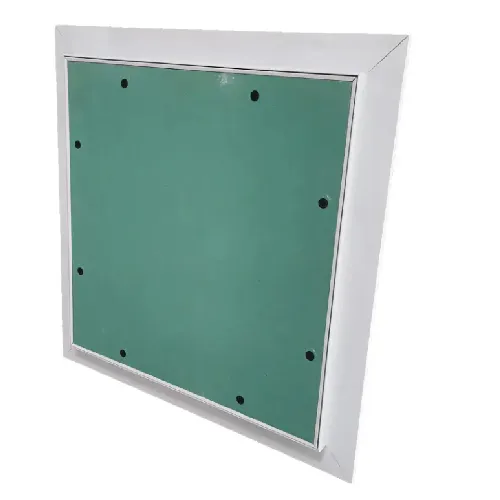
In simple terms, an hvac ceiling access panel is a purpose-built opening installed in ceilings to provide entry to HVAC system components like ducts, valves, motors, and wiring. It’s often flush with ceiling surfaces, designed to blend with interior aesthetics while guaranteeing enough space for technicians to perform inspections and repairs. From commercial skyscrapers in New York to remote industrial plants in Asia, these panels serve as essential maintenance portals.
Beyond technical uses, these panels intersect with broader humanitarian needs too. For example, in temporary shelters or disaster relief housing, quick access to HVAC units can be the difference between safe, breathable air and hazardous conditions.
Key Factors That Define HVAC Ceiling Access Panels
1. Durability
Given that these panels often share environmental exposure with the ceiling — sometimes in humid basements or busy mechanical rooms — robustness is non-negotiable. Materials like galvanized steel or aluminum are popular because they resist corrosion, which is key in prolonging lifespan.
2. Fire Resistance
Fire safety codes often require access panels to withstand flame spread and contain smoke. Some panels come with patented fire-rated seals that automatically expand when heated, preventing fire transmission through the ceiling void.
3. Ease of Access and Maintenance
One of the most pragmatic design goals is quick, tool-free access. Some panels feature push-to-open latches or secure cam locks that balance security with convenience. Maintenance teams appreciate this, especially when servicing complex HVAC systems under tight deadlines.
4. Airtightness and Energy Efficiency
Since HVAC systems are tightly integrated with energy-saving goals, the panel must not create unwanted air leaks. High-quality seals and gaskets reduce thermal loss, preventing energy wastage and drafts that can drive up operational costs.
5. Aesthetic Integration
In commercial and residential buildings alike, designers seek access panels that blend in seamlessly with ceiling tiles or drywall. Some offer paintable finishes or customizable facings that don’t scream “maintenance hatch.”
| Feature | Details |
|---|---|
| Material | Galvanized Steel / Aluminum / Steel Frame with Gypsum Core |
| Fire Rating | Up to 2 hours (varies by model) |
| Sizes | Common sizes: 12”x12”, 18”x18”, custom |
| Mounting | Recessed, Surface Mounted, Concealed frame |
| Access Mechanism | Push-to-open, Screw-on, Cam-lock |
Global Applications and Real-World Use Cases
The versatility of hvac ceiling access panels spans continents and industries. In North America, commercial real estate developers rely on these panels to streamline HVAC system upgrades that align with greener building certifications like LEED.
Oddly enough, in Southeast Asia’s tropical climates, where humidity challenges equipment longevity, panels with corrosion-resistant finishes are preferred in high-rise residential projects. Meanwhile, in emergency relief scenarios, NGOs equip temporary shelters with robust but lightweight access panels allowing rapid HVAC diagnostics, crucial in maintaining safe air quality.
Vendor Comparison: Key HVAC Ceiling Access Panel Providers
| Vendor | Material Quality | Fire Rating | Price Range | Customization Options |
|---|---|---|---|---|
| Xingyuan Ceilings | Premium galvanized steel | Up to 2 hours | $$ | Various sizes & finishes |
| ABC Panels Co. | Aluminum-based | 1 hour standard | $ | Limited options |
| Global Access Panels | Steel with gypsum cores | Up to 90 minutes | $$$ | Highly customizable |
Advantages and Long-Term Value
What I find compelling about quality hvac ceiling access panels is the long-term savings they unlock. Maintenance becomes less disruptive—no costly ceiling damage or reconstruction. This translates to huge cost efficiencies and less wasted materials, helping sustainability goals. From a safety perspective, easy access supports regular checks that catch air quality issues before they escalate.
Plus, there’s a human side. When technicians can get in and out effortlessly, repairs happen faster, minimizing building occupant discomfort. It feels like a small piece in a giant puzzle but trust me, the right access panel can change the whole HVAC maintenance game.
Emerging Trends and Innovations
Looking forward, panels are evolving. Lightweight composite materials and smart sensors integrated into access panels are on the rise. These sensors can signal duct leaks or temperature anomalies without opening the panel—just think about how that syncs perfectly with the wave of smart building management systems.
What’s also exciting is the push for zero-waste manufacturing processes and recyclable panels, which aligns with global carbon reduction targets in building codes.
Challenges and Expert Solutions
Not everything’s rosy. A common challenge is balancing airtightness with ease of access—many manufacturers struggle to avoid panel warping or seal degradation over time. Another issue is varying fire codes that complicate uniform product design across different jurisdictions.
Innovators suggest modular panel designs with interchangeable seals and multi-layer fire barriers. Vendors like Xingyuan Ceilings are experimenting with magnetic seals that simplify panel closure without compromising safety.
FAQ: Frequently Asked Questions About HVAC Ceiling Access Panels
- What size access panel should I choose for my HVAC system?
- The size depends on the equipment needing access. Commonly, 12”x12” or 18”x18” panels suit most duct sections, but custom sizes are often necessary for bulky machinery. It’s best to consult with an HVAC technician for your specific layout.
- Are fire-rated panels necessary everywhere?
- Fire-rated panels are usually required in commercial buildings by local codes, especially when access points penetrate fire-rated ceilings. Residential applications may not need them, but it’s always wise to check local regulations.
- How do access panels contribute to energy savings?
- Properly sealed panels prevent air leaks, maintaining HVAC system efficiency. Leakages can result in energy losses from heated or cooled air escaping, driving up utility bills and causing uneven temperatures.
- Can I install an access panel myself?
- While smaller panels are sometimes DIY-friendly, it’s recommended a professional handles installation to ensure airtight sealing, proper fire-rating compliance, and structural integrity.
- What maintenance is required for these panels?
- Panels require minimal upkeep; however, periodic inspections ensure seals remain intact, latching mechanisms function, and no corrosion occurs, extending panel and HVAC system longevity.
Conclusion: Why HVAC Ceiling Access Panels Matter Long-Term
At the intersection of functionality and design, hvac ceiling access panels quietly support building health, efficiency, and safety worldwide. As demands on HVAC systems grow in response to climate challenges and technological advances, their importance—and innovation—will only deepen.
For anyone looking to upgrade or specify a new HVAC setup, keep these access points top of mind. They might seem small, but their impact is anything but. To explore robust, customizable options, visit https://www.xingyuanceilings.com and discover how modern access panels fit your needs.
Mini takeaway: An effective HVAC ceiling access panel combines durability, safety, and accessibility, making it a silent hero in the quest for efficient climate control inside buildings.
References
- ISO Standards on Heating, Ventilating and Air-Conditioning
- UN World Urbanization Prospects
- Wikipedia: HVAC
Oddly enough, sometimes the smallest doors open to the biggest improvements…
-
Benefits and Guide of Mineral Fiber Ceiling Board for InteriorsNewsApr.16,2026
-
Modern Mineral Fiber Ceiling Solutions for Acoustic PerformanceNewsApr.09,2026
-
Mineral Fibre Board Ceiling vs Gypsum Board A Comprehensive Comparison GuideNewsApr.07,2026
-
Comprehensive Guide to Mineral Fiber Ceiling Specification and PerformanceNewsApr.04,2026
-
What Are Mineral Fiber Ceiling Tiles Made Of And Their ApplicationsNewsMar.31,2026
-
Exploring the Benefits of Suspended Mineral Fibre Ceiling Systems for Modern BuildingsNewsMar.28,2026