
Dec . 02, 2025 00:35 Back to list
What is an Insulated Ceiling Hatch? Benefits, Uses & Future Trends
Understanding the Insulated Ceiling Hatch: What It Is and Why It Matters
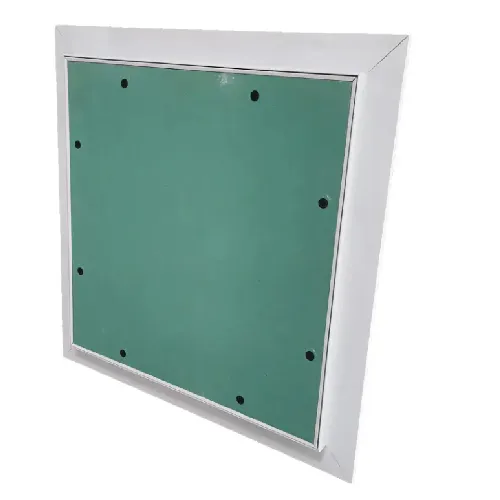
If you’re not familiar with an insulated ceiling hatch, you’re not alone. It’s one of those unsung heroes quietly making buildings more energy-efficient and comfortable worldwide. In simple terms, an insulated ceiling hatch is a panel or access door fitted into ceilings — but with insulation materials embedded inside — designed to provide easy access to spaces like attics while reducing heat loss or gain. Why should you care? Because globally, buildings account for nearly 40% of energy consumption and greenhouse gas emissions (source: International Energy Agency). Even small improvements, like upgrading attic access with insulated ceiling hatches, can move the needle on energy savings and comfort. In this article, let’s unpack what this product really means, why industries and homeowners care, and how choices made today shape tomorrow’s sustainable buildings.
Global Relevance of Insulated Ceiling Hatch
Around the world, energy efficiency is high on policy agendas—from the European Union's Fit for 55 package to the US's building codes updated around the International Energy Conservation Code (IECC). Insulated ceiling hatches, while small in scale, play a key role in reducing air leakage and improving thermal performance of the building envelope. In fact, according to the US Department of Energy, heat loss through attic access points can account for up to 15% of a home’s heat loss during winter—a significant figure considering how many homes globally have under-insulated attics. So the challenge is pretty straightforward: older buildings and even some modern construction can suffer from improperly sealed attic doors that waste energy and increase costs. This is where insulated ceiling hatches come into play as a practical, cost-efficient solution.
What Exactly Is an Insulated Ceiling Hatch?
At its core, an insulated ceiling hatch is a hinged or removable panel installed in the ceiling, providing access to the attic or overhead service spaces. Unlike ordinary accesses, these hatches are equipped with insulation materials—ranging from foam cores to mineral wool layers—that match or exceed the thermal resistance of surrounding ceiling areas. The core benefit is preventing unwanted heat transfer and air leakage through typically vulnerable access points. Beyond energy savings, they help with controlling moisture and improve overall building durability. Given the rise of green building certifications like LEED or BREEAM, using insulated ceiling hatches contributes meaningfully to earning points towards better building performance.
Key Components and Factors of Insulated Ceiling Hatches
- Durability and Material Quality: Frames typically are made of wood, aluminum, or steel with a high-quality finish to resist wear and tear; panel cores are usually foam-based for superior insulation.
- Thermal Performance: The insulation's R-value (thermal resistance) is crucial. Good insulated ceiling hatches have R-values typically ranging from R-10 to R-15, matching attic insulation standards.
- Air-Tightness and Seals: Effective gaskets or seals prevent air infiltration, which otherwise negates insulation benefits.
- Ease of Installation and Access: The hatch should be easy to install, operate, and maintain, especially important for building maintenance professionals or homeowners.
- Fire and Safety Ratings: Many insulated hatches meet fire safety standards (like UL 555) depending on building requirements.
- Customization and Sizes: Since ceiling openings vary, insulated hatches come in various standard dimensions or can be custom-fabricated.
Mini Takeaway: An insulated ceiling hatch is more than just a panel — it’s an engineered solution combining materials and design to improve building energy efficiency while maintaining ease of access.
Product Specifications at a Glance
| Specification | Typical Value / Range |
|---|---|
| Material Core | Polyurethane Foam, Mineral Wool |
| R-value | 10–15 (ft²·°F·h/BTU) |
| Frame Material | Wood, Aluminum, Steel |
| Fire Rating | Up to 1 Hour (UL 555) |
| Air-Tight Seal | Yes, with rubber gasket |
| Standard Sizes (inches) | 22×30, 22×36, 24×36 (Custom sizes available) |
Global Applications and Use Cases
Insulated ceiling hatches are widely used in residential, commercial, and industrial buildings across the globe. In cold climates, like Scandinavia or Canada, they play a vital role in retaining heat during long winters. Conversely, in hot regions, such as the Middle East, minimizing heat infiltration helps reduce cooling loads.
Consider post-disaster relief operations: temporary shelters require quick assembly but also durability and thermal comfort. Insulated ceiling hatches, when incorporated into modular shelter designs, provide needed ventilation access without compromising insulation. Industrial sites in remote areas also rely on insulated hatches for safe and reliable access to utility spaces — especially where thermal protection from extremes matters a lot.
Various organizations, including government housing programs and NGOs, prioritize insulated access points to enhance building sustainability without breaking budgets. And oddly enough, even data centers increasingly use insulated ceiling hatches as part of their sealing strategies to optimize cooling efficiency.
Vendor Comparison: Leading Insulated Ceiling Hatch Suppliers
| Feature | Xing Yuan Ceilings | EcoAccess Solutions | ThermoHatch Inc. |
|---|---|---|---|
| R-value | Up to 15 | 10–12 | 14 |
| Materials | Aluminum Frame + PU Foam | Wood Frame + Mineral Wool | Steel Frame + PU Foam |
| Lead Time | 2–3 weeks | 4–6 weeks | 2 weeks |
| Customization | Extensive | Limited | Moderate |
| Price Range | $$$ | $$ | $$$ |
Advantages and Long-Term Value of Insulated Ceiling Hatches
When you use an insulated ceiling hatch, you’re signing up for more than just improving building performance. The tangible benefits are many:
- Cost Savings: Lower heating and cooling bills due to reduced energy waste.
- Sustainability: Supports environmental goals by minimizing carbon footprints, especially important in building certifications.
- Enhanced Comfort and Safety: Better thermal control means consistent indoor temperatures and reduced drafts; fire-rated options add peace of mind.
- Durability: Long-lasting materials reduce maintenance costs over time.
- Social Impact: For housing projects and NGOs, improving insulation quality respects occupants’ dignity through better living conditions.
Frankly, these hatch panels represent a tiny investment compared to the measurable gains they bring over a building’s life.
Future Trends & Innovations
The world of insulated ceiling hatches is evolving quietly but surely. Expect growing use of eco-friendly insulation materials like recycled foam or natural fibers. Digital monitoring integration — think smart hatches detecting temperature or humidity changes remotely — is creeping in. Automation is another horizon: imagine hatches that open on command via building management systems while maintaining airtight seals most of the time.
Green building guidelines are tightening, pushing manufacturers toward higher R-values and fire-safety classes without bulk or cost jumps. Also, modular constructions and prefabricated building segments increasingly rely on high-performing insulated ceiling hatch components to speed up on-site builds.
Challenges and Solutions
But it’s not all roses. Some common challenges include ensuring perfect air-tight seals in uneven or older ceiling openings, balancing cost with high thermal performance, and navigating varied fire safety requirements internationally.
Experts advise rigorous site measurement and using adjustable or adaptable frame designs. Also, combining gasket technology improvements with foam core enhancements solves leakage issues better than in the past. Collaboration with suppliers like Xing Yuan Ceilings – who offer customizable, high R-value insulated ceiling hatches with quick lead times — helps end-users overcome these barriers.
FAQ: Frequently Asked Questions About Insulated Ceiling Hatches
- Q1: How does an insulated ceiling hatch improve home energy efficiency?
- By preventing air leaks and providing thermal resistance where traditional attic access was a weak spot, insulated ceiling hatches reduce heat transfer. This leads to less energy spent heating or cooling your home and helps maintain steady indoor temperatures throughout the year.
- Q2: Are insulated ceiling hatches difficult to install?
- Not typically. Many models come pre-fabricated and can be installed by a skilled carpenter or contractor in a few hours. However, precise measurements and proper sealing during installation are critical for optimal performance.
- Q3: Can I use an insulated ceiling hatch in commercial buildings?
- Absolutely. Many commercial buildings require insulated access panels to meet energy codes and fire safety standards. Products come in various sizes and are designed to handle higher traffic and heavier duty requirements.
- Q4: How long does an insulated ceiling hatch last?
- With proper maintenance, good-quality insulated ceiling hatches can last 20 years or more. Durable frame materials and resistant sealing technology help extend lifespan.
- Q5: Where can I find a reliable supplier of insulated ceiling hatches?
- Companies like Xing Yuan Ceilings provide customizable and tested insulated hatch solutions with global shipping options, making them a go-to for many builders and architects.
Conclusion: Invest in Comfort and Efficiency Today
Understanding the insulated ceiling hatch may seem like a small detail, but it’s an often overlooked piece in the puzzle of building energy efficiency and comfort. Its ripple effects touch environmental impact, occupant well-being, and long-term financial savings. Whether you’re a homeowner, builder, or designer, investing in a quality insulated ceiling hatch is a smart move.
For tailored solutions and expert advice, I highly recommend visiting Xing Yuan Ceilings. They offer a wide range of insulated ceiling hatches designed for today’s green building demands.
Final takeaway: Sometimes small upgrades unlock big energy wins — insulated ceiling hatches exemplify this principle perfectly.
-
Benefits and Guide of Mineral Fiber Ceiling Board for InteriorsNewsApr.16,2026
-
Modern Mineral Fiber Ceiling Solutions for Acoustic PerformanceNewsApr.09,2026
-
Mineral Fibre Board Ceiling vs Gypsum Board A Comprehensive Comparison GuideNewsApr.07,2026
-
Comprehensive Guide to Mineral Fiber Ceiling Specification and PerformanceNewsApr.04,2026
-
What Are Mineral Fiber Ceiling Tiles Made Of And Their ApplicationsNewsMar.31,2026
-
Exploring the Benefits of Suspended Mineral Fibre Ceiling Systems for Modern BuildingsNewsMar.28,2026