
Dec . 01, 2025 23:40 Back to list
Comprehensive Guide to Ceiling Plumbing Access Panels: Design, Benefits & Trends
Understanding the Ceiling Plumbing Access Panel: An Essential but Overlooked Component
When you think of plumbing and ceilings, you might rarely imagine their intersection. Yet, the ceiling plumbing access panel quietly plays a vital role in maintaining building infrastructure worldwide. Whether in commercial complexes, hospitals, or residential high-rises, these panels provide indispensable access to hidden pipes and valves. Their importance goes beyond mere convenience—they represent a critical facet of proper building maintenance, safety, and sustainability across countless industries and geographies.
Globally, with rapid urbanization and escalating infrastructure demands, the need for efficient plumbing maintenance grows exponentially. According to the United Nations Urbanization Report, by 2050 nearly 68% of the world’s population will live in cities. Maintaining water delivery and waste removal systems in such dense environments requires ceiling plumbing access panels that are practical, safe, and reliable. Yet, many buildings still grapple with poorly designed or inaccessible panels, causing costly repairs and safety hazards.
What Exactly Is a Ceiling Plumbing Access Panel?
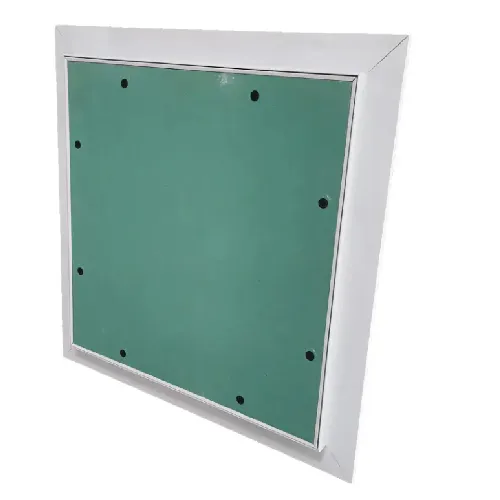
In simplest terms, a ceiling plumbing access panel is an opening—usually a framed door or hatch—in a ceiling surface that grants authorized personnel access to crucial plumbing components hidden above. These panels enable inspection, repair, and replacement of pipes, valves, and fittings without destructive damage to walls or ceilings. Think of it as a “maintenance window” essential for efficient building operations.
From a humanitarian angle, especially in large public buildings such as hospitals and schools, easy access to plumbing infrastructure influences the health and safety of thousands daily. Beyond comfort, it addresses emergency scenarios like leaks or blockages where quick intervention can be lifesaving.
Key Components & Considerations of Ceiling Plumbing Access Panels
- Durability: Since these panels are part of high-traffic areas prone to humidity and temperature fluctuations, materials like galvanized steel or fire-rated composites ensure longevity and compliance with safety standards.
- Accessibility & Size: Panels must be large enough to provide effective access but unobtrusive enough not to detract aesthetically or consume valuable ceiling space.
- Design & Finish: Many panels come with features like tamper-proof locks or smooth, paintable surfaces for seamless integration with ceiling design.
- Compliance: Local building codes often dictate panel fire-rating or soundproofing requirements to meet safety regulations.
- Ease of Installation: Quick-fit frames or modular panels reduce labor costs and downtime during building upgrades or maintenance.
| Specification | Typical Value / Options |
|---|---|
| Material | Galvanized steel, Aluminum, Fire-rated gypsum core |
| Dimensions | Standard: 200x300mm to 600x600mm (custom sizes available) |
| Finish | Powder coated, paint-ready surface |
| Fire Rating | 30 or 60 minutes (varies by model) |
| Hinges & Locking | Concealed hinges, Key-lock or tool-release options |
Mini takeaway: A good access panel is more than just a hole; it’s a thoughtfully engineered portal to efficiency, safety, and aesthetics.
Global Applications and Industry Use Cases
Oddly enough, while these panels seem mundane, their applications are quite diverse and critical worldwide. In the Middle East’s new skyscrapers, for example, fire-rated ceiling plumbing access panels are mandated to protect tenants. Industrial sites in Southeast Asia use corrosion-resistant panels to weather tropical humidity, while hospitals in North America demand hygienic, easily cleanable surfaces.
In humanitarian contexts, such as post-disaster relief operations, modular buildings equipped with standardized access panels facilitate rapid plumbing repairs, helping restore water and sanitation services. NGOs working in refugee camps often specify durable panels that simplify maintenance, reducing downtime for crucial water infrastructure.
Advantages & Long-Term Value of Proper Access Panel Installation
- Cost Efficiency: Saving on wall demolition and reconstruction for plumbing repairs translates into substantial budget and time savings.
- Sustainability: Enabling quick leak detection and fixing reduces water waste and environmental damage.
- Safety Enhancement: Fire-rated panels and secure access prevent unauthorized tampering and potential hazards.
- Aesthetic Integration: Panels blend seamlessly, maintaining interior design without unsightly cutouts.
- Reliability and Peace of Mind: Facility managers trust these panels to support routine upkeep and emergency interventions effectively.
Really, it feels like the humble ceiling plumbing access panel quietly champions building longevity and occupant well-being.
Future Trends: Innovations in Ceiling Plumbing Access Panels
The industry is evolving, no doubt. There’s growing momentum around smart access panels equipped with sensors to monitor humidity levels or unauthorized access in real-time. Materials science is pushing towards ultra-lightweight composites that still meet fire and durability standards, easing installation and lowering energy footprints.
The increasing emphasis on green buildings is influencing design innovations — panels now sometimes incorporate recycled materials or are designed for easy disassembly and recycling at end-of-life. Coupled with growing digital integration in building management systems, ceiling plumbing access panels are subtly becoming smarter, greener, and more functional.
Challenges and Intelligent Solutions
Still, challenges persist. For instance, inconsistent dimensions or poorly specified panels can complicate retrofit projects. Some designs lack sufficient sealing to prevent dust or moisture ingress, affecting pipe longevity.
Experts recommend quality assurance steps, such as verifying fire ratings via certified labs and opting for modular solutions with adjustable frames to reduce installation hiccups. Also, collaborating closely with engineering and architectural teams early ensures panels meet both functional and aesthetic needs.
FAQ: Frequently Asked Questions About Ceiling Plumbing Access Panels
- Q: What is the best material for a ceiling plumbing access panel in humid climates?
- A: Galvanized steel or powder-coated aluminum panels are popular choices due to their corrosion resistance and durability in humid environments. Additionally, panels with proper sealing can help prevent moisture penetration. Avoid untreated metals, which can rust quickly.
- Q: How do ceiling access panels contribute to building fire safety?
- A: Fire-rated access panels comply with local building codes by delaying fire spread through ceilings. They often incorporate fire-resistant cores and seals, ensuring critical plumbing infrastructure remains accessible without compromising safety.
- Q: Can access panels be customized for unique building designs?
- A: Absolutely. Many vendors offer custom sizes, shapes, finish options, and lock types to integrate seamlessly with specific architectural aesthetics, whether for a minimalist modern office or a historic restoration.
- Q: How often should ceiling plumbing access panels be inspected or maintained?
- A: Regular inspection depends on building use but typically every 6-12 months. Frequent checks help detect leaks early and ensure panel integrity, which minimizes costly repairs and downtime.
| Vendor | Material Options | Customization | Lead Time | Typical Markets |
|---|---|---|---|---|
| Xingyuan Ceilings | Galvanized steel, aluminum, fire-rated gypsum | High - sizes, finishes, locking mechanisms | 2-3 weeks | Asia-Pacific, Middle East |
| PanelTech Corp. | Aluminum, stainless steel | Medium - sizes standard, limited finishes | 3-4 weeks | North America, Europe |
| AccessPlus | Fiberglass, fire-rated composite | High - customizable to architectural demands | 4-5 weeks | Global, including humanitarian projects |
Conclusion & Call to Action
To sum it up, ceiling plumbing access panels might fly under the radar in the grand scope of a building’s design, but their influence is disproportionately large. They offer tangible benefits—cost savings, safety, sustainability, and user convenience—while enabling long-term infrastructure resilience. For facility managers, architects, or humanitarian engineers considering retrofit or new projects, choosing the right panel is a decision packed with far-reaching impact.
Interested in exploring high-quality options tailored for your specific needs? Visit https://www.xingyuanceilings.com to discover how modern ceiling plumbing access panels blend innovative design with practical reliability.
One might say, the better your panels, the smoother your pipes — and the safer your buildings.
References:
-
Benefits and Guide of Mineral Fiber Ceiling Board for InteriorsNewsApr.16,2026
-
Modern Mineral Fiber Ceiling Solutions for Acoustic PerformanceNewsApr.09,2026
-
Mineral Fibre Board Ceiling vs Gypsum Board A Comprehensive Comparison GuideNewsApr.07,2026
-
Comprehensive Guide to Mineral Fiber Ceiling Specification and PerformanceNewsApr.04,2026
-
What Are Mineral Fiber Ceiling Tiles Made Of And Their ApplicationsNewsMar.31,2026
-
Exploring the Benefits of Suspended Mineral Fibre Ceiling Systems for Modern BuildingsNewsMar.28,2026