
Dec . 01, 2025 23:05 Back to list
Durable Drywall Ceiling Access Hatch Solutions for Safer, Easier Maintenance
Why Drywall Ceiling Access Hatches Matter More Than You Think
When you look up at a ceiling in a commercial building or a modern home, chances are good that some hidden access point lurks behind drywall panels—a drywall ceiling access hatch. It’s one of those modest inventions that rarely get noticed unless you’re in maintenance, HVAC servicing, or fire safety inspections. But these seemingly small fixtures play a hefty role in building functionality worldwide.
Globally, as urbanization accelerates and interior architecture grows more complex, the ability to efficiently access ducts, wiring, and plumbing behind ceilings becomes crucial. According to the United Nations, more than 55% of the world's population lives in urban areas, most surrounded by multi-story buildings with complex mechanical systems tucked behind drywall. A practical ceiling access hatch can save hours—or even days—of invasive repair work. Plus, it reduces the need to damage finished surfaces, which matters in commercial and heritage buildings alike.
Mini takeaway: Though overlooked, installing the right drywall ceiling access hatch enhances building maintenance efficiency while protecting costly interiors.
Global Context: Why Accessibility Is a Growing Challenge
Consider this: the International Organization for Standardization (ISO) has been pushing for standardized building maintenance access to improve safety and sustainability. Globally, regulations are tightening around fire codes, energy efficiency, and safety inspections—demands that drywall ceiling access hatches directly address.
Additionally, with the rise of smart building technologies and IoT sensors behind walls and ceilings, technicians need increasingly easy access points that won’t compromise security or aesthetics. Yet, many older buildings struggle because their ceiling systems lack these hatches, resulting in costly, time-consuming disruptions.
So, the challenge is clear: how to provide easy, safe, and cost-effective access points in drywall ceilings that meet modern demands worldwide?
Drywall Ceiling Access Hatch: What Is It Exactly?
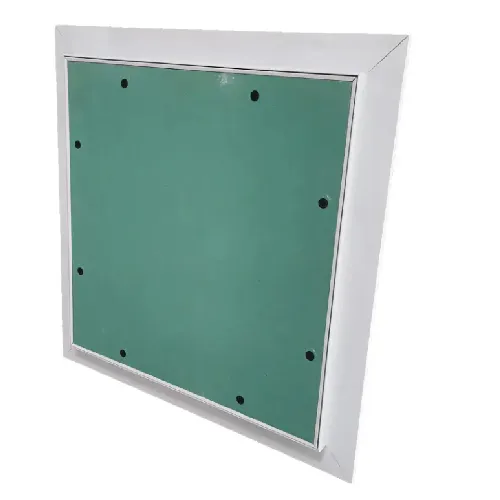
Simply put, a drywall ceiling access hatch is a panel—usually framed in metal or wood—installed flush with drywall ceilings, designed to provide entry to the hidden spaces above. Often equipped with a door mechanism, latch, or locking system, it blends nearly invisibly into the ceiling finish.
They cover essential access points to mechanical, electrical, or plumbing infrastructure, allowing repairs, upgrades, or emergency inspections without removing large portions of ceiling material. Think of them as the discreet “trapdoors” of modern construction.
In humanitarian contexts, like temporary housing or disaster relief, modular drywall systems often rely on such hatches for quick equipment checks—a lifesaver when speed and minimal disturbance are key.
Core Components & Factors That Make a Good Access Hatch
1. Durability and Load-Bearing Capacity
One must choose drywall ceiling access hatches that withstand ceiling weight and routine use without sagging or damage. High-quality aluminum or galvanized steel frames are preferred over plastic, which tends to warp or crack over time.
2. Aesthetic Integration
Since these hatches sit within visible ceiling areas, manufacturers often design them so they align perfectly with drywall textures and can be painted over, ensuring seamless visual continuity.
3. Fire and Safety Compliance
Fire-rated access panels help prevent the spread of flames through ceiling voids, meeting local building codes and improving occupant safety. Many modern hatches come with intumescent seals that expand under heat.
4. Ease of Installation & Maintenance
In fast-paced construction or retrofit projects, installers appreciate hatches that come with adjustable frames, snap-on covers, or removable doors that don’t require special tools.
5. Security Features
For sensitive areas—like data centers or industrial controls—access hatches can be equipped with locking mechanisms or keypads, reducing unauthorized access.
6. Environmental Resistance
In humid or temperature-variable environments, moisture-resistant materials or powder-coated finishes can significantly extend product lifetime.
Typical Product Specification Table
| Specification | Description |
|---|---|
| Material | Aluminum frame, gypsum board door panel |
| Finish | Paintable surface for seamless match |
| Dimensions | 12" x 12", 18" x 18", or custom sizes |
| Load Rating | Up to 50 lbs (evenly distributed) |
| Fire Rating | Up to 90 minutes with intumescent seal |
| Security Option | Key lock or electronic lock available |
Drywall Ceiling Access Hatch Worldwide: Real-World Applications
From Dubai’s high-rises to New York’s bustling commercial centers, these access hatches enable efficient maintenance without disrupting tenants. In industrial zones of Germany, where adherence to strict ISO building standards is mandatory, architects specify fire-rated access hatches to safeguard complex mechanical systems.
Oddly enough, in post-disaster reconstruction—say, after a hurricane in the Philippines—NGOs rely on quick-install drywall ceiling hatches for temporary shelters, allowing engineers quick reach to electrical wiring installed above ceiling panels.
Hospitals, data centers, airports, and even heritage museums use these hatches daily for inspections, upgrades, or emergencies. Each application demands slightly different features, but the common thread is the balance between discrete design and reliable utility.
Mini takeaway: Functionality adapts globally, but the goal remains universal: simple access without sacrifice.
Comparing Top Drywall Ceiling Access Hatch Vendors
| Vendor | Material | Fire-Rating | Custom Sizes | Security Options | Price Range |
|---|---|---|---|---|---|
| SecurePanel | Galvanized steel + gypsum | 90 minutes | Yes | Key lock, Electronic | $$$ |
| QuickAccess | Aluminum + paintable drywall | 45 minutes | Limited | No | $ |
| EcoHatch | Recycled steel + gypsum | 60 minutes | Yes | Key lock | $$ |
Advantages That You Can’t Ignore
- Cost efficiency: Reduce labor and material costs tied to invasive ceiling repairs.
- Sustainability: Extend building life cycles and support green certifications like LEED.
- Safety: Ensure quick, regulation-compliant inspections, especially for fire protection.
- Social impact: Protect occupants by enabling fast fixes of critical infrastructure.
- Reliability: Dependable opening and closing mechanisms mean technicians aren’t fumbling during emergencies.
Emotionally, it’s comforting to know that hidden “doors” like these are silently keeping your building functional and safe. And logically, the math is straightforward: prevention beats costly repairs.
What’s Next? Future Trends in Drywall Ceiling Access Hatches
The industry is evolving, driven by innovation and environmental responsibility. Imagine smart access hatches that communicate maintenance status via embedded sensors, or ultra-lightweight composite materials that are strong yet reduce carbon footprint.
Some vendors are experimenting with self-sealing fire barriers, which automatically close off access points during a blaze. Manufacturers are also keen to integrate these hatches seamlessly with modular construction techniques, enabling quicker assembly on-site.
Oddly enough, green building codes increasingly demand not just access but “clean access”—meaning hatches that minimize dust and VOC emissions during inspections.
Challenges and How Experts Are Solving Them
The biggest hurdles remain installation in retrofit projects and balancing durability with cost. Some cheaper models lack proper fire ratings or warp over time, frustrating maintenance crews.
Experts recommend prioritizing certified products and employing adjustable framing to fit irregular ceilings. Also, ongoing training about the importance of these hatches can prevent misuse or damage on-site.
FAQ: Your Drywall Ceiling Access Hatch Questions Answered
- Q1: How do I know what size drywall ceiling access hatch I need?
- A: Assess the equipment or service area you need to reach and add clearance for tool use. Standard sizes range from 12”x12” to 24”x24”, but custom cutouts are common if your space has unique requirements.
- Q2: Can I install a drywall ceiling access hatch myself without professional help?
- A: If you have basic drywall and carpentry skills, installation is straightforward with adjustable frames. However, in commercial or fire-rating contexts, professional installation is recommended to maintain compliance.
- Q3: Are fire-rated access hatches more expensive?
- A: Generally yes, due to enhanced materials and sealing technology. But their value in occupant safety and insurance compliance far outweighs initial costs.
- Q4: How do I maintain my drywall ceiling access hatch?
- A: Regularly check latch mechanisms, clean any dust accumulation, and inspect seals annually, especially in commercial buildings.
- Q5: Where can I purchase reliable drywall ceiling access hatches?
- A: Trusted vendors like Xing Yuan Ceilings offer a range of products meeting ISO and fire safety standards with custom options.
Wrapping It Up: Why You Should Care About Access Hatches
Though modest in appearance, drywall ceiling access hatches quietly keep our modern buildings functional, safe, and compliant worldwide. Whether you’re a building manager, contractor, or architect, understanding their features and benefits can save you money and frustration down the line.
For the long haul, investing in quality access hatches not only enhances maintenance efficiency but supports sustainability efforts too. So next time you glance upward, remember the small entry behind that drywall may be more important than it looks.
Ready to upgrade your project? Visit our website for durable, fire-rated, and customizable options at Xing Yuan Ceilings.
References:
1. United Nations, World Urbanization Prospects (2018)
2. ISO 21542: Building construction — Accessibility and usability of the built environment (2011)
3. Wikipedia, Access panel
-
Benefits and Guide of Mineral Fiber Ceiling Board for InteriorsNewsApr.16,2026
-
Modern Mineral Fiber Ceiling Solutions for Acoustic PerformanceNewsApr.09,2026
-
Mineral Fibre Board Ceiling vs Gypsum Board A Comprehensive Comparison GuideNewsApr.07,2026
-
Comprehensive Guide to Mineral Fiber Ceiling Specification and PerformanceNewsApr.04,2026
-
What Are Mineral Fiber Ceiling Tiles Made Of And Their ApplicationsNewsMar.31,2026
-
Exploring the Benefits of Suspended Mineral Fibre Ceiling Systems for Modern BuildingsNewsMar.28,2026