
Dec . 01, 2025 22:25 Back to list
T Bar Ceiling Access Panel – Durable, Fire-Rated, Easy-Access Solutions for Modern Ceilings
What Is a T Bar Ceiling Access Panel and Why It Matters Worldwide
At first glance, a t bar ceiling access panel might sound like just another building component, but it’s actually a tiny hero in the world of modern construction and maintenance. Think of it as a discreet hatch in your ceiling grid that offers quick, safe access to vital systems above—wiring, plumbing, HVAC ducts—the whole hidden infrastructure that keeps a building humming.
Globally, as buildings get smarter and infrastructure more complex, the need for easy access without causing damage or long downtime becomes essential. Understanding these panels means better maintenance, lower repair costs, and often safer work environments. For engineers, architects, and building managers around the world, these panels represent a simple yet indispensable solution.
The Big Picture: Why T Bar Ceiling Access Panels Are Globally Relevant
Buildings worldwide are getting taller, more connected, and way busier with tech inside their walls and ceilings. According to the United Nations’ 2023 World Urbanization Prospects, 68% of the global population will live in urban areas by 2050—and guess what? That means far more buildings that require regular maintenance and quick intervention tools. Enter the humble t bar ceiling access panel.
Industries from healthcare to data centers face a constant challenge: how to access concealed building services quickly without disrupting day-to-day activity or damaging ceilings. This challenge led to the rise of modular ceiling grids and access panels that fit seamlessly—making maintenance straightforward.
Mini Takeaway:
- The growth of urban infrastructure globally creates a booming demand for efficient ceiling access solutions.
- T bar ceiling access panels solve a key problem: ease of access without compromising aesthetics or function.
- As buildings become smarter, the panels’ role grows beyond convenience to safety and sustainability.
What Exactly Is a T Bar Ceiling Access Panel?
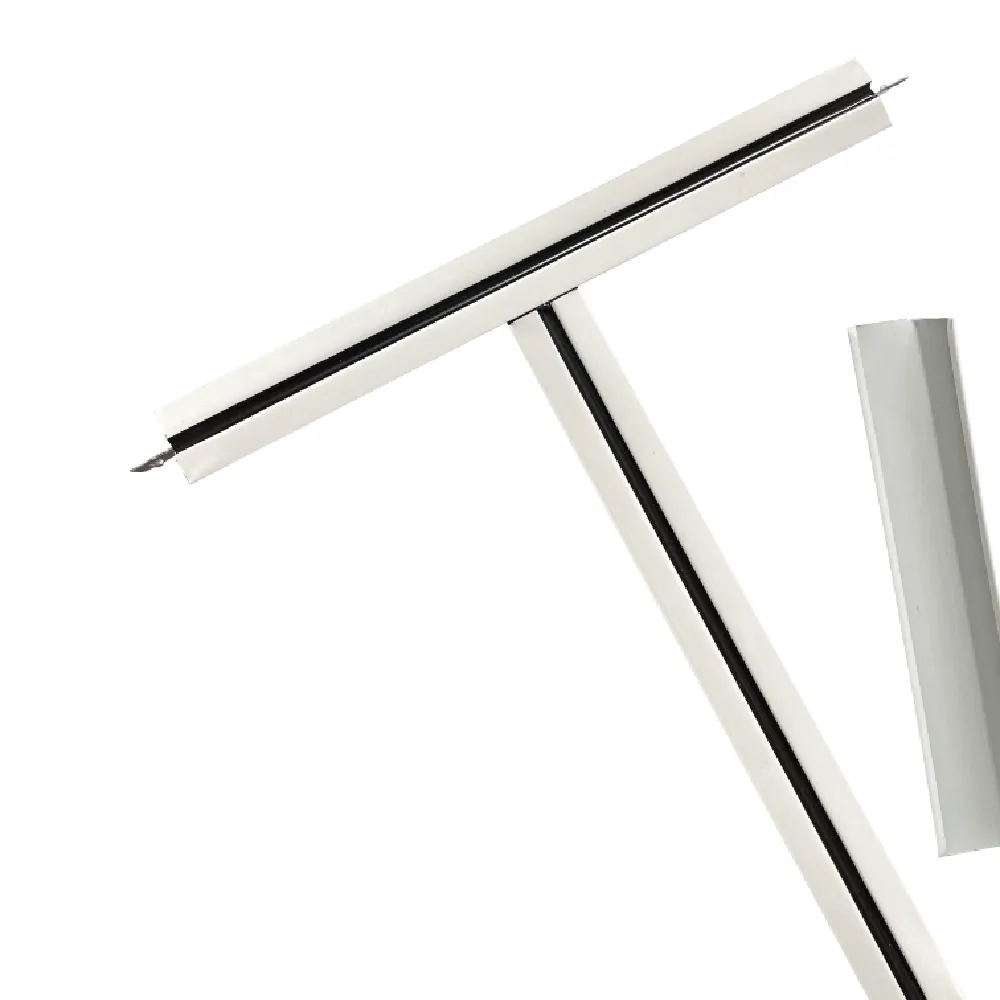
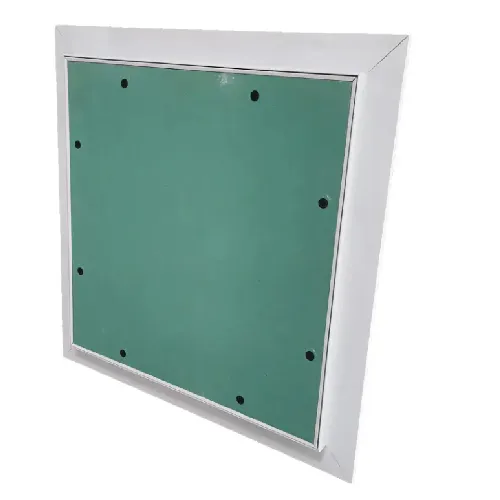
Simply put, a t bar ceiling access panel is a removable or hinged panel designed to fit within T-shaped grid ceiling systems. This grid supports ceiling tiles—those white square things you see in offices or hospitals—and the panel lets you open a section without dismantling the entire ceiling.
It’s like a small door in the ceiling’s "floor," leading to pipes, cables, or ventilation ducts. This stealthy access point lets maintenance folks do their work without wrecking anything or disrupting the room’s look. In practical terms, these panels are a cornerstone of modern commercial and industrial architecture.
Mini Takeaway:
- They fit within the familiar "T" suspended ceiling framework common worldwide.
- Offer a non-destructive way to access hidden infrastructure above ceilings.
- Used extensively in commercial buildings, hospitals, schools, and even industrial sites.
Core Features of T Bar Ceiling Access Panels
Durability and Material Quality
Most panels are made of lightweight metals like aluminum or galvanized steel, sometimes combined with drywall inserts. This mix keeps them strong but easy to remove. Durability isn’t just about lasting decades; it’s about resisting corrosion, fire, and wear because they often live in sometimes hostile environments—think boiler rooms or humid spaces.
Ease of Installation and Removal
The beauty of these panels lies in their simplicity. Installation is designed to slot right into the T bar grid, and removal generally requires no tools or minimal effort—essential for speedy maintenance. Some come with hinges or locks to prevent accidental openings or unauthorized access.
Fire Resistance and Safety Compliance
Depending on the setting, fire-rated access panels are vital. The panels often meet standards like ASTM E119 or UL 555 for fire resistance. In hospitals or schools, safety isn’t optional—it’s mandatory. These panels are tested to ensure they don’t become weak spots in fire barriers.
Customization and Size Variability
No building is the same, and neither are their ceilings. Luckily, manufacturers offer a broad spectrum—from standard 24"x24" panels to custom sizes tailored to project needs. Some have soundproofing inserts or insulation to maintain thermal efficiency.
Compatibility with Modern Ceiling Systems
Since T bar ceiling systems are widespread, the panels work well with standard grids, but newer systems include snap-in or tool-less designs. Compatibility avoids headaches for designers and installers alike.
Mini Takeaway:
- Durable, fire-safe materials keep buildings compliant and safe.
- Smooth installation and removal cater to maintenance efficiency.
- Customization options let panels fit practically any ceiling grid.
Global Use Cases: Where and Why These Panels Shine
Curiously, these panels pop up everywhere—from ultra-modern office skyscrapers in Dubai to makeshift hospitals in relief zones. For example:
- In data centers in Europe, panels allow rapid access to vital cable runs without shutting down operations.
- In healthcare, quick access to ventilation or electrical components means better patient safety and hospital uptime.
- In industrial zones, such as remote mining sites in Australia, access panels withstand rough conditions and frequent checks with minimal ceiling damage.
- Post-disaster relief setups benefit from lightweight, easy-to-install panels allowing rapid assembly of temporary facilities with access for essential services.
Mini Takeaway:
- They’re globally widespread across commercial, healthcare, industrial, and humanitarian projects.
- Speed and safety in accessing hidden systems make them essential in sensitive and critical environments.
Advantages and Long-Term Benefits
Honestly, it feels like a small part, but the long-term benefits are sizable:
- Cost-efficiency: Avoiding ceiling demolition saves money and time.
- Sustainability: Materials last long and reduce waste during maintenance.
- Safety: Fire-rated designs boost overall building safety.
- Social impact: Hygienic, discreet access panels promote dignity in health and education facilities.
- Reliability: Trusted globally, many engineers say these panels cut downtime significantly.
The Specs: What to Expect From a Quality T Bar Ceiling Access Panel
| Specification | Typical Value / Feature |
|---|---|
| Standard Size | 24” x 24” (custom sizes available) |
| Material | Aluminum, Steel, or Drywall-faced panels |
| Fire Rating | Up to 2 hours (ASTM E119 / UL555 certified) |
| Finish | Powder-coated, paintable, or factory-finished |
| Access Method | Hinged, lift-out, or tool-less snap-in |
| Weight | 2.5 - 5 lbs (varies by size and material) |
How Do Vendors Stack Up? A Quick Comparison
| Vendor | Material Options | Customization | Fire Rating | Pricing Tier |
|---|---|---|---|---|
| Xingyuan Ceilings | Aluminum, steel, drywall-faced | High: custom sizes, finishes | Up to 2 hrs UL certified | Mid-range |
| Global Panels Inc. | Steel & aluminum only | Standard sizes mainly | 1 hr fire rating | Low to mid |
| Ceiling Access Pros | Drywall-faced, aluminum | Custom but longer lead times | Up to 1.5 hrs UL certified | Mid to premium |
Looking Ahead: Future Trends in Ceiling Access Panels
It’s exciting how tech is shaping the industry. Automated and digital access—think smart locks or remote access panels that monitor internal ceilings’ condition—are taking shape. Eco-conscious materials, recycled metals, or bio-composites are getting traction too.
Plus, green building standards like LEED are pushing for panels that improve a building’s thermal and acoustic performance. I suppose in a couple of years, a t bar ceiling access panel might do more than open and close—it might talk to your building’s smart system.
Common Challenges and How to Overcome Them
One tricky part? Balancing secure access with ease of use. Too easy, and anyone can open the panel. Too locked-down, and maintenance slows down. Vendors are experimenting with tool-less locks or RFID access.
Another challenge is installation in older or custom ceilings where the standard T grid is absent. Modular panels and adaptable frames offer decent workarounds here.
Frequently Asked Questions About T Bar Ceiling Access Panels
- Q: Can t bar ceiling access panels fit non-standard ceiling grids?
A: Yes, many vendors provide custom frames and panel sizes to fit unique or irregular ceiling designs, ensuring compatibility beyond standard T bars. - Q: Are these panels easy to remove for maintenance?
A: Absolutely. Most are designed for quick, tool-free removal, though options with locks or hinges are available to increase security. - Q: How fire-resistant can these panels get?
A: Panels can be fire-rated up to two hours, adhering to UL555 or ASTM E119 standards—important for use in hospitals and public buildings. - Q: Do access panels affect the building’s insulation or acoustics?
A: Specialized panels with insulation or soundproof inserts exist, helping maintain thermal and acoustic properties of the ceiling system. - Q: How sustainable are t bar ceiling access panels?
A: Because many panels are made from recyclable metals and designed for long service life, they’re a sustainable choice when paired with proper maintenance.
Wrapping It Up: Why Invest in Quality T Bar Ceiling Access Panels
So here’s the thing—a t bar ceiling access panel may look like a minor detail, but it’s a massive facilitator of maintenance economy, safety, and sustainability worldwide. They keep buildings functional without fuss, reduce repair headaches, and support safer work conditions behind the scenes.
If you’re in construction, architecture, or facility management, it’s worth digging deeper into the options and technologies available—because great access panels often mean smooth projects and happy maintenance teams. Curious to explore a wide range of premium panels? Visit t bar ceiling access panel solutions by Xingyuan Ceilings for custom offers and cutting-edge designs.
References:
-
Benefits and Guide of Mineral Fiber Ceiling Board for InteriorsNewsApr.16,2026
-
Modern Mineral Fiber Ceiling Solutions for Acoustic PerformanceNewsApr.09,2026
-
Mineral Fibre Board Ceiling vs Gypsum Board A Comprehensive Comparison GuideNewsApr.07,2026
-
Comprehensive Guide to Mineral Fiber Ceiling Specification and PerformanceNewsApr.04,2026
-
What Are Mineral Fiber Ceiling Tiles Made Of And Their ApplicationsNewsMar.31,2026
-
Exploring the Benefits of Suspended Mineral Fibre Ceiling Systems for Modern BuildingsNewsMar.28,2026