
Dec . 01, 2025 21:50 Back to list
Durable and Efficient Garage Ceiling Access Panels – Solutions for Modern Maintenance
Understanding the Garage Ceiling Access Panel: A Small Part With Big Impact
At first glance, a garage ceiling access panel might seem like a tiny piece of a broader construction puzzle. But globally, its importance is quietly massive. Whether for maintenance, safety inspections, or just the odd reroute of cables and pipes, this panel gives technicians—whether in bustling urban centers or remote industrial sites—a way to work smarter, not harder. Understanding these humble panels means understanding efficiency, safety, and long-term savings rolled into one.
Global Importance: Why Garage Access Matters More Than You Think
In a world with over 1.4 billion cars (per World Bank reports) and rising infrastructure demands, accessible maintenance points within garages and utility spaces are crucial. The International Organization for Standardization (ISO) stresses efficient building designs that maximize operational ease and safety. The garage ceiling access panel addresses gaps that many forget exist: as buildings age, accessibility for essential repairs or inspections can become costly, unsafe, or downright impossible without invasive renovations.
Consider this: A 2019 study showed maintenance delays largely cause operational downtime in industrial complexes, and inaccessible facilities often lead to higher costs and safety risks (source: ISO Maintenance Standards). A simple, well-designed access panel stops all this fuss.
Mini takeaway: As buildings become smarter and more complex, integrating simple access solutions saves time, money, and lives.
What Exactly Is a Garage Ceiling Access Panel?
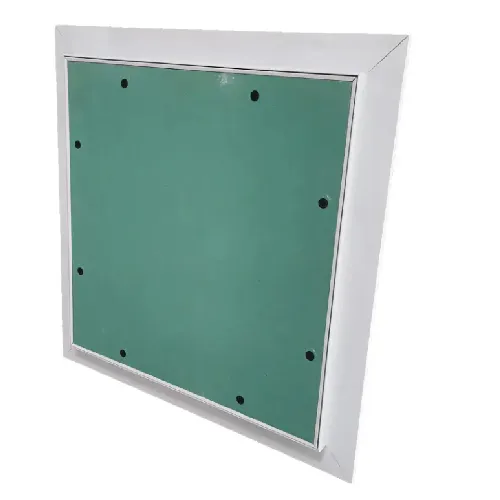
Simply put, a garage ceiling access panel is an opening—usually with a hinged or removable cover—built into the ceiling structure allowing quick and safe entry to the space above. This typically covers HVAC systems, electrical wiring, or plumbing components.
It’s basically a small door in the ceiling that prioritizes convenience without sacrificing aesthetics or structural integrity. In modern construction and humanitarian infrastructure, especially in quick-build shelters or modular workspace, this panel becomes a critical maintenance gateway.
Core Components of a Reliable Garage Ceiling Access Panel
1. Durability
Many engineers swear by steel or high-grade aluminum for the frame and panel itself to resist corrosion, wear, and fire. After all, garages are exposed to humidity, temperature swings, and sometimes chemical fumes.
2. Ease of Installation
No one wants a panel that requires weeks of retrofit work. Modern designs emphasize simplicity—often as a snap-in or screw-fastened component, saving labor costs while adding value.
3. Safety & Fire Ratings
Panels installed in garages or industrial zones often need to meet fire resistance standards (e.g., ASTM E119 or equivalent ISO standards). This consideration prevents fire spreading and aligns with local regulations.
4. Accessibility & Size Options
Sizes vary, from compact panels for simple cable runs to larger access portals for HVAC unit servicing. The trick is offering a panel large enough for the job yet discreet.
5. Aesthetics and Finish
While traditionally utilitarian, many garage panels now come with paintable surfaces, smooth edges, and minimal visual impact to suit modern design trends.
| Specification | Detail |
|---|---|
| Material | Galvanized Steel Frame + Powder Coated Aluminum Door |
| Size Range | 12" x 12" up to 24" x 36" |
| Fire Rating | 1-hour fire resistance (ASTM E119) |
| Mounting | Hinged or Removable Cover with Security Screws |
| Finish | Matte White (paintable) |
| Load Capacity | Up to 50 lbs static load |
Real-World Applications: How Garage Ceiling Access Panels Solve Practical Problems
Ever wondered how maintenance crews get those wires in older buildings or check electrical junctions in your industrial garage? That’s where the garage ceiling access panel shines. Beyond residential garages, commercial parking facilities, warehousing, and factories rely on these panels to avoid tearing down walls or ceilings just to reach critical infrastructure.
In developing regions, NGOs installing modular workspaces or emergency shelters also utilize simple ceiling panels for quick utility access, speeding up construction and repair times drastically. Post-disaster relief teams find that such ready-made access points reduce costly downtime and improve safety during repairs.
For example, in northern Europe, cold climates require frequent HVAC maintenance in garages. Access panels sized and rated for thermal insulation help technicians perform efficient seasonal checks without compromising the building envelope.
Mini takeaway: Durable, versatile, and easy to install, garage ceiling access panels cater to a surprising variety of needs worldwide.
Why Invest in a Quality Garage Ceiling Access Panel?
The benefits are more than just practical. You're investing in:
- Cost Savings: Reduced labor and repair downtime.
- Safety: Minimizing invasive maintenance lowers accident risks.
- Sustainability: Less waste through retrofit, fewer demolitions.
- Peace of Mind: Knowing that inspections or upgrades are hassle-free.
It's like having a secret tunnel to your garage’s infrastructure—except a lot more elegant. Personally, I've noticed how facility managers rave about the trust these panels bring ... knowing they won't face ‘no-access’ surprises.
Future Trends & Smart Innovations
The future is bright—and smarter. Analog access doors are slowly giving way to digitally integrated versions. Imagine panels showing you internal environmental data, or locking/unlocking remotely via building automation systems. Eco-friendly materials—recyclable composites or sustainably sourced aluminum—are gaining traction, aligning with global green construction goals (check ISO 14001 on environmental management).
Also, rapid installation kits and modular panels that adapt to irregular ceiling structures are hit innovations, especially in retrofits or historical buildings. Automated fire-sealing technology embedded in panels may soon activate in emergencies, reducing human intervention.
Common Challenges & How Experts Overcome Them
Despite their small scale, garage ceiling access panels face typical installation headaches:
- Leaks and Air Infiltration: Poor seals can impact climate control.
- Structural Compatibility: Older buildings sometimes struggle to support retrofit panels.
- Security Concerns: Easy access points can mean potential intrusion.
Experts recommend weatherproof gaskets, reinforced mounting frames, and security screws or locks. Regular inspection protocols and choosing certified product lines help overcome these hurdles effectively.
| Vendor | Price Range | Material | Customization | Notable Feature |
|---|---|---|---|---|
| Xingyuan Ceilings | $$ | Aluminum + Steel | Wide Size Range, Color Options | Paintable Finish, Quick Install |
| PanelPro Systems | $$$ | Stainless Steel | Custom Fire Ratings | High Load Capacity |
| EcoAccess Panels | $ | Recycled Composite | Limited Size, Green Focus | Eco-Friendly Materials |
FAQ: Your Top Garage Ceiling Access Panel Questions Answered
How easy is it to install a garage ceiling access panel myself?
Most panels designed for garages are DIY-friendly, often requiring just basic tools. However, the complexity can rise depending on your ceiling material and access point location. Always ensure safety and check local codes. For best results, professional installation ensures compliance and long-term reliability.
What size should I choose for my garage ceiling access panel?
It depends on what you want to access. Small panels (12”x12”) handle simple cable inspections well, while HVAC servicing or plumbing often requires larger sizes (around 24”x36”). It’s best to consult your maintenance professionals for precise sizing.
Are garage ceiling access panels fire-rated?
Many panels on the market meet fire resistance standards, typically allowing 1-hour fire protection. This is essential for garages with furnaces or electrical panels inside. Always verify certification when purchasing.
Can I paint or decorate the panel to match my ceiling?
Absolutely. Panels with powder-coated or white matte finishes are often paintable. Just use appropriate paints recommended by manufacturers to avoid damaging the panel surface.
Where can I buy a reliable garage ceiling access panel?
Trusted providers include Xingyuan Ceilings, who offer a range of size and material options suitable for various needs worldwide. Local building suppliers and online marketplaces also stock them, but sourcing from specialists ensures quality and compliance.
Conclusion: A Small Panel With Long-Term Gains
Garage ceiling access panels are among those unsung heroes of building maintenance and industrial design. They might seem minor but save exorbitant costs, enhance safety, and add convenience that you’ll appreciate every time a repair or inspection is due. The future will no doubt bring smarter, greener, and more integrated versions — but even today, integrating a simple access panel is a win.
Curious to see which model fits your project best? Visit https://www.xingyuanceilings.com for detailed product options, expert advice, and quick-ship solutions.
References
-
Benefits and Guide of Mineral Fiber Ceiling Board for InteriorsNewsApr.16,2026
-
Modern Mineral Fiber Ceiling Solutions for Acoustic PerformanceNewsApr.09,2026
-
Mineral Fibre Board Ceiling vs Gypsum Board A Comprehensive Comparison GuideNewsApr.07,2026
-
Comprehensive Guide to Mineral Fiber Ceiling Specification and PerformanceNewsApr.04,2026
-
What Are Mineral Fiber Ceiling Tiles Made Of And Their ApplicationsNewsMar.31,2026
-
Exploring the Benefits of Suspended Mineral Fibre Ceiling Systems for Modern BuildingsNewsMar.28,2026