
Dec . 03, 2025 10:26 Back to list
Comprehensive Guide to Laying Out Drop Ceiling Grid: Global Trends, Techniques & Highlights
Understanding the Art of Laying Out Drop Ceiling Grid: A Global Perspective
At first glance, laying out drop ceiling grid might seem like a niche topic reserved for architects, engineers, or facility managers. But frankly, this seemingly simple process touches many sectors worldwide, affecting how buildings function, how energy-efficient they remain, and how comfortable and safe occupants feel inside them. From large commercial offices to community healthcare centers in developing regions, a well-planned drop ceiling grid is pivotal.
Globally, the construction industry is booming with a projected market value of over $12 trillion by 2030, according to the World Bank. Within that vast number, ceiling systems play an essential role in sustainability and indoor environment quality. Yet, challenges persist—ensuring ease of installation, maintenance, and durability remain top concerns that laying out drop ceiling grid techniques help solve.
Why Does Laying Out Drop Ceiling Grid Matter?
Simply put, the drop ceiling grid acts as the invisible backbone of many interior spaces. It supports tiles, lighting fixtures, HVAC vents, and other utilities, contributing to acoustical control and energy efficiency. Done right, it streamlines installation and future maintenance, saving costs and headaches down the line.
Laying out drop ceiling grid becomes more than just “hanging things overhead.” It is a precision task requiring thoughtful measurement, planning, and understanding of material properties. Oddly enough, it bridges aesthetics with utility more than many realize.What Exactly Is Laying Out Drop Ceiling Grid?
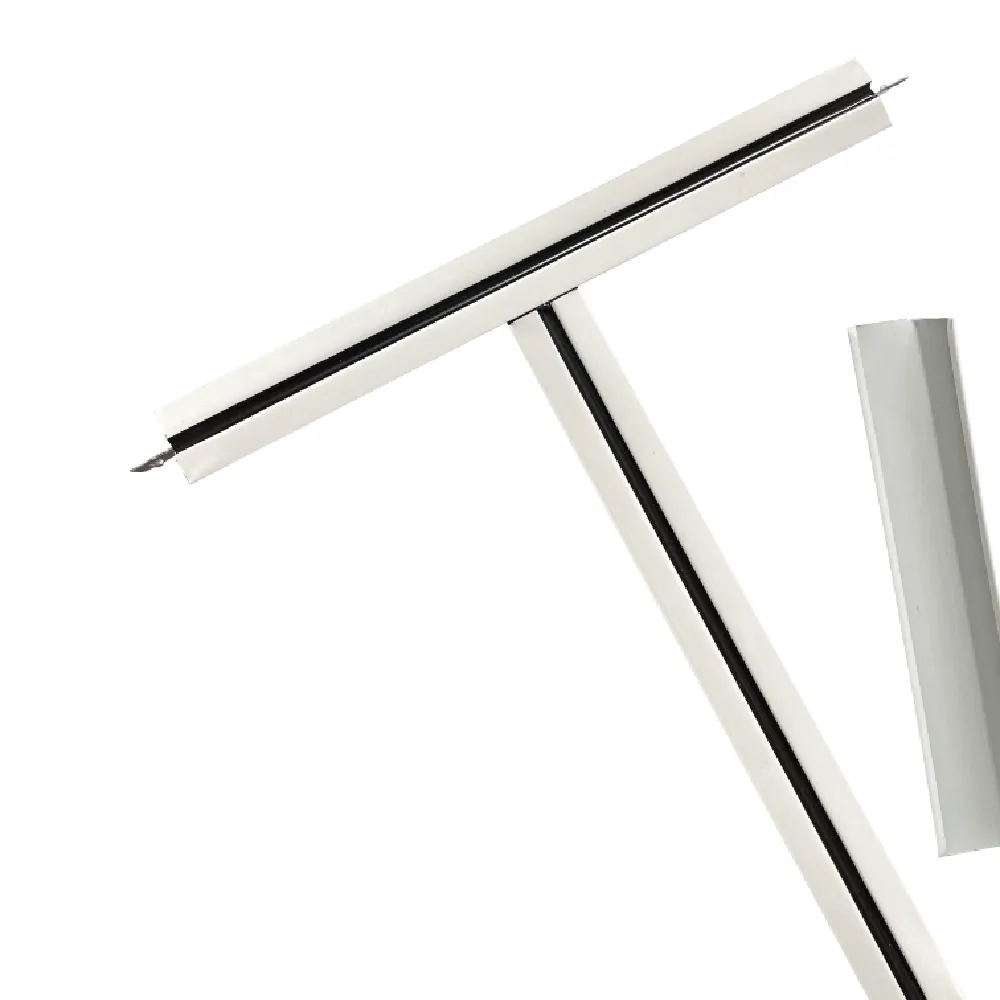
In straightforward terms, laying out drop ceiling grid refers to the process of installing the metal framework suspended from the building’s structural ceiling, which holds up the ceiling tiles or panels. This grid generally comprises main runners, cross tees, splices, and wall angles that come together to create a uniform matrix.
This matrix supports ceiling elements like light fixtures, smoke detectors, and air diffusers, while also allowing easy access for maintenance. Modern industries rely on this system not just for aesthetics, but also for practical reasons like fire safety compliance, soundproofing, and energy-saving insulation.
On a humanitarian scale, drop ceiling grids are vital in quickly constructed facilities—think emergency clinics or schools in post-disaster zones—where rapid yet reliable installation is crucial.
Key Factors in Laying Out Drop Ceiling Grid
1. Precision and Measurement
Getting the measurements right is almost an art form. Small miscalculations can lead to uneven tiles, difficulty installing fixtures, or alignment issues. Engineers often emphasize the importance of using laser levels and detailed blueprints during layout.
2. Material Durability
The metals used (usually galvanized steel or aluminum) must resist corrosion, especially in humid or industrial environments. Durability here translates to fewer replacements and less downtime.
3. Scalability and Modularity
A benefit of drop ceiling grids is their modular design. Sections can be added or removed with relative ease—perfect for expanding office spaces or retrofitting buildings for new technology.
4. Cost Efficiency
While initial installation costs vary depending on grid quality and ceiling height, the long-term maintenance savings often outweigh them. In many industrial projects, this is a decisive factor.
5. Acoustic Performance
Well-laid grids contribute to superior sound control by ensuring tiles fit snugly and reduce echo in large spaces—important in schools, hospitals, and open-plan offices.
Mini Takeaway:
- Successful drop ceiling grid layout balances precision, durability, modularity, cost, and acoustics to meet practical needs.
- Understanding these pillars makes a difference between a ceiling that supports, and one that frustrates.
Global Applications & Use Cases of Drop Ceiling Grid Layout
Across continents, from North American tech campuses to Asian hospitals and African educational centers, laying out drop ceiling grid is foundational.
- Post-Disaster Relief: In emergency shelters and clinics after natural disasters, quick assembly of drop ceiling grids allows interiors to be both safe and functional without long delays.
- Industrial Plants: In remote mining or manufacturing facilities where environmental conditions challenge material resilience, selecting and laying out the grid carefully ensures longevity.
- Commercial Office Spaces: In cities with booming commercial real estate, efficiency in ceiling grid layout directly impacts project timelines and budgets.
For example, a healthcare center near Jakarta incorporated an innovative drop ceiling grid that enhanced airflow and supported modular equipment—boosting patient comfort and staff efficiency.
Advantages & Long-Term Value of Good Ceiling Grid Layout
Good ceiling grid layout isn’t just an engineering checkbox. It offers:
- Cost Savings: Reduced labor for installation and maintenance, fewer replacements.
- Environmental Sustainability: Often paired with recyclable materials and reflective tiles, improving energy usage.
- Social Impact: Better indoor environments promote health and well-being.
- Reliability & Safety: Supports fire sprinklers and emergency systems reliably.
Emotionally, it’s reassuring to know that overhead structures won’t fail suddenly, contributing to a sense of safety—a somewhat intangible but very real comfort.
Future Trends & Innovations in Drop Ceiling Grid Layout
Tech is moving fast. Upcoming trends include:
- Smart Ceilings: Integrating sensors for air quality, temperature, or occupancy into ceiling grids.
- Eco-Friendly Materials: Bio-based or recycled metals and tiles.
- Automated Installation Tools: Using laser guidance and robotics for faster, more precise grid laying.
Some manufacturers are experimenting with lightweight composites that combine strength and sustainability—oddly enough, they may one day replace traditional steel entirely.
Challenges & Solutions in Drop Ceiling Grid Layout
Despite benefits, there are challenges:
- Complex Layouts: Buildings with unusual shapes or numerous fixtures can complicate grid design.
- Material Limitations: High humidity or corrosive environments may limit material choices.
- Skilled Labor Shortage: In many regions, experienced installers are hard to find.
Solutions involve early-stage digital modeling, selecting hybrid materials, and investing in training programs. For example, augmented reality apps now assist workers in visualizing and marking grid layouts onsite.
Product Specification Table: Typical Drop Ceiling Grid Components
| Component | Material | Standard Size | Weight (per meter) | Corrosion Resistance |
|---|---|---|---|---|
| Main Runner | Galvanized Steel | 3660 mm | 1.5 kg | High |
| Cross Tee | Aluminum | 1220 mm / 610 mm | 0.8 kg | Medium |
| Wall Angle | Galvanized Steel | 3000 mm | 1.2 kg | High |
Vendor Comparison Table: Popular Ceiling Grid Suppliers
| Supplier | Material Options | Lead Time | Price Range | Sustainability Certification |
|---|---|---|---|---|
| Xingyuan Ceilings | Galvanized Steel, Aluminum | 2-3 weeks | $$ | ISO 14001 |
| GlobalGrid Inc. | Steel, Composite | 3-5 weeks | $$$ | LEED Certified |
| EcoGrid Solutions | Recycled Metals, Aluminum | 4 weeks | $$$ | Cradle to Cradle |
FAQs About Laying Out Drop Ceiling Grid
1. How important is precision when laying out a drop ceiling grid?
Precision is critical. Misalignment can cause uneven ceiling tiles, difficulty installing lighting fixtures, and ultimately increases maintenance costs. Using laser levels and detailed plans greatly improves outcomes.
2. Can drop ceiling grids be installed in moist or humid environments?
Yes, but you must select corrosion-resistant materials like galvanized steel or specially coated aluminum. Proper sealing and ventilation also help improve longevity in humid spaces.
3. What factors affect the overall cost of installing a drop ceiling grid?
Material choice, ceiling height, complexity of layout, and labor availability impact cost. While cheaper materials exist, investing in quality pays off with lower maintenance and longer durability.
4. Are there sustainable options for drop ceiling grids?
Absolutely. Many manufacturers now offer grids made from recycled metals and certified sustainable materials. Sustainability certifications like ISO 14001 or LEED provide assurance.
5. How can new digital tools aid in laying out drop ceiling grids?
Tools like CAD software and augmented reality apps assist in precise measurements and planning, reducing errors and speeding up installation timelines.
In Conclusion: Why Prioritize Laying Out Drop Ceiling Grid?
At the end of the day, a well-executed drop ceiling grid layout is a quiet hero in building design. It supports infrastructure, enables functionality, and ultimately enhances occupant experience in countless ways. For anyone managing or building interior spaces, investing time and care in this process yields long-term value—cost savings, sustainability, and peace of mind.
If you want to explore high-quality products and professional guidance on best practices, please visit us at Xingyuan Ceilings. Whether you’re upgrading an office or constructing a new facility, laying out the drop ceiling grid thoughtfully sets the foundation for success.
Reflecting on this, I suppose what strikes me most is the blend of craftsmanship and technology involved—a reminder that even overhead grids are no small matter in the built environment.
References:
-
Benefits and Guide of Mineral Fiber Ceiling Board for InteriorsNewsApr.16,2026
-
Modern Mineral Fiber Ceiling Solutions for Acoustic PerformanceNewsApr.09,2026
-
Mineral Fibre Board Ceiling vs Gypsum Board A Comprehensive Comparison GuideNewsApr.07,2026
-
Comprehensive Guide to Mineral Fiber Ceiling Specification and PerformanceNewsApr.04,2026
-
What Are Mineral Fiber Ceiling Tiles Made Of And Their ApplicationsNewsMar.31,2026
-
Exploring the Benefits of Suspended Mineral Fibre Ceiling Systems for Modern BuildingsNewsMar.28,2026