
Dec . 03, 2025 10:06 Back to list
Laying Out Ceiling Grid: Essential Guide to Design, Application & Trends
Demystifying Laying Out Ceiling Grid: The Backbone of Modern Spaces
When you walk into an office, a school, or even a hospital, the ceiling often goes unnoticed — until it needs fixing or remodeling. But the way a ceiling grid is laid out actually plays a crucial role in how safe, aesthetic, and functional that space becomes. Worldwide, the practice of laying out ceiling grid defines more than just the look; it ties into building codes, acoustics, lighting integration, and even fire safety. So understanding this seemingly mundane process is actually pretty vital, especially as urban spaces grow denser and demand smarter, sustainable interiors.
A Global Perspective: Why Care About Ceiling Grids?
The global construction sector is booming, with the World Bank estimating it to contribute over 13% to GDP in many countries. Within this, interior finishes—like ceilings—account for a significant slice of construction budgets and environmental footprint. A poorly planned ceiling grid leads to costly repairs, energy waste, and occupant discomfort. Oddly enough, even in disaster-prone regions rebuilding efforts prioritize proper laying out ceiling grid to comply with international standards such as ISO 9001 for quality management and ISO 14001 for environmental impact. So it’s more than just metal frames—it’s a backbone supporting modern human environments.
What Exactly Is Laying Out Ceiling Grid?
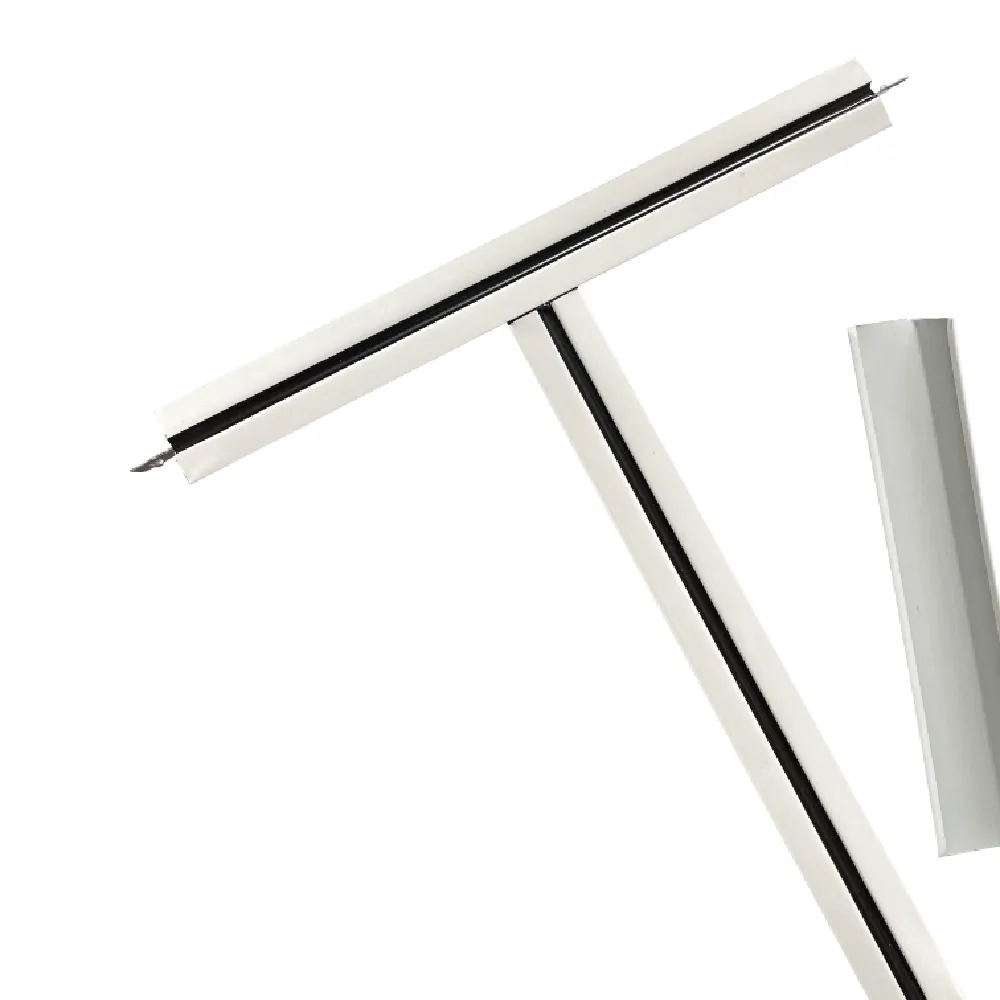
At its simplest, laying out a ceiling grid means designing and installing a network of metal tracks that support ceiling tiles, lights, HVAC vents, and other fixtures. Think of it as creating a modular, structured “skeleton” for suspended ceilings. This framework supports acoustical panels while allowing easy access above for maintenance. In many ways, it’s like piecing together a giant puzzle where precision, material choice, and installation method define the durability and appearance of the entire ceiling system.
In industrial or humanitarian contexts, a well-laid ceiling grid allows rapid deployment of functional interior spaces—from makeshift hospitals to temporary schools—ensuring safety and comfort despite tight constraints.
Core Components of Ceiling Grid Layout
1. Precision & Alignment
For the grid to support ceiling panels seamlessly, measurements must be exact. Misalignments can leave tiles loose or visible gaps affecting both aesthetics and functionality.
2. Material Durability
Most grids use galvanized steel or aluminum for corrosion resistance and strength. This choice influences longevity, especially in humid or industrial environments.
3. Scalability & Modular Design
Ceiling grids are designed with versatility in mind — from tiny offices to sprawling airport terminals. Modular tracks and connectors allow flexibility to expand or reconfigure spaces.
4. Cost Efficiency
Balancing budget constraints with quality means selecting grid systems that minimize waste and installation time without compromising durability.
5. Integration with Building Systems
The grid must accommodate lighting fixtures, sprinklers, smoke detectors, and HVAC vents without complicated retrofit work, thus facilitating ongoing maintenance.
Mini takeaway: Getting these factors right from the start saves plenty of headaches later.
Global Applications & Real-Life Examples
- Commercial Buildings: In urban centers like New York and Tokyo, ceiling grid layouts support complex lighting and acoustics for open-plan offices.
- Post-Disaster Relief: NGOs set up temporary classrooms and clinics quickly with prefabricated ceiling grids to ensure safety and hygiene.
- Industrial Zones: Remote factories in Southeast Asia rely on durable ceiling grids resistant to moisture and dust for worker health.
- Healthcare Facilities: Hospitals worldwide use grids to facilitate sterile environments and quick access for equipment changes.
Product Specification Table: Typical Ceiling Grid System
| Component | Material | Dimension | Weight (per m) | Finish |
|---|---|---|---|---|
| Main Runner | Galvanized Steel | 3600 mm length | 1.6 kg | Zinc-coated |
| Cross Tee | Aluminum Alloy | 1200 mm length | 0.9 kg | Powder Coated White |
| Wall Angle | Steel | 3000 mm length | 0.7 kg | Zinc-plated |
Comparing Leading Ceiling Grid Vendors
| Vendor | Material | Custom Options | Delivery | Sustainability |
|---|---|---|---|---|
| GridCo | Galvanized Steel & Aluminum | High (cut-to-fit, finishes) | Worldwide, 2-4 weeks | ISO 14001 Certified |
| CeilMax | Aluminum Only | Medium (standard sizes) | Regional, 1-3 weeks | Recycled Materials Used |
| BuildGrid | Steel with Anti-Rust Coating | Low (bulk standard packs) | Global, 3-5 weeks | ISO 9001 Quality Focus |
Advantages & The Long Game
Reliable ceiling grids aren’t just a one-time benefit — they pay dividends over years. Economically, they reduce installation and maintenance costs by offering modularity. Socially, they improve occupant well-being through better sound control and lighting integration. And frankly, it feels reassuring when a ceiling “just works,” especially in sensitive environments like classrooms or healthcare centers.
Environmentally, choosing recyclable metals and sustainable finishes is becoming the norm, supporting global green building certifications like LEED and BREEAM. The emotional side? Safe, well-designed ceilings evoke trust and dignity in those who work or live under them. You rarely hear about an impressive ceiling, but you definitely notice one when it’s not done right.
Future Trends & Innovations in Ceiling Grids
- Smart Ceilings: Integration of IoT sensors for air quality, lighting, and occupancy detection.
- Green Materials: Biodegradable or recycled aluminum and steel alloys reducing carbon footprint.
- Automated Installation: Robotics and AI-powered tooling speeding up layout precision.
- Energy-Optimized Designs: Grids supporting solar panels, LEDs, and passive cooling.
These innovations promise to make laying out ceiling grids not just faster but smarter and more sustainable.
Challenges & How Experts Tackle Them
Common issues include inaccurate measurements leading to alignment problems, corrosion in humid climates, and difficulty integrating with legacy building systems. To solve these, engineers emphasize rigorous site surveying, use premium coatings resistant to moisture, and design adaptable grid connectors compatible with various fixtures.
Also, training installers to understand the nuances of a project helps prevent costly reworks. Frankly, a good ceiling grid installer is worth their weight in gold — or steel, in this case.
FAQ: Frequently Asked Questions About Laying Out Ceiling Grid
- Q1: How do I ensure my ceiling grid is correctly aligned?
- A1: Precision starts at measurement. Use laser levels and trusted layout techniques, double-check all dimensions before fixing the grid. Hiring experienced installers minimizes errors.
- Q2: Are aluminum ceiling grids better than steel?
- A2: Aluminum is lighter and corrosion-resistant, ideal for humid environments. Steel tends to be stronger and cost-effective. The choice depends on the building’s needs and budget.
- Q3: Can ceiling grids support heavy fixtures like HVAC units?
- A3: Standard grids support lightweight panels, but heavy fixtures require reinforcement or suspension from the main structure, not just the grid.
- Q4: How environmentally friendly are typical ceiling grids?
- A4: Many grids now use recycled metals and eco-friendly coatings. Look for ISO 14001 certification or vendors emphasizing sustainability for greener choices.
- Q5: Where can I find standards for ceiling grid installation?
- A5: Industry standards from ISO, ASTM, and local building codes provide guidelines on grid layouts, fire safety, and material specs. Consulting these ensures compliance.
Wrapping Up: Why Properly Laying Out Ceiling Grid Matters
In a nutshell, mastering the art and science of laying out ceiling grid is more than just construction jargon. It’s about creating spaces that function reliably, look good, and stand the test of time and environment. Whether you’re building a skyscraper, a community center, or a temporary relief shelter, the ceiling grid is foundational. So next time you glance upward, you might just appreciate the complex, thoughtful framework holding it all together.
Interested in learning more or getting custom solutions? Visit our website: Xingyuan Ceilings to explore our offerings.
Let’s give a little credit to the quiet hero of interiors — the ceiling grid.
References:
1. International Organization for Standardization (ISO) - iso.org
2. World Bank Construction Sector Data - worldbank.org
3. LEED Green Building Guidelines - usgbc.org
-
Benefits and Guide of Mineral Fiber Ceiling Board for InteriorsNewsApr.16,2026
-
Modern Mineral Fiber Ceiling Solutions for Acoustic PerformanceNewsApr.09,2026
-
Mineral Fibre Board Ceiling vs Gypsum Board A Comprehensive Comparison GuideNewsApr.07,2026
-
Comprehensive Guide to Mineral Fiber Ceiling Specification and PerformanceNewsApr.04,2026
-
What Are Mineral Fiber Ceiling Tiles Made Of And Their ApplicationsNewsMar.31,2026
-
Exploring the Benefits of Suspended Mineral Fibre Ceiling Systems for Modern BuildingsNewsMar.28,2026