
Dec . 03, 2025 10:44 Back to list
Comprehensive Guide to Office Ceiling Grid Systems | Design, Applications & Innovations
Understanding the Office Ceiling Grid: What It Is and Why It Matters Globally
At first glance, an office ceiling grid might seem like just another part of building infrastructure—something you barely notice unless you’re installing or repairing it. But, frankly, it plays a crucial role in the design, functionality, and sustainability of modern office environments worldwide. From air circulation and lighting integration to aesthetic appeal and acoustics, office ceiling grids are quietly underpinning how we experience our workspaces. As urban centers expand and sustainability targets tighten globally, understanding these frameworks isn’t just helpful—it’s essential.
Introduction: The Global Relevance of Office Ceiling Grids
According to the United Nations, over half the world’s population now lives in urban areas, a figure expected to reach 68% by 2050 (UN, 2018). This rapid urbanization means more commercial buildings, more renovations, and more demand for efficient, sustainable building materials and designs. The office ceiling grid system, crucial to suspended ceiling construction, addresses challenges related to modularity, maintenance, and energy efficiency. With ISO 9001 standards emphasizing quality management in construction products, it’s no surprise that ceiling grids are evolving beyond mere support frameworks to integral components influencing lighting, HVAC, and fire safety systems.
Yet, many buildings still face issues like poor air circulation, difficult maintenance access, and outdated acoustic insulation—problems that thoughtfully designed ceiling grids can mitigate. So why does this matter to global industries and workers? Because office ceiling grids directly impact productivity, comfort, and even employee well-being.
Defining the Office Ceiling Grid
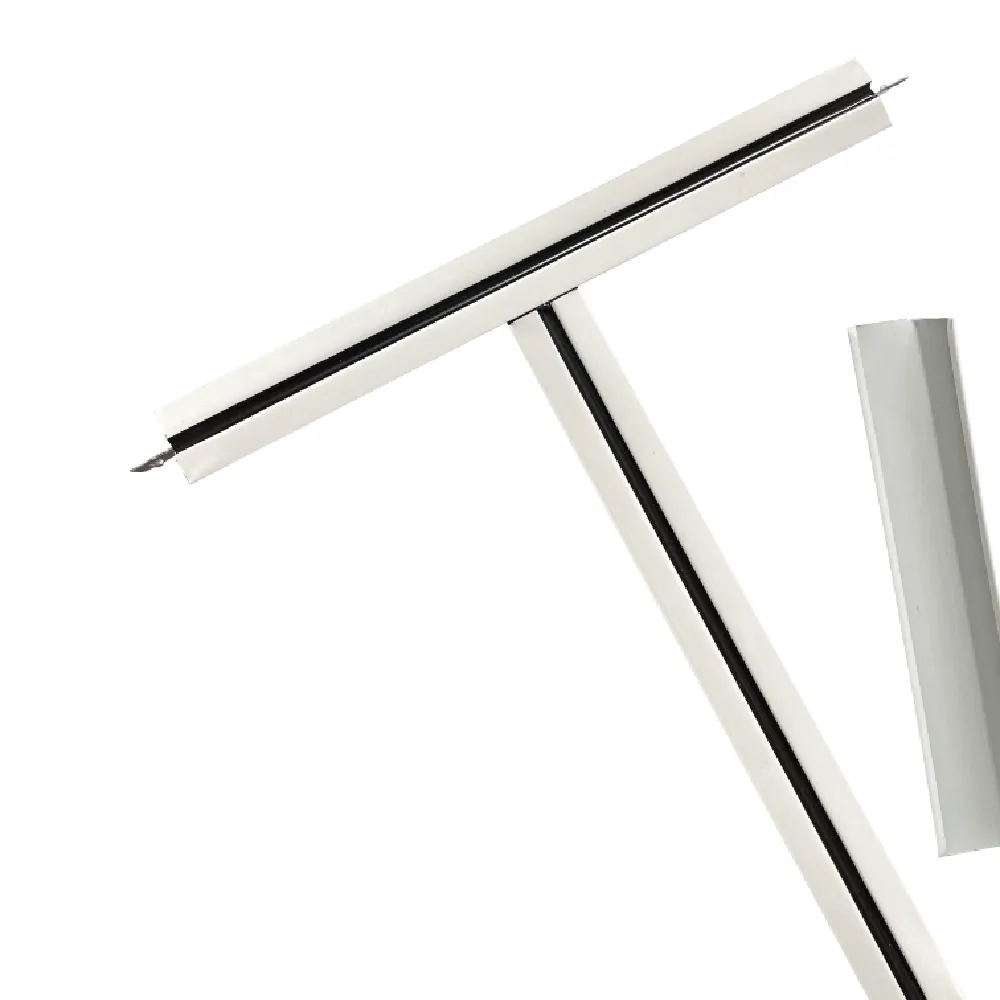
Simply put, an office ceiling grid is a framework—typically made of lightweight metal like aluminum or steel—that supports ceiling tiles, lighting fixtures, and other embedded systems, creating a suspended ceiling below the structure’s main roof. You could think of it as the skeleton beneath the ceiling tiles, making the whole setup modular, accessible, and customizable.
This system enables easier installation and maintenance of critical building components like air ducts, cables, and sprinklers without disturbing occupants—a huge advantage for busy offices and commercial buildings aiming to minimize downtime.
Key Factors of an Effective Office Ceiling Grid
1. Durability and Material Quality
The choice of metal alloys and coatings often determines how long a ceiling grid lasts, especially in humid or corrosive environments. For instance, galvanized steel grids resist rust, making them particularly popular worldwide. I’ve noticed that brands with powder-coated finishes tend to maintain their aesthetic longer, an unexpected bonus when you want your office looking sharp and modern.
2. Modularity and Scalability
One standout feature of office ceiling grids is how easy it is to customize or scale them up. Whether you’re converting a single office or an entire floor, grids allow for various tile sizes (commonly 2’x2’ or 2’x4’) and integration of different fixtures. This modularity means less waste and quicker building upgrades.
3. Acoustic Performance
In open-plan offices, noise control is critical to productivity. Certain ceiling grid systems support acoustic tiles that absorb sound and reduce echo. Oddly enough, many engineers emphasize that choosing the right combination of grid and tile can make or break the work environment.
4. Cost Efficiency
Because ceiling grids simplify access to mechanical, electrical, and plumbing systems, they lower maintenance costs over the building’s lifespan. Moreover, their relatively low installation costs compared to full-height walls or permanent ceiling constructions make them attractive to companies juggling budgets.
5. Environmental Sustainability
With increasing focus on green building certifications like LEED, ceiling grids incorporating recycled materials or those contributing to better energy efficiency are rising in demand. Integrating LED fittings into the grid system reduces power consumption, while grids that facilitate improved air circulation also support HVAC efficiency.
Product Specifications of a Typical Office Ceiling Grid
| Specification | Details |
|---|---|
| Material | Galvanized Steel / Aluminum |
| Grid Module Sizes | 2' x 2' or 2' x 4' |
| Finish | Powder Coated / Galvanized |
| Load Capacity | Up to 20 kg per tile section |
| Fire Rating | Class A (depends on tile materials) |
| Typical Lifespan | 15-20 years with proper maintenance |
Applications and Real-World Use Cases
Office ceiling grids are ubiquitous but often go unnoticed. In regions like North America and Europe, they're standard in commercial office spaces, healthcare facilities, and educational buildings. Emerging economies in Asia are rapidly adopting ceiling grid technology to upgrade outdated infrastructure.
For example, in post-disaster reconstruction zones, such as parts of Southeast Asia after typhoons, modular ceiling grids facilitate quick rebuilding of office spaces for humanitarian and administrative functions, enabling organizations to get back on track faster. Similarly, in remote industrial zones—think mining sites in Australia or oil rigs in the Middle East—grids help organize essential utilities and support lighting tailored to harsh conditions.
Vendor Comparison: Popular Office Ceiling Grid Manufacturers
| Vendor | Material | Finish Options | Eco-Friendly Certified | Price Range |
|---|---|---|---|---|
| Xingyuan Ceilings | Galvanized Steel | Powder Coated, Anodized | Yes (ISO 14001) | $$ |
| GlobalGrid Systems | Aluminum Alloy | Standard Powder Coat | Partial | $$$ |
| EcoCeil Solutions | Recycled Steel | Eco-Friendly Paints | Yes (LEED Compliant) | $$$ |
Advantages and Long-Term Value of Office Ceiling Grid
The advantages extend beyond simple practicality. Cost-wise, the modular nature of office ceiling grids means faster installation and easier maintenance access. In the long run, this translates to thousands saved in labour and downtime costs. Sustainability-wise, many grids now incorporate recycled metals, aligning with global pushes toward circular economies. Emotionally, employees benefit too – thoughtfully designed suspended ceilings improve lighting quality and noise levels, which fosters better focus and comfort. It’s easy to overlook such "behind-the-scenes" systems, but trust me, they affect workplace happiness more than you’d guess.
Future Trends & Innovations
The future’s looking bright for office ceiling grids. For one, green building initiatives push innovation toward materials with lower carbon footprints and higher recyclability. Smart ceiling grids integrated with IoT sensors can monitor air quality, lighting preferences, or temperature variations, stepping beyond their traditionally passive role. There are even concepts for grids that adapt dynamically—altering tile placement for optimized airflow or acoustics depending on real-time data. It’s sort of thrilling to see what was once “just support” become a hub for digital transformation in architecture.
Challenges and Solutions
That said, not everything’s perfect. A common challenge is ensuring grids meet fire safety standards while remaining lightweight and aesthetically pleasing. Also, some older buildings face compatibility issues when upgrading to modern grids. Experts often recommend thorough site assessments and considering hybrid solutions (like combining rigid grids with flexible tile materials) to address this. Also, ongoing innovation in corrosion-resistant coatings helps extend grid lifespan, especially in humid or coastal regions.
FAQ: Frequently Asked Questions About Office Ceiling Grid
- Q: How easy is it to install or replace an office ceiling grid?
A: Installation is generally straightforward, thanks to the modular, drop-in design. Licensed technicians can typically complete installations or tile replacements within hours, minimizing office disruptions. - Q: What materials are best for humid environments?
A: Galvanized steel with powder-coat finishes is preferred for resisting rust in humid or coastal offices. Aluminum options also perform well but can be pricier. - Q: Can office ceiling grids support integrated lighting and HVAC?
A: Absolutely. One major advantage is how grids accommodate embedded LED lights, air conditioning vents, and sprinkler heads, enabling seamless building system coordination. - Q: Are sustainable or recycled materials used in these grids?
A: Yes, many vendors offer eco-friendly grids made with recycled metals and sustainable finishing processes, assisting buildings in achieving green certifications. - Q: Where can I find reliable suppliers for office ceiling grids?
A: Trusted manufacturers such as Xingyuan Ceilings provide quality, certified grids suitable for various climates and project scales.
Conclusion + Call to Action
In a nutshell, the humble office ceiling grid is an unsung hero of modern office design. It supports not only ceilings but the intersecting needs of comfort, sustainability, efficiency, and safety. Over the long term, investing in high-quality grids saves money, enhances human well-being, and helps buildings meet evolving environmental standards. If you’re considering upgrades or new builds, I’d say it’s worth taking a closer look at the ceiling grids you choose.
For more insights and premium office ceiling grid solutions, feel free to visit our website: https://www.xingyuanceilings.com.
Small takeaway: Next time you glance up at an office ceiling, remember it’s not just decoration—it’s the backbone of a better workspace.
- United Nations Population Division, World Urbanization Prospects, 2018
- International Organization for Standardization (ISO 9001 Quality Management)
- Leadership in Energy and Environmental Design (LEED) Certification
-
Benefits and Guide of Mineral Fiber Ceiling Board for InteriorsNewsApr.16,2026
-
Modern Mineral Fiber Ceiling Solutions for Acoustic PerformanceNewsApr.09,2026
-
Mineral Fibre Board Ceiling vs Gypsum Board A Comprehensive Comparison GuideNewsApr.07,2026
-
Comprehensive Guide to Mineral Fiber Ceiling Specification and PerformanceNewsApr.04,2026
-
What Are Mineral Fiber Ceiling Tiles Made Of And Their ApplicationsNewsMar.31,2026
-
Exploring the Benefits of Suspended Mineral Fibre Ceiling Systems for Modern BuildingsNewsMar.28,2026