
Dec . 02, 2025 08:30 Back to list
Comprehensive Guide to Sheetrock Ceiling Access Panels: Features, Uses, and Future Trends
Understanding the Sheetrock Ceiling Access Panel: A Practical Guide
At first glance, a sheetrock ceiling access panel might seem like a niche product — just a simple door in your ceiling, right? But if you dig a little deeper, you quickly realize it’s a vital element in modern construction, maintenance, and even sustainability that quietly supports everything from global infrastructure to everyday comfort. And really, knowing how these panels work and why they matter can save time, reduce costs, and improve safety in countless buildings worldwide.
Global Context and Why It Matters
Globally, construction and maintenance are massive industries that impact energy use, safety, and urban planning. According to the United Nations, nearly 55% of the world’s population lives in urban areas, a figure expected to rise to 68% by 2050. That means buildings are becoming denser, and the demand for efficient, accessible maintenance options grows with them. This is where sheetrock ceiling access panels come in — enabling safe and easy access to electrical systems, plumbing, and HVAC units hidden above ceilings. Without these, inspections and repairs would be far more complicated, costly, and potentially hazardous.
So why highlight such a specific product? Well — according to ISO standards on building safety and environmental efficiency, proper access panels not only support safer maintenance but also help optimize energy consumption by making insulation and ventilation inspections easier. Phooey on complicated ceiling removals, right?
What Is a Sheetrock Ceiling Access Panel?
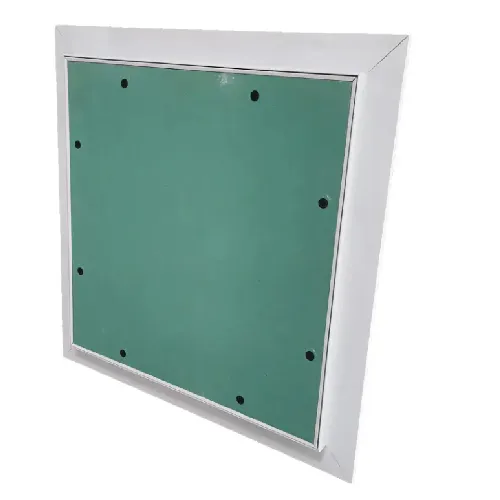
Simply put, a sheetrock ceiling access panel is a removable or hinged panel integrated into drywall ceilings, designed to provide discreet access to concealed structural or mechanical infrastructure. Think of it as a “secret door” that lets electricians or plumbers crawl through without tearing half the ceiling down. It’s an industry mainstay, used extensively in commercial buildings, hospitals, residential complexes, and industrial facilities.
In humanitarian contexts — like emergency housing or rapid response facilities — these panels offer modular convenience and flexibility, allowing maintenance teams quick entry without disrupting fragile setups. They connect modern construction to practical needs: safety, efficiency, and minimal disruption.
Key Features of Sheetrock Ceiling Access Panels
Durability and Material Quality
Sheetrock panels are typically made from fire-rated gypsum board, lightweight metals, or composite materials. Durability is critical; you want panels that withstand repeated opening while maintaining airtight seals, which help temperature control. Some variants have reinforced steel frames, which prevents warping and offers added security.
Ease of Installation
Since construction timelines are tight, installers often prefer panels that “drop in” neatly with minimal finishing. Kits with pre-cut frames make it easier for builders to incorporate them during drywall installation rather than retrofitting after the fact.
Size and Accessibility
Panels come in various dimensions — standard sizes like 12”x12”, 18”x18”, or custom sizes are common. The size dictates what equipment or pipes can be accessed, so matching panel size to building needs is key.
Fire and Safety Ratings
Especially in commercial buildings, fire-rated access panels are mandatory per local building codes. Some panels come with UL certifications, indicating their resistance to fire spread, which adds peace of mind.
Finish and Aesthetics
After all, no one wants a giant ugly square in their ceiling. Paintable finishes, flush mounting, and options that allow the panel to blend invisibly with your ceiling’s texture are increasingly popular.
Product Specifications at a Glance
| Feature | Standard Panel | Fire Rated Panel | Metal Frame Panel |
|---|---|---|---|
| Material | Gypsum Board | Fire-Resistant Gypsum + Steel | Aluminum Frame + Composite Panel |
| Size Options | 12”x12”, 18”x18” | 12”x12”, 24”x24” | Custom |
| Fire Rating | None | Up to 90 minutes | Up to 60 minutes |
| Finish | Paintable | Paintable & Textured | Powder-Coated |
Mini takeaway: Choosing the right panel means balancing fire resistance, size, and finish to fit your building’s unique needs.
Comparing Leading Sheetrock Ceiling Access Panel Vendors
| Vendor | Product Range | Custom Options | Lead Time | Price Range |
|---|---|---|---|---|
| Xing Yuan Ceilings | Standard & Fire Rated Panels | Yes, sizes & finishes | 2–3 weeks | $$ |
| PanelCo | Mostly Standard Panels | Limited | 1–2 weeks | $ |
| BuildAccess Solutions | Wide Range, Including Custom Metal Frames | Extensive | 3–4 weeks | $$$ |
Mini takeaway: Selecting your vendor depends on budget, lead time, and how much customization you need.
Applications Across the Globe
These panels find use in everything from skyscrapers in New York to hospitals in Singapore and even remote research stations in Antarctica. For instance, in post-disaster relief shelters, quick-access panels allow NGOs to maintain electrical wiring or plumbing systems without damaging fragile temporary ceilings — a real lifesaver. On industrial sites, quick entry to HVAC systems via these panels prevents costly downtimes during maintenance checks.
Regions with extreme weather, such as Northern Europe or Japan, rely heavily on fire-rated versions that assure safety while meeting stringent building codes.
Why Choose Sheetrock Ceiling Access Panels? The Long-Term Value
- Cost Efficiency: Easy access means less labor time for repairs, which means less money out of pocket.
- Sustainability: Minimizing ceiling damage reduces waste and promotes green building practices.
- Safety & Compliance: Fire ratings and durable designs ensure ceilings remain safe during emergencies.
- Trust & Innovation: By investing in quality panels, buildings maintain integrity longer — reassuring occupants and insurers alike.
Looking Ahead: Trends and Innovations
Oddly enough, even something as simple as a ceiling access panel isn’t immune to innovation. Expect to see digitally integrated panels with sensors that alert maintenance when opened or detect temperature changes above ceilings. Materials engineered for better thermal insulation and automation-friendly designs are also gaining ground. And with sustainability pushing designs, recyclable materials and low-carbon manufacturing will become standard.
Current Challenges and How Experts Tackle Them
One common issue is drywall damage during installation – which can lead to uneven finishes or compromised panels. Many installers now use adjustable flange systems to reduce cutting errors. Ventilation is another challenge since sealed panels can trap moisture, but newer designs incorporate breathable membranes or gasket seals to prevent condensation buildup. In terms of security, some buildings require lockable access panels, a feature that’s becoming more widely adopted.
FAQ: Practical Questions About Sheetrock Ceiling Access Panels
Q1: How easy is it to install a sheetrock ceiling access panel during renovation?
A: Most panels are designed for straightforward installation, ideally integrated during drywall work. Retrofits are possible but may require cutting and finishing to maintain ceiling aesthetics. Look for panels with pre-finished edges and user-friendly frames to simplify the process.
Q2: Can these access panels be painted to match my ceiling?
A: Yes! Most manufacturers supply panels with paintable surfaces so you can seamlessly match ceiling colors or textures, making the panels virtually invisible once installed.
Q3: Are there panels suitable for damp or humid environments?
A: Absolutely. Panels with moisture-resistant gypsum or metal frames are ideal for spaces like bathrooms or basements. Always check fire and moisture ratings to ensure compatibility with your environment.
Q4: What fire ratings should I consider for commercial buildings?
A: Local building codes usually dictate fire ratings, but UL-listed panels with 60 to 90-minute fire resistance are common. Choosing a certified product is essential for compliance and insurance purposes.
Q5: How can I customize panel sizes for unique ceiling layouts?
A: Many vendors, including Xing Yuan Ceilings, offer custom sizing options. Provide your specifications early in the design process to avoid delays.
Wrapping It Up
Frankly, the humble sheetrock ceiling access panel plays an outsized role in building maintenance, safety, and sustainability. By creating accessible, durable, and often invisible portals within ceilings, these panels make the invisible visible — and the inaccessible, manageable. Next time you enter a modern building, you might just appreciate the small door overhead that keeps it all running smoothly.
If you want to explore quality options or request a custom panel, visit Xing Yuan Ceilings for trusted products that balance function and style.
In short: The right ceiling access panel can save you headaches and dollars over years — a small investment with surprisingly big benefits.
References
-
Benefits and Guide of Mineral Fiber Ceiling Board for InteriorsNewsApr.16,2026
-
Modern Mineral Fiber Ceiling Solutions for Acoustic PerformanceNewsApr.09,2026
-
Mineral Fibre Board Ceiling vs Gypsum Board A Comprehensive Comparison GuideNewsApr.07,2026
-
Comprehensive Guide to Mineral Fiber Ceiling Specification and PerformanceNewsApr.04,2026
-
What Are Mineral Fiber Ceiling Tiles Made Of And Their ApplicationsNewsMar.31,2026
-
Exploring the Benefits of Suspended Mineral Fibre Ceiling Systems for Modern BuildingsNewsMar.28,2026