
Dec . 02, 2025 07:15 Back to list
Essential Guide to 30 x 30 Ceiling Access Panels: Specs, Benefits & Trends
Understanding the 30 x 30 Ceiling Access Panel: A Practical Overview
In facilities management, construction, and maintenance, the 30 x 30 ceiling access panel plays a surprisingly critical role, even if it often goes unnoticed. Frankly, these access points are the unsung heroes that ensure smooth inspections, repairs, and upgrades in buildings around the world. From commercial offices to healthcare centers, understanding the design, benefits, and applications of these panels can save time, money, and headaches.
Why the 30 x 30 Ceiling Access Panel Matters Globally
Globally, maintenance and building safety have risen on the priority radar—especially as urbanization accelerates. According to the United Nations' UN Habitat reports, proper infrastructure upkeep is key to sustainable cities and safe workplaces. A ceiling access panel sized 30 inches by 30 inches is arguably the most efficient size for practical access without compromising aesthetics.
That size (about 76 x 76 cm) offers just enough room for technicians to perform essential tasks, such as wiring inspections, HVAC filter replacement, or fire safety checks while minimizing disruption. Oddly enough, something as simple as choosing the right access panel can reduce long-term repair costs by preventing hidden damage, so it’s definitely worth understanding.
What Is a 30 x 30 Ceiling Access Panel?
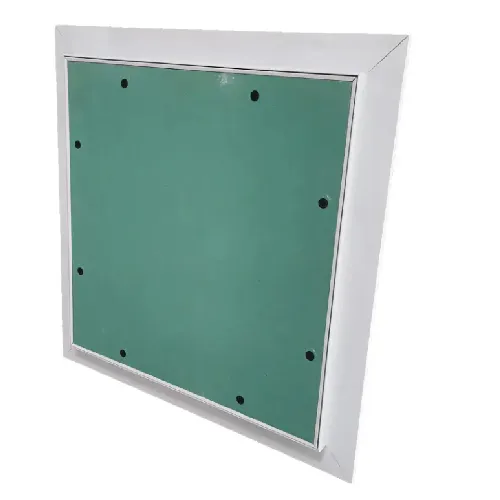
Put simply, a 30 x 30 ceiling access panel is a prefabricated opening with a removable cover, usually installed flush into a ceiling grid or drywall. It allows easy entry to plenum spaces, mechanical components, or electrical conduits hidden above ceilings without tearing down existing structures.
In modern industries—and even humanitarian or institutional settings—these panels ensure quick and safe maintenance access, supporting uninterrupted operations. You might find them in hospitals, airports, or even modular disaster relief shelters where quick access matters for reliability.
Key Factors to Consider
Durability
Access panels often contend with dust, humidity, and repeated use. Manufacturers typically use galvanized steel or aluminum to ensure panels resist corrosion and hold their shape over years. A durable panel means fewer replacements and less downtime.
Security and Safety
Some access panels include lock options or tamper-resistant features to prevent unauthorized entry—important in healthcare, industrial, or data center settings where sensitive equipment is housed.
Aesthetic Integration
It’s not just about function. Modern panels come with paintable surfaces or designs that blend with ceiling tiles. For projects where appearance counts, a well-matched access door keeps ceilings uniform.
Ease of Installation
Manufacturers design these panels to fit standard ceiling grids (like 2x2 or 2x4 foot tiles) with minimum effort—sometimes even snap-in without tools. This minimizes labor time, reducing installation cost.
Weight and Handling
Panels should be light enough for one person to handle comfortably but sturdy enough to avoid accidental bending during maintenance routines.
Typical Specifications of a 30 x 30 Ceiling Access Panel
| Specification | Details |
|---|---|
| Panel Size | 30” x 30” (approx. 76 x 76 cm) |
| Material | Galvanized Steel or Aluminum |
| Finish | Primer or Paintable White Powder Coat |
| Opening Mechanism | Hinged Door or Removable Cover |
| Load Rating | Light Duty (Typically up to 50 lbs) |
| Locking Options | Optional Locks Available |
Vendor Comparison: Popular Ceiling Access Panels
| Brand | Material | Security Features | Aesthetic Options | Price Range |
|---|---|---|---|---|
| SecurePanel Pro | Aluminum | Lock Included | White, Grey, Custom Paint | $$$ |
| MaxAccess | Galvanized Steel | Optional Lock | Standard White | $$ |
| QuickFit Panels | Plastic Composite | No Lock | Paintable Surface | $ |
Global Applications and Use Cases
These panels are everywhere—from North American office towers to hospitals in Europe and modular buildings in Asia. In post-disaster relief operations, for example, quick ceiling access can be vital to check electrical systems without tearing apart fragile temporary structures. Similarly, in remote industrial zones, maintenance crews use 30 x 30 ceiling access panels to regularly inspect HVAC units and wiring, minimizing costly outages.
Even in data centers, where uptime is crucial, these panels offer technicians stealthy and safe access to overhead cabling runs, helping avoid human errors and downtime. Basically, wherever reliable infrastructure meets space constraints, these access panels prove indispensable.
Advantages & Long-Term Value
- Cost Efficiency: By reducing the need for destructive access, they prevent repair costs and downtime.
- Sustainability: Durable materials lead to longer service life and less frequent replacements.
- Safety: Secure locking options protect sensitive areas, giving building managers peace of mind.
- Aesthetics: Seamless integration maintains visual consistency, important in commercial buildings.
- Trust: Reliable access means inspections truly get done on schedule—vital for compliance.
In real terms, these small panels play a surprisingly big role in operational reliability and tenant satisfaction alike.
Emerging Trends and Innovations
Looking ahead, manufacturers are exploring smart access panels integrated with sensors to monitor if panels are opened or to track environmental conditions like humidity behind ceilings. Some are experimenting with eco-friendly materials—recycled aluminum or composites—to reduce carbon footprints. Plus, quick-snap installation systems are enhancing modular construction techniques.
Digital transformation even extends to inventory and supply chain management of these panels, with QR codes and RFID tags to streamline maintenance logistics.
Challenges & Solutions
One common challenge is ensuring universal fit. Even a nominal 30 x 30 panel might not perfectly align with all ceiling grids, causing installation hiccups. The solution? Vendors increasingly offer adjustable frame options and custom sizing services. Another limitation is balancing durability with lightness—too heavy and installers struggle; too light and panels warp.
Innovative coatings and composite reinforcements help tackle this. Finally, security can be a tricky balance—locks add safety but also slow emergency access. Smart locks with quick override functions are a promising fix here.
FAQ: Frequently Asked Questions About 30 x 30 Ceiling Access Panels
- What materials are best for 30 x 30 ceiling access panels in moist environments?
- Aluminum and galvanized steel are preferred for moisture resistance, as they don’t rust easily. Powder coatings also add extra protection, making these panels ideal for bathrooms, kitchens, or industrial areas with humidity.
- Can I paint my ceiling access panel to match the room?
- Yes, most access panels are paintable with water-based paints. It's best to use lightweight paint to avoid adding weight that might affect door closure. Often, panels come pre-primed for easy finishing.
- How do I ensure the 30 x 30 panel fits my existing ceiling grid?
- Always measure your ceiling grid dimensions precisely. Many manufacturers offer adjustable frame panels or custom sizes. Consulting installation guides or speaking with a supplier can prevent mismatch issues.
- Are there fire-rated 30 x 30 ceiling access panels available?
- Yes, fire-rated panels comply with building codes for fire safety and use special materials or insulation. They’re essential in commercial or multi-unit residential properties to contain spread.
- How secure are locking ceiling access panels?
- Locks can vary from simple keyed cylinders to tamper-proof mechanisms. Choose based on your security needs; for high-risk zones, opt for panels with certified security locks that still allow emergency override.
Conclusion and Call to Action
Overall, the 30 x 30 ceiling access panel offers a balanced solution meeting most access, security, and aesthetic needs across many industries. They enhance maintenance efficiency and support building longevity — a subtle but crucial detail in modern infrastructure.
If you’re planning a project or looking to upgrade, consider diving deeper into the options available. Visit our website for quality panels and expert advice: 30 x 30 ceiling access panel.
Taking this small step today can result in easier, safer maintenance tomorrow.
Quick Takeaway: The humble 30 x 30 ceiling access panel is a backbone element for modern building maintenance, blending practicality with durability and versatility.
-
Benefits and Guide of Mineral Fiber Ceiling Board for InteriorsNewsApr.16,2026
-
Modern Mineral Fiber Ceiling Solutions for Acoustic PerformanceNewsApr.09,2026
-
Mineral Fibre Board Ceiling vs Gypsum Board A Comprehensive Comparison GuideNewsApr.07,2026
-
Comprehensive Guide to Mineral Fiber Ceiling Specification and PerformanceNewsApr.04,2026
-
What Are Mineral Fiber Ceiling Tiles Made Of And Their ApplicationsNewsMar.31,2026
-
Exploring the Benefits of Suspended Mineral Fibre Ceiling Systems for Modern BuildingsNewsMar.28,2026