
Nov . 19, 2025 18:30 Back to list
Comprehensive Guide to T Grid Ceiling Systems – Benefits & Trends
Understanding T Grid Ceiling: Why It Matters Across Industries
In many commercial and industrial buildings around the world, the ceiling is more than just an overhead surface; it’s a crucial part of the infrastructure that enables aesthetics, safety, and functionality. The t grid ceiling system is one of the most popular suspended ceiling frameworks used globally, appreciated for its versatility, ease of installation, and adaptability. Understanding what a t grid ceiling is, and why it’s so widely used can help architects, contractors, and facility managers make better-informed decisions with long-lasting benefits.
Virtually every modern office, school, hospital, or retail space either has or relies on some form of suspended ceiling to hide electrical wiring, HVAC ducts, and other infrastructure. The t grid ceiling system is essential here because it offers modularity and durability along with cost-efficiency — all critical for maintaining the global push toward efficient, sustainable construction.
Mini takeaway: The t grid ceiling isn't just a design feature; it’s a backbone of modern building interiors, delivering reliability and flexibility worldwide.
Why T Grid Ceilings Are Globally Relevant
According to the International Organization for Standardization (ISO), standards for ceiling systems, including suspended grids, ensure safety and uniform quality worldwide. The global construction market, estimated to grow to nearly $15 trillion by 2030 (World Bank data), heavily depends on reliable, scalable ceiling solutions — and this is where t grid ceilings shine. Whether in rapidly urbanizing regions or established industrial hubs, the t grid ceiling system offers a practical answer to the challenge of quickly erecting sturdy ceiling frameworks that accommodate future upgrades.
A major challenge in global construction projects, especially in post-disaster or developing regions, is the need for structures that are easy to install, repair, and customize without specialized tools. T grid ceilings help address this by enabling swift deployment and reducing labor costs, thus enabling faster rebuilds or renovations.
Mini takeaway: The t grid ceiling system is a preferred choice worldwide due to its adaptability to diverse and demanding construction environments.
What Exactly Is a T Grid Ceiling?
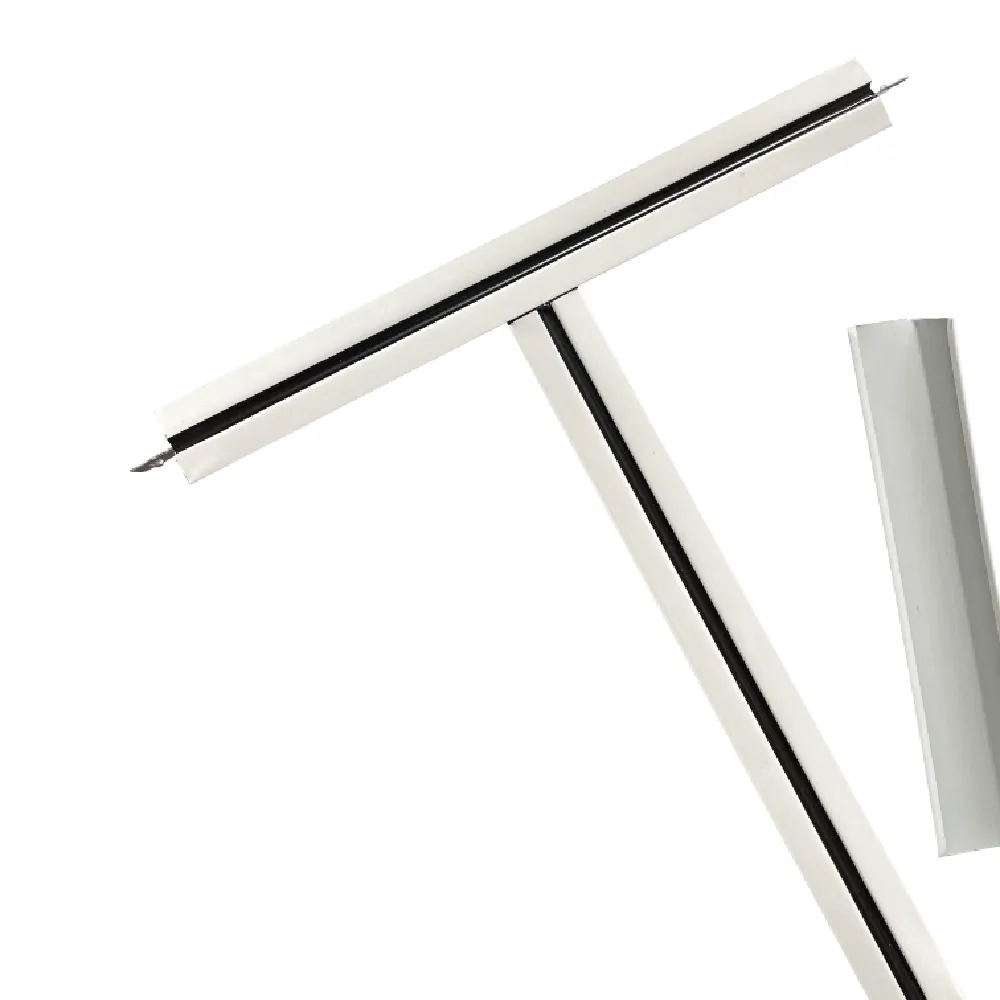
Simply put, a t grid ceiling is a suspended ceiling system composed of a network of metal bars shaped like the letter “T.” These bars form grids or panels that support ceiling tiles or panels, which can be made of various materials such as mineral fiber, metal, or gypsum.
The “T” shape in the grid is crucial because it allows easy interlocking and supports the weight evenly. This system enables quick installation, removal, or replacement of ceiling tiles — a huge advantage for maintenance or upgrading lighting, sprinklers, or air conditioning systems hidden above.
Mini takeaway: The t grid ceiling is a skeletal framework that holds ceiling tiles, combining strength with easy handling to meet modern industrial and humanitarian needs.
Key Features of the T Grid Ceiling System
1. Durability
The metal grid, often galvanized steel or aluminum, is designed to resist corrosion and carry the load of ceiling panels and accessories. Many engineers say a properly installed t grid can last decades with minimal upkeep, even in humid or variable environments.
2. Scalability and Modularity
One strength of the t grid ceiling is how modular it is. Builders can easily adjust the grid layout, insert different panel sizes, or integrate lighting and ventilation components without tearing down the whole ceiling. This flexibility saves time and money in both new buildings and renovations.
3. Cost Efficiency
Compared to full drywall ceilings or other solid ceiling types, t grid ceilings are faster to assemble and require less specialized labor. The materials themselves are affordable and widely available globally, which lowers project budgets significantly.
4. Aesthetic and Acoustic Options
T grid ceilings are not just functional; architects and designers can choose from a variety of ceiling tiles that offer acoustic absorption, fire resistance, or even anti-microbial properties, adapting them for office comfort or hospital hygiene standards.
Mini takeaway: These core features make the t grid ceiling an industry favorite — combining strength, flexibility, affordability, and design creativity.
Common Global Applications of T Grid Ceiling Systems
The beauty of the t grid ceiling system is its versatility, which finds use in many settings worldwide:
- Healthcare facilities: Hospitals and clinics depend on t grid ceilings for maintaining sterile environments with easy tile sanitation and ventilation access.
- Educational institutions: Schools and universities use t grid systems to meet acoustic standards and allow quick maintenance of lighting and technology lines.
- Corporate offices: Business campuses favor the aesthetic appeal and quick customization options.
- Industrial warehouses and remote construction sites: The ease of shipping and assembling t grid components makes them very suited to temporary or evolving infrastructure.
- Post-disaster relief housing: In emergency operations, t grid ceilings allow rapid assembly of shelters with safe, robust ceilings that protect from weather and debris.
Mini takeaway: From busy cities in Europe to rapidly growing towns in Asia and Africa, t grid ceilings enable resilient, adaptable environments for a wide range of uses.
Advantages and Long-Term Benefits of T Grid Ceilings
Beyond ease and speed of installation, t grid ceilings bring several sustained benefits—both practical and emotional:
- Cost savings: Reduced installation and maintenance costs free up budgets for other infrastructure investments.
- Sustainability: Many modern tiles use recycled materials or are designed for recycling, aiding green building certifications.
- Safety and Compliance: Fire-resistant and anti-microbial tile options support regulatory standards and occupant well-being.
- Trust and Confidence: Facility managers gain peace of mind from a reliable ceiling system that supports ongoing upgrades without disruption.
Mini takeaway: T grid ceilings aren’t just an expense but a long-term asset that improves function, safety, and sustainability.
What’s Next? Trends and Innovations in T Grid Ceiling Systems
As green construction and digital monitoring become mainstream, manufacturers and designers are innovating rapidly:
- Eco-friendly materials: Tiles made with lower VOCs (volatile organic compounds) and better fire safety profiles are gaining traction.
- Integrated smart ceilings: Sensors for air quality, temperature, or occupancy are being embedded, allowing buildings to optimize energy use.
- Automation and modular factories: Advances in prefab t grid manufacturing streamline production times and reduce waste.
Oddly enough, even as rooftops gain solar panels and smart sensors, t grid ceilings remain a quiet but essential part of the infrastructure that makes all this possible — supporting not only tiles, but also tech invisible to casual observers.
Mini takeaway: The future of t grid ceilings points toward smarter, greener, and more responsive indoor environments.
Facing Challenges Head-On: Solutions in T Grid Ceiling Industry
Of course, no system is perfect. Common concerns around t grid ceilings include susceptibility to damage from water leaks or impact, and sometimes the aesthetic limitations of traditional grid patterns.
However, many manufacturers now offer reinforced grids, moisture-resistant finishes, and diverse tile shapes that challenge the “boxy” stereotype. Proper building maintenance also ensures the grid remains intact — and modular panels are always simple to swap out if damaged.
Industry experts recommend combining t grid ceilings with comprehensive building monitoring systems to catch issues early and maintain longevity.
Mini takeaway: With the right materials and smart maintenance, the minor drawbacks of t grids become easy to overcome.
Product Specification Table: Typical T Grid Ceiling Components
| Component | Material | Dimensions | Finish | Load Capacity |
|---|---|---|---|---|
| Main Runner (T-Bar) | Galvanized Steel | 3600 mm length | Powder-coated white | Up to 15 kg/m |
| Cross Tee | Aluminum Alloy | 1200 mm length | Powder-coated white | Up to 10 kg/m |
| Wall Angle | Steel | 3000 mm length | Zinc-plated | Supports perimeter panels |
| Hanger Wire | Galvanized Steel Wire | 2.5 mm thickness | Galvanized | Supports entire grid weight |
Vendor Comparison: Choosing a T Grid Ceiling Supplier
| Vendor | Material Quality | Lead Time | Customization Options | Global Shipping |
|---|---|---|---|---|
| Xingyuan Ceilings | High-grade galvanized steel | 2–3 weeks | Fully customizable panel sizes & colors | Available worldwide |
| Global Grid Systems | Standard steel, less corrosion resistance | 4–6 weeks | Limited to standard sizes | Limited international shipping |
| EcoCeil | Recycled aluminum-based grid | 3–4 weeks | Moderate customization | Global focus, but higher shipping costs |
Frequently Asked Questions About T Grid Ceiling
1. How long does a typical t grid ceiling last in commercial buildings?
When properly installed and maintained, t grid ceilings can last 20–30 years or more. The metal grid’s corrosion resistance and tile quality greatly impact longevity. Regular inspections for water leaks ensure the system stays intact.
2. Can t grid ceilings be customized for unique architectural designs?
Absolutely. While standard sizes are common, vendors like t grid ceiling manufacturers often offer custom grid layouts, finishes, and tile options — allowing creative patterns and integrated lighting concepts.
3. Are t grid ceilings suitable for humid or industrial environments?
Yes. Specialized t grids with powder-coated or galvanized finishes resist moisture and corrosion. Additionally, moisture-resistant ceiling tiles further prolong system durability in challenging environments.
4. How do t grid ceilings support sustainability goals?
Many ceiling panels use recycled materials and are fully recyclable themselves. T grid systems require less energy and labor to install than traditional ceilings, lowering the carbon footprint for construction projects.
5. Is the installation process of t grid ceiling labor-intensive?
Compared to drywall or plaster ceilings, t grid ceilings are relatively quick to install, often requiring just basic hand tools and minimal skilled labor. This speeds up project timelines and reduces installation costs.
Conclusion: Why T Grid Ceilings Remain a Top Choice
To sum it up, the t grid ceiling system offers unmatched practicality in modern construction — marry that with affordable costs, sustainable options, and the convenience of maintenance, and you have a system that’s more than just functional; it’s foundational.
Whether you’re upgrading an office space, outfitting a hospital, or rapidly constructing post-disaster shelters, t grid ceilings provide a reliable, adaptable, and attractive ceiling solution.
Curious to explore what’s possible for your project? Check out t grid ceiling experts like Xingyuan Ceilings who offer both quality and customization globally.
References:
1. ISO Standards for Suspended Ceiling Systems
2. World Bank: Global Construction Market Growth
3. Wikipedia: Suspended Ceiling
-
Benefits and Guide of Mineral Fiber Ceiling Board for InteriorsNewsApr.16,2026
-
Modern Mineral Fiber Ceiling Solutions for Acoustic PerformanceNewsApr.09,2026
-
Mineral Fibre Board Ceiling vs Gypsum Board A Comprehensive Comparison GuideNewsApr.07,2026
-
Comprehensive Guide to Mineral Fiber Ceiling Specification and PerformanceNewsApr.04,2026
-
What Are Mineral Fiber Ceiling Tiles Made Of And Their ApplicationsNewsMar.31,2026
-
Exploring the Benefits of Suspended Mineral Fibre Ceiling Systems for Modern BuildingsNewsMar.28,2026