
Nov . 30, 2025 16:35 Back to list
Durable and Efficient Ceiling Inspection Panels for Safe Building Access
Ceiling Inspection Panel: Why It’s More Than Just a Simple Fixture
If you’ve ever had to check wiring, pipes, or HVAC systems hidden behind a ceiling, you already understand the value of a ceiling inspection panel. This seemingly modest component plays an outsize role in building maintenance, safety, and even global infrastructure resilience. As buildings get smarter and regulations tighten worldwide, understanding how these panels work—and why they matter—becomes a surprisingly vital topic. Whether you’re an engineer, architect, or facility manager, a deeper grasp can save time, money, and sometimes even lives.
The Global Importance of Ceiling Inspection Panels
Around the world, according to the International Organization for Standardization (ISO 9001 standards), building maintenance accounts for nearly 5-10% of operational budgets in commercial and residential properties. A big chunk of that effort goes into managing hidden infrastructure—usually through ceiling and wall access points. But here’s the rub: without proper inspection panels, those tiny crawl spaces could turn into costly trouble spots.
In fact, the United Nations Human Settlements Programme (UN-Habitat) recently highlighted accessibility as a core factor in building safety and sustainability. Access panels help with everything from fire-safety checks to rapid repairs after natural disasters. In short, a simple panel can contribute to global efforts in urban resilience and disaster preparedness. For industries managing domestic or humanitarian projects, these panels are crucial.
What Exactly Is a Ceiling Inspection Panel?
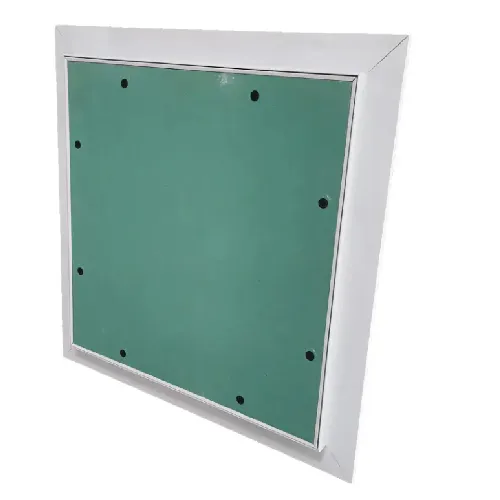
At its simplest, a ceiling inspection panel is an access door or removable section installed within a ceiling system. It allows maintenance workers, inspectors, or emergency responders to enter the space above the ceiling without dismantling the entire structure. Think of it as a hatch or small door that’s designed to blend in with the ceiling while providing quick, safe access to hidden utilities.
These panels come in a variety of styles—from flush-mounted metal doors suitable for industrial environments to insulated, fireproof designs for hospitals and schools. Modern architecture often integrates these panels not just for function, but also for aesthetic minimalism. In humanitarian efforts, quick-install ceiling inspection panels enable rapid rebuilding and essential infrastructure checks.
Key Elements of Modern Ceiling Inspection Panels
Durability and Material Quality
Whether it’s a hospital or a power plant, you want panels that stand up to the environment. Many engineers prefer galvanized steel, aluminum, or even specialized composites that resist corrosion and warping. Durability reduces the frequency and cost of replacements — and frankly, nobody wants a rusty flap dropping mid-inspection.
Ease of Access and Installation
The whole point is to grant quick entry, so lightweight materials, magnetic frames, or tool-free locking mechanisms are becoming standard. Faster installation also means lower labor costs, which is a big deal on large projects with dozens of panels.
Fire and Acoustic Ratings
In certain buildings, panels need to meet strict fire-resistance criteria (like meeting ASTM E119). Acoustic insulation is another plus in commercial settings, stopping unwanted noise from leaking between rooms through inspection points.
Custom Sizes and Integration
No two projects are exactly alike — and ceiling grids or plaster are all different. Vendors often provide customizable panels tailored to different ceiling tile dimensions, thicknesses, or finishes. This adaptability ensures the panel won’t stand out like a sore thumb.
Security and Tamper Resistance
In government buildings or data centers, inspection panels with locking options and reinforced frames prevent unauthorized entry—offering peace of mind alongside function.
| Feature | Specification | Notes |
|---|---|---|
| Material | Galvanized Steel / Aluminum / Composite | Depends on environment & budget |
| Standard Sizes | 300x300 mm, 450x450 mm, custom | Most popular tiles sizes supported |
| Fire Rating | Up to 2 hours (per ASTM E119) | Optional for fire-sensitive buildings |
| Acoustic Rating | STC 40+ | Helps noise control in offices & labs |
| Locking Type | Magnetic latch / Key lock / Tool-free | Varies by security needs |
Global Uses: From Remote Mines to Hospitals
You might imagine ceiling inspection panels as mundane fixtures in office buildings or schools, but they pop up everywhere. In industrial hubs—say, the mining regions of Australia or Canada—they protect costly automation systems and electrical lines. In hospitals across Europe, specially rated panels ensure safety while allowing staff to quietly access utilities.
Oddly enough, during disaster relief in the Asia-Pacific region, modular structures often feature these panels for rapid inspection and repair. Many NGOs rely on them when setting up emergency clinics or shelters, because they combine ease of installation with critical access.
Also, governments in the US and EU are increasingly requiring inspection panels to meet green building certification standards like LEED, mandating lightweight and eco-friendly materials.
Vendor Comparison: Which Panels Lead the Pack?
| Vendor | Material Options | Custom Sizes | Fire Rating | Price Range (USD) |
|---|---|---|---|---|
| Xingyuan Ceilings | Steel, Aluminum, Composite | Yes, full customization | Up to 2 hours | 50 - 200 |
| AccessPro Panels | Aluminum Only | Limited | 1 Hour | 65 - 150 |
| SafeEntry Systems | Composite Panels | Yes, partial | 2 Hours | 70 - 210 |
Advantages of Using Ceiling Inspection Panels
- Cost Efficiency: No more breaking the ceiling to fix something.
- Sustainability: Helps extend the lifecycle of building infrastructure.
- Improved Safety: Easy access means timely fire and hazard inspections.
- Social Impact: Facilitates building repairs in emergency and disaster zones.
- Innovation and Trust: Modern panels support digital integration for smart buildings.
Looking Ahead: Trends and Innovations in Ceiling Inspection Panels
Innovation isn’t always flashy—sometimes it’s about making something you already use more compatible with new tech. Expect more panels embedded with RFID for asset tracking or Bluetooth sensors that alert when accessed. Materials are also trending toward stronger, lighter composites and even bio-based options aligned with circular economy goals.
Sustainability policies worldwide nudge manufacturers to reduce carbon footprints, so future panels might come with full recyclability certifications. Digital transformation means integrating these panels with building management systems, making remote inspections... possible. The future isn’t just open ceilings; it’s smart ceilings.
Challenges & Innovative Solutions
Sure, not everything’s perfect. Some panels lag behind in fire or acoustic ratings. Others cost more than project budgets allow. And installation can get tricky with older or irregular ceiling systems. But many vendors now offer modular, adaptable frames or retrofit kits that reduce labor headaches.
Expert advice? Prioritize panels certified by legitimate standards organizations, test samples onsite, and always consider future maintenance access upfront during design. It pays to remember that the smallest component often prevents the biggest headaches.
FAQ: Everything You Wanted to Know About Ceiling Inspection Panels
- What’s the average lifetime of a ceiling inspection panel?
- Most high-quality panels last 10-20 years, depending on material and environment. Regular maintenance and proper installation can extend this life significantly.
- Can ceiling inspection panels be customized for unusual ceiling types?
- Absolutely. Many manufacturers offer full customization to fit plaster, grid, or suspended ceilings, ensuring secure fitting and smooth appearance.
- Are these panels fire-resistant by default?
- No, fire ratings vary. You should request panels with certified fire resistance if the building codes require it, especially in public buildings and healthcare facilities.
- How do I maintain ceiling inspection panels to ensure longevity?
- Simple cleaning and periodic hardware checks suffice for most panels. Avoid water exposure and promptly repair damage to paint or coatings to prevent corrosion.
Wrapping Up: Why Ceiling Inspection Panels Matter for the Long Haul
It might seem almost invisible, tucked away above our heads, but the humble ceiling inspection panel is a linchpin in modern building safety and maintenance. From reducing downtime to helping meet sustainability goals, its value compounds over years. If you’re pondering solutions for a new build or retrofitting, investing in the right panel pays off in every way.
Ready to explore the latest in ceiling inspection panels? Visit our website to find detailed product options, custom solutions, and expert support for your project.
References
-
Benefits and Guide of Mineral Fiber Ceiling Board for InteriorsNewsApr.16,2026
-
Modern Mineral Fiber Ceiling Solutions for Acoustic PerformanceNewsApr.09,2026
-
Mineral Fibre Board Ceiling vs Gypsum Board A Comprehensive Comparison GuideNewsApr.07,2026
-
Comprehensive Guide to Mineral Fiber Ceiling Specification and PerformanceNewsApr.04,2026
-
What Are Mineral Fiber Ceiling Tiles Made Of And Their ApplicationsNewsMar.31,2026
-
Exploring the Benefits of Suspended Mineral Fibre Ceiling Systems for Modern BuildingsNewsMar.28,2026