
Sep . 02, 2025 04:20 Back to list
Durable Ceiling T Grid Systems for Easy Installation
Introduction to Ceilings T Grid Suspended Systems
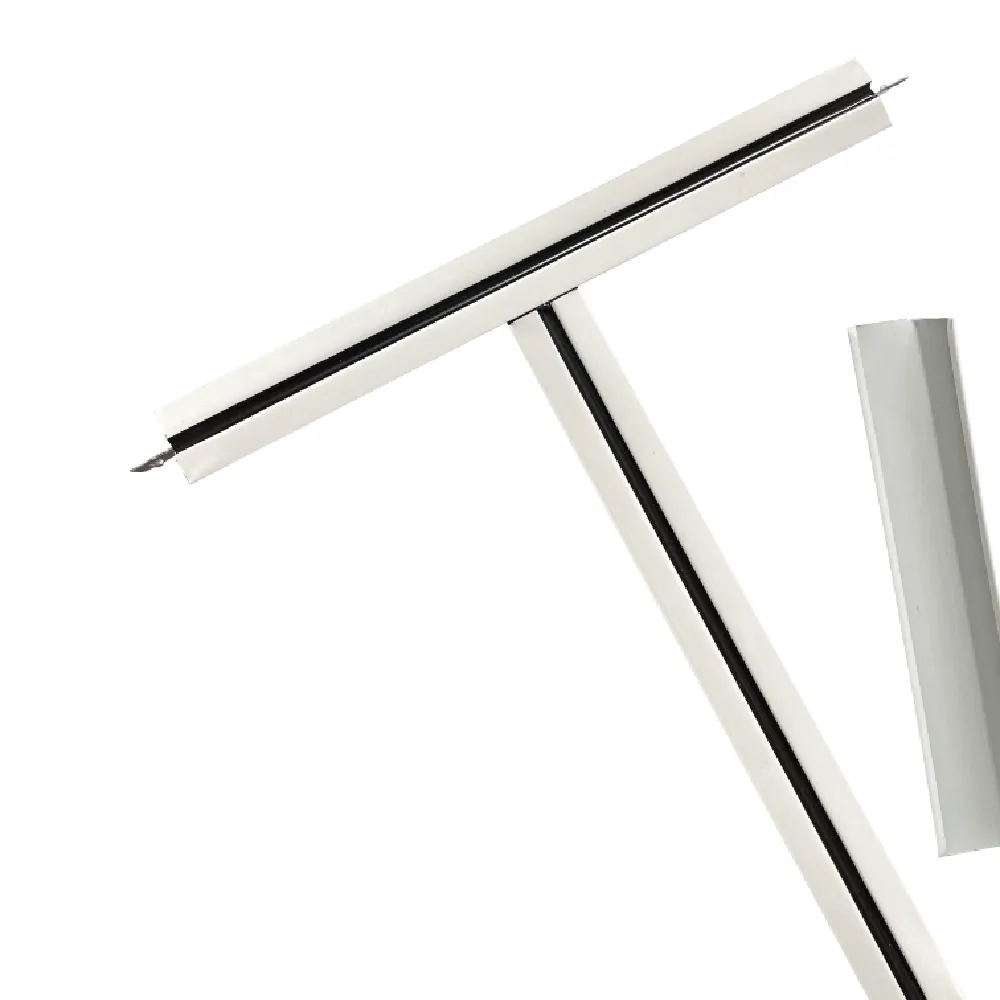
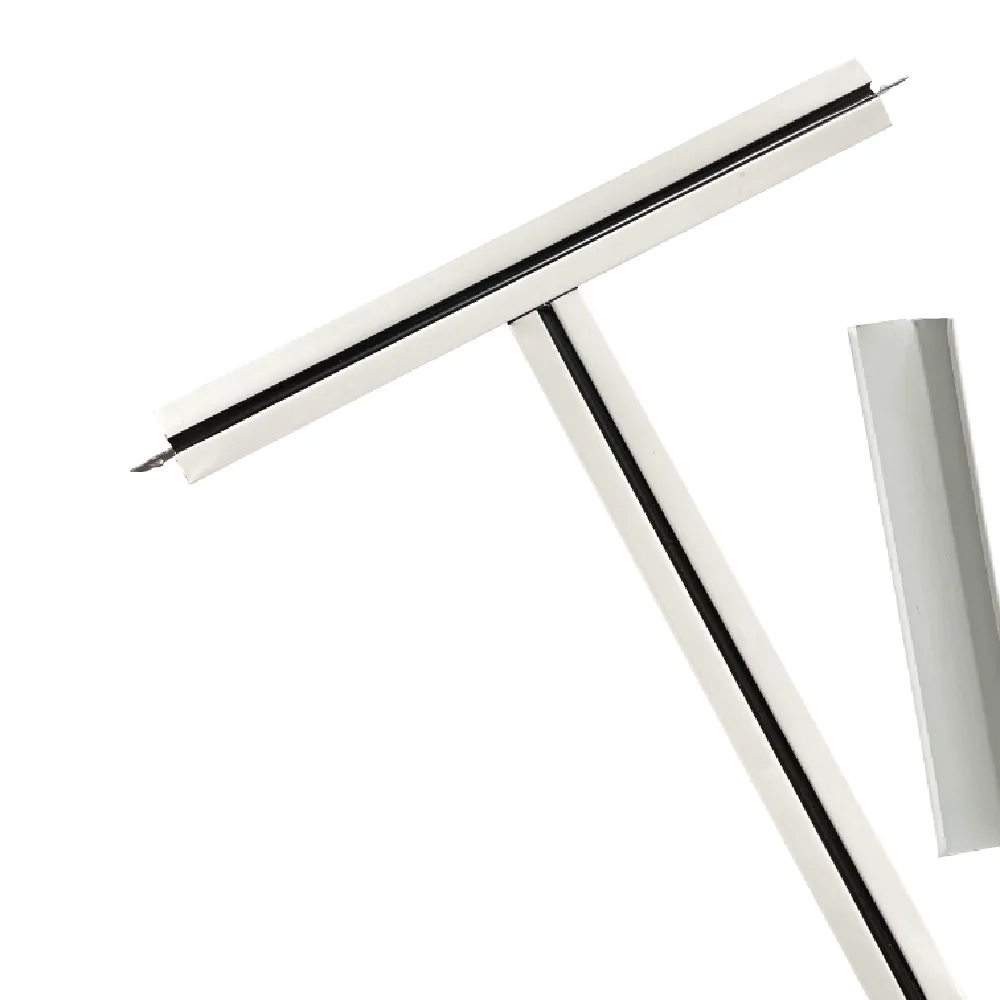
The modern architectural landscape heavily relies on robust and versatile ceiling suspension systems. Among these, the ceiling t grid system stands out as a foundational element, offering a practical and aesthetically pleasing solution for interior finishes. These systems, also known as suspended ceiling grids, form a framework to support acoustic panels, lighting fixtures, and other ceiling components, enabling easy access to the plenum space for maintenance and utility installation. Comprising main runners, cross tees, and wall angles, the t-grid system facilitates quick installation and provides a highly adaptable infrastructure for diverse commercial and industrial environments.
The innovation in grid ceiling material science has led to the development of components that are not only durable but also compliant with stringent safety and environmental standards. From galvanized steel to aluminum alloys, manufacturers are continually pushing boundaries to enhance performance, ease of use, and sustainability. Understanding the intricate details of these systems, from their manufacturing process to their application in specialized environments, is crucial for B2B decision-makers seeking optimal solutions for their construction projects.
Industry Trends and Market Outlook for Ceiling Grid Systems
The global market for ceiling suspension systems is experiencing steady growth, driven by increasing construction activities, particularly in commercial and institutional sectors. Key trends shaping the industry include:
- Sustainability and Green Building Initiatives: There is a rising demand for ceiling t grid systems manufactured from recycled content and those that contribute to LEED certification. Low-VOC coatings and materials that enhance indoor air quality are becoming standard.
- Enhanced Aesthetics and Customization: While functionality remains paramount, aesthetic appeal is gaining importance. Designers are seeking grids that can integrate seamlessly with various tile types, offering different profiles, colors, and finishes to meet bespoke architectural visions.
- Improved Performance Standards: Focus on seismic performance, enhanced fire ratings (e.g., ASTM E119), and superior corrosion resistance is intensifying, especially for critical infrastructure and demanding industrial applications.
- Integration with Smart Building Technologies: The cross tee ceiling framework is increasingly used to integrate smart lighting, HVAC sensors, and other IoT devices, requiring robust and accessible grid designs.
- Cost-Efficiency and Installation Speed: Manufacturers are innovating to reduce installation time and overall project costs. While drywall ceiling grid price remains a significant factor, the long-term value provided by durable, easy-to-install, and low-maintenance systems often outweighs initial cost considerations. The total cost of ownership, including the gridstone ceiling tile cost and labor, is a critical metric for buyers.
According to a recent market analysis by Grand View Research, the global suspended ceiling market size was valued at USD 2.3 billion in 2022 and is expected to grow at a compound annual growth rate (CAGR) of 6.3% from 2023 to 2030, driven by the increasing demand for fire-resistant and aesthetically appealing ceiling systems in commercial and industrial applications.
Manufacturing Process of ceiling t grid Suspended Systems
The production of high-quality ceiling t grid components involves a series of precision engineering steps, ensuring structural integrity, corrosion resistance, and ease of assembly. Xingyuan Ceilings adheres to strict ISO 9001 quality management standards throughout the entire process.
Process Flow Overview:
- Material Selection and Preparation:
- High-grade hot-dipped galvanized steel coils are typically selected for their superior strength and corrosion resistance (e.g., G30 or G60 galvanized coatings, meeting ASTM A653 standards). For specialized applications, aluminum alloys (e.g., 6063-T5) might be used.
- Coils are uncoiled, cleaned, and straightened to prepare for the roll-forming process.
- Roll Forming:
- The prepared metal strips are fed into a multi-stage roll-forming machine. This precision cold-forming technique gradually shapes the flat strip into the desired t-shaped profile for main runners and cross tees. The process ensures consistent dimensions and structural integrity.
- CNC machining controls the roll-forming process to maintain tight tolerances, critical for accurate grid interlocking and panel fit.
- Punching and Notching:
- Integrated punch presses create the precise slots and holes required for cross tee connections, hanger wire attachment, and seismic bracing. Automated systems ensure consistent spacing and hole alignment.
- Locking mechanisms (e.g., rotary stitch, quick-release clips) are formed during this stage.
- Surface Treatment and Coating:
- Components undergo a cleaning and pre-treatment process (e.g., phosphating) to enhance paint adhesion and further improve corrosion resistance.
- A high-performance polyester coil coating or powder coating is applied, often in white or custom colors, to provide a durable and aesthetically pleasing finish. This coating also enhances scratch and fade resistance.
- Curing and Cooling:
- Coated components are passed through ovens for curing, ensuring the coating bonds securely to the metal substrate.
- Cutting and Packaging:
- Finished profiles are cut to standard lengths (e.g., 12 ft for main runners, 4 ft and 2 ft for cross tees).
- Components are then bundled, labeled, and packaged according to project specifications, ready for shipment.
Testing Standards and Advantages:
All components undergo rigorous testing to comply with international standards such as ASTM C635 (Standard Specification for Manufacture, Performance, and Testing of Metal Suspension Systems for Acoustical Tile and Lay-in Panel Ceilings) and ASTM C636 (Standard Practice for Installation of Metal Suspension Systems for Acoustical Tile and Lay-in Panel Ceilings), as well as local building codes (e.g., ANSI, IBC). This ensures a service life often exceeding 25-30 years in standard conditions.
Advantages in Typical Application Scenarios:
- Energy Saving: The reflective properties of the grid's finish can contribute to better light distribution and reduce the need for excessive artificial lighting, especially when paired with high-LR (Light Reflectance) ceiling tiles.
- Corrosion Resistance: Crucial for target industries such as petrochemical plants, metallurgy facilities, and water supply & drainage systems where humidity, chemicals, and industrial emissions demand highly durable and resistant materials. The galvanized steel core with protective coatings ensures longevity and reduced maintenance in these harsh environments.
Technical Specifications and Parameters
The performance and suitability of a ceiling t grid system are defined by its technical specifications. Understanding these parameters is essential for engineers and project managers to ensure compliance with structural, safety, and functional requirements.
Key Components and Their Properties:
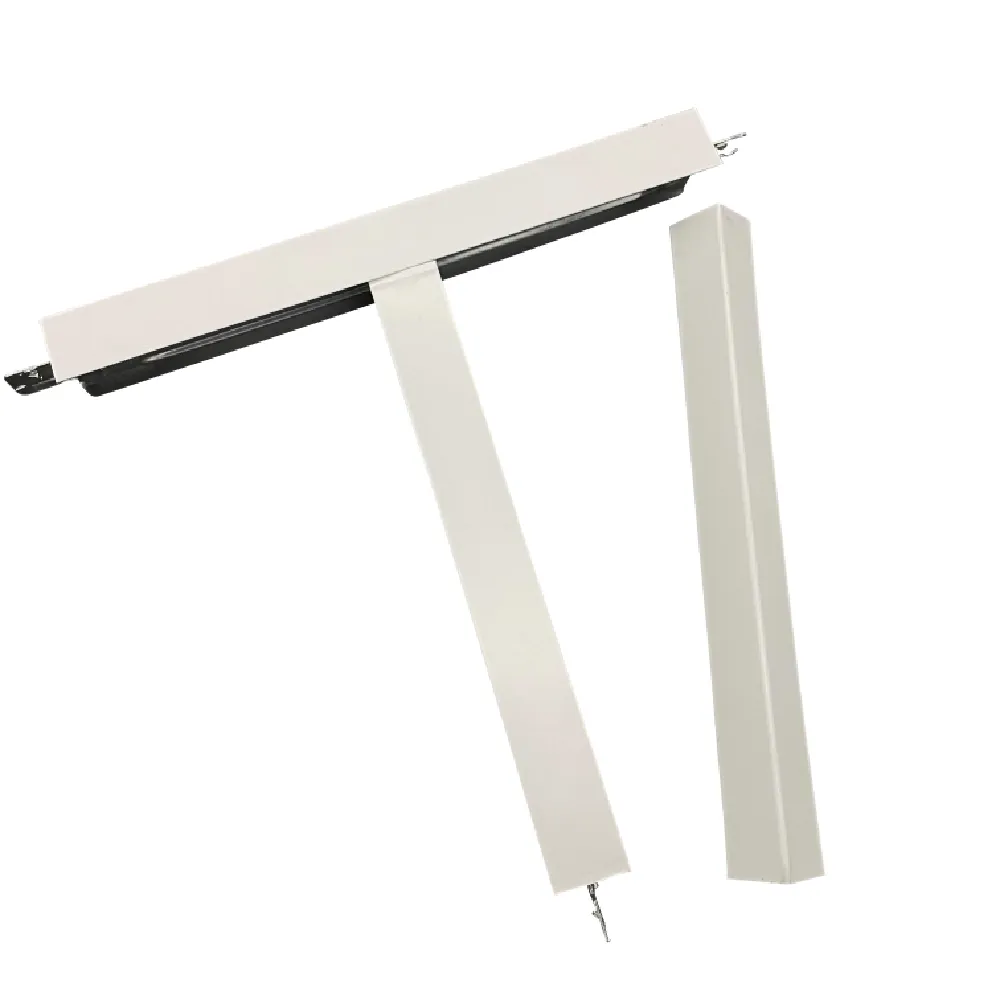
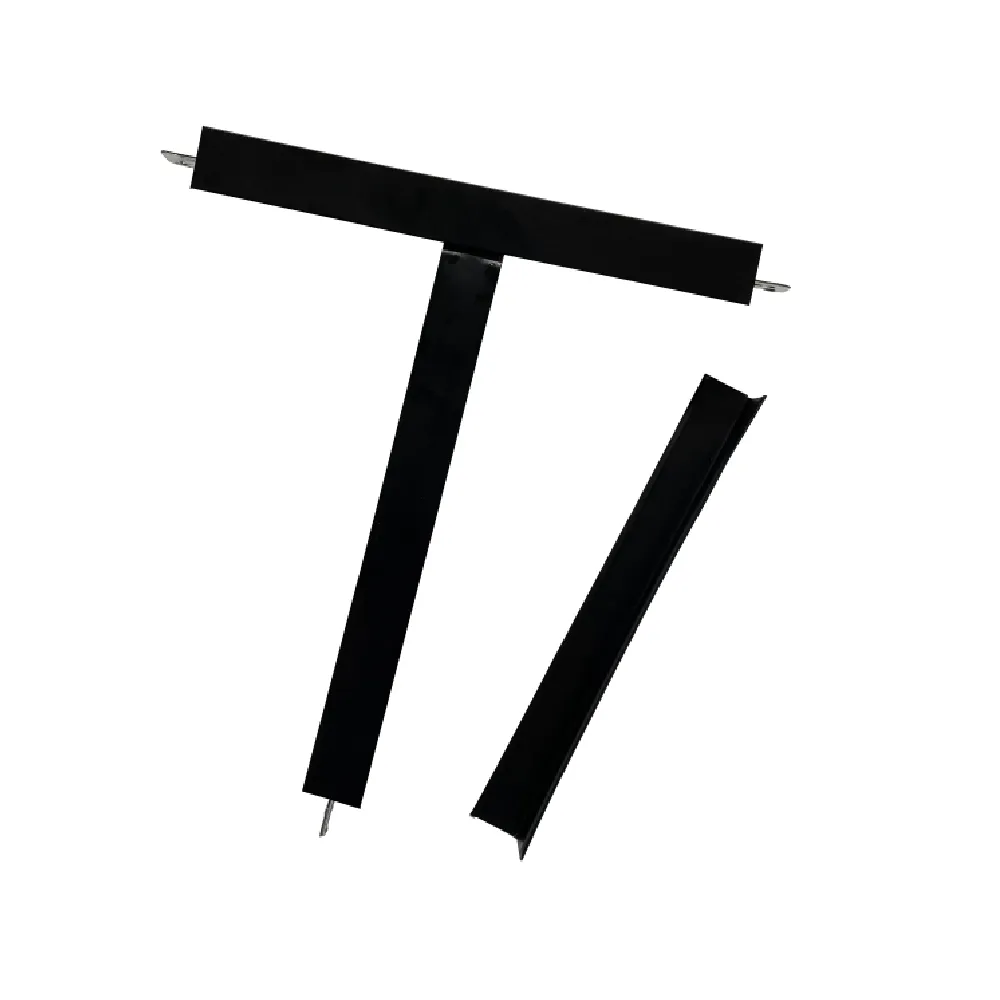
- Main Runner (Trunk Tee): The primary load-bearing component, typically 12 ft (3660 mm) long. It directly supports the cross tees and is suspended from the structural slab.
- Cross Tee: Interlocks with the main runners to form the grid pattern. Available in various lengths, commonly 4 ft (1220 mm) and 2 ft (610 mm), to accommodate different tile sizes.
- Wall Angle: L-shaped perimeter trim that defines the edge of the suspended ceiling, supported by the wall.
- Hanger Wire: Galvanized steel wire used to suspend the main runners from the overhead structure.
Product Specification Table: Xingyuan Ceilings T Grid System
| Parameter | Specification (Typical) | Standard Compliance |
|---|---|---|
| Material | Hot-dipped Galvanized Steel (G30/G60) | ASTM A653 |
| Flange Width (Main/Cross Tee) | 24 mm or 15 mm | ASTM C635 Class A/B |
| Web Height (Main/Cross Tee) | 32 mm, 38 mm or 43 mm | ASTM C635 Class A/B |
| Zinc Coating Thickness | Z100, Z180, Z275 (100g/m², 180g/m², 275g/m²) | ASTM A653 |
| Fire Rating (Minimum) | 2 hours (dependent on tile system) | ASTM E119, UL Classified |
| Load Bearing Capacity (Main Runner) | 0.2 kN/m (Light Duty), 0.3 kN/m (Intermediate), 0.4 kN/m (Heavy Duty) | ASTM C635 |
| Corrosion Resistance | Class A/B (according to zinc coating) | ASTM B117 Salt Spray Test |
These specifications ensure that the ceiling t grid system can reliably support various ceiling panels and integrated fixtures, providing a safe and durable solution for diverse applications.
Application Scenarios and Experience
The versatility of the ceiling t grid system makes it indispensable across a wide spectrum of industries and building types. Its ability to combine structural support with aesthetic flexibility and functional access is highly valued.
Typical Usage Scenarios:
- Commercial Offices and Retail Spaces: Provides a clean, modular aesthetic, and easy access for IT cabling, HVAC ducts, and lighting systems. The ability to quickly replace panels is crucial for tenant fit-outs and reconfigurations.
- Healthcare Facilities (Hospitals, Clinics): Demands for hygiene, sound absorption, and ease of cleaning are met with specialized grid-compatible panels. The grid allows for seamless integration of medical gas lines, lighting, and air purification systems.
- Educational Institutions (Schools, Universities): Robust systems are needed to withstand heavy usage. Acoustic panels combined with a t-grid system improve learning environments by controlling noise levels.
- Industrial and Manufacturing Plants: Heavy-duty cross tee ceiling grids are used in areas where equipment, overhead cranes, or ventilation systems require a strong, stable ceiling. Corrosion-resistant options are critical in chemical processing or food production facilities.
- Data Centers and Server Rooms: Precision air distribution is vital. Perforated panels supported by a t-grid system facilitate controlled airflow for cooling equipment, while providing easy access for network cabling and maintenance.
Customer Feedback and Service Cases:
"We deployed Xingyuan's heavy-duty ceiling t grid system in our new petrochemical processing facility. The galvanized coating and robust design have withstood corrosive elements admirably, providing reliable support for our specialized ceiling panels over three years now without any degradation. The installation team reported significant time savings due to the precision engineering of the components." – Project Manager, PetroChem Solutions Inc.
"For our latest hospital wing, the choice of ceiling grid was critical for infection control and aesthetics. Xingyuan's system integrated perfectly with our antimicrobial acoustic tiles. The ability to easily access the plenum for maintenance of medical equipment and HVAC is a game-changer. Despite the initial gridstone ceiling tile cost, the long-term benefits in terms of hygiene and functionality are undeniable." – Facilities Director, Metro Health System.
Technical Advantages of Ceilings T Grid Systems
Modern ceiling t grid systems offer a suite of technical advantages that make them the preferred choice for architects, contractors, and building owners.
- Ease and Speed of Installation: The interlocking design of main runners and cross tees allows for rapid assembly, significantly reducing labor costs and project timelines. This modularity means fewer specialized tools are required, making installation straightforward for trained personnel.
- Flexibility and Adaptability: T-grid systems are inherently flexible. They can accommodate various ceiling tile sizes, integrate diverse lighting fixtures (troffers, linear LEDs), diffusers, and sprinkler heads. Future modifications or repairs to the ceiling or plenum utilities are simplified by the easy removal and re-installation of individual panels.
- Enhanced Accessibility for Utilities: The suspended nature of the grid creates a plenum space above the finished ceiling, providing convenient access for HVAC ducts, electrical wiring, plumbing, and communication cables without disturbing the building structure.
- Durability and Longevity: Constructed from high-quality galvanized steel or aluminum, these systems offer exceptional resistance to rust, warping, and deformation. When installed correctly, they provide a long service life with minimal maintenance.
- Seismic Performance: In earthquake-prone regions, specially engineered heavy-duty t-grid systems with seismic bracing are crucial. These systems are designed to withstand lateral forces, preventing collapse and minimizing damage during seismic events, compliant with codes like ASCE 7.
- Acoustic and Thermal Performance: When combined with appropriate ceiling tiles (e.g., mineral fiber, fiberglass), t-grid systems significantly contribute to a building's acoustic environment by absorbing sound and reducing reverberation. They can also improve thermal insulation, leading to energy savings.
- Fire Safety: Many t-grid systems are designed to expand when exposed to heat, maintaining the integrity of the ceiling membrane and protecting the plenum for a specified period (e.g., 1-4 hours), thus contributing to passive fire protection strategies.
Vendor Comparison: Selecting the Right Partner
Choosing the right vendor for ceiling t grid systems involves evaluating several critical factors beyond just unit price. A comprehensive assessment ensures not only product quality but also reliability, support, and long-term value.
Key Differentiators in Vendor Selection:
- Material Quality and Sourcing: Top vendors use only prime raw materials (e.g., consistent gauge galvanized steel with verifiable zinc coatings).
- Manufacturing Precision: High-precision roll forming and stamping minimize tolerances, ensuring easy, consistent fit and superior structural integrity.
- Product Range and Customization: A broad portfolio of grid types (e.g., exposed, concealed, slimline) and the ability to provide custom lengths, colors, or specialized finishes.
- Certifications and Compliance: Adherence to international standards (ISO, ASTM, CE) and local building codes. Fire ratings, seismic certifications, and environmental product declarations (EPDs) are crucial.
- Technical Support and Customer Service: Availability of engineering support, installation guides, CAD details, and responsive after-sales service.
- Lead Times and Logistics: Efficient production capabilities and a reliable supply chain to meet project deadlines.
- Warranty and Reputation: Robust product warranties and a proven track record in the industry, supported by client testimonials and case studies.
Comparative Analysis: Xingyuan vs. Competitors
| Feature/Criterion | Xingyuan Ceilings | Competitor A (Large Global) | Competitor B (Regional) |
|---|---|---|---|
| Material Grade (Galvanized Steel) | G30-G60 (Z100-Z275) | G40-G60 (Z120-Z275) | G30-G40 (Z80-Z180) |
| Manufacturing Precision | High (CNC controlled, +/- 0.1mm) | High (Automated, +/- 0.15mm) | Medium (Semi-automated, +/- 0.3mm) |
| Customization Options | Extensive (Length, color, web height, material) | Moderate (Limited standard options) | Limited (Standard lengths/colors only) |
| Certifications | ISO 9001, ASTM C635/C636, CE, UL Class. | ISO 9001, ASTM C635/C636, CE, LEED contributions | ISO 9001, Basic ASTM compliance |
| Technical Support | Dedicated engineering team, CAD drawings, on-site consultation | Standard support, online resources | Basic phone/email support |
| Warranty | 25-Year Limited Warranty | 15-20 Year Limited Warranty | 5-10 Year Standard Warranty |
Xingyuan Ceilings differentiates itself through its commitment to superior material quality, precision manufacturing, extensive customization capabilities, and dedicated technical support, ensuring that clients receive products tailored to their exact project requirements with long-term reliability.
Customized Solutions and Application Case Studies
Beyond standard offerings, Xingyuan Ceilings excels in providing customized ceiling t grid solutions to meet unique project challenges, ensuring optimal performance and aesthetic integration.
Tailored Solutions Include:
- Specialized Finishes: Custom powder coating in specific RAL colors, anodized aluminum for enhanced corrosion resistance or a specific metallic look, and anti-microbial coatings for healthcare environments.
- Unique Dimensions and Profiles: Production of non-standard main runner or cross tee lengths to minimize waste or accommodate irregular room geometries. Custom web heights for specific load requirements or plenum depth restrictions.
- Heavy-Duty and Seismic Systems: Engineering grids for exceptionally high load-bearing requirements or enhanced seismic performance, incorporating specialized bracing and attachment methods.
- Integrated Solutions: Designing grid systems to seamlessly integrate with custom lighting fixtures, specialized HVAC diffusers, or security camera mounts.
Application Case Studies:
Case Study 1: High-Tech Manufacturing Facility, Singapore
Client: Precision Robotics Corp.
Challenge: The client required a ceiling system for their new cleanroom manufacturing facility that could support significant overhead utility loads (ducting, conduits, specialized lighting) and maintain strict cleanliness standards, while also offering accessibility for routine maintenance and calibration. The humid tropical climate necessitated superior corrosion resistance.
Solution: Xingyuan Ceilings provided a custom heavy-duty ceiling t grid system with a Z275 galvanized coating and an additional anti-microbial, high-gloss white powder coating. Main runners with a 43mm web height were specified to achieve the required load capacity. Special clips were designed for seamless integration of HEPA filters and cleanroom-grade LED panels. The entire system was delivered pre-cut to exact lengths, minimizing on-site fabrication and dust generation.
Results: The customized grid exceeded load-bearing requirements, ensuring structural integrity for all overhead utilities. The enhanced corrosion protection ensures longevity in the humid environment. The precise fit of components facilitated rapid installation and contributes to maintaining ISO Class 7 cleanroom conditions, with easy access to plenum for maintenance without compromising the cleanroom envelope.
Case Study 2: Iconic Skyscraper Lobby, Dubai
Client: Al Safa Properties Development
Challenge: The main lobby of a new landmark skyscraper required a visually stunning and complex ceiling design. The architect envisioned a large-format, high-reflectance ceiling panel system with intricate integrated lighting, demanding a very precise, rigid, yet discreet grid structure. Aesthetic integration was paramount, and standard white grids were deemed unacceptable.
Solution: Xingyuan Ceilings collaborated closely with the architects and interior designers. A bespoke slimline ceiling t grid system with a 15mm flange was chosen, finished in a custom champagne gold anodized aluminum. This finish provided both exceptional corrosion resistance suitable for the coastal desert climate and the desired luxurious aesthetic. Custom cross tee lengths were produced to accommodate specific large-format ceiling panels and align with the complex linear lighting pattern. Specialized suspension methods were developed to ensure perfect alignment and flatness across the vast ceiling area.
Results: The custom anodized aluminum grid blended seamlessly with the architectural vision, providing a high-end finish that became a key design feature of the lobby. The precision-engineered system ensured perfect alignment of the large panels and integrated lighting, contributing to a stunning and sophisticated interior space that garnered significant praise. The project was completed on schedule due to Xingyuan's efficient customization and delivery.
Trustworthiness and Company Commitments
Xingyuan Ceilings has built a reputation for excellence and reliability in the suspended ceiling industry, underpinned by robust certifications, transparent processes, and unwavering customer support. With decades of experience, we stand as an authoritative and trusted partner for B2B clients worldwide.
Certifications and Quality Assurance:
- ISO 9001 Certified: Our manufacturing facilities and quality management systems are certified to ISO 9001, ensuring consistent product quality and continuous improvement.
- ASTM Compliance: All products meet or exceed the performance requirements of ASTM C635 (Standard Specification for Metal Suspension Systems) and ASTM C636 (Standard Practice for Installation).
- CE Marking: Our products conform to European Union health, safety, and environmental protection standards.
- UL Classified: Many of our systems hold UL classifications for fire resistance, contributing to building safety.
Partner Clients and Industry Standing:
We have proudly served a diverse portfolio of leading construction firms, developers, and architects globally, contributing to iconic projects in commercial, healthcare, educational, and industrial sectors. Our long-standing relationships are a testament to our commitment to quality and service.
Lead Time and Fulfillment:
Standard ceiling t grid products typically have a lead time of 2-4 weeks, depending on order volume and specific requirements. Custom orders may require 4-6 weeks for manufacturing and quality control. We operate a robust logistics network to ensure timely and efficient global delivery, providing detailed tracking and communication throughout the fulfillment process.
Warranty Commitments:
Xingyuan Ceilings offers a comprehensive 25-year limited warranty on its ceiling t grid suspended systems, covering manufacturing defects and structural integrity under normal operating conditions. This commitment reflects our confidence in the durability and quality of our products.
Customer Support and After-Sales Service:
Our dedicated customer support team is available to assist with technical queries, product selection, installation guidance, and any post-purchase requirements. We provide comprehensive technical documentation, CAD details, and access to our engineering experts to ensure seamless project execution and long-term satisfaction.
Frequently Asked Questions (FAQ)
Q1: What is the standard load capacity of a ceiling t grid system?
A1: Ceiling t grid systems are classified by ASTM C635 into Light Duty, Intermediate Duty, and Heavy Duty. Light-duty grids typically support up to 0.19 kN/m, Intermediate Duty 0.28 kN/m, and Heavy Duty 0.38 kN/m. The appropriate classification depends on the weight of the ceiling tiles, lighting, and any other integrated fixtures.
Q2: How does a ceiling t grid contribute to fire safety?
A2: Many ceiling t grid systems are designed as "fire-rated" assemblies. In a fire event, the grid members are engineered to allow for thermal expansion without compromising the integrity of the ceiling membrane for a specified duration (e.g., 1-4 hours), protecting the structural elements above and allowing safe evacuation. This often involves specific designs and materials for the main runners and cross tees.
Q3: Can cross tee ceiling systems be installed in high-humidity or corrosive environments?
A3: Yes, specialized cross tee ceiling systems are manufactured for such conditions. These typically feature heavier zinc coatings (e.g., Z275 galvanized steel) or are made from aluminum with additional protective coatings (e.g., anti-corrosion paint, anodization) to withstand moisture, chemicals, or salt air. It is crucial to specify the environmental conditions to the manufacturer for the correct product selection.
Q4: What are the common dimensions for ceiling t grid components?
A4: Standard main runners are typically 12 ft (3660 mm) long. Cross tees commonly come in 4 ft (1220 mm) and 2 ft (610 mm) lengths. The grid face (flange width) is usually 15 mm (narrow face) or 24 mm (wide face). Custom lengths and web heights are available from specialized manufacturers like Xingyuan Ceilings.
Q5: How does the drywall ceiling grid price compare to a standard suspended grid?
A5: Drywall grid systems are specifically designed to create a continuous drywall ceiling appearance, offering a cost-effective alternative to traditional stick-built drywall furring channels. While the initial drywall ceiling grid price may be slightly higher than a basic exposed suspended grid, the overall installation cost can be competitive due to faster installation and reduced labor, especially for large areas. It offers a premium look without the extensive framing work.
Conclusion and Authoritative References
The ceiling t grid suspended system remains a cornerstone of modern commercial and industrial construction, providing unparalleled functionality, aesthetic adaptability, and long-term value. As demonstrated, innovations in materials, manufacturing processes, and customization options continue to expand its utility across diverse and demanding applications. For B2B decision-makers, partnering with a reputable manufacturer like Xingyuan Ceilings, known for its adherence to rigorous standards, extensive product offerings, and dedicated support, is paramount to achieving project success and ensuring sustained performance.
From enhancing fire safety and seismic resilience to improving indoor air quality and acoustic comfort, the strategic selection and implementation of a high-quality t-grid system are critical investments that yield significant returns in building performance, occupant satisfaction, and operational efficiency. As the construction industry evolves, the versatility and continuous innovation surrounding ceiling t grid solutions will undoubtedly keep them at the forefront of interior finishing technologies.
References:
- ASTM International. (2022). ASTM C635 / C635M - 21 Standard Specification for Manufacture, Performance, and Testing of Metal Suspension Systems for Acoustical Tile and Lay-in Panel Ceilings. ASTM International.
- ASTM International. (2022). ASTM C636 / C636M - 21 Standard Practice for Installation of Metal Suspension Systems for Acoustical Tile and Lay-in Panel Ceilings. ASTM International.
- ISO (International Organization for Standardization). (2015). ISO 9001:2015 Quality management systems – Requirements. ISO.
- Grand View Research. (2023). Suspended Ceiling Market Size, Share & Trends Analysis Report By Product (Mineral Wool, Gypsum), By Application (Commercial, Healthcare), By Region, And Segment Forecasts, 2023 - 2030. Grand View Research, Inc.
- ASCE/SEI 7-22 Minimum Design Loads and Associated Criteria for Buildings and Other Structures. (2022). American Society of Civil Engineers.
-
Benefits and Guide of Mineral Fiber Ceiling Board for InteriorsNewsApr.16,2026
-
Modern Mineral Fiber Ceiling Solutions for Acoustic PerformanceNewsApr.09,2026
-
Mineral Fibre Board Ceiling vs Gypsum Board A Comprehensive Comparison GuideNewsApr.07,2026
-
Comprehensive Guide to Mineral Fiber Ceiling Specification and PerformanceNewsApr.04,2026
-
What Are Mineral Fiber Ceiling Tiles Made Of And Their ApplicationsNewsMar.31,2026
-
Exploring the Benefits of Suspended Mineral Fibre Ceiling Systems for Modern BuildingsNewsMar.28,2026