
Dec . 01, 2025 10:30 Back to list
Durable & Custom Ceiling Access Covers for Modern Infrastructure | Xingyuan Ceilings
Ceiling Access Cover: Unlocking Hidden Potential Above Our Heads
At first glance, a ceiling access cover might seem like a small, almost invisible component of construction, maintenance, or industrial architecture. But the reality is quite different. Across the globe, these seemingly simple panels play critical roles in making buildings functional, safe, and adaptable. Whether it’s concealing electrical wiring, enabling quick inspection of HVAC ducts, or providing access for emergency repairs, ceiling access covers quietly support the infrastructure of modern life.
Understanding ceiling access covers matters far beyond aesthetics. With urban populations swelling and infrastructures aging, having practical, reliable access solutions is vital globally — from skyscrapers in New York to refugee shelters in East Africa. This article delves into the nuts and bolts of ceiling access covers; what they are, why they matter, and how industry trends and innovations are shaping their future. Spoiler alert: there’s more above your head than you think.
Global Context: Why Ceiling Access Covers Are Essential in Our Built Environment
According to the United Nations, over 55% of the world's population lived in urban areas by 2018, a figure expected to rise to 68% by 2050 (UN DESA 2018). As urban infrastructure becomes denser and more complex, easy, safe access to concealed utilities grows increasingly crucial. Accessibility challenges extend when post-disaster rebuilds or remote industrial sites rely on fast, secure maintenance systems.
Yet, without proper design consideration, ceiling access panels can become bottlenecks — blocking access, creating safety hazards, or even failing under stress. Industry standards like those from the International Organization for Standardization (ISO) increasingly emphasize product durability and fire safety, illustrating how much importance this “behind-the-scenes” component carries in practice.
Mini Takeaway
Ceiling access covers aren’t just panels; they are gateways that enable safe, efficient facility management worldwide, directly impacting safety, sustainability, and operational efficiency.
What Exactly Is a Ceiling Access Cover?
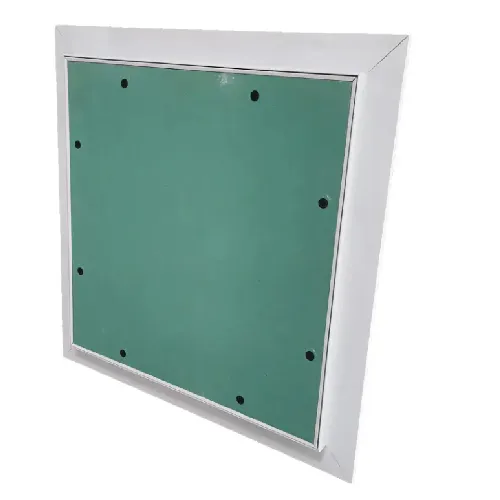
Put simply, a ceiling access cover is a removable panel in a ceiling designed to provide entrance to concealed infrastructure such as pipes, ducts, cables, or wiring systems. They are engineered to blend in with the ceiling, maintaining aesthetics while delivering functionality.
From a humanitarian perspective, think of them as vital access points that allow quick fixes to life-supporting systems — whether in hospitals, disaster shelters, or industrial plants. Modern designs increasingly integrate fire resistance, insulation, and easy-to-open mechanisms, reflecting the dual needs of safety and accessibility.
Mini Takeaway
They’re more than just hatches or removable tiles—ceiling access covers provide critical connectivity between what’s hidden and what needs attention.
Core Elements of Ceiling Access Covers
1. Durability
In rough terms, an access cover needs to withstand the test of time, varying weather conditions, and occasional mechanical stress. Most are crafted from materials such as galvanized steel, aluminum, or reinforced plastics, designed to resist corrosion and wear. Oddly enough, even the smallest rust spot can snowball into a maintenance nightmare.
2. Fire Resistance
Especially in commercial or industrial spaces, fire-resistant covers can slow the spread of flames and smoke. They adhere to standards like ASTM E119, so when engineers specify these covers, they're often thinking about safeguarding both assets and lives.
3. Ease of Installation and Maintenance
Some covers snap in; others utilize hidden fasteners or hinge systems to allow tool-free removal. This matters because quicker access reduces downtime and labor costs.
4. Aesthetic Integration
Architects nowadays want access covers that don't scream “maintenance hole.” So, manufacturers offer finishes that match ceiling textures or colors, sometimes even customizable designs.
5. Load Capacity
Depending on placement — say, in a maintenance corridor versus an office ceiling — load requirements differ drastically. Covers might need to support foot traffic or heavy equipment briefly.
Mini Takeaway
Choosing the right ceiling access cover boils down to balancing durability, safety, ease of use, aesthetics, and load-bearing requirements.
Ceiling Access Covers in the Real World: Global Use Cases
In the Middle East, for example, harsh climates demand corrosion-resistant covers installed in data centers and hospitals. In post-disaster recovery areas — such as after earthquakes in Asia — access covers facilitate quick repairs to critical infrastructure hidden above ceilings.
In cold climates like Scandinavia, thermal insulation integrated into ceiling access covers helps maintain energy efficiency. Meanwhile, manufacturing plants in North America lean heavily on covers optimized for rapid, tool-free access to complicated conveyor or robotic systems above ceilings.
Even humanitarian organizations increasingly consider ceiling access covers in temporary shelters. When you think about it, these covers aid not just in maintenance but also in preserving dignity and safety in tough environments.
Mini Takeaway
Ceiling access covers are everywhere—from skyscrapers to emergency shelters—and they’re tailored according to the unique demands of each environment.
Advantages and Long-Term Benefits
- Cost Efficiency: Reduced labor and downtime mean significant savings over a building’s lifespan.
- Safety: Fire-rated and load-tested options build confidence among facility managers.
- Sustainability: Better materials and designs reduce waste and improve energy efficiency.
- Reliability: Easy and reliable access makes regular maintenance more achievable, extending asset life.
- Social Impact: Access covers help maintain critical infrastructure that affects public health, education, and emergency services.
Frankly, it’s the simplest things, like an easy-to-remove ceiling panel, that can prevent disasters or costly shut-downs. That reliability fosters trust in building management and engineering teams.
Product Specification Table
| Specification | Typical Range | Notes |
|---|---|---|
| Material | Galvanized Steel, Aluminum, FRP | Depending on environment |
| Fire Rating | Up to 2 hours (ASTM E119) | For commercial use |
| Access Type | Hinged, Removable, Snap-fit | Tool-free options available |
| Load Capacity | 300–1000 kg/sqm | Varies by installation |
| Finish | Powder Coat, Painted, Textured | Custom color matches possible |
Comparing Leading Ceiling Access Cover Vendors
| Vendor | Material Options | Customization Level | Average Lead Time | Price Range |
|---|---|---|---|---|
| Xingyuan Ceilings | Steel, Aluminum, FRP | High | 2–4 weeks | $$ |
| Global Access Panels Ltd. | Steel only | Medium | 3–5 weeks | $ |
| TechCover Solutions | Aluminum, Composite | Custom | 4–6 weeks | $$$ |
The Future of Ceiling Access Covers: Trends & Innovations
What’s next? For one, digital transformation is creeping in. Embedded sensors within ceiling access covers could soon alert managers when maintenance is due or when environmental conditions breach thresholds. That combines well with RFID and QR codes to streamline inspections.
Material science is improving too: composites and recycled content are becoming common, nudging the industry toward greener solutions. There's talk among some architects about integrating solar-reflective coatings on exterior-facing access panels — small moves with big sustainability implications.
Automation in building management systems means access covers will need to balance easy human access with security controls, possibly incorporating smart locks.
Mini Takeaway
Future ceiling access covers will blend smart tech, eco-conscious materials, and design sophistication more than ever before.
Common Challenges and Practical Solutions
Despite all the progress, challenges remain. Improperly specified access covers can cause delays or increase costs — say you pick a non-fire-rated panel in an office building requiring strict safety codes. Or the cover might be too heavy or tough to open, discouraging routine maintenance.
Experts advise thorough site assessments, consulting standards such as ISO 7240 for fire safety and local building codes, and selecting suppliers who offer customization with technical support. It’s often worth a bit more upfront investment to avoid headaches down the road.
Frequently Asked Questions About Ceiling Access Covers
Q1: How often should ceiling access covers be inspected or replaced?
Generally, inspection intervals depend on the environment and usage frequency. For commercial buildings, yearly inspections are common, focusing on hinges, locks, and panel integrity. Replacement occurs if there’s corrosion, deformation, or compromised fire resistance.
Q2: Can ceiling access covers be made waterproof for humid areas?
Yes, specialized gasket seals and weather-resistant materials can create waterproof ceiling access covers, ideal for areas like bathrooms, kitchens, or pool facilities. They prevent moisture ingress and related damage to concealed infrastructure.
Q3: Are ceiling access covers customizable to fit unique ceiling designs?
Definitely. Many manufacturers offer bespoke solutions with various shapes, sizes, finishes, and mounting options. Custom panels can match textures, colors, and even include branding if needed.
Q4: What standards should I check when selecting a ceiling access cover?
Look for compliance with fire safety standards (e.g., ASTM E119), load capacity certifications, and sometimes ISO certifications related to materials or manufacturing. Local building codes may also mandate specific requirements.
Q5: How do ceiling access covers help in sustainable building practices?
By enabling easy inspection and maintenance of HVAC or electrical systems, these covers help sustain building efficiency. Additionally, newer models use recyclable materials and lower environmental footprints, aligning with eco-friendly certifications like LEED.
Conclusion: The Unsung Hero of Building Infrastructure
It’s a bit funny to think that a humble ceiling access cover might hold so much influence over safety, efficiency, and even sustainability in all kinds of buildings around the world. But once you look closer, you realize it’s more than a panel — it’s a small, smart portal that keeps essential systems accessible yet secure.
For anyone involved in building design, maintenance, or disaster relief, paying attention to these details can save time, money, and sometimes lives. If you’re ready to explore high-quality, customizable ceiling access solutions, feel free to visit our website and discover options tailored for your needs.
Final Mini Takeaway
In essence, ceiling access covers are a testament to how thoughtful design and engineering — even of small objects — ripple out to support complex, dependable, and sustainable infrastructure worldwide.
References:
-
Benefits and Guide of Mineral Fiber Ceiling Board for InteriorsNewsApr.16,2026
-
Modern Mineral Fiber Ceiling Solutions for Acoustic PerformanceNewsApr.09,2026
-
Mineral Fibre Board Ceiling vs Gypsum Board A Comprehensive Comparison GuideNewsApr.07,2026
-
Comprehensive Guide to Mineral Fiber Ceiling Specification and PerformanceNewsApr.04,2026
-
What Are Mineral Fiber Ceiling Tiles Made Of And Their ApplicationsNewsMar.31,2026
-
Exploring the Benefits of Suspended Mineral Fibre Ceiling Systems for Modern BuildingsNewsMar.28,2026