
Dec . 01, 2025 08:50 Back to list
Small Ceiling Access Panels – Durable, Secure & Cost-Effective Building Solutions
Understanding the Small Ceiling Access Panel: A Modest but Vital Building Component
Some might overlook the humble small ceiling access panel, but in reality, it's a key player behind the scenes of buildings worldwide. Whether in towering skyscrapers, hospitals, or even industrial plants, these small panels unlock access to critical plumbing, electrical wiring, or HVAC systems. With increasing demands on safety, aesthetics, and building management, understanding these panels isn’t just a niche concern—it spans global architecture, maintenance efficiency, and even disaster preparedness. Let’s unpack why small ceiling access panels have quietly become a staple in global construction, and why picking the right one matters more than you might guess.
Global Context: Why Small Ceiling Access Panels Matter More Than Ever
In an era when urbanization accelerates — nearly 55% of the world’s population lived in urban areas as of 2018, according to the UN (1) — buildings have become increasingly complex. This complexity calls for smart design choices that optimize maintenance without disrupting occupants. Small ceiling access panels address an everyday challenge: how to enable quick, safe, and unobtrusive access to hidden systems in ceilings or walls.
Globally, the construction industry wastes up to 30% of resources due to inefficient designs and maintenance hurdles (2). Oddly enough, that’s where these small panels shine. They reduce the need for costly, destructive interventions like ceiling demolition or rewiring reroutes. Hospitals, airports, and even residential buildings benefit from them, especially in regions emphasizing sustainable construction aligned with ISO 14001 environmental standards (3).
Simply put, they’re a small fix to a big logistical challenge: maintaining infrastructure while minimizing downtime, costs, and environmental impact.
What Exactly is a Small Ceiling Access Panel?
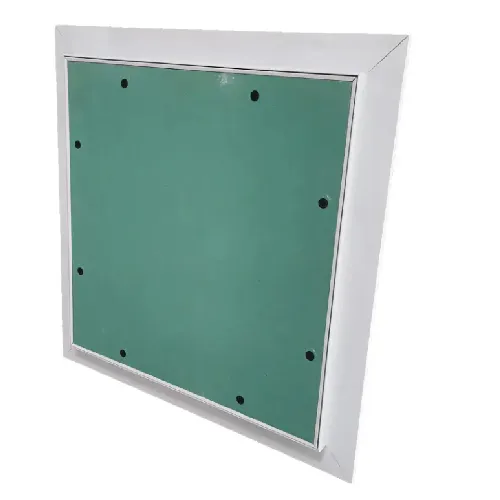
At its core, a small ceiling access panel is a framed opening installed in a ceiling or wall, fitted with a removable cover that allows authorized personnel to access concealed utility areas. Think of it as a “door” for your ceiling. Most often square or rectangular, these panels are designed to blend in with ceiling tiles or drywall, marrying functionality with discreetness.
In modern construction, they are indispensable. They facilitate routine inspections, emergency repairs, or upgrades without compromising the building’s finishes. In humanitarian scenarios like emergency shelters, access panels enable quick safety checks without dismantling fragile structures.
Core Components and Features
Let’s break down the core aspects that define the practical value of a small ceiling access panel:
- Durability: Typically made from lightweight metals—like aluminum or galvanized steel—these panels resist rust and warping, essential for humid or industrial settings.
- Size & Scalability: Small dimensions (commonly 12"x12" or 14"x14") enable installation in tight or limited access spaces but can be scaled up to suit larger access needs.
- Security & Safety: Lockable options are common, preventing unauthorized access to sensitive systems like fire sprinklers or electrical wiring.
- Ease of Installation: Many panels come pre-fitted with drywall or tile-compatible flange systems simplifying retrofit or new construction.
- Aesthetic Appeal: Paintable surfaces and low-profile design ensure they blend almost invisibly with ceilings.
- Fire & Code Compliance: Depending on region and use, panels follow fire-rating standards and building codes.
These factors affect not only the installation but ongoing maintenance — which often costs far less when the right panel is in place.
Mini Takeaway:
Small ceiling access panels may seem minor, but their durability, size adaptability, and safety features make them indispensable for efficient building maintenance worldwide.
Where Do Small Ceiling Access Panels Actually Get Used?
Their application spans residential, commercial, and industrial buildings globally, but some contexts really highlight their value:
- Healthcare Facilities: Hospitals rely on these panels to access critical piping or wiring for urgent repairs without disrupting patients.
- Emergency & Disaster Relief: In makeshift shelters or temporary housing, small ceiling panels allow safe inspection of electrical or plumbing setups, crucial for occupant safety.
- Industrial Plants: Factories install them near machinery for fast troubleshooting of embedded control systems.
- Educational Institutions & Offices: Quick ceiling access reduces downtime in repairs, important for schools and work continuity.
- Residential Buildings Worldwide: From Japan’s seismic zones to European retrofits, they fit nicely into multi-layered sustainability and safety protocols.
For instance, in remote industrial zones where downtime can cost thousands daily, a well-placed ceiling access panel can be the difference between hours and days of repair delay. That’s why multinational construction firms increasingly specify these small but mighty panels in tender documents.
Mini Takeaway:
Small ceiling access panels quietly enable vital upkeep across diverse global sectors, underpinning safety and operational efficiency.
Advantages & Long-Term Value of Small Ceiling Access Panels
On the surface, they offer practical benefits—easy access, cost savings—but the ripple effects go deeper:
- Cost Efficiency: Cutting down repair times lowers labor and material expenses.
- Sustainability: Prevents ceiling waste and limits material replacement.
- Safety & Compliance: Supports building codes for emergency access and fire safety.
- Social Impact: In public buildings, ensuring swift repairs maintains occupant dignity and comfort.
- Innovation & Trust: Developers and maintenance teams gain reliability, boosting end-user confidence.
Many maintenance engineers say it's this “small extra thought” that reduces headaches on the jobsite — oddly enough, it’s not glamorous, but it’s essential.
Spotlight: Product Specifications
| Specification | Typical Value | Notes |
|---|---|---|
| Panel Size | 12" x 12" (305 x 305 mm) | Standard small size |
| Material | Aluminum or Galvanized Steel | Lightweight & corrosion resistant |
| Finish | Powder Coated, Paintable | Can be matched to ceiling color |
| Locking Mechanism | Optional Lock or Key | Enhanced security |
| Fire Rating | Up to 1 hour (varies) | Meets certain code requirements |
| Installation | Flush Mount or Hinged | Ease of access |
Vendor Comparison: Choosing the Right Small Ceiling Access Panel Supplier
| Vendor | Price Range (USD) | Material Options | Customization | Global Shipping |
|---|---|---|---|---|
| Xingyuan Ceilings | $35 - $50 | Aluminum, Steel, Fire-Rated | Custom sizes, finishes | Yes |
| Global Access Panels Inc. | $40 - $60 | Steel, Stainless Steel | Limited custom colors | Yes, select regions |
| AccessPro Solutions | $28 - $45 | Aluminum | Standard sizes only | Domestic shipping only |
Future Trends in Small Ceiling Access Panels
Looking ahead, the small ceiling access panel won't remain static. Innovations are bubbling up, dovetailing with global pushes for smarter and greener building solutions. Some trends to watch:
- Smart Access Panels: Integration of digital locks and sensors that monitor humidity or detect unauthorized entry.
- Eco-friendly Materials: Panels made from recycled aluminum or bio-composites to reduce carbon footprint.
- Simplified Tool-less Installations: Quick-release designs towards modular construction and faster maintenance.
- Fire-Resistant Upgrades: Enhanced composite barriers combining aesthetics and code compliance.
- Customization via 3D Printing: Tailored size and texture for unique architectural demands.
As buildings grow “smarter,” the small ceiling access panel evolves from a mere opening to a monitored node in the structure’s digital nervous system—yes, that sounds a little sci-fi, but it’s happening.
Challenges and Smarter Solutions
Of course, the “small” part is sometimes misleading. Limited sizes can restrict access for bigger repairs, and poorly designed panels may sag or stain ceilings over time. Other challenges:
- Incompatibility: With older building materials, installation may require adaptation.
- Security Concerns: Easy access could tempt unauthorized entries without proper locks.
- Cost vs. Quality Balance: Cheaper panels often sacrifice durability or finish.
Professionals suggest:
- Choose panels certified for regional fire and safety codes.
- Partner with vendors offering customization to meet project needs.
- Prioritize panels with integrated locking mechanisms in sensitive areas.
- Consider durability and environmental certifications, especially for humid or industrial environments.
FAQ: Your Small Ceiling Access Panel Questions Answered
- Q: What is the ideal size for a small ceiling access panel?
- A: Typically, 12"x12" works well for most maintenance needs, but custom sizes are common for specific installations to ensure adequate access without sacrificing ceiling integrity.
- Q: Can small ceiling access panels be painted to match ceiling color?
- A: Absolutely. Most panels come with paintable powder-coated surfaces that allow seamless blending into ceiling finishes.
- Q: Are there fire-rated small ceiling access panels?
- A: Yes, many manufacturers produce panels compliant with fire safety codes, rated up to 1 hour or more depending on materials and design.
- Q: How difficult is installation for a retrofit in existing buildings?
- Installation is usually straightforward, often requiring just a drywall saw and mounting screws. Many panels include flanges or frames designed for easy retrofit work.
- Q: What security options exist for these panels?
- Locking mechanisms range from simple key locks to advanced electronic access controls—important in commercial or sensitive environments.
If you want to explore suppliers or want to see real products, check out small ceiling access panel options from trusted manufacturers.
Wrapping Up: Why You Should Care About This Tiny Door in Your Ceiling
It’s fascinating how such a seemingly minor element can profoundly impact building management, safety, sustainability, and cost-efficiency. Small ceiling access panels make the invisible visible, the complicated simple, and the expensive affordable in facility upkeep. Whether you’re an architect, builder, or facility manager, it’s worth giving this “small” component the attention it deserves.
Curious to learn more or ready to integrate high-quality access solutions into your next project? Visit Xingyuan Ceilings to explore the latest in small ceiling access panel technology.
References
- United Nations - World Urbanization Prospects (2018)
- World Bank - Construction Efficiency Reports (2019)
- ISO 14001 Environmental Management Standards
-
Benefits and Guide of Mineral Fiber Ceiling Board for InteriorsNewsApr.16,2026
-
Modern Mineral Fiber Ceiling Solutions for Acoustic PerformanceNewsApr.09,2026
-
Mineral Fibre Board Ceiling vs Gypsum Board A Comprehensive Comparison GuideNewsApr.07,2026
-
Comprehensive Guide to Mineral Fiber Ceiling Specification and PerformanceNewsApr.04,2026
-
What Are Mineral Fiber Ceiling Tiles Made Of And Their ApplicationsNewsMar.31,2026
-
Exploring the Benefits of Suspended Mineral Fibre Ceiling Systems for Modern BuildingsNewsMar.28,2026