
Dec . 01, 2025 07:15 Back to list
Metal Ceiling Access Hatches: Durable, Safe & Customizable Building Solutions
The Hidden Link Above Your Head: Understanding Metal Ceiling Access Hatches
If you’ve ever peeked above a suspended ceiling or needed to get up into the crawlspace for maintenance, chances are you’ve dealt with metal ceiling access hatches — those often overlooked gateways tucked neatly into ceilings. But despite being out of sight, their role is crucial, especially as buildings and infrastructure around the world become more complex and require easier access to systems hidden above. They allow service professionals to reach HVAC, electrical, plumbing, or security components without tearing down walls or ceilings, saving time, money, and sometimes even lives.
Globally, as urbanization grows and industrial facilities expand, the demand for durable, efficient metal ceiling access hatches is rising — an understatement considering over 55% of the world’s population lives in urban areas today (source: UN World Urbanization Prospects). When safety, sustainability, and cost-efficiency are at a premium, understanding these simple yet vital building elements becomes very important.
Mini takeaway: Metal ceiling access hatches are small but mighty tools in building management, enabling safe and easy ceiling access for maintenance and inspections.Worldwide Significance of Metal Ceiling Access Hatches
Construction standards and building codes globally emphasize fire safety, ventilation, and system access. The ISO 21542:2011 standards for building accessibility and usability, for instance, mention the need for safe access solutions — the kind metal ceiling access hatches provide. From a global industrial standpoint, these hatches are crucial in sectors like healthcare, manufacturing, commercial real estate, and even humanitarian relief structures.
Take healthcare facilities, where critical equipment and wiring are often routed above ceilings. Metal access hatches facilitate speedy emergency repairs and routine inspections, ensuring patient safety. According to the World Bank, investment in health infrastructure grows annually by 5.4%, indirectly stressing the need for reliable access systems in construction.
One challenge often overlooked is balancing durability and aesthetic appeal. Metal hatches must withstand heavy usage and environmental conditions while blending with architectural design — a niche metal ceiling access hatches expertly fill. Oddly enough, this small component can influence maintenance turnaround times significantly.
What Exactly Are Metal Ceiling Access Hatches?
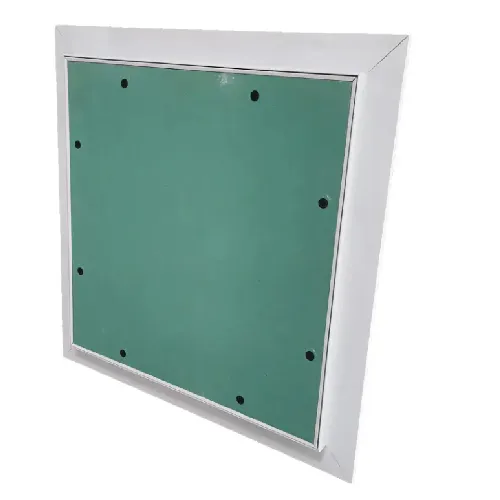
Simply put, metal ceiling access hatches are panels or doors made mostly from steel, aluminum, or other sturdy metals designed to fit flush within ceiling tiles or drywall ceilings. They provide a removable or hinged entry point to overhead spaces where pipes, ducts, cables, and machinery often reside. Unlike wooden panels or plastic covers, metal hatches offer better fire resistance, longevity, and load-bearing properties.
In modern industrial and commercial buildings, these hatches serve more than just access — they help maintain fire compartmentalization, support sound insulation standards, and can be fitted with locks for security. For humanitarian aid, where temporary shelters and modular buildings are common, quick-install sturdy hatch solutions can simplify rapid building setup and maintenance.
Core Components and Features to Consider
1. Durability and Material Quality
Speccing out the right metal is key. Steel tends to dominate for its strength and fire resistance, but aluminum offers corrosion resistance and lighter weight — ideal for humid or coastal environments. Many engineers also look for powder-coated finishes that protect against rust and wear.
2. Safety and Fire Rating
Many applications require hatches that are rated to withstand fire and prevent smoke passage, complying with standards like ASTM E119 or EN 1363. This is especially critical in hospitals or high-occupancy buildings.
3. Installation and Ease of Access
Good designs allow easy opening, often tool-free or with simple handles, but with locking options for safety. Some hatches come with removable faceplates to blend into ceilings seamlessly.
4. Size and Customized Fit
Off-the-shelf sizes exist, but many projects demand custom sizes to fit specific ceiling systems or particular space constraints. This flexibility can be a big selling point.
5. Load Bearing and Concealment
Some hatches are rated to support pedestrian foot traffic if located in ceilings above corridors or storage areas — a useful feature that's often underestimated.
Mini takeaway: The best metal ceiling access hatch gets the job done quietly, safely, and elegantly.Global Applications and Real-World Examples
In Asia’s burgeoning tech hubs, for instance, data centers rely heavily on metal ceiling access hatches for securing and servicing cabling networks within raised floors and ceiling cavities. Meanwhile, healthcare facilities in Europe deploy fire-rated metal hatches to adhere to strict local fire codes and for infection control.
In remote industrial zones, such as mining or oil drilling sites in Australia, metal hatches provide rugged access where environmental conditions are harsh and maintenance can be tricky. The corrosion resistance abilities of certain aluminum models make them favored there.
Humanitarian organizations also report favorably on using metal ceiling access hatches inside modular clinics and shelters in disaster zones, where rapid installation and robustness are crucial to on-the-ground success.
| Feature | Specification | Notes |
|---|---|---|
| Material | Powder-coated steel or anodized aluminum | Depends on environment and weight considerations |
| Fire Rating | Up to 90 minutes (ASTM E119) | Critical for commercial buildings |
| Size Options | Standard: 12"x12", 18"x18", Custom sizing available | Flexibility for different ceiling systems |
| Locking Mechanism | Optional keyed or tool-less locks | Enhances security depending on usage |
| Load Bearing | Up to 150 kg foot traffic rating | Useful in corridor or service areas |
Advantages & Long-Term Value of Choosing Metal Ceiling Access Hatches
One advantage is longevity. Compared to plastic or wooden alternatives, metal hatches resist warping, cracking, and fading truly well over time. You’re more likely to avoid costly replacements or repairs. That reliability feels reassuring — especially in critical infrastructure or hospitals where any downtime could be disastrous.
Environmentally, metals are recyclable, and new powder-coating processes reduce harmful substances. For architects and engineers focused on sustainability, these hatches stack well against other options. Also, they contribute to safety by potentially sealing off fire or smoke spread.
On an emotional level, let’s not overlook the importance of safe and easy maintenance access. Technicians, electricians, and facility managers appreciate when their tools make upkeep faster and less stressful. It’s a subtle dignity that metal ceiling access hatches afford.
Technology and Trends Shaping the Future
Digitalization is creeping in. Imagine smart metal ceiling access hatches equipped with RFID tags or sensors that alert you if they’re opened unexpectedly or require servicing. Integrating these into modern Building Management Systems (BMS) can radically improve security and efficiency.
Sustainability trends push manufacturers to adopt greener metals and coatings with lower environmental impacts. Some innovators are experimenting with hybrid composites that combine metal strength with lightweight polymers — trimming costs and carbon footprints simultaneously.
Automation is another avenue with motorized access hatches that open on command or remotely. A few years ago, this felt futuristic, but now it’s entering practical utility in high-security or difficult-to-reach areas.
Challenges and How the Industry is Addressing Them
Corrosion remains a persistent problem in coastal or chemical-exposed environments, despite metal’s toughness. Manufacturers respond by designing better coatings or using aluminum alloys that endure salt and humidity. Frankly, no one wants rust spreading in their ceilings.
Customization can sometimes delay projects or inflate budgets. To offset this, many suppliers now offer modular hatch systems with interlocking frames and adaptable sizing — cutting lead times and waste.
Lastly, some installation issues arise when hatches are retrofitted into existing ceiling grids not originally designed for them. Increasingly, portable frame adapters and flexible mounting brackets solve this gracefully.
Vendor Comparison: Popular Metal Ceiling Access Hatch Suppliers
| Supplier | Material Options | Standard Sizes | Lead Time | Customization |
|---|---|---|---|---|
| Xingyuan Ceilings | Steel, Aluminum | 12"x12", 18"x18", others on request | 2-3 weeks | High |
| Global Access Solutions | Steel only | Standard sizes only | 1-2 weeks | Low |
| Ceiling Vault Inc. | Aluminum, Composite hybrids | Custom orders only | 4-6 weeks | Very high |
Frequently Asked Questions About Metal Ceiling Access Hatches
Q1: Are metal ceiling access hatches easy to install in existing ceilings?
Yes, many modern hatches come with adjustable frames or retrofit kits, making installation in existing ceiling grids or drywall straightforward. However, complexities like ceiling thickness and load requirements can affect ease, so professional assessment is recommended.
Q2: Can metal access hatches help with fire safety compliance?
Absolutely. Fire-rated metal ceiling access hatches are designed to contain or delay fire and smoke spread for up to 90 minutes or more, helping buildings meet strict fire codes and potentially saving lives.
Q3: What maintenance do these metal hatches require?
Minimal maintenance — occasional cleaning, lubrication of hinges, and inspection of locks or seals usually suffice. Powder-coated finishes reduce rust risk, but in harsh environments, regular checks ensure longevity.
Q4: Are custom sizes expensive to order?
Custom sizes typically cost more due to manufacturing setup but many vendors like metal ceiling access hatches suppliers offer competitive pricing for common alternative sizes and sometimes modular systems that reduce this extra cost.
Q5: How secure are metal ceiling access hatches?
Security depends on locking options. Many come with keyed locks or tool-secured latches. For sensitive areas, they can be integrated into broader access control systems.
Wrapping Up: Why Metal Ceiling Access Hatches Matter
In short, metal ceiling access hatches quietly underpin the safety, functionality, and aesthetics of modern buildings worldwide. From hospitals to industrial plants and even modular emergency shelters, they ensure that infrastructure stays accessible when needed, without compromising fire safety, design or longevity. As trends move toward smarter, more sustainable building components, these metal details aren’t just functional — they’re evolving to be smarter, greener, even a bit futuristic.
For building professionals or facility managers curious to explore options, visiting suppliers with a solid reputation for customization and quality like metal ceiling access hatches providers can make all the difference.
Now, next time you glance up at a stretch ceiling, perhaps you’ll consider the invisible doors above, quietly holding the key to a building’s heartbeat.
References
-
Benefits and Guide of Mineral Fiber Ceiling Board for InteriorsNewsApr.16,2026
-
Modern Mineral Fiber Ceiling Solutions for Acoustic PerformanceNewsApr.09,2026
-
Mineral Fibre Board Ceiling vs Gypsum Board A Comprehensive Comparison GuideNewsApr.07,2026
-
Comprehensive Guide to Mineral Fiber Ceiling Specification and PerformanceNewsApr.04,2026
-
What Are Mineral Fiber Ceiling Tiles Made Of And Their ApplicationsNewsMar.31,2026
-
Exploring the Benefits of Suspended Mineral Fibre Ceiling Systems for Modern BuildingsNewsMar.28,2026